Music and Technology: How Apps are Transforming Music Learning as a Hobby
Transforming Music Education
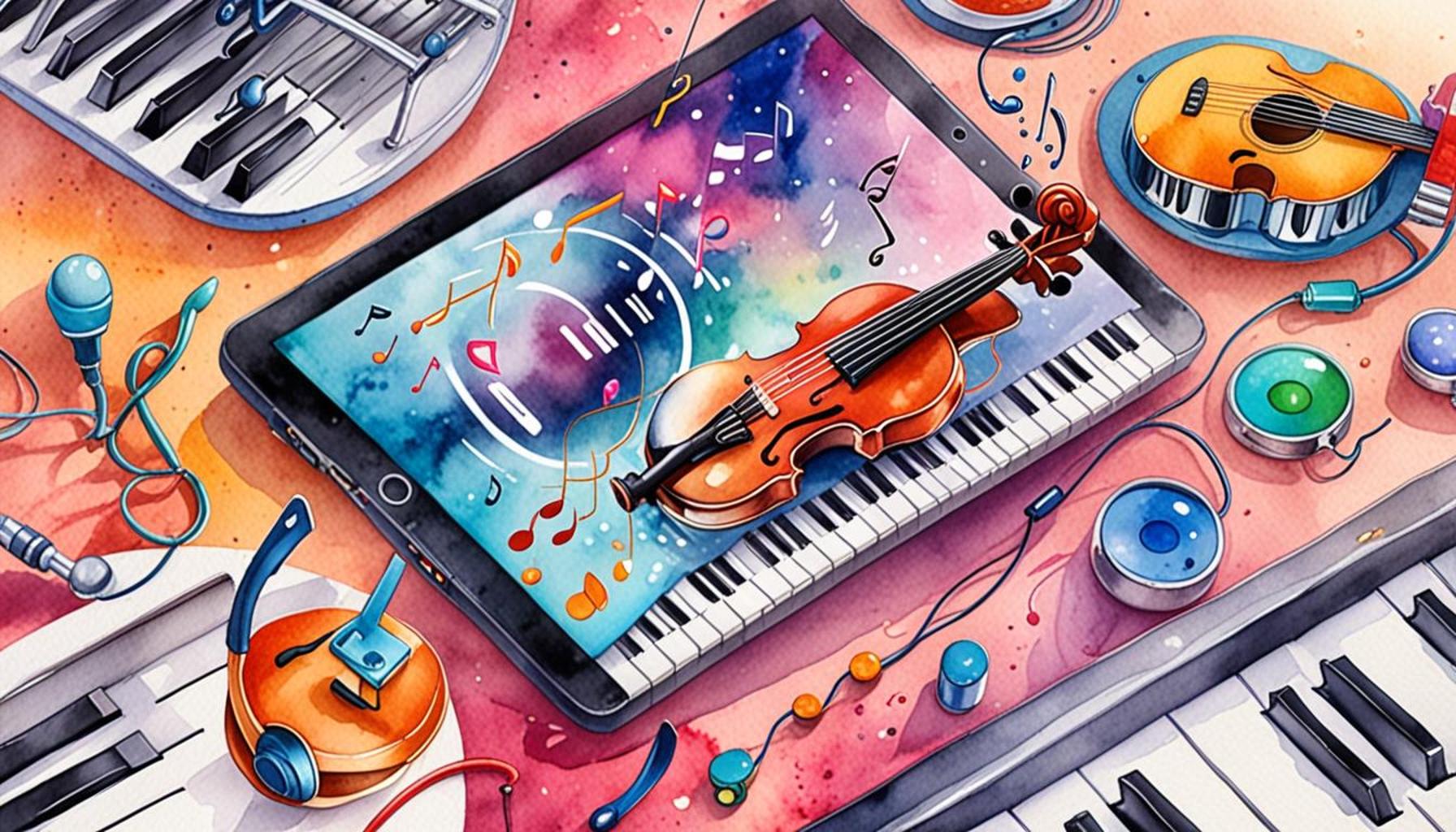
Music learning has evolved significantly with the advent of technology, particularly through the proliferation of mobile applications. In earlier years, mastering a musical instrument often necessitated formal lessons, expensive instrument purchases, and access to local music schools. Today, the digital landscape offers a wealth of resources for aspiring musicians, enabling them to develop their talents without the constraints of traditional educational environments. This transformation makes it possible for anyone with a smartphone or tablet to embark on their musical journey.
Key Features of Music Learning Apps
With the rise of dedicated music applications, learners can enjoy highly personalized experiences that cater to their individual goals and learning styles. Some notable features available in these apps include:
- Interactive lessons: Many apps utilize gamified learning approaches, making the practice of musical concepts engaging and enjoyable. For instance, applications like Yousician integrate game mechanics to challenge users while they learn, from completing scales to mastering entire songs.
- Instant feedback: Such technology offers real-time progress tracking and analysis, allowing users to identify areas where they can improve continuously. Apps like Simply Piano provide users with immediate evaluations of their playing, fostering quicker advancements in skill development.
- Access to extensive libraries: Users can explore vast collections of sheet music, tutorials, and instructional videos across a myriad of genres. This wealth of information allows beginners to tackle different musical styles, whether it be rock, jazz, or classical, all from the comfort of their own homes.
The flexibility and convenience provided by these apps have significantly lowered the barriers to entry in music education. Whether strumming a guitar in the living room or tapping a piano on a mobile device during a commute, anyone can now engage with music learning, leading to a surge in interest across diverse age groups.
Impact on Dedicated Musicians
Beyond casual learners, technology has also revolutionized how established musicians refine their craft. They now have access to innovative tools that enable them to explore new styles and collaborate seamlessly with peers globally. For instance, musicians can utilize:
- Software instruments: These digital tools can simulate the sounds of real instruments, allowing artists to experiment and create unique soundscapes without the need for a physical instrument collection. Platforms such as GarageBand provide users with sophisticated audio editing capabilities and a variety of virtual instruments.
- Collaboration tools: Options like Soundtrap or Splice allow musicians to co-create music regardless of their physical location. This fosters a new wave of creativity as artists from different backgrounds and geographies can pool their talents together to produce innovative works.
This digital revolution not only democratizes music but also reshapes how we think about practice, creativity, and collaboration. As technology continues to advance, the future of music learning presents an exciting frontier that invites both novices and seasoned musicians to explore vast possibilities within their craft. Embracing these advancements will empower individuals to express themselves artistically in ways previously thought unattainable, ultimately leading to a more vibrant and dynamic musical landscape.
DIVE DEEPER: Click here to discover more
Revolutionizing Access to Music Learning
As technology continues to advance, the world of music education has broadened its horizons. No longer confined to physical classrooms and traditional instruments, aspiring musicians can harness the power of music learning apps to facilitate their education on their own terms. This shift is not just a temporary trend; it represents a profound change in how we approach acquiring musical skills and knowledge.
Affordability and Accessibility
One of the most significant impacts of music apps is their ability to make learning instruments more affordable and accessible to the general public. For instance, a typical series of in-person music lessons can run into hundreds or even thousands of dollars. In contrast, many music learning apps offer free versions or subscription models that cost less than a few cups of coffee a month. This democratization of music education allows anyone with an interest in learning an instrument to start their journey without significant financial burden.
Furthermore, the barriers associated with finding local instructors or music schools are largely eliminated. Apps such as GuitarTuna and Piano Academy provide easy access to instruction at any time of day, perfectly fitting into the busy schedules of modern lives. This flexibility supports the growing trend of self-directed learning, where users can pace their study and practice as they see fit.
Personalized Learning Experiences
The adaptability of music learning apps fosters personalized experiences, catering to unique goals and preferences. Unlike conventional music lessons, which may apply a one-size-fits-all methodology, these apps frequently adjust to individual users’ skill levels. Features like customized practice routines, tailored feedback systems, and progress tracking allow learners to target specific areas in which they seek improvement. Some notable apps enabling personalized experiences include:
- Yousician: This app combines feedback and gamification, giving users immediate results on their playing accuracy while keeping the experience fun and engaging.
- Melodics: Focused primarily on keyboard and percussion instruments, this platform offers tailored lessons that adapt to the user’s pace and progress, creating a truly bespoke learning environment.
- Fender Play: Ideal for guitar enthusiasts, this app personalizes the learning process with a selection of songs aligned to the users’ preferred styles and skill levels.
This kind of flexibility respects the varying learning curves and commitments of different individuals, proving that meaningful music education does not necessitate a conventional classroom setup. By integrating personal preferences and skill assessments into the learning process, users are more likely to remain engaged and motivated as they navigate their musical journeys.
Engaging with a Global Community
Another noteworthy aspect of music learning apps is their ability to connect users with like-minded individuals worldwide. The integration of social features allows aspiring musicians to share their progress, engage in challenges, and even collaborate on projects together, transcending geographical boundaries. For example, platforms like Smule allow users to perform duets with others across the globe, making the experience more interactive and socially enriching.
As the digital realm continues to shape how we approach hobbies like music, the implications of integrating technology in learning are vast and significant. The blend of affordability, personalization, and community engagement provided by music learning apps is paving the way for a new generation of musicians eager to explore their talents, regardless of their starting level or background.
| Category | Features and Benefits |
|---|---|
| Interactive Learning | Apps provide immersive experiences through gamification and immediate feedback, making music learning engaging. |
| Accessibility | With a plethora of free and paid options, apps allow users to learn at their own pace, breaking geographical barriers to music education. |
The evolution of music learning is being accelerated by technology, reflecting a shift towards self-directed education. Interactive learning methods utilized in many apps often include real-time quizzes and tutorials that adapt to the learner’s skills. This dynamic engagement not only enhances the assimilation of techniques and styles but also retains interest over time. Moreover, accessibility remains a crucial aspect of this transformation. Modern apps come equipped with resources for musicians of all levels, from beginners picking up an instrument for the first time to advanced practitioners seeking to enhance their skills. This democratization of music education opens doors for enthusiasts who previously may have felt limited by traditional structures or costs associated with private lessons.As technology integrates further into music learning, it is imperative to explore how these applications also foster community connections through platforms that encourage collaboration, and users sharing their progress, thereby enriching the learning experience collectively.
DON’T MISS: Click here to dive deeper
Enhancing Skills Through Innovative Technology
The rapid emergence of music learning apps is not simply about accessibility; it’s also about the incredible tools and technologies that enhance the learning experience. These apps utilize cutting-edge innovations to equip users with skills that could traditionally take years to develop through conventional training methods. From artificial intelligence to augmented reality, the integration of these technologies is redefining what it means to learn music as a hobby.
Artificial Intelligence and Machine Learning
One of the most revolutionary aspects of modern music apps is the incorporation of artificial intelligence (AI)</strong) and machine learning. These technologies analyze users’ playing styles and offer real-time feedback, making learning both efficient and effective. For instance, the app SmartMusic allows students to practice with accompaniment while receiving instant assessments of their performances. The AI tracks their playing notes—identifying not just mistakes but also suggesting areas for improvement.
This state-of-the-art approach equips learners with insights that were previously available only through in-person instruction, significantly reducing the learning curve for many aspiring musicians. Additionally, this kind of feedback helps instill confidence, as users can see tangible improvement based on real data.
Augmented and Virtual Reality Experiences
Enhancing learning experiences even further, some music apps incorporate augmented reality (AR) and virtual reality (VR). These immersive technologies create engaging environments where users can practice and learn in a virtual space. For example, the app VIRTUOSO leverages AR to teach guitar fundamentals by overlaying visual guides on the instrument itself, enabling learners to understand finger placement and chord transitions more intuitively.
This modern approach can transport users into digital concert environments or band scenarios, immersing them in a simulated reality that enhances their understanding of timing, rhythm, and collaboration. As learners become accustomed to these advanced educational experiences, they often find music study to be not only more enjoyable but also far more enriching.
Community and Collaborative Learning
The power of technology extends beyond individual learning; it brings users together through collaborative features. Many music learning platforms, such as Chorus and JamKazam, allow real-time collaboration across distances, transforming the way musicians connect and perform together. These apps enable users to jam with friends or even collaborate with musicians globally, breaking down traditional barriers to interactive education and performance.
The added social component inspires motivation and accountability among users. Participating in challenges, sharing accomplishments, or working on group tracks fosters a sense of community that is often missing in solo music education. Such interactions enhance the learning experience, ensuring that users feel supported and connected in their pursuits.
Gamification of Music Learning
The fascination with gamification in education is evident in music learning apps, as well. By incorporating game-like elements—like scoring systems, challenges, and achievements—apps like Simply Piano and Guitar Hero motivate learners to practice regularly while enjoying the process. The idea is simple: when users are engaged in a fun environment that rewards their efforts, they are more likely to pursue their music learning journey with enthusiasm.
This innovative approach doesn’t just enhance engagement; it encourages users to tackle complex skills through structured challenges that would otherwise be daunting. Such an interactive framework appeals to various age groups, from children to adults, making music education more versatile and relevant in our fast-paced world.
As we observe the intersection of music and technology, the advantages are multifaceted. The synergy created by enhanced learning tools, community collaboration, and gamified experiences is shaping an exciting future for music enthusiasts. With these advanced resources at their fingertips, a world rich in musical possibilities is ready to be explored.
DISCOVER MORE: Click here to explore creative recycled materials techniques
Conclusion: A New Era of Music Learning
In summary, the fusion of music and technology through innovative apps is not just transforming music learning; it is enriching it in ways that were once unimaginable. With the integration of artificial intelligence, augmented reality, and gamification, individuals now have access to tools that empower them to pursue their musical passions with unmatched efficiency and enjoyment. This shift extends beyond just personal learning; it encourages collaboration across distances, breaking down barriers that once limited musical education to only a select few.
As these apps continue to evolve, the possibilities for music enthusiasts will only expand. The implication that anyone, regardless of age or background, can embark on a fulfilling journey of musical discovery is both exciting and profound. This democratization of music education not only fosters talent but also cultivates a vibrant community of learners, inspiring creativity and innovation. For anyone looking to explore music as a hobby, the future is more inviting than ever.
As we look ahead, embracing these technological advancements can unlock new pathways for artistry and self-expression. The question remains: what new heights can we reach in our musical journeys with these transformative tools at our side? The exploration starts now, inviting everyone to join the vibrant world of music learning in this digital age.