Music and collaboration: the role of groups and communities in the formation of musical talents
The Impact of Collaboration on Musical Innovation
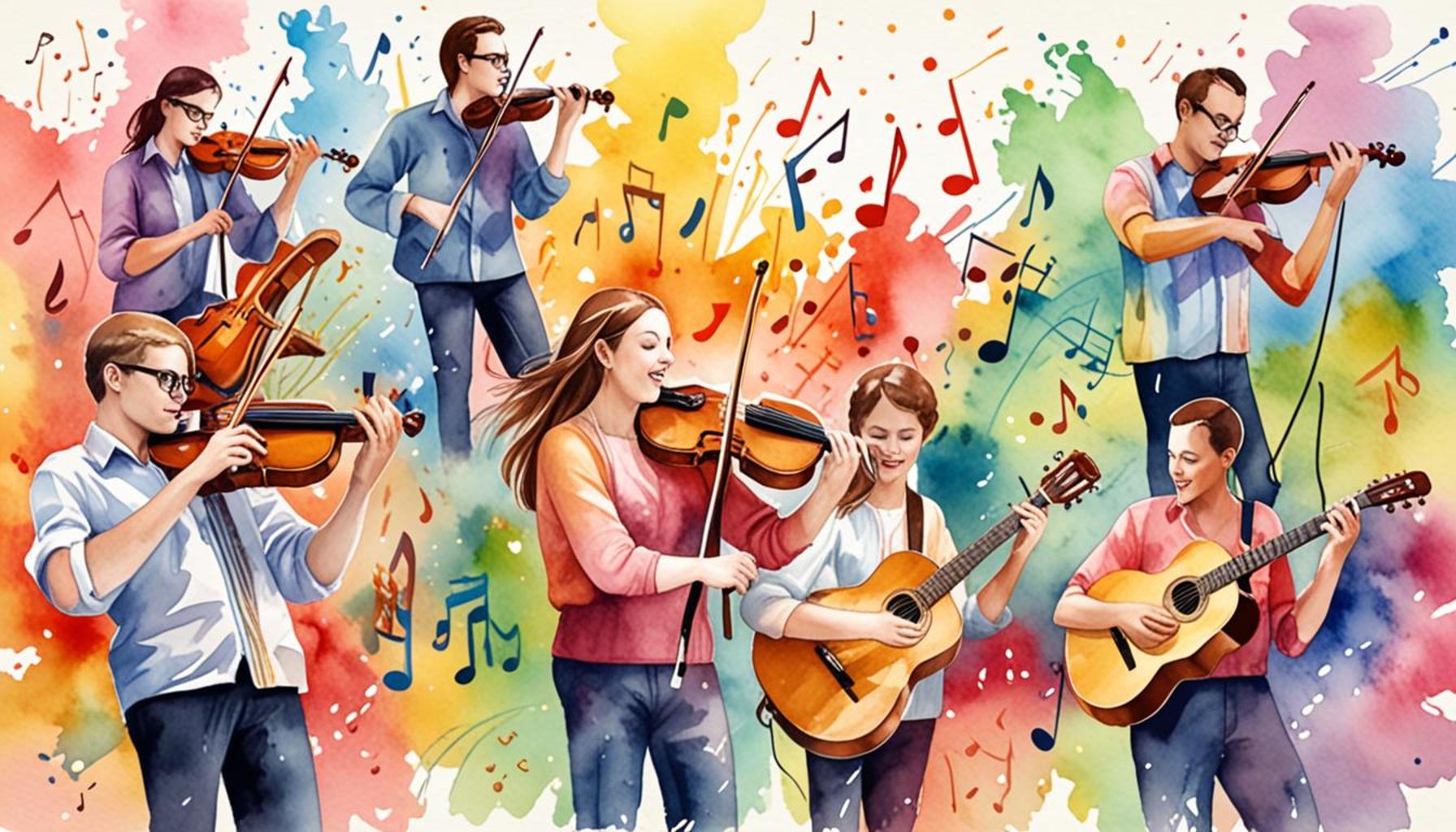
Throughout musical history, the concept of collaboration has shaped not only individual artists but entire genres and movements. This dynamic interplay between musicians fosters a rich environment where ideas can meld and grow. As we explore this phenomenon, it is crucial to understand why collaboration thrives in many forms, producing sounds that resonate globally.
Creative synergy often leads to stunning breakthroughs. When musicians come together, their unique backgrounds, influences, and experiences can converge to create something entirely new. This interaction often results in innovative genres and styles. For example, think about how jazz musicians in New Orleans influenced one another, weaving elements of blues, ragtime, and Caribbean rhythms into the vibrant sounds of jazz that we hear today.
Collaboration brings numerous benefits to the artists involved. Here are some key reasons why it’s essential:
- Inspiration: Engaging with other musicians can spark fresh ideas. Consider how the collaboration between David Bowie and Brian Eno during the late 1970s led to groundbreaking work that redefined art rock, showcasing how two visionary minds can expand the horizon of music.
- Skill Development: Learning from fellow artists is invaluable. Mentorships often occur in collaborative settings, where seasoned musicians can share techniques and approaches with emerging artists, refining their skills and expanding their repertoire significantly.
- Networking: Collaborative efforts frequently lead to lasting relationships within the music industry. For instance, many artists from the indie rock scene have connected through collaborative albums and tours, opening doors for future projects and exposing them to wider audiences.
Notable examples from different musical eras underscore the vital role of collaboration:
- The Beatles: This legendary band revolutionized music through close-knit partnership and shared creativity, resulting in timeless classics that continue to inspire musicians today.
- Hip-Hop Collectives: Groups like Wu-Tang Clan not only shaped the genre but also demonstrated how collaboration could elevate individual voices within a unified vision, leading to their monumental success.
- Local Music Scenes: Across the United States, various communities have birthed grassroots movements that showcase local talent. Cities like Nashville and Seattle have become hotbeds for collaboration, where emerging artists can foster relationships and support one another’s growth.
As we further uncover the intricate dynamics of music and collaboration, it becomes evident that these connections enable artists to transcendent their individual capabilities. They push boundaries, not only enhancing personal artistry but also reimagining the cultural tapestry of music itself. Join us in exploring how these relationships will continue to influence the beauty and diversity of musical expression in the years to come.
DIVE DEEPER: Click here to discover how technology is reshaping music learning
Empowering Musical Communities: The Foundation of Talent Development
At the heart of every vibrant music scene lies a tapestry of collaboration and community support that profoundly shapes the talents of its members. In the United States, cities known for their distinct musical identities, such as Nashville, Austin, and New Orleans, serve as prime examples of how these communities nurture emerging artists. Through shared experiences and creative exchanges, local musicians not only hone their craft but also contribute to the evolution of their genres.
One of the key elements that drive musical collaboration is the idea of community support. In many cases, groups of musicians team up to create opportunities for learning and performance, redefining how music is made. For instance, community centers and local venues frequently host open mic nights, jam sessions, and workshops that encourage interactions between fledgling artists and established professionals. These gatherings allow performers to explore new sounds and techniques while receiving constructive feedback from peers.
Moreover, the geographical and cultural diversity found within these musical communities plays a significant role in enriching the artistic landscape. When musicians from different backgrounds come together, they bring with them unique influences that inspire new forms of expression. This is particularly evident within the Americana genre, where musicians blend elements of folk, blues, and country, creating a sound that reflects the melting pot of American culture. Artists like Brandi Carlile and Jason Isbell represent how these communities can produce talent that resonates with audiences well beyond their local roots.
Collective initiatives, such as collaborative albums and artist collectives, further underscore the importance of teamwork in musical development. Notable collaborations include projects like the “Songs of Protest, War, and Peace” album, where artists pooled their resources and creativity to deliver powerful messages that transcended individual artistry. This not only brought together established names but also provided a platform for lesser-known musicians, amplifying diverse voices that might otherwise go unheard.
Another crucial mechanism is the role of mentorship within musical communities. Many emerging artists find guidance and inspiration from seasoned musicians. Informal mentoring relationships often blossom in collaborative environments, where shared goals encourage experienced artists to pass on their knowledge. The influence of such mentorship is evident in various genres, from hip-hop collectives that uplift young talent to country music’s songwriter circles where aspiring artists can collaborate with more established figures.
Moreover, local music scenes frequently cultivate nurturing environments that prioritize inclusivity and mutual respect. These principles are critical in helping new artists find their unique voices while fostering a sense of belonging. In cities like Los Angeles and Seattle, community engagements centered around music continue to spark innovation, highlighting the collective ethos that propels artistry forward.
As we dissect the intricate relationships within these groups and communities, it becomes increasingly clear that the essence of musical talent development is fundamentally tied to collaborative efforts. The partnerships and bonds formed within these spaces fuel creativity that reverberates across the musical landscape, continuously shaping and transforming the sound of our collective experience.
| Category | Advantages |
|---|---|
| Collaboration | Fosters creativity through shared ideas |
| Community Engagement | Encourages support and peer learning |
| Networking Opportunities | Provides connections with industry professionals |
| Skill Development | Enhances musical skills through group practice |
| Mentorship | Guidance from experienced musicians |
In the realm of music, the essence of collaboration cannot be overstated. It serves as the heartbeat of creative expression and is pivotal in the development of new talents. Groups and communities act as catalysts, enabling individuals to merge their distinct styles and influences, which can lead to the birth of innovative sounds.When musicians come together, they often push each other toward greater heights of creativity. This collaborative spirit not only enhances their individual abilities but also cultivates a sense of belonging within the artistic landscape. Events such as jam sessions, online collaborations, or community workshops offer environments where emerging artists can experiment and evolve, sharpening their skills in ways they might not achieve alone.Moreover, the advantages of engaging in musical communities extend beyond creative benefits. These gatherings can yield remarkable networking opportunities, connecting talents with industry experts and fellow musicians who can provide valuable insights and career guidance. The role of mentorship, particularly in community settings, proves invaluable, as seasoned musicians share their experiences and knowledge, guiding newcomers in their artistic endeavors. Thus, groups and communities emerge not only as platforms for exposure but as essential support systems forging the next generation of musical talents.
DIVE DEEPER: Click here to discover how social media shapes emerging musical talents
Synergistic Connections: The Influence of Collaborative Networks
The dynamics of collaboration extend beyond mere performance, influencing numerous aspects of an artist’s journey, particularly through networking opportunities. In the digital age, social media platforms and streaming services have revolutionized how musicians connect and collaborate. Artists can showcase their work to a global audience while simultaneously forming relationships with creators across various platforms. This virtual interconnectedness allows for unique collaborations that blend diverse styles and backgrounds, as seen in the rise of genres like lo-fi hip hop, bedroom pop, and electronic music.
In many urban centers, music collectives have surged in popularity, exemplifying how groups can pool their skills and resources to uplift one another. These collectives often feature a myriad of talent, including singers, producers, and sound engineers, collaborating on projects that showcase their combined creativity. Such collaborations not only enhance their musical output but also solidify their presence within the industry. For instance, collectives like Odd Future and Spillage Village have launched multiple successful careers while fostering a community of like-minded artists supporting one another’s endeavors.
The rise of collaborative entertainment spaces, such as creative incubators and co-working studios, has also furthered this communal approach to music-making. These spaces often provide resources like recording equipment, rehearsal rooms, and networking events, fostering environments where aspiring artists can come together and innovate. Notable examples include The Music Lab in Nashville and The Echo Nest in Boston, which serve as breeding grounds for collaborative projects and partnerships.
Additionally, the growing trend of virtual collaborations offers artists the chance to work together across distances, broadening their artistic horizons. With tools like Zoom and digital audio workstations, musicians are no longer geographically confined, enabling them to collaborate with artists anywhere in the world. This global perspective contributes significantly to the diversification of musical styles, as artists incorporate influences from various cultures into their work. Collaborative pieces often reflect a fusion of sounds and ideas that can lead to groundbreaking creations, such as the collaborations between artists of different genres like Billie Eilish and Finneas O’Connell.
One cannot overlook the impact of community-based initiatives that aim to democratize access to musical education. Organizations like Guitars Over Guns or Music for All provide mentorship, instruction, and performance opportunities for young musicians, especially in underrepresented communities. By fostering relationships between mentors and mentees, these initiatives help cultivate the next generation of talent, making music accessible to all. The success stories emerging from such programs underscore the importance of nurturing environments where budding artists can receive encouragement and develop their skills without financial barriers.
Moreover, local music festivals act as a vibrant showcase for collaborative endeavors, often spotlighting a range of artists and fostering community spirit. Festivals like South by Southwest (SXSW) and Coachella not only celebrate established artists but also create platforms for emerging talents to share the stage with more recognized names. These events promote networking opportunities and spark collaborations, as artists exchange ideas and experiences in a festival atmosphere, transforming music into a powerful medium for connection.
Overall, the multifaceted nature of musical collaboration illustrates how groups and communities are integral to developing and sustaining artistic talents. As these networks continue to evolve, they pave the way for a future where music remains a collaborative force, resonating deeply with audiences while fostering creativity and inclusiveness.
DISCOVER MORE: Click here to learn how music builds self-confidence in adolescents
Final Thoughts: The Collaborative Symphony of Musical Talent
In examining the profound impact of collaboration within the music industry, it becomes evident that groups and communities play a pivotal role in nurturing and honing musical talents. The surge in music collectives, creative incubators, and community initiatives illustrates a robust ecosystem where aspiring artists can thrive together. These collaborative networks not only provide essential resources but also foster an environment of creativity and support, encouraging individual artists to explore new horizons and push their boundaries.
Moreover, the intersection of technology and music has opened doors to innovative collaborations that transcend geographical limitations. This global approach allows unique cultural exchanges, resulting in a rich tapestry of musical styles that resonates with diverse audiences. Real-time collaborations facilitated by digital platforms are reshaping the soundscape, embodying the essence of unity in diversity.
As the importance of community-driven initiatives continues to grow, they serve as critical channels for transforming underrepresented voices into celebrated talents. Programs aimed at democratizing access to musical education create nurturing environments, emphasizing the significance of mentorship and support in developing future stars. This commitment to inclusivity ensures that the next generation of musicians emerges from all walks of life, enriching the musical landscape.
In conclusion, the collaborative spirit is the lifeblood of the music industry, reinforcing the idea that creativity thrives in community. By embracing the power of collaboration, artists can not only refine their craft but also weave connections that will resonate through the ages, reminding us all of the harmony found in unity.