Monitoring Mental Health in Pets: Signs and Strategies
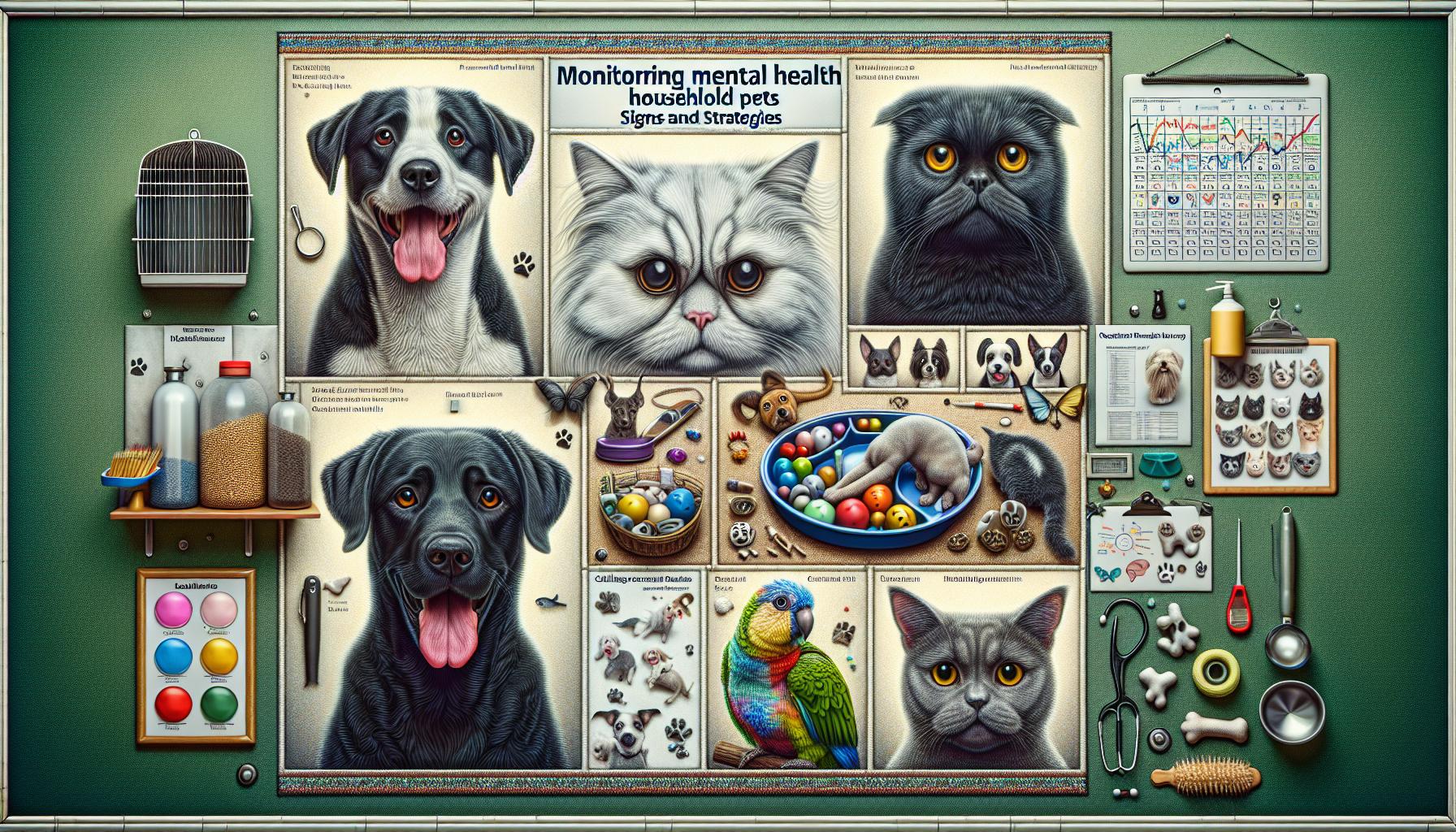
Recognizing the Signs of Mental Health Issues in Pets
Pets are cherished members of our families, yet their emotional and psychological needs are often underestimated. Just like humans, pets can experience a spectrum of mental health challenges ranging from anxiety and depression to phobias. Understanding these issues is pivotal for ensuring your furry companions remain happy and healthy.
Observing behavioral changes can provide valuable insights into your pet’s mental state. For instance, if your once-social dog suddenly prefers to retreat to a corner, this withdrawal from social interactions could indicate stress or anxiety. Moreover, a shift in appetite—whether it’s overeating out of comfort or refusing food due to depression—serves as another critical signal. In fact, changes in eating habits can have serious consequences for your pet’s physical health, leading to issues such as obesity or malnutrition.
Inappropriate elimination, where pets begin to soil their usual places, can be a profound cry for help. This could be linked to anxiety or changes in the household environment, such as new family members or moving to a different space. Additionally, behaviors like excessive barking or meowing without apparent cause can hint at underlying distress, possibly triggered by boredom or fear. Destructive habits, such as chewing furniture, can also arise when pets are feeling unfulfilled or anxious, leading to an increase in stress for both them and their owners.
Recognizing these signs early on can prevent more severe mental health issues in the future. It’s crucial to monitor your pet’s behavior closely and document any changes. This information is instrumental when discussing your pet’s condition with veterinary professionals. They can provide tailored advice or refer you to a pet behaviorist if necessary.
Strategies to Foster Your Pet’s Mental Well-Being
Just as we prioritize our mental health, we must also implement effective strategies to support our pets’ emotional well-being. One approach includes providing engaging toys that challenge their minds, such as puzzle toys that dispense treats. These can keep your pet occupied and stimulated, thereby reducing anxiety and boredom.
Establishing a consistent routine can also create a sense of security for your pet. Pets thrive on predictability—regular feeding, playtime, and walks can help them feel grounded. Additionally, regular exercise plays a vital role in promoting a healthy lifestyle. Daily walks, runs, or play sessions not only physically stimulate pets but also release endorphins, which can alleviate stress.
Furthermore, it is equally important to ensure they engage in socialization with other animals and people. Whether through organized playgroups, dog parks, or simply inviting friends over, fostering social connections can enhance their mental health significantly.
As pet owners, it is our duty to ensure that our beloved companions lead fulfilled lives. By recognizing the signs of mental health issues and implementing supportive strategies, we can contribute to their emotional resilience and overall well-being. This article will continue to delve deeper into recognizing these important signs and offer practical tools to help all pets thrive emotionally.
DISCOVER MORE: Click here to enhance your understanding
Understanding Your Pet’s Behavior Patterns
Observing and understanding your pet’s behavior is essential in monitoring their mental health. Just as individuals express anxiety or distress through various signals, pets communicate their emotional states in nuanced ways. Identifying these behaviors can lead to early intervention and prevent more serious issues from arising.
One of the first things to look for is a change in activity level. If your energetic puppy suddenly becomes lethargic or your normally calm cat starts hiding, these could be signs of underlying mental health concerns. A shift in behavior during specific times—such as after a house move or a change in routine—can indicate that your pet is struggling to adjust. Understanding the triggers for these changes can help you manage their needs more effectively.
In addition to activity levels, consider paying attention to vocalizations. Pets may use barking, meowing, or other sounds as a way to express discomfort or anxiety. For example, if a dog starts barking incessantly or a cat meows loudly without obvious reasons, it may suggest that your pet is feeling unsafe or overwhelmed. Keeping a journal of these vocalizations can assist you in correlating behavior with specific events or disturbances in their environment.
The Role of Physical Health in Mental Well-Being
It is important to recognize that physical health and mental health are interconnected in pets. Pain or discomfort can manifest as changes in behavior. Pets who may be dealing with health issues like arthritis or dental pain might show signs of emotional distress because they are unable to engage in their usual activities. Regular check-ups with a veterinarian are crucial in ensuring your pet is both physically and mentally healthy.
Critical Signs to Monitor in Pets
When monitoring your pet’s mental health, consider tracking the following signs:
- Withdrawal from Family Activities: If your pet isolates themselves or avoids interaction, this could indicate depression or anxiety.
- Increased Aggression: Changes in temperament, such as increased irritability or aggression towards people or other pets, can signal stress.
- Unusual Destructive Behavior: If your pet starts chewing furniture, scratching, or digging excessively, it may be a response to anxiety.
- Changes in Sleep Patterns: Pets that struggle with mental health may exhibit disturbances in their sleeping habits, either sleeping too much or being restless.
- Changes in Grooming Habits: Over-grooming can stem from anxiety, while a lack of grooming may indicate low energy or depression.
Awareness of these signs is the first step towards maintaining your pet’s mental health. Documenting these changes can create a clearer picture for veterinary professionals, allowing for more tailored advice and strategies to ensure your pet’s emotional and psychological needs are met.
Understanding Your Pet’s Mental Health
Monitoring mental health in pets is crucial for their overall well-being, just as it is for humans. Pets can experience a range of emotional challenges, leading to stress and behavioral issues that, if not addressed, can severely impact their quality of life. Pet owners should be vigilant in recognizing the signs that may indicate mental distress. Changes in appetite, withdrawal from social interactions, and increased aggression are key indicators that your furry friend may be struggling psychologically.
Common Signs of Mental Distress in Pets
Understanding the signs of mental health issues in pets is the first step towards effective intervention. Some of the common signs include:
- Excessive Barking or Whining: These vocalizations can indicate anxiety or frustration.
- Destructive Behavior: Chewing, scratching, or digging can be your pet’s way of coping with stress.
- Changes in Sleeping Patterns: Increased sleeping or restlessness might indicate underlying issues.
- Altered Eating Habits: Sudden weight gain or loss can stem from emotional turmoil or stress.
Strategies for Monitoring and Improving Mental Health
Implementing effective strategies to monitor and improve your pet’s mental health is pivotal. Regular check-ups with a veterinarian can help ensure that any medical issues contributing to behavioral changes are identified. Moreover, creating a supportive home environment that includes fulfilling playtime, engaging activities, and proper social interaction can significantly enhance your pet’s emotional landscape.Pet owners are encouraged to explore tools like journals to track their pet’s moods and behaviors over time, which can be useful in identifying patterns and triggers. Joining pet wellness groups or engaging with professionals in animal psychology can also provide valuable insights and support. Ultimately, being proactive and attentive to your pet’s needs is paramount. Your efforts in monitoring mental health will yield a happier and healthier companion, making your bond even more fulfilling.
| Signs | Strategies |
|---|---|
| Behavioral Changes | Increase engagement through play and socialization. |
| Anxiety Indications | Establish a routine to provide a sense of security. |
By comprehensively addressing the signs and strategies related to mental health in pets, we can take significant steps towards ensuring that our beloved companions live healthy, fulfilling lives.
DISCOVER MORE: Click here to learn about the importance of exercise for pet mental health
Strategies for Supporting Your Pet’s Mental Health
Understanding your pet’s behavior and physical health lays the foundation for effectively monitoring their mental well-being. However, knowing how to support them is equally important. There are several proactive strategies pet owners can implement to ensure their furry companions are living their happiest and healthiest lives.
Creating a Safe and Stimulating Environment
One of the key aspects of promoting mental health in pets is fostering a safe and stimulating environment. Pets thrive in spaces where they feel secure and can engage their instincts. For dogs, this means providing them with ample outdoor time, where they can explore and socialize. Cats, on the other hand, love vertical spaces; consider investing in cat trees or shelves that allow them to climb and observe their surroundings.
Interactive toys, puzzle feeders, and sensory play can also challenge their minds and keep them engaged. Regularly rotating their toys can maintain novelty, which is crucial in preventing boredom or anxiety. Techniques like hiding food around the house or arranging playdates can stimulate a more enriching environment for your pets.
The Importance of Routine and Structure
Establishing a predictable routine can greatly benefit your pet’s mental health. Pets find comfort in knowing what to expect throughout their day—set feeding times, regular walks, playtimes, and bedtime routines can help create a sense of stability. This predictability minimizes anxiety, especially when there are changes occurring in the household, such as a new baby, a move, or a different job schedule.
In addition to routine, consider how to incorporate training into your pet’s daily life. Positive reinforcement training not only helps with good behavior but also strengthens the bond between you and your pet. This practice offers mental stimulation and imparts the confidence pet owners want their companions to reflect. Working towards small training goals can boost your pet’s self-esteem and reduce behavioral issues often tied to anxiety.
Recognizing When to Seek Professional Help
Despite your best efforts, there may be times when your pet’s mental health requires professional intervention. If you notice persistent signs of distress or behavioral changes that don’t improve with your interventions, it may be time to consult with a veterinarian or a certified animal behaviorist. They can provide insights and recommend tailored strategies, such as behavior modification techniques or medication, if necessary.
In recent years, there has been growing recognition of the impact of animal therapists and alternative therapies, such as pet acupuncture or massage, on addressing mental health. This holistic approach can provide additional support to pets struggling with anxiety or depression, enhancing their quality of life.
Fostering Strong Relationships
Finally, one of the most significant ways to promote your pet’s mental health is by fostering a strong relationship through quality time spent together. Prioritize moments spent engaging with your pet—through cuddling, grooming, or simply being present. These experiences can be incredibly reassuring, reinforcing the bond and providing emotional comfort.
Ensuring your pet feels loved, secure, and understood can effectively buffer against mental health challenges, making a considerable difference in their overall well-being. Engaging with your pet and closely monitoring for any changes will strengthen your relationship and position you as a proactive caretaker dedicated to enhancing their mental health.
DISCOVER MORE: Click here to find out about stress management techniques for pets
Conclusion
In conclusion, the mental health of our pets is an integral part of their overall well-being, much like it is for humans. Being aware of the signs of distress, such as changes in behavior, appetite, or energy levels, empowers pet owners to spot potential issues early. Coupled with effective strategies—from creating a stimulating environment and establishing a consistent routine, to maintaining an open line of communication with healthcare professionals—pet owners can proactively support their furry friends.
Moreover, it is essential to recognize that each pet is unique, and their needs may vary significantly based on factors like breed, age, and individual temperament. Tailoring your approach and seeking professional guidance when necessary can lead to better outcomes. Engaging with your pet and dedicating intentional time towards strengthening your bond can enhance their emotional resilience and mental health.
As we continue to expand our understanding of pet behavior and welfare, investing time in monitoring mental health is not just beneficial; it’s a responsibility that benefits both pets and their owners. Every wagging tail and content purr we observe is a testament to the positive impact of appropriate care and attention. By taking the necessary steps to nurture their mental health, we not only improve their quality of life but also enrich our own, fostering a deeper relationship built on love and understanding. As you reflect on your pet’s mental health, consider the myriad ways you can enhance their happiness—each strategy a step towards a brighter, healthier tomorrow for your beloved companion.