Logical Challenges: The Science Behind Puzzle Solving and Its Impact on the Brain
The Societal Fascination with Puzzles
Puzzles, in their many forms, have fascinated humanity for centuries, appealing to our innate curiosity and intellectual drive. From Sudoku to crossword puzzles, these engaging logical challenges are not simply pastimes; they hold the potential to significantly influence how our brains operate and develop.
The allure of puzzles transcends age and culture. In the United States, for instance, millions participate in crossword competitions during Sunday brunch, while others might engage in online Sudoku competitions during their commute. This widespread engagement underscores the profound way that puzzles resonate with individuals, acting as both cognitive exertion and an avenue for entertainment.
Cognitive Benefits of Puzzle Solving
Numerous studies have highlighted several critical cognitive benefits associated with regular puzzle solving. These include:
- Enhanced problem-solving skills: Puzzles encourage individuals to think outside the box, developing innovative solutions and strategies to arrive at answers. Skills honed through puzzle challenges can translate into more effective decision-making in real-world scenarios, such as navigating complex projects at work.
- Improved memory retention: Engaging with puzzles can bolster memory capabilities by stimulating different areas of the brain that manage memory functions. This is particularly important for students and professionals who rely on robust memory recall to excel in their fields. Studies suggest that playing memory games and solving puzzles regularly can significantly enhance cognitive retention.
- Stronger critical thinking abilities: The process of analyzing clues, discerning patterns, and making logical deductions sharpens critical thinking skills. Such skills are vital for both academic success and everyday situations, allowing individuals to evaluate problems from multiple angles before reaching conclusions.
The Neuroscience Behind Puzzle Solving
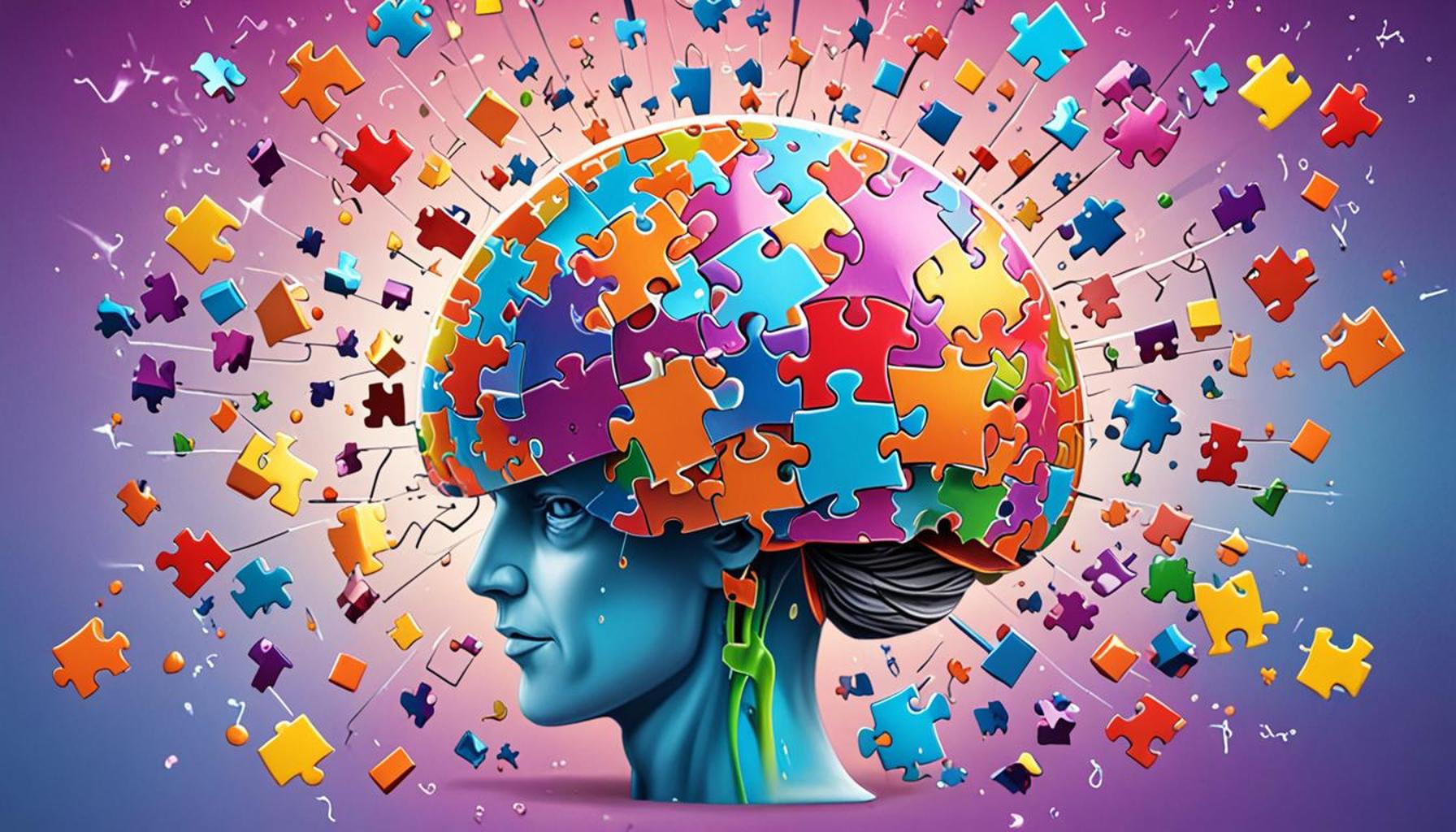
But what occurs in our brains when we engage with these challenging activities? As individuals work through clues and piece together patterns, a flurry of neurological activity ignites in various regions of the brain. Researchers in the field of cognitive neuroscience have discovered that solving puzzles activates the prefrontal cortex, the region associated with complex decision-making, as well as areas responsible for spatial reasoning and memory.
Beyond the immediate mental workout, puzzles can also provide long-term benefits by potentially staving off cognitive decline. Regular engagement with activities like jigsaw puzzles or logic games has been linked to a lower risk of developing neurodegenerative diseases, such as Alzheimer’s. By retaining brain plasticity through continual challenges, individuals may remain sharp and agile well into old age.

This exciting journey into the science of puzzles reveals not only their entertainment value but also their capacity to empower our minds. Whether they serve as a casual distraction or a rigorous workout for the brain, puzzles stand as a vital tool in cognitive development, showcasing the remarkable synergy between enjoyment and intellectual growth.
DISCOVER MORE: Click here to boost your child’s memory
The Cognitive Workout of Puzzles
As engaging as they are, the true substance of puzzles lies not just in their entertainment value but in the cognitive workout they provide. Each time we tackle a Sudoku grid or decipher a crossword puzzle, we initiate a mental journey that stimulates numerous cognitive functions. This makes puzzle solving not only a fun diversion but also a significant contributor to brain health.
The intricate process of solving puzzles activates multiple brain regions, each contributing to the overall cognitive experience. For example, the temporal lobe comes into play as we seek to understand language in crosswords, while the parietal lobe assists in recognizing spatial relationships—essential for jigsaw puzzles. Engaging in these logical challenges harnesses our brain’s neuroplasticity, promoting new connections and enhancing our mental agility.
The Impact of Puzzles on Mental Agility
Engaging regularly with puzzles has shown promising results in promoting mental agility and flexibility. This attribute is particularly vital in our fast-paced world, where the ability to adapt and respond to complex problems is essential. Research demonstrates that individuals who frequently partake in puzzle activities exhibit:
- Enhanced cognitive flexibility: The ability to switch between tasks and think about multiple concepts at once becomes refined, allowing for more versatile problem-solving skills.
- Increased attention span: Puzzles require focus and concentration, which can lead to an overall improvement in the ability to maintain attention on other tasks.
- Greater mental resilience: The trial-and-error nature of puzzle solving teaches persistence. Through overcoming challenges, individuals can develop a greater sense of confidence in navigating life’s problems.
The psychological aspect of solving puzzles is equally noteworthy. The satisfaction derived from completing a challenging puzzle can trigger the release of dopamine, a neurotransmitter associated with reward and motivation. This positive reinforcement encourages continued engagement in brain-training activities, creating a beneficial cycle of mental exercise.
Puzzles as Catalysts for Lifelong Learning
Moreover, the brain benefits of engaging with puzzles extend beyond mere enjoyment. They serve as catalysts for lifelong learning and exploration. Various puzzle types, ranging from logic problems to mathematical challenges, enrich our knowledge base and cultivate an inquisitive mindset. For instance, crossword puzzles often introduce solvers to new vocabulary and diverse topics, effectively acting as a continuous learning platform while simultaneously sharpening critical thinking skills.
In today’s society, where cognitive engagement is paramount to maintaining mental acuity, puzzles offer an accessible and effective means to challenge ourselves continually. Their blend of entertainment and cognitive enhancement underscores their significance in our daily lives. As we explore the nuances of puzzle-solving, it becomes evident that these logical challenges play a crucial role in shaping not only how we think but also how we approach the world around us.
Understanding Logical Challenges and Brain Function
Logical challenges, including puzzles and riddles, are not merely pastimes but are deeply interwoven with cognitive function and neuroplasticity. Engaging in these stimulating activities activates various regions of the brain, enhancing problem-solving skills and improving overall mental acuity. Research reveals that regular participation in logical challenges can significantly boost memory retention and increase cognitive flexibility. This flexibility allows individuals to approach problems from multiple angles, fostering creativity and innovation in solution-finding.Additionally, the brain’s reward system is activated during puzzle-solving. This system releases neurotransmitters such as dopamine, which contributes not only to feelings of enjoyment and satisfaction but also reinforces the behavior, encouraging an individual to tackle more challenges. Therefore, the cycle of solving puzzles becomes self-reinforcing: success leads to more attempts, further enhancing mental processes.Furthermore, engaging with logical puzzles provides psychological benefits. It has been shown that regular brain exercises can help reduce the risk of age-related cognitive decline, making them an invaluable tool for lifelong learning. Beyond individual benefits, these collective improvements can lead to enhanced social interactions, as many puzzles are often collaborative by nature, promoting teamwork and communication skills.
As we delve deeper into the science of puzzles, the specifics of how these challenges positively affect different age groups and demographics reveal fascinating insights. Understanding the neural mechanisms at play not only enriches our appreciation of puzzles but also opens doors to strategic mental health benefits. Exploring various types of logical challenges, including Sudoku or crosswords, further enhances our knowledge of the vast landscape of brain exercise and cognitive development, propelling individuals towards self-improvement and mental agility.
| Category 1 | Category 2 |
|---|---|
| Cognitive Benefits | Enhances problem-solving skills and cognitive flexibility |
| Psychological Impact | Promotes mental health and reduces cognitive decline risks |
Engaging with logical challenges serves as a profound means of boosting brain health and cognitive resilience. By exploring these fascinating dynamics, readers can harness the potential of puzzle-solving in their own lives, reaping the benefits of enhanced brain function and enriched personal experiences.
DIVE DEEPER: Click here to discover more
Puzzles and Brain Health: Preventing Cognitive Decline
In addition to enhancing mental agility, engaging with puzzles plays a pivotal role in promoting brain health and may even aid in preventing cognitive decline. As we age, the risk of neurological conditions, such as Alzheimer’s disease, becomes increasingly concerning. However, studies suggest that activities like puzzle solving can be beneficial in maintaining cognitive function throughout the aging process.
A comprehensive study published in the journal Neurology indicates that individuals who regularly engage in mentally stimulating activities—such as puzzles and word games—show a slower decline in cognitive abilities compared to their peers who do not participate in such activities. Specifically, older adults who frequently engage in puzzles have demonstrated higher levels of cognitive reserve, a term used to describe the brain’s resilience against damage. This cognitive reserve is crucial, as it allows the brain to function better even in the face of aging or neurological issues.
The Role of Puzzles in Social Engagement
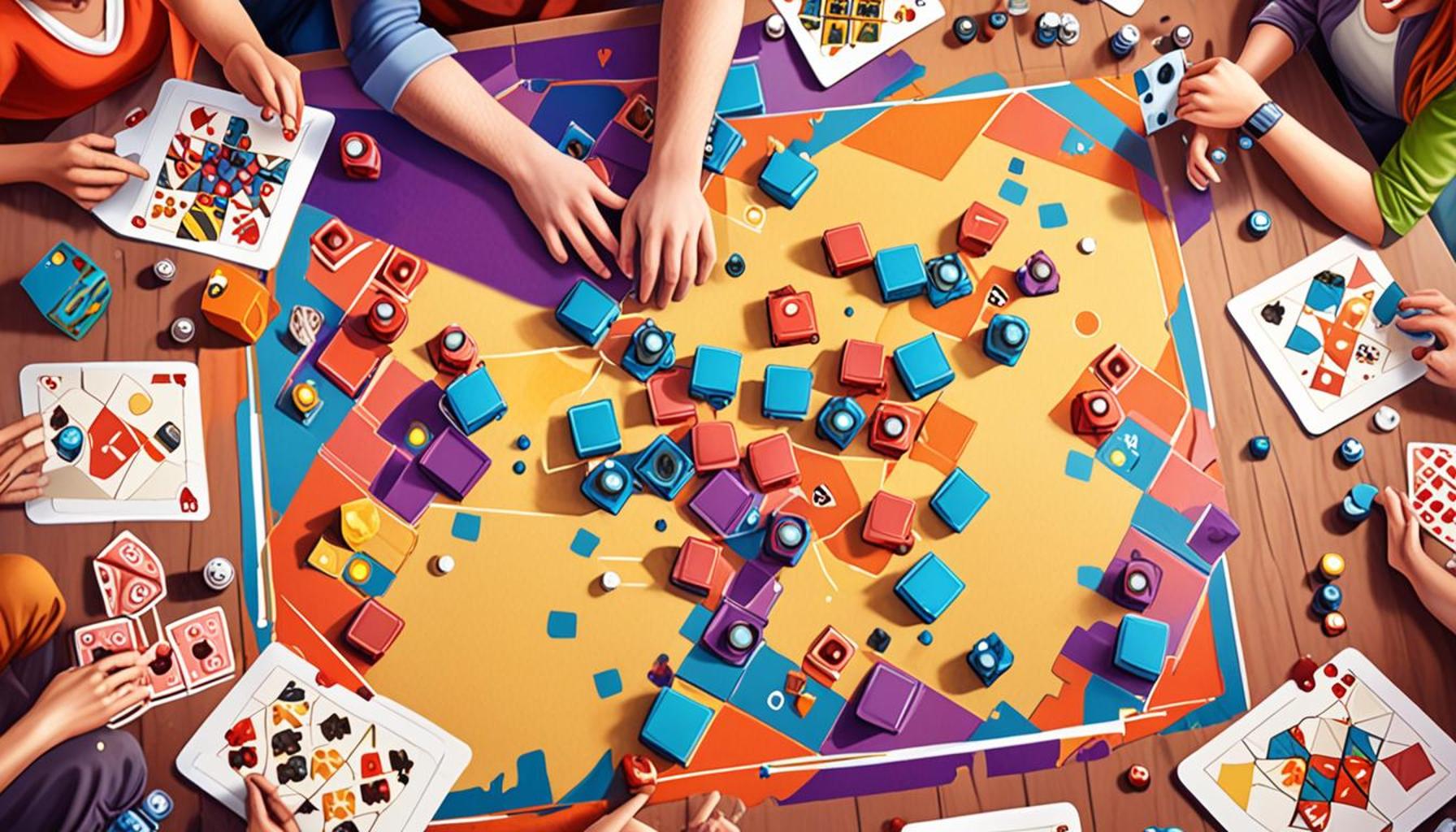
Puzzles also provide a social component that can further enhance their cognitive benefits. Collaborative puzzle-solving not only stimulates the brain but also fosters social connections. Participating in group activities, such as crossword competitions or game nights focused on logic puzzles, encourages communication, teamwork, and a shared sense of accomplishment.
This social interaction can have profound positive effects on mental health, as loneliness and isolation have been shown to increase the risk of various cognitive impairments. Engaging with friends or family while solving puzzles creates a supportive environment that can elevate mood and reduce stress levels, providing another layer of protection against cognitive decline.
Puzzles in Educational Settings
The impact of puzzles extends to educational settings, where they serve as effective learning tools. Educators often incorporate puzzle-solving into their curricula to bolster critical thinking and problem-solving skills among students. Math puzzles, logic riddles, and word challenges not only make learning fun but also help students develop a larger arsenal of cognitive skills, from analytical thinking to creative problem-solving.
Educational research has highlighted that students who engage in puzzle-solving activities often show improved performance in standardized tests, demonstrating better recall, understanding, and application of knowledge. For instance, a 2021 study revealed that elementary school students who regularly solved math puzzles scored up to 15% higher in math comprehension than their peers who did not. This indicates that the cognitive skills sharpened by engaging with puzzles can translate into academic success, making puzzle-solving a valuable educational strategy.
Additionally, technology has allowed for an expansion of puzzle types available to learners. Digital platforms offer interactive puzzle games that adapt to individual learning paces, thereby catering to diverse educational needs and preferences. This accessibility fosters a nurturing learning environment where students can thrive cognitively while having fun.
As we delve deeper into the science of puzzle-solving, it becomes increasingly evident that these logical challenges offer a multifaceted approach to enhancing brain health, fostering social engagement, and enriching educational experiences. Embracing puzzles not only sharpens our cognitive faculties but also contributes meaningfully to personal development across various life stages.
DIVE DEEPER: Click here to enhance your skills
Conclusion: The Brilliance of Puzzles
In summary, the science of puzzle solving reveals a fascinating intersection between cognitive enhancement and mental well-being. As explored throughout this article, puzzles stimulate various cognitive functions, promoting skills such as critical thinking, problem-solving, and creativity. These logical challenges not only sharpen our minds but also stand as a formidable ally against the cognitive decline often associated with aging. The growing body of evidence supporting the link between engaging in mentally stimulating activities and a robust cognitive reserve underscores the importance of incorporating puzzles into our daily lives.
Equally important is the social dimension of puzzle-solving. Collaborative activities not only foster strong community bonds but also uplift mental health, highlighting the role that social interaction plays in maintaining cognitive function. By pairing fun with learning, puzzles also hold tremendous value in educational realms, enhancing academic performance while nurturing crucial life skills.
As we continue to unravel the complexities of our brain, it becomes clear that embracing logical challenges can lead to a fulfilling and enriching life. Whether enjoyed solo or with friends, the act of puzzle-solving can transform the way we learn, connect, and maintain our mental acuity. We encourage readers to delve into this captivating world and discover the myriad benefits that await—because in the end, every puzzle solved is a step towards a sharper mind and a healthier brain.