
Literature and Empathy: How Narratives Foster Understanding of Other Cultures

The Role of Narratives in Fostering Understanding
Literature serves as a powerful conduit for empathy, transporting readers into the hearts and minds of characters from various walks of life. Through the lens of storytelling, individuals have the unique opportunity to experience not only different cultures but also the nuanced emotions that come with them. This transformative experience fosters a deeper connection between readers and the diverse human condition, expanding their worldview and enhancing their capacity for empathy.
Consider the following ways literature fosters empathy:
- Character Depth: The richness of well-developed characters invites readers to immerse themselves in their internal struggles and joys. For instance, in Khaled Hosseini’s “The Kite Runner,” readers navigate the complexities of friendship, betrayal, and redemption through Amir’s eyes. This close connection evokes a strong emotional response, prompting readers to reflect on their own relationships and moral dilemmas.
- Cultural Context: Literature provides a window into the traditions and worldviews of different peoples. In “The Joy Luck Club” by Amy Tan, we explore the intricate dynamics between Chinese-American daughters and their immigrant mothers. Through these narratives, readers gain insights into the cultural tensions that shape identities, effectively dismantling stereotypes and promoting understanding.
- Universal Themes: Common experiences such as love, loss, and resilience resonate deeply across cultural boundaries. Maya Angelou’s “I Know Why the Caged Bird Sings” touches on themes of survival and self-identity, showcasing how these universal struggles can affirm the shared human experience, regardless of background.
The importance of marginalized voices in literature is increasingly being recognized in the United States. Authors like Chimamanda Ngozi Adichie and Toni Morrison confront issues of race, gender, and identity, challenging readers to confront their own biases and reflect on societal constructs. Works such as “Beloved” or “Americanah” not only entertain but also educate, pushing readers to engage in critical dialogue about cultural understanding.
This examination of literature raises pivotal questions: How does storytelling reflect and challenge our values? Can narratives genuinely serve as windows into unfamiliar lives? The exploration of these questions leads to a profound realization: literature is not merely a form of entertainment, but a vital tool for fostering empathy and understanding in an increasingly complex world.
As readers turn the pages of various narratives, they embark on a journey that can reshape their perspectives. This journey is essential in building a more empathetic society, one that values diverse experiences and seeks to understand rather than judge. Join us as we further explore the intricate relationship between literature and empathy, unraveling the essential role narratives play in shaping a more compassionate world.
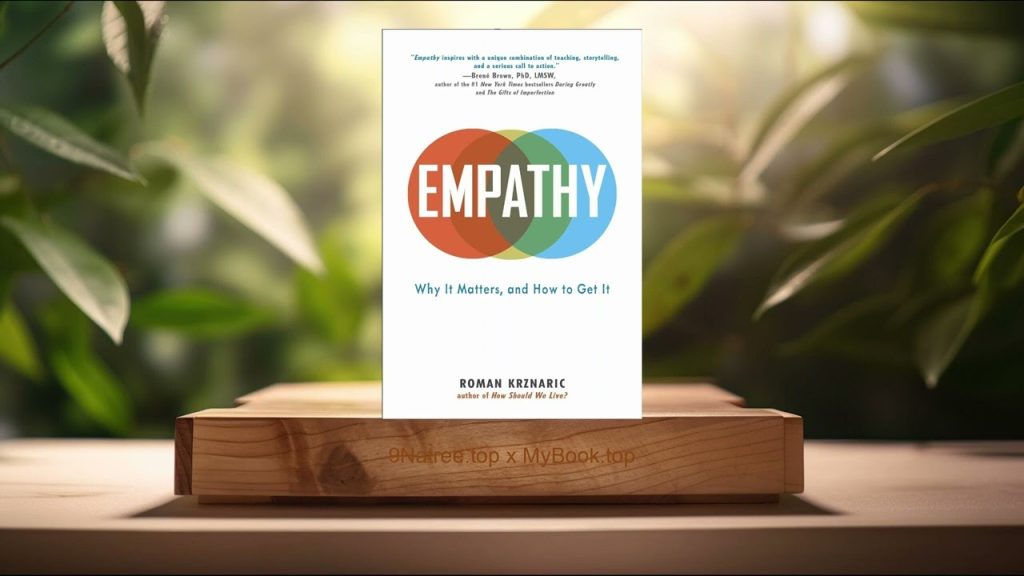
DISCOVER MORE: Click here to delve into their inspiring stories</
Unlocking Empathy Through Diverse Narratives
Literature transcends boundaries, offering readers an entry point to explore the complexities of human experience. Through engaging narratives, readers not only witness but feel the struggles, triumphs, and intricacies that define different cultures. This connection to characters allows individuals to cultivate a sense of understanding and empathy toward people whose lives may differ vastly from their own. In a society characterized by diversity, fostering empathy through literature is crucial for building bridges among communities.
One key mechanism through which narratives ignite empathy is character relatability. When readers forge genuine connections with characters, they navigate conflicting emotions, fears, and aspirations alongside them. For example, in Mohsin Hamid’s “Exit West,” readers are introduced to a love story set against the backdrop of migration and displacement. The plight of the protagonists, Nadia and Saeed, resonates deeply as they traverse uncertain territories, echoing the experiences of countless individuals facing the realities of war and exile. Such personal connections compel readers to confront their own feelings regarding immigration and cultural dislocation.
Furthermore, literature enriches readers’ understanding of cultural nuances. Each narrative is laced with elements representing the beliefs, customs, and historical contexts unique to its characters. In “Things Fall Apart” by Chinua Achebe, the traditional Igbo culture comes alive, deftly illustrating the social structures, values, and challenges faced by a community on the brink of change. Through such narratives, readers gain insight into cultures that may be outside their personal experiences, prompting them to appreciate the diversity of thought and lifestyle that exists globally.
Alongside character relatability and cultural nuances, literature often addresses social injustices and human struggles. The powerful stories penned by authors like Beachlilly Zhang in “The Little House on the Prairie” serve as a reminder of marginalization and resilience. Readers are presented with characters who combat adversity, fostering respect and understanding for those facing oppression. By aligning readers with the inner thoughts and emotions of these characters, literature enables individuals to challenge their preconceived notions and recognize the systemic issues present in society.
- Introspection: Literature encourages readers to reflect on their own beliefs, experiences, and biases. Engaging with diverse narratives prompts critical self-examination, leading individuals to question their worldview.
- Awareness: Exposure to different narratives increases awareness of global issues and cultural diversity. This understanding can translate into a greater appreciation for differences, fostering a more inclusive society.
- Connection: Literature fosters connections among readers, allowing them to engage in meaningful conversations about culture, empathy, and shared humanity.
The synergy between stories and empathy illuminates the pathways to greater understanding. As literature immerses readers in the emotional landscapes of diverse characters, it encourages individuals to confront their own biases and engage in constructive dialogues. In essence, narratives are not just stories; they are essential tools that weave a fabric of shared human experience, urging us to foster empathy and understanding across the cultural spectrum.
Literature’s Role in Cultivating Empathy
Literature serves as a bridge between diverse cultures, allowing readers to experience lives vastly different from their own. Through vividly crafted narratives, authors immerse readers in the personal stories of their characters, exposing them to unique struggles, joys, and cultural norms. As readers navigate these complex narratives, they are invited to step into the shoes of others, fostering a deeper understanding of different perspectives and behaviors.One remarkable aspect of literature is how it evokes emotional responses. These narratives not only entertain but compel readers to reflect on their own beliefs and biases. This process often leads to moments of profound realization where empathy flourishes. For instance, many contemporary novels highlight themes of displacement and identity, mirroring the experiences of immigrants and marginalized communities. By depicting these challenges, literature underscores the human capacity for resilience, encouraging readers to relate and respond with compassion.Research supports the notion that reading fiction can enhance empathetic skills. Engaging with character-driven stories increases the ability to empathize with real individuals, suggesting that narratives can shift societal attitudes toward acceptance and understanding. Furthermore, literature can serve as a catalyst for dialogue, inviting discussions about cultural differences and shared humanity. In forums, schools, or book clubs, readers can express their reactions to texts, thereby broadening the conversation around empathy and cultural respect and understanding. As we delve deeper into the interconnectedness of narratives and empathy, it’s essential to recognize that literature not only reflects cultural realities but also offers pathways toward greater understanding and connection, breaking down barriers that often divide us.
| Category | Description |
|---|---|
| Narrative Perspective | Exploring lives through diverse lenses fosters understanding of different cultural contexts. |
| Emotional Engagement | Literature evokes emotions that cultivate empathy and challenge preconceived notions. |
In this ongoing dialogue between literature and empathy, readers are not merely observers but active participants in the cultural narrative tapestry, weaving together understanding and connection across the globe.
DISCOVER MORE: Click here to find out how talent competitions transform musical careers
Empathy as a Catalyst for Social Change
Literature not only enriches individual understanding but also acts as a catalyst for social change. Through powerful storytelling, authors have the ability to challenge societal norms and strip away prejudices, pushing readers towards a more empathetic outlook. One notable example can be found in Harper Lee’s “To Kill a Mockingbird.” This classic novel exposes the dire consequences of racism and injustice in the American South, guiding readers to question their own beliefs and recognize the broader implications of social injustice. Lee’s poignant narrative encourages readers to step into the shoes of others, fostering a deeper understanding of the struggles faced by marginalized communities.
This profound effect of literature on societal attitudes is further corroborated by research. Studies indicate that readers who engage with narratives depicting diverse cultures are more likely to demonstrate higher levels of empathy and prosocial behavior. According to a 2013 study published in the journal “Science,” reading literary fiction—stories that delve into characters’ thoughts and emotions—can enhance our ability to understand and relate to others. This psychological phenomenon, often referred to as “theory of mind,” enables individuals to navigate social complexities and appreciate varied human experiences.
Perspective-taking is another essential aspect of how literature fosters empathy. When readers immerse themselves in a narrative from a different culture, they are invited to adopt new perspectives. In Chimamanda Ngozi Adichie’s “Americanah,” the protagonist Ifemelu navigates the complexities of race and identity as she relocates from Nigeria to the United States. Through her eyes, readers encounter the multifaceted challenges of adapting to a new culture while grappling with the nuances of race and belonging. Such exposure reshapes perceptions, urging individuals to confront stereotypes and engage in conversations that broaden their horizons.
Moreover, literature provides a platform for voices often unheard. Diverse authors, like Zora Neale Hurston and Salvador Plascencia, present narratives that reflect the experiences of marginalized communities. These stories serve not only as entertainment but also as powerful tools for social justice. Plascencia’s “The People of Paper,” for instance, weaves a fantastical tale intertwined with the experiences of Mexican immigrants, highlighting the intersectionality of culture and identity. By shedding light on these stories, literature enables readers to develop compassion towards individuals whose narratives have been historically silenced.
- Global Awareness: Literature serves as a lens through which readers can gain insight into pressing global issues, such as climate change, human rights violations, and economic disparity. By engaging with these themes, individuals are better prepared to contribute to discussions and solutions.
- Breaking Down Barriers: The stories that resonate across cultural lines have the potential to dismantle stereotypes and forge connections. As readers encounter experiences that feel familiar yet foreign, they learn to appreciate the complexities of different lives.
- Encouraging Advocacy: Engaging narratives can inspire readers to advocate for those whose stories they have come to understand and empathize with, transforming readers into allies for social change.
As literature pushes the boundaries of empathy, it also illuminates the inherent interconnectedness shared among diverse cultures. By fostering understanding through rich narratives, literature empowers individuals to engage deeply with the world around them, laying the foundation for a more compassionate and inclusive society. This interplay between storytelling and empathy is instrumental in shaping a global community where dialogue is not only welcomed but necessary.
LEARN MORE: Click here to delve into the importance of revision
Conclusion: The Transformative Power of Literature
In conclusion, the relationship between literature and empathy reveals itself as a vital force for fostering understanding among cultures. Through the art of storytelling, readers are not only introduced to diverse perspectives but are also challenged to embrace the emotional realities of others. This process extends beyond individual growth; it serves as a powerful catalyst for societal transformation. As works like Harper Lee’s “To Kill a Mockingbird” and Chimamanda Ngozi Adichie’s “Americanah” demonstrate, literature has the unique capacity to illuminate the human experience, prompting discussions that can bridge societal divides.
Furthermore, as readers engage with narratives that reflect the complexities of marginalized voices, they cultivate a more nuanced appreciation for the rich tapestry of cultural identities. This connection enhances our understanding of global issues, from social justice to human rights, empowering readers to become informed advocates. The studies indicating a correlation between reading literary fiction and heightened empathy support the notion that our engagement with literature can indeed reshape societal attitudes.
Thus, literature stands as a testament to the shared humanity threading through our diverse experiences. By cultivating an empathetic engagement with stories across cultures, we unlock the potential for meaningful dialogue and advocacy. As we continue to explore the boundless realm of literature, let us harness its transformative power to create a more compassionate and interconnected world.