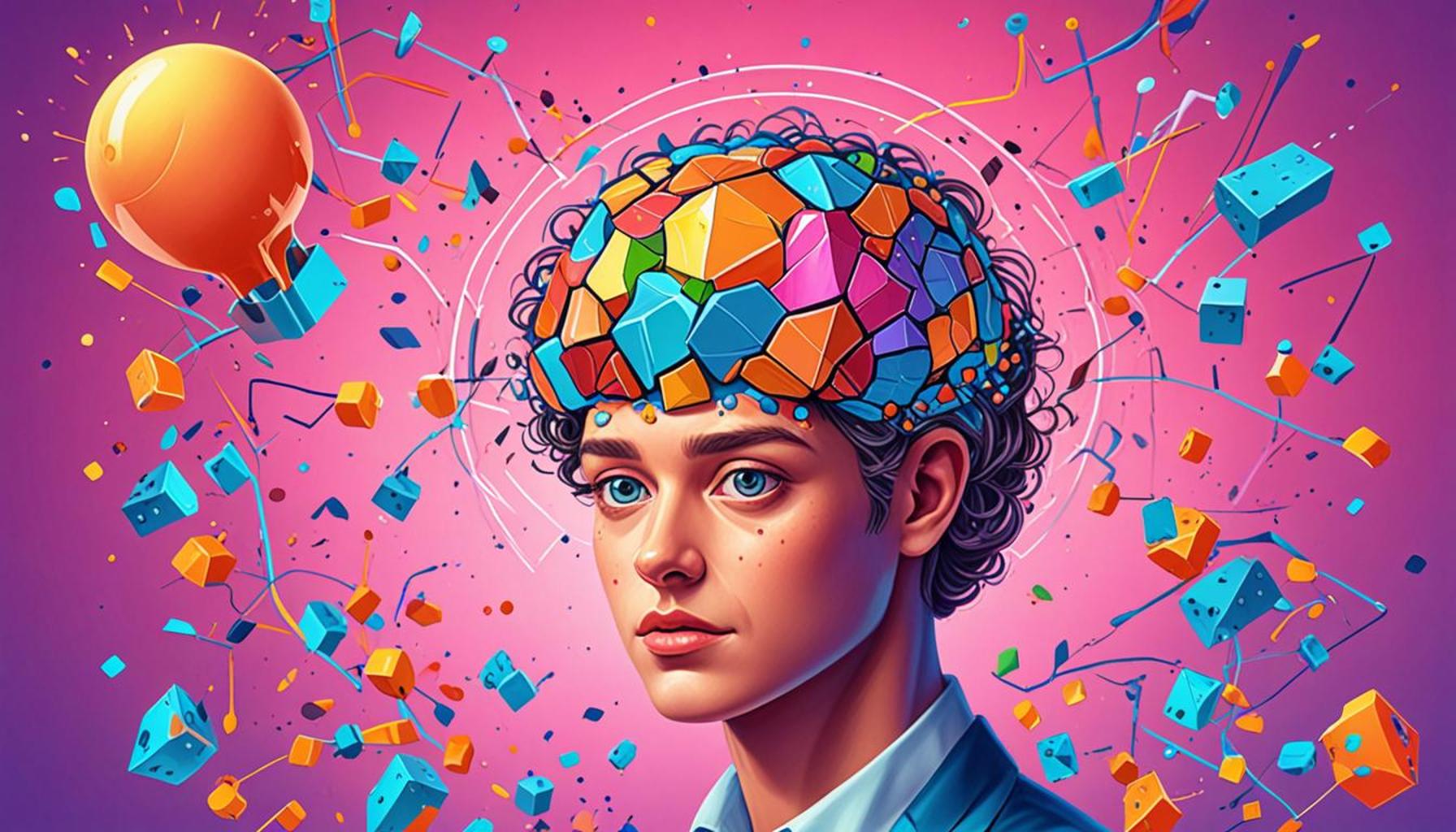
Impact of Card Games on Improving Logic and Problem Solving

The Cognitive Benefits of Card Games
Card games have long been a staple of social gatherings, appealing to individuals of all ages and backgrounds. Beyond the enjoyment they offer, these games serve as invaluable tools for enhancing logic and problem-solving skills. The intricate mix of strategy, critical thinking, and decision-making that card games demand fosters a stimulating environment for mental development.
Features Contributing to Cognitive Development
Here are some key features of card games that significantly contribute to cognitive maturation:
- Strategic Thinking: Players are often required to assess their cards, devise plans, and anticipate their opponents’ moves. For example, in games like Chess Cards or Hearts, understanding both one’s hand and the potential actions of others can determine the outcome and highlight the importance of foresight.
- Risk Management: Many card games necessitate gauging the balance between risk and reward. A prime example is Poker, where players must decide when to go all-in versus folding based on calculated judgments about their chances of winning—training them to assess situations critically in their daily lives.
- Pattern Recognition: Identifying sequences and combinations is crucial for success in numerous games, where recognizing patterns can lead to strategic advantages. In games like Rummy, spotting which cards to keep or discard becomes a nuanced skill that involves both memory and analysis.
Popular Card Games and Their Impact
Notably, games such as Poker, Bridge, and Rummy encapsulate the essence of cognitive engagement. They are not merely games of chance; instead, they emphasize complex tactical decisions and deepen players’ understanding of problem-solving dynamics. Participating in such games enables individuals to encounter various scenarios that enhance their mental acuity, demonstrating how strategic thinking and adaptability can benefit them off the table as well.
Research on Card Games and Cognitive Abilities
Research indicates a correlation between regular card game play and improved cognitive abilities. For instance, studies have shown that engaging in card games enhances players’ critical thinking skills, attention, and memory function. The focus required during a game creates an optimal setting for sharpening both analytical and creative problem-solving capabilities. As players immerse themselves deeper into the world of card games, they often find their approach to challenges transformed; skills developed during informal play can shift to formal problem-solving contexts, both in personal and professional settings.
Indeed, the psychological and neurological benefits of card games suggest they hold great potential as tools for cognitive enhancement. By exploring different games and their unique strategic demands, players can uncover new dimensions of reasoning and decision-making that are transferable far beyond the card table.
DISCOVER MORE: Click here to dive deeper
Strengthening Skills Through Gameplay
The connection between card games and enhanced cognitive abilities is not only compelling but also backed by empirical evidence. As individuals engage in various card games, they are exposed to multifaceted situations that require a blend of logic and creativity for effective problem-solving. This engagement nurtures essential skills that are vital in real-life scenarios, leading to improved decision-making capabilities.
Enhancing Logical Reasoning
One of the most significant impacts of card games lies in the enhancement of logical reasoning. Games such as Bridge and Gin Rummy demand players to think several steps ahead, analyzing both their cards and the potential strategies of their opponents. This forward-thinking approach not only consolidates a player’s ability to make deductions based on limited information but also trains them to identify and exploit weaknesses in their opponents’ strategies.
These experiences in logical reasoning can translate to several everyday situations, whether in academic pursuits, workplace challenges, or personal decision-making. By regularly practicing this form of mental exercise, players develop a mindset that embraces thoughtful analysis over impulse, enabling them to approach problems with clarity.
Fostering Adaptability and Flexibility
Card games often require players to adapt their strategies based on the evolving dynamics of gameplay. The necessity of adjusting one’s approach in response to the cards drawn and the actions of others cultivates a propensity for adaptability. For instance, a player in a game like Poker must alter their tactics continuously as new cards are revealed, necessitating the formulation of new strategies and tactics. This vital skill of adaptability not only benefits players within the context of the game but also prepares them to navigate the unpredictable nature of real-life challenges.
The Role of Social Interaction in Cognitive Growth
Moreover, engaging in card games often unfolds in a social setting, introducing an additional layer of cognitive development through social interaction. The nuances of communication in games like Hearts and Spades demand that players not only strategize but also read the verbal and non-verbal cues of others. Thisinteractive aspect enhances emotional intelligence, granting players the ability to interpret and respond to the intentions of teammates or opponents effectively.
The impact of this social dynamic can lead to strengthened interpersonal skills, including negotiation, cooperation, and conflict resolution. The ability to work collaboratively while managing competitive scenarios mirrors everyday situations where teamwork and understanding play a crucial role.
As players immerse themselves in the world of card games, they discover an interactive platform that goes beyond mere entertainment. Each deal of cards offers unique lessons in logic, adaptability, and collaboration, laying the groundwork for enhanced problem-solving abilities that resonate across various aspects of life.
| Advantages | Description |
|---|---|
| Enhanced Strategic Thinking | Card games often require players to devise and adapt strategies, enhancing their ability to think critically and make informed decisions. |
| Improved Problem-Solving Skills | Engaging in card games fosters a mindset geared towards identifying challenges and coming up with creative solutions. |
Playing card games has been shown to improve cognitive functions, including logic, reasoning, and problem-solving abilities. For instance, consider games like poker and bridge, where players are not only required to understand the rules but also to anticipate their opponents’ moves, making strategic adjustments in real-time. This interplay of decisions encourages players to develop analytical skills that extend beyond the game.Moreover, studies have indicated that regular participation in such games can lead to increased psychological flexibility and resilience. When faced with loss or unexpected twists within the game, players must adapt quickly, a skill highly beneficial in life’s unpredictable scenarios. The dynamic nature of card games not only develops mental agility but also cultivates a sense of patience and perseverance.As you dive into the world of card games, you might discover a treasure trove of experiences that significantly contribute to enhancing your logical thinking and problem-solving capabilities. This blend of fun and mental exercise makes card games a valuable tool for lifelong learning.
DISCOVER MORE: Click here to enhance your mental wellness with brain games
Beyond Entertainment: Cognitive Development Through Card Games
As the allure of card games grows, so does the recognition of their profound impact on cognitive skills that extend far beyond casual entertainment. Particularly in our fast-paced, technology-driven society, card games present an invaluable opportunity for individuals to engage their minds actively. Through the intricate layers of gameplay, players are continually honing skills that are vital in both personal and professional realms.
Strategic Thinking and Long-Term Planning
Another captivating facet of card games is the development of strategic thinking. Games such as Poker demand that players not only evaluate their own hands but also think critically about the possible actions of others. This dynamic often leads to complex scenarios where a player must weigh the risks versus rewards of various moves. For example, a savvy Poker player must calculate the odds of improving their hand while considering the likelihood of opponents bluffing or holding a stronger hand.
The necessity for long-term planning in card games translates effectively to everyday life. Whether negotiating a business deal, navigating personal relationships, or managing finances, individuals who regularly engage in strategic card play often find themselves adept at predicting outcomes and crafting effective responses to various challenges. This application of strategic thinking can be especially beneficial in careers that require strong analytical skills, such as finance, marketing, and management.
Critical Thinking and Decision Making
Card games inherently promote critical thinking as players must assess multiple variables to make informed decisions. Take the game of Rummy, for instance—players must quickly weigh the value of their current hand against the cards drawn and strategize their next moves, often while anticipating the decisions of other players. This form of cognitive processing fosters an environment where decision making becomes a calculated endeavor, encouraging players to assess evidence, make inferences, and draw conclusions based on the information at hand.
Recent studies indicate that players who regularly partake in card games showcase higher levels of decision-making prowess in real-life scenarios compared to non-players. This correlation highlights the potential for card games to be more than just leisurely pursuits; they serve as powerful tools for refining one’s ability to approach problems systematically, making it easier to arrive at logical conclusions.
The Impact on Memory and Concentration
Engaging in card games also significantly enhances memory and concentration. Many card games, such as Concentration and Pinochle, require players to remember the location of cards, strategize their moves based on prior plays, and stay focused throughout the game. These mental exercises help in sharpening memory retention and boosting cognitive endurance.
Research indicates that the act of regularly engaging with card games can lead to improved memory function as individuals age. As a practical example, many retirement communities now utilize card games as a method to stimulate cognitive abilities among seniors, illustrating not only the longevity benefits but also the therapeutic potential of such activities.
In conclusion, card games provide an interactive and engaging platform where cognitive development flourishes. Through strategic thinking, critical decision making, and improved memory, players can cultivate vital skills that enhance their problem-solving capabilities, positively influencing various other facets of their lives. The richness of their impact is a testament to the power of this age-old pastime, making card games a staple for anyone eager to nurture their intellect alongside enjoying leisure time.
DISCOVER MORE: Click here to dive deeper
Final Thoughts on the Cognitive Benefits of Card Games
In summary, the impact of card games on enhancing logic and problem solving skills cannot be overstated. These engaging activities serve as a unique blend of entertainment and mental exercise, encouraging players to refine their cognitive abilities in strategic thinking, critical decision-making, and memory retention. Players who immerse themselves in games like Poker, Rummy, or even Solitaire are not solely indulging in leisure; they are crafting a robust toolkit for navigating real-world complexities.
As evidenced by research, the cognitive skills honed through these games translate seamlessly into various aspects of daily life—from professional decision-making and negotiation to personal relationships and financial management. With the increasing recognition of the importance of mental agility in our evolving society, the therapeutic and developmental qualities of card games make them an important aspect of lifelong learning. This form of engagement fosters not just friendly competition but also a vibrant pathway for intellectual growth.
For individuals looking to boost their cognitive capabilities and problem-solving proficiency, integrating card games into their routines could be a fun and effective strategy. Moreover, communities seeking to enhance cognitive development among various age groups, particularly the elderly, will find that these games provide an enjoyable means to stimulate the mind. As we shift towards a future prioritizing cognitive health, card games stand out as a compelling option, proving time and again that they are much more than mere pastimes—they are pathways to a sharper mind and enriched problem-solving skills.