
How to Prepare Your Home for Adopting a Pet: Essential Resources and Tips
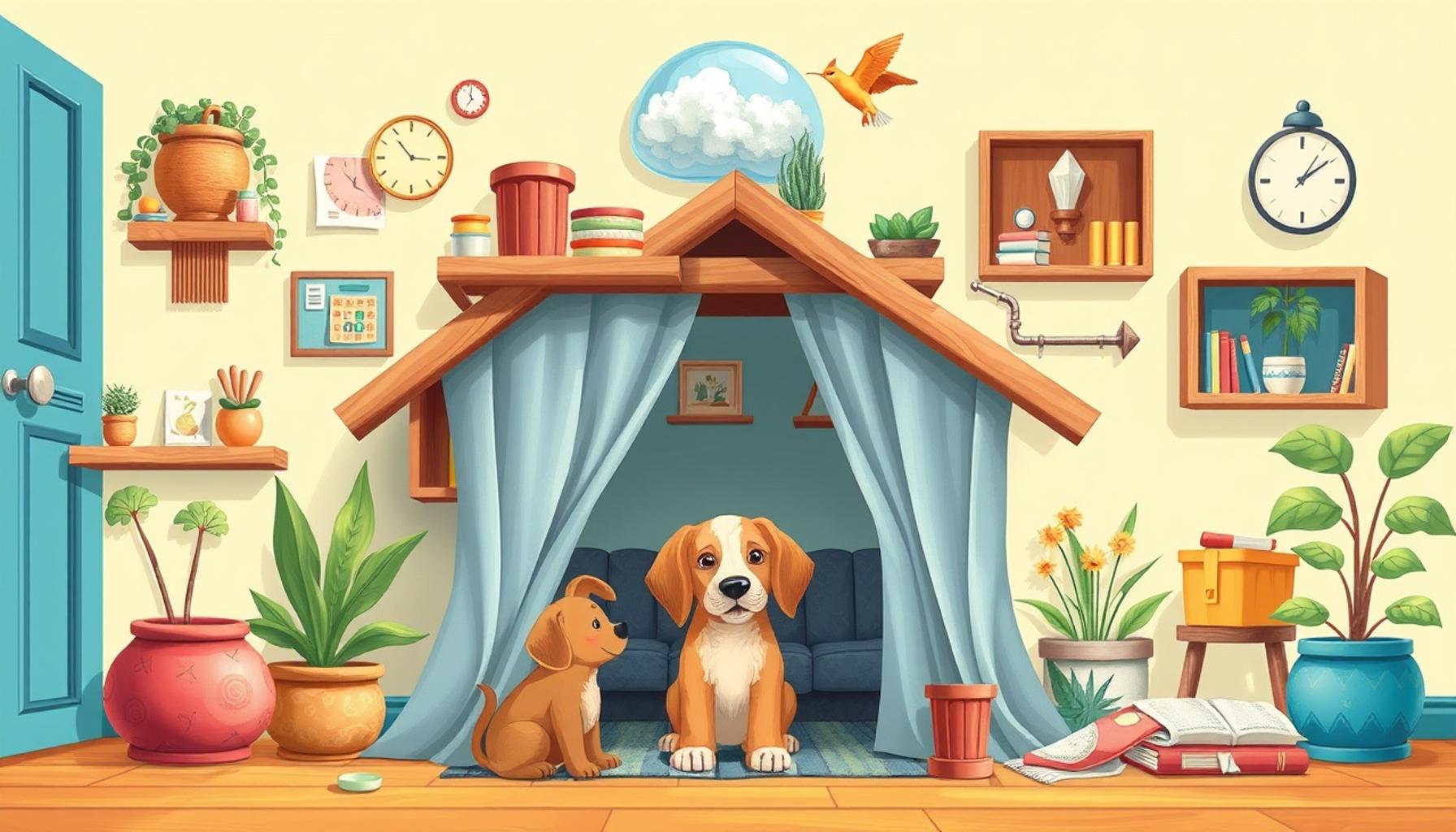
Preparing for Your New Furry Family Member
Welcoming a pet into your home is an exhilarating journey that brings boundless joy and companionship. However, this rewarding endeavor necessitates thoughtful planning and thorough preparation. A well-structured environment is pivotal for ensuring your new furry friend feels safe and nurtured, allowing them to adjust comfortably to their new surroundings.
Why Preparation Matters
Adopting a pet is a profound commitment that goes far beyond merely providing food and affection. Proper preparation sets the foundation for a harmonious relationship between you and your new companion. Thoughtful planning minimizes disruptions and creates a stable atmosphere—an essential element for helping your pet acclimate to their new life with you.
- Safety: Take a proactive approach by scouting your home for any potential dangers, such as exposed electrical cords, toxic plants, or small objects that could be swallowed. Utilizing pet-safe cleaning supplies can further ensure the well-being of your furry friend.
- Comfort: Designate a cozy space, like a corner of a quiet room with a soft bed, where your pet can retreat and feel secure. This space can be enriched with familiar items, such as toys or blankets, to help them feel at home faster.
- Behavior: Learning about your pet’s unique needs and behavior is crucial. Some pets thrive in busy environments, while others require a peaceful retreat. Understanding these preferences helps reduce stress and anxiety, enhancing their overall adjustment period.
Essential Resources to Consider
Before introducing your new friend to their forever home, it’s critical to gather the necessary resources and supplies that will support their well-being. An organized approach will benefit both you and your pet immensely.
- Food and Water Bowls: Opt for sturdy, easy-to-clean dishes that match your pet’s size and breed. For instance, elevated bowls can be more comfortable for larger dogs while smaller bowls suit kittens perfectly.
- Pet Toys: Invest in a variety of safe and engaging toys to keep your pet mentally stimulated. Chew toys, interactive puzzles, and plush playmates can cater to different interests, preventing boredom and destructive behavior.
- Vet Information: Establish a relationship with a reputable veterinarian before your pet arrives. Make sure to schedule an initial health check-up shortly after adoption, ensuring your new companion is healthy. A vet can also guide you on vaccinations, nutrition, and training techniques.
With the right preparation, your home can transition into a welcoming haven for your new pet. This thoughtful process not only strengthens your pet’s well-being but also lays the groundwork for a loving, long-term relationship. Ready yourself for this journey, and dive deeper into the vital steps required for a smooth transition in the chapters ahead!
Creating a Pet-Friendly Environment
Ensuring your home is pet-ready involves a multifaceted approach that goes beyond merely gathering supplies. It’s about fostering an environment that encourages safety, comfort, and happiness for your pet. The following essential elements can significantly enhance your home’s pet-friendliness, transforming it into a sanctuary for your new companion.

Establishing Boundaries
One of the first steps in preparing your home is to set clear boundaries. This comes into play not only for the safety of your pet but also for the well-being of your household. Consider these tips:
- Designate Areas: Identify zones in your home where your pet is allowed to roam freely. Creating ‘pet-free’ areas, such as bedrooms or home offices, can help maintain a tidy space and provide your pet with specific areas of engagement.
- Use Gates and Barriers: Baby gates can be handy for limiting access to certain rooms, especially when you need to focus on tasks or give your pet time to adapt in a quieter space.
- Utilize Crates: Crate training can offer a secure spot for your pet to relax and learn boundaries. A crate acts as a personal retreat, making your new pet feel safe and less anxious during the transition phase.
Choosing the Right Supplies
Equipping your home with the right supplies is an essential part of preparing for your new arrival. Consider the following must-haves:
- Bedding: Invest in comfortable bedding suited to your pet’s size and breed. A well-chosen bed can provide comfort and promote good sleeping habits for your furry friend.
- Leash and Collar: Don’t forget a secure collar with identification tags that include your contact information. A sturdy leash is critical for safe walks and outings.
- Litter Box or Puppy Pads: For cats, plan for a litter box placed in a low-traffic area. For puppies, having absorbent potty pads can help curb accidents while they learn appropriate bathroom habits.
These fundamental supplies are not just conveniences; they form the basis of your pet’s routine and comfort. Investing in quality items will pay off in the long run, simplifying your care process while ensuring a smoother transition.
Understanding Your Pet’s Needs
Each pet comes with unique characteristics and requirements that influence how well they adapt to their new surroundings. Engaging in research about the specific breed or species you’re adopting will empower you with knowledge to cater to your pet’s needs effectively. Consider these aspects:
- Exercise Requirements: Different breeds have varying activity levels. High-energy dogs may need regular vigorous exercise, while more relaxed breeds enjoy shorter bursts of play. Understand these dynamics to curate the ideal playtime schedule.
- Dietary Preferences: Research your pet’s nutritional needs to avoid common pitfalls, such as overfeeding or introducing unsuitable foods. Consultation with your veterinarian is invaluable here.
- Socialization Needs: Some pets thrive on human interaction and socialization with other animals, while others may be more reserved. Gradually introducing them to new experiences can help with their emotional well-being.
Preparing your home for a pet means laying the groundwork for a lifelong relationship. By creating a welcoming environment filled with the right resources, you can help your new furry friend transition smoothly, ensuring a happy and fulfilling experience for both parties.
Creating a Pet-Friendly Environment
When preparing your home for a new pet, it’s important to consider their safety and comfort. One essential step is to “pet-proof” your living space. This involves removing any hazardous items, such as cleaning supplies, small objects that could be swallowed, and toxic plants. Ensuring that your home is free from potential dangers will help create a secure environment for your new furry friend.Organizing a designated area for your pet is another key aspect. Pets need a consistent space where they can feel secure and adjust to their new surroundings. Consider setting up a cozy corner with their bed, toys, and food and water bowls. This will provide them with a comforting retreat during their transition into your home. Selecting appropriate furniture can also benefit both you and your pet. Consider sturdy, easy-to-clean materials that can withstand potential wear and tear from claws or accidents. Investing in pet-friendly furnishings will help you maintain your home’s aesthetics while ensuring it remains practical.
Gathering Essential Supplies
A well-prepared pet owner should also compile essential supplies before bringing a pet home. Key items include a suitable collar and leash, food and water dishes, high-quality pet food, grooming tools, and various toys for mental stimulation. Additionally, having a first-aid kit specifically designed for pets can provide peace of mind. Other helpful resources might include finding a trusted veterinarian in your area and researching local pet supply stores for any specific products your pet may need. Being proactive about your pet’s health and well-being from the beginning will yield long-term benefits and foster a loving and responsible pet-owner relationship.Overall, the goal is to create an inviting and safe space that accommodates your pet’s needs, helping them to thrive in their new home while enriching your life with companionship and joy.
Establishing Routines and Training
Beyond creating a comfortable environment, embracing the significance of routines and training can play a crucial role in preparing for the arrival of your pet. Just like humans, pets thrive on consistency and understanding, making it vital to establish several daily practices to ensure a smooth transition.
Developing a Consistent Schedule
Pets, especially dogs, benefit immensely from having a structured daily routine. Here are some areas to focus on:
- Feeding Times: Designate specific feeding hours and stick to them. This regularity helps your new pet know what to expect and can assist in digestion and overall health.
- Exercise and Play: Regular exercise is essential for maintaining a pet’s physical and emotional well-being. Schedule daily walks, play sessions, and designated outdoor time to provide ample opportunities for exercise. For example, if you have a high-energy breed, such as a Border Collie, plan for longer and more stimulating activities.
- Bathroom Breaks: Especially crucial for puppies, ensuring frequent bathroom breaks can help prevent accidents in the house. Regular intervals, such as every 2 to 3 hours for young pups, will aid in housebreaking efforts and establish a habit.
Implementing Basic Training
Training is not just about teaching your new pet commands; it’s also about strengthening the bond between you and your furry friend. Here are fundamental training tips to consider:
- Start with Basic Commands: Teaching commands such as “sit,” “stay,” and “come” can create a foundation for good behavior. These commands help facilitate control in various situations. Utilize positive reinforcement techniques, such as treats or praise, to encourage desired behaviors.
- Socialization: Exposing your pet to a variety of environments, people, and animals is critical in helping them become well-adjusted. Regular visits to pet-friendly parks or integrating them into family gatherings can promote positive interactions.
- Professional Training Classes: If you’re unsure about handling training yourself, consider enrolling in professional classes. Not only will these classes boost your pet’s learning, but they can also provide guidance for you as a pet owner.
Preparing for Health Care
Another cornerstone of pet preparedness includes addressing your new companion’s health needs. A proactive approach to health care can pave the way for a long and healthy life. Here are a few steps to consider:
- Locate a Veterinarian: Research and visit local veterinarians before your pet arrives. A good vet should align with your expectations regarding care, and establish a routine for vaccinations, check-ups, and any necessary preventative treatments.
- Pet Insurance: While it may seem an added expense, pet insurance can serve as a financial safety net. Assess different policy options to find a plan that offers the coverage you feel comfortable with, including accidents, illnesses, and even routine care.
- Emergency Preparedness: Familiarize yourself with local emergency veterinary clinics and have a first aid kit specifically for pets. Quick access to medical assistance can be lifesaving in unexpected situations.
By prioritizing habits, training, and health care, you create a solid foundation for integrating your new pet into your home. A well-planned approach not only enhances your pet’s quality of life but also enriches the joyful experiences that accompany pet ownership.
Conclusion
In conclusion, preparing your home for adopting a pet is a multifaceted endeavor that requires thoughtful consideration and proactive planning. From creating a welcoming environment and setting up essential supplies to establishing routines and prioritizing health care, each step plays a crucial role in facilitating a successful transition for both you and your new furry companion.
Understanding the importance of routines cannot be overstated. By implementing a consistent schedule for feeding, exercise, and bathroom breaks, you foster a sense of security that allows your pet to thrive. Furthermore, training is more than just commands; it is an avenue for building a lasting bond, ensuring your pet’s well-being, and promoting good behavior through positive reinforcement.
Equally significant is your commitment to your pet’s health. Selecting a reliable veterinarian, considering pet insurance, and being prepared for emergencies are essential aspects that will contribute to a long, happy life together. Remember, taking these initial steps not only sets a strong foundation for your pet’s adjustment period, but also enhances the joy of pet ownership.
As you embark on this fulfilling journey, equipping yourself with the right resources and knowledge can help navigate the challenges that come with introducing a new member to your family. Embrace this adventure, and in doing so, you will gain more than just a pet; you will cultivate a loyal companion who enriches your life in countless ways.