How Riddles and Brain Teasers Foster a Sense of Accomplishment and Relaxation

The Benefits of Engaging with Riddles and Brain Teasers
The world of riddles and brain teasers opens doors to a realm where creativity and logic intertwine. This rich tapestry of mental exercises not only captivates our imagination but also serves as a crucial tool for personal development. Engaging with these mental puzzles can lead to a profound sense of achievement and tranquility. Here’s how they can positively impact our lives:
- Boost Cognitive Skills: Solving riddles challenges the brain by stimulating critical thinking and enhancing problem-solving abilities. For instance, riddles often require lateral thinking, pushing individuals to approach problems from unconventional angles. This practice sharpens analytical skills, making one more adept in various real-life situations, from professional scenarios that demand ingenuity to academic pursuits requiring sharp reasoning.
- Reduce Stress: Engaging with riddles offers a much-needed mental escape. When faced with a tricky question or a complex puzzle, the mind redirects its focus away from daily worries, promoting relaxation and a meditative state. Studies have shown that such cognitive engagement can lower cortisol levels, allowing individuals to experience a brief sanctuary from stressors.
- Enhance Confidence: Successfully deciphering a riddle or solving a brain teaser is an intrinsically rewarding experience. This fosters a boost in self-esteem, as the sense of accomplishment gained from overcoming a challenging puzzle invigorates confidence. A simple act of solving a riddle can be a powerful motivator, encouraging individuals to tackle even larger challenges in their personal and professional lives.
Riddles and brain teasers have been embraced across generations, cherished for their ability to engage individuals in a delightful yet stimulating manner. These activities encourage creativity and sharpen the mind, making them perfect for individuals seeking both challenge and enjoyment.
In the United States, this engagement has become a beloved pastime. Riddles feature prominently in classrooms, family game nights, and even casual interactions on social media, where countless riddle pages attract a large following. Consider the classic riddle, “What has keys but can’t open locks?”—the answer, a piano, invites players into a world of wordplay and imagination.
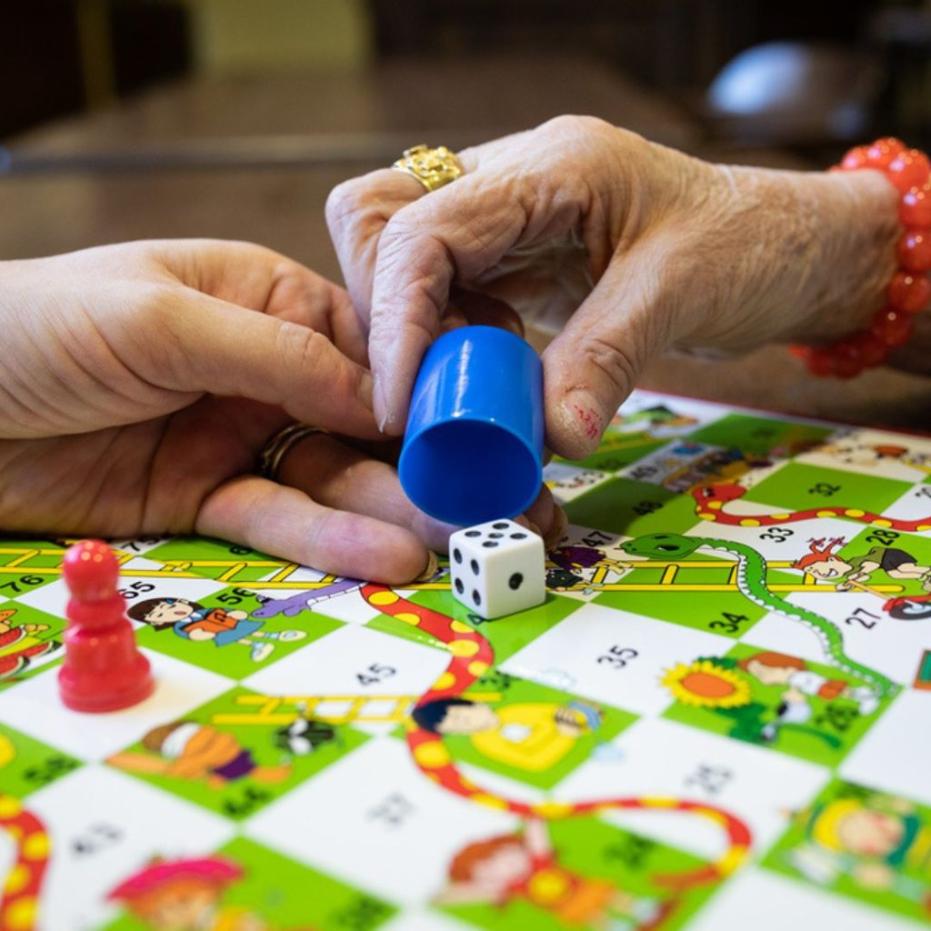
The universal appeal of riddles resonates with diverse audiences, inviting enthusiasts to dive deeper into the realms of logic and creativity. As individuals share and solve these puzzles, communities are formed, and a collective sense of achievement blooms. Collaborative riddle-solving can foster camaraderie, unity, and shared joy among peers, family, and friends.
As we delve into the fascinating relationship between riddles, brain teasers, and our mental well-being, prepare to uncover the myriad ways in which these challenges not only entertain but also rejuvenate the spirit. Whether you are a seasoned puzzle solver or just beginning your journey, there’s a world of riddles waiting to stimulate your mind and bring a sense of joy into daily life.
DISCOVER MORE: Click here to enhance your cognitive skills
A Deep Dive into the Cognitive Benefits
Engaging in riddles and brain teasers can initiate a captivating interplay of emotions, achievements, and improvements in cognitive function. These activities are more than mere entertainment; they provide a myriad of mental health benefits that extend well beyond the moment of problem solving.
One of the most significant advantages of engaging with riddles is their ability to enhance cognitive skills. As participants wrestle with abstract concepts and tricky questions, they activate various areas of the brain that foster creativity and reasoning. For example, the process of decoding a riddle often involves recognizing patterns, making inferences, and employing logic. These skills are valuable not only for solving puzzles but also for navigating everyday life. Research has indicated that frequent engagement with challenging mental activities can lead to a sharper memory, improved focus, and enhanced cognitive flexibility.
Moreover, the practice of solving brain teasers can serve as effective stress relief. When individuals confront a challenging puzzle, the brain enters a state of focused engagement that helps to mitigate stress. The act of concentrating on a riddle allows a temporary reprieve from life’s pressures, much akin to meditation. This redirection of mental focus can reduce feelings of anxiety or overwhelm, creating a peaceful mindset. Notably, numerous studies underline the importance of such cognitive distractions, highlighting that uplifting activities can actively contribute to lower levels of stress hormones like cortisol.
Additionally, solving riddles offers a distinct sense of accomplishment. The euphoric feeling that accompanies deciphering a complex puzzle can ignite confidence and motivation. In fact, overcoming a difficult riddle can evoke challenges akin to those experienced in everyday life. This sense of achievement encourages individuals to take on further challenges, cultivating a growth mindset. As individuals share their successes with peers—perhaps at a local coffee shop during a casual meeting—this triumph can ripple outward, fostering a supportive community of problem-solvers.
Consider incorporating riddles into your daily routine. Not only can they serve as a fun pastime, but they can also become a meaningful practice in enhancing your mental well-being. Here are a few simple ways to start:
- Daily Riddle Challenges: Set aside a few minutes each day to tackle a riddle or brain teaser. This daily practice can become a refreshing ritual.
- Group Sessions: Organize gatherings with family and friends to share and solve riddles together. Collaborative problem-solving boosts social connections and reinforces community support.
- Diverse Platforms: Explore various online platforms and apps dedicated to riddles. By using technology, puzzlers can access a vast library of challenges.
As this article unfolds, we will explore further how the fusion of accomplishment and relaxation can transform our mental landscapes, making room for greater creativity and happiness in our lives. Understanding the psychological and emotional benefits of engaging with riddles gives us the tools to enhance not only our intellect but also our well-being.
Exploring the Power of Riddles and Brain Teasers
Riddles and brain teasers serve as remarkable tools for enhancing cognitive functions while providing a much-needed escape from daily stressors. Engaging in these mental challenges not only stimulates the brain but also reinforces a sense of accomplishment as individuals successfully arrive at solutions. This feeling of success boosts self-esteem and encourages further engagement with puzzles, creating an ongoing cycle of achievement and relaxation.When individuals solve riddles, they engage in critical thinking and problem-solving skills. These activities are crucial for mental sharpness and can aid in stress reduction. The joy of deciphering a particularly challenging puzzle contributes to a heightened sense of mental clarity, further enhancing one’s ability to unwind and destress. It’s no wonder that many people turn to such brain teasers during their leisure time.Moreover, the act of contemplating various riddles or brain teasers serves as a rewarding mental exercise. It distracts individuals from everyday burdens, offering a playful escape into a world of creativity and curiosity. By prioritizing fun and thought-provoking activities, one can navigate through feelings of anxiety and tension, often finding a greater state of relaxation once the riddle is solved.
Benefits Beyond the Surface
Research indicates that regular engagement with such mental challenges can have long-term benefits for cognitive health. Not only do they enhance overall mental agility, but they might also contribute to improved memory retention and a decrease in cognitive decline as one ages. Thus, introducing riddles and brain teasers into daily routines could be a simple yet effective method of fortifying mental well-being.By fostering a routine that integrates these enjoyable challenges, individuals can experience an uplifting transformation in their daily lives. The resulting boost in mood and mental capacity promotes a holistic sense of relaxation, providing not just a momentary respite but a durable tool for lasting peace. As the fascination with riddles continues to grow, exploring their potential impacts offers a treasure trove of possibilities for self-improvement and joy. Engaging with these tools not only serves a recreational purpose but also cultivates lasting benefits in both mental productivity and emotional health.
DIVE DEEPER: Click here to uncover more insights
Unlocking Emotional Resilience through Problem-Solving
Beyond enhancing cognitive abilities, riddles and brain teasers significantly contribute to emotional resilience. Engaging with these puzzles can cultivate a mindset that not only embraces challenges but also views setbacks as learning opportunities. This perspective shift is crucial, particularly in a fast-paced world laden with pressures. When individuals solve a riddle, they experience a microcosm of overcoming adversity—an essential life skill. The structured nature of riddles allows individuals to practice emotional regulation and persistence in a low-stakes format, making it easier to apply these skills in daily life.
One notable emotional benefit of solving riddles is their ability to enhance mood and motivation. The fulfillment that follows the successful resolution of a puzzle can trigger the release of dopamine, often referred to as the “feel-good” neurotransmitter. This experience not only reinforces the desire to engage with similar cognitive challenges but can also uplift overall spirits, creating a positive feedback loop. In fact, studies have shown that activities stimulating mental function can lead to lower rates of depression and anxiety. Adding riddles to daily routines can hence act as a natural mood booster.
Another effective aspect of riddles is their capacity to foster social interaction. Solving puzzles in groups encourages communication and collaboration. This interactive component is especially vital in communities where isolation can lead to feelings of despair. Organizing riddle competitions or group problem-solving activities can create stronger social bonds among participants, transforming riddle-solving into a community endeavor that enhances social cohesion. Sharing the thrill of cracking a tough riddle can unite people, fostering friendships and networks that provide emotional support.
Furthermore, embracing riddles as a regular practice can contribute to an enhanced sense of mindfulness. When solving these brain teasers, individuals often enter a state of flow, characterized by total immersion in the task at hand. This state is akin to meditation, where distractions fade away, and the mind can center itself on one specific challenge. Engaging in mindfulness through riddles can improve overall well-being by allowing individuals to step back from their worries and approach challenges from a calmer place. Techniques such as breathing exercises before tackling a riddle can further enhance this experience, helping to ground individuals in the present moment.
To integrate this mindful approach effectively, here are a few strategies:
- Set the Scene: Create a quiet and comfortable space for riddle-solving, free from distraction. This can help cultivate an environment conducive to focusing your mental energy.
- Timed Challenges: Introduce time limits when solving riddles to replicate pressure scenarios without the negative consequences of real-life challenges. This can enhance your ability to perform under stress and improve decision-making.
- Mindfulness Journaling: After solving riddles, take a moment to jot down feelings and insights. Reflecting on emotional responses can deepen self-awareness and improve emotional intelligence over time.
As the benefits of riddles and brain teasers become ever clearer, it is evident that they serve as more than just pastimes. They are profound tools for fostering a sense of accomplishment and relaxation while simultaneously building emotional resilience. As we delve deeper into this topic, we will continue to explore how these activities can enrich our lives holistically, paving the way for greater mental fortitude and happiness.
DISCOVER MORE: Click here to enhance your skills
Conclusion: Embracing the Power of Riddles and Brain Teasers
Incorporating riddles and brain teasers into our daily lives offers much more than mere entertainment; they serve as a vital resource for enhancing cognitive abilities and fostering emotional well-being. As we have explored, engaging with these puzzles cultivates a robust sense of accomplishment, reinforcing our motivation while simultaneously promoting relaxation through moments of focused mindfulness. The act of solving a riddle mirrors the emotional journey of overcoming challenges, thus building resilience that can be applied beyond the realm of puzzles.
Moreover, the social aspect inherent in group riddle-solving nurtures connections among participants, combating isolation and enriching community ties. This dynamic interaction can be beneficial in a society where social withdrawal is prevalent. The shared excitement of cracking a riddle not only creates bonds but also cultivates a supportive network that encourages collective growth and emotional stability.
Furthermore, the act of riddling allows individuals to practice emotional regulation in a controlled environment, making it easier to navigate real-world pressures with a more composed demeanor. By regularly engaging in these thought-provoking activities, people can improve their mental health, boosting mood and diminishing feelings of anxiety and depression.
In conclusion, as we continue to explore the multifaceted benefits of riddles and brain teasers, we uncover a profound tool for enhancing our quality of life. Whether you are looking to sharpen your problem-solving skills, cultivate emotional resilience, or simply enjoy a moment of relaxation, embracing the world of riddles and brain teasers can pave the way for a more fulfilling and balanced existence. So, why not indulge in a riddle today? The rewards may be more significant than you think.