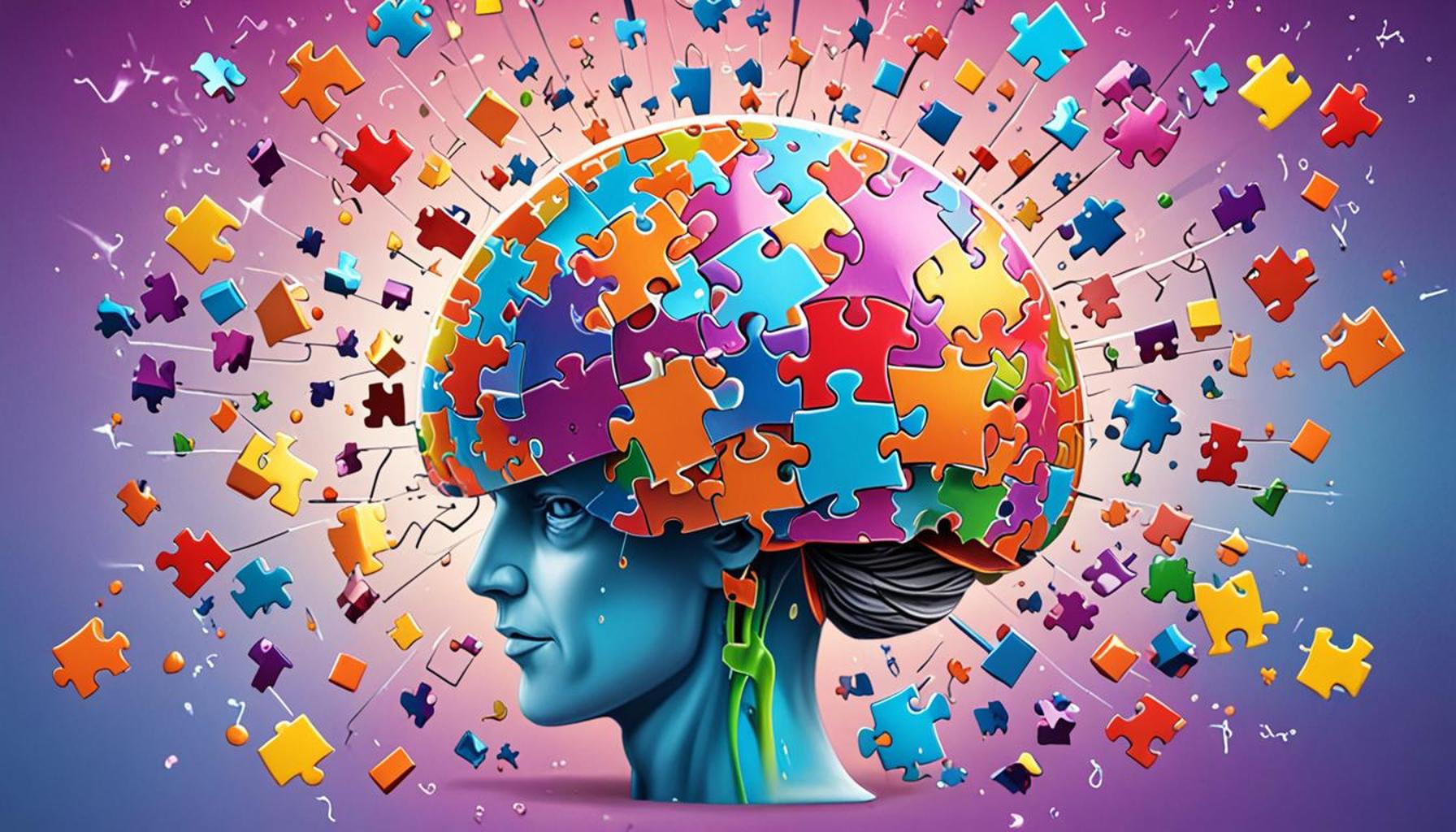
How reasoning games help improve problem-solving skills in everyday life

Unlocking Cognitive Potential through Engaging Activities
In the modern landscape, where the tempo of life can often feel overwhelming, the capacity to navigate problems effectively emerges as a crucial skill. Amidst the plethora of distractions vying for attention, reasoning games stand out as a refreshing method to enhance mental acuity. These interactive challenges serve not merely as a source of entertainment but also as a channel through which players cultivate vital skills that can be applied across various aspects of life.
Let’s delve deeper into the advantages of incorporating reasoning games into your routine:
- Critical Thinking: Through playing reasoning games, individuals learn to break down complex situations into manageable parts. An example of this can be seen in games like chess, where players must consider various potential moves and their consequences, honing their ability to analyze multiple scenarios before making a decision.
- Logic and Deduction: Many reasoning games are designed to challenge players’ logical reasoning abilities. For instance, in Sudoku, players must deduce the placement of numbers based on existing clues, enhancing their logical reasoning skills in a structured environment.
- Creativity: Engaging in problem-solving often requires thinking outside conventional limits. Puzzles like the Rubik’s Cube not only challenge players to restore order but also expand their creative thinking by forcing them to visualize solutions from different perspectives.
Extensive research suggests that consistent engagement with these brain-teasers leads to profound enhancements in how individuals tackle everyday challenges. This active practice can develop cognitive flexibility, allowing people to adapt to rapidly changing circumstances with greater confidence and ease.
A diverse selection of reasoning games is readily available, spanning from traditional board games like Scrabble and Logic Puzzles to contemporary mobile applications designed with entertaining mechanics. Platforms such as Lumosity and Elevate offer tailored exercises that track cognitive progress over time, making the journey of growth engaging and measurable. With options easily accessible, anyone can transform mundane problem-solving tasks into exciting, rewarding adventures.
Moreover, incorporating these games into your leisure time can have far-reaching implications, enhancing decision-making skills both personally and professionally. As you experiment with various reasoning games, you’ll likely notice not just improvement in game performance but also a more strategic and thoughtful approach to everyday challenges. Ultimately, embracing these mental workouts could serve as a tool that empowers you to navigate life’s complexities with newfound clarity and confidence.
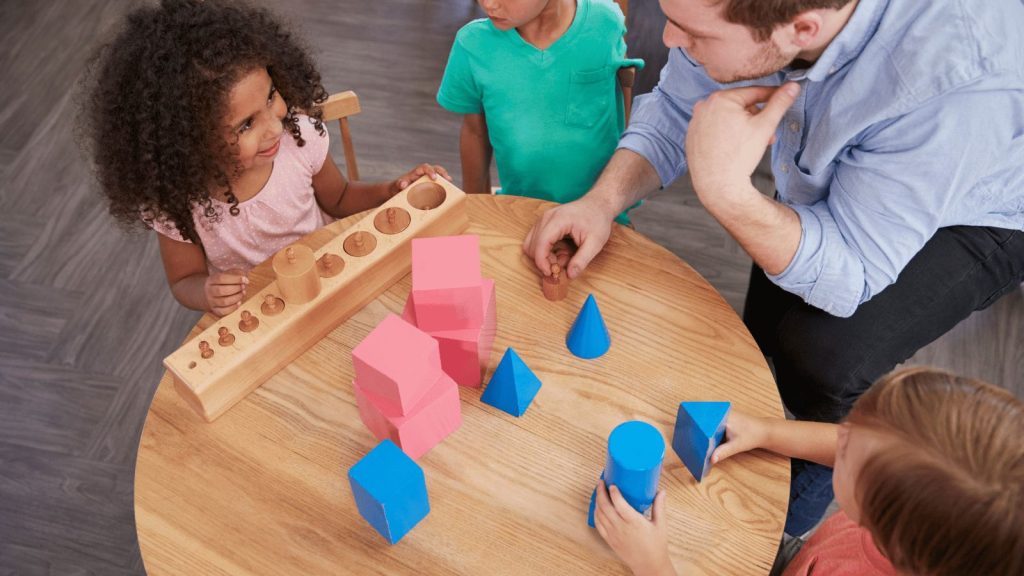
DIVE DEEPER: Click here to discover more
Enhancing Everyday Decision-Making Through Reasoning Games
In an age where decision-making skills are increasingly paramount, reasoning games have emerged as invaluable tools for enhancing cognitive functioning. These games offer an engaging way to train the brain, fostering the kind of mental agility required in both personal and professional settings. By challenging players to think critically and logically, reasoning games create an environment conducive to developing strong problem-solving abilities.
Real-Life Applications of the skills cultivated through reasoning games can be seen in various scenarios. Whether navigating workplace dynamics, managing personal finances, or even resolving interpersonal conflicts, the ability to assess problems effectively can lead to better outcomes. For instance, individuals who engage with games such as Sudoku or chess find themselves applying similar deductive reasoning and strategic planning skills when faced with challenges in their daily lives.
Furthermore, reasoning games enhance cognitive flexibility, a crucial component of problem-solving that enables individuals to adapt their thinking when confronted with new information. This adaptability is invaluable in dynamic environments, whether in project management, navigating unexpected obstacles, or even negotiating terms in personal relationships. As players switch strategies to succeed in their games, they inadvertently train themselves to approach real-world issues from multiple angles, embracing innovative solutions.
To illustrate the impact of reasoning games on problem-solving skills, consider the following benefits:
- Increased Focus: Engaging with challenging puzzles helps strengthen concentration. As players devote time to solving intricate problems, they train their attention spans, which is beneficial in both work and life situations that require prolonged focus.
- Patience and Persistence: Reasoning games often require repeated trials to achieve success. This perseverance nurtures resilience, an important trait when tackling life’s ups and downs. Many individuals find that the patience developed while playing directly translates to their ability to face setbacks with a calmer mindset.
- Collaborative Skills: Many reasoning games can be played in groups, fostering teamwork and communication. Working together to solve problems in a game setting translates to improved collaboration in the workplace or social circles.
Research supports the notion that indulging in reasoning games can lead to tangible improvements in problem-solving. Studies have demonstrated that regular engagement with these activities stimulates various regions in the brain associated with critical analysis and cognitive processing. This boost in cognitive health not only enhances problem-solving abilities but also contributes to overall mental well-being.
As you become immersed in these games, the benefits extend beyond mere enjoyment. You may find a noticeable shift in how you approach daily tasks and challenges. Whether it’s sifting through complex work projects or untangling personal dilemmas, the skills honed through reasoning games equip you to tackle life’s unpredictable challenges with confidence and creativity.
| Advantages of Reasoning Games | Application in Daily Life |
|---|---|
| Enhances Analytical Thinking | Reasoning games foster critical assessment of various situations and allow players to analyze their choices effectively. |
| Boosts Creativity in Problem Solving | Players are encouraged to think outside the box, leading to inventive solutions during everyday challenges. |
| Improves Decision-Making Speed | Frequent engagement with reasoning games sharpens quick thinking, which aids in making timely decisions in real-life scenarios. |
| Encourages Collaboration | Playing strategy-based games with others enhances teamwork and communication skills, essential in daily interactions. |
Reasoning games are not just fun; their advantages extend deeply into enhancing everyday life skills. Engaging with these games promotes a powerful blend of cognitive abilities that are crucial in today’s problem-solving environments. For instance, challenges presented in such games often simulate common obstacles one might face, providing players with strategies that can be utilized in real-world situations. By weaving these cognitive exercises into routines, one can greatly enhance their ability to navigate daily complexities with confidence and efficiency. Through the lens of reasoning games, players discover a rich avenue of learning that impacts both thought processes and practical applications in their personal and professional lives.
LEARN MORE: Click here to discover the benefits of memory games
Building Strategic Thinking and Analytical Skills
One of the most striking advantages of reasoning games is their power to nurture strategic thinking. In the realm of problem-solving, strategy is not merely about finding a quick solution but rather involves anticipating possible outcomes and planning several steps ahead. Games like Settlers of Catan and Risk require players to think several moves beyond their current position, enhancing foresight and long-term planning. These attributes are invaluable when faced with decisions that have significant consequences, such as investing in a new business venture or contemplating a major life change.
Moreover, the analytical skills developed through reasoning games translate seamlessly into everyday challenges. Players often find themselves breaking down complex problems into manageable components while competing. For example, a player might solve a challenging Sudoku by analyzing number placements strategically, considering potential moves for each number, and eliminating impossibilities. This analytical mindset can be applied to various real-life scenarios, from troubleshooting issues with household appliances to diagnosing problems with a vehicle. The methodical approach acquainted with reasoning games enriches an individual’s capacity to dissect problems and devise effective solutions.
In addition to enhancing strategic thinking and analytical skills, reasoning games promote a healthy attitude toward failure. Failure is an integral aspect of problem-solving, and games provide a safe context for individuals to experience setbacks. As players encounter obstacles in their gameplay, they learn the value of reflection and adaptation. This process fosters a mindset that embraces trial and error, allowing individuals to experiment with multiple approaches in everyday situations. For instance, someone grappling with a tough decision might draw from their game-playing experiences, testing various solutions before settling on the most effective one.
Furthermore, reasoning games foster an environment where players continually assess and recalibrate their strategies based on their opponents’ actions. This element of competition sharpens both observational skills and the ability to respond swiftly to changing scenarios—a critical facet of real-life problem-solving. The capacity to read social cues or evaluate competitor behavior in a game can parallel an individual’s ability to interpret body language or assess verbal cues in a work environment, which is essential for building successful professional relationships.
In contemporary society, where the ability to process information quickly is paramount, reasoning games contribute to cognitive improvements that extend beyond the playing field. Research indicates that regular engagement with games that require critical thinking can bolster cognitive functions such as memory, reasoning, and visual-spatial processing. These enhanced abilities not only support effective problem solving but also allow individuals to navigate the complexities of daily life more adeptly.
The intersection of reasoning games and problem-solving skills extends to educational contexts as well. Many educators utilize logic puzzles and brain teasers to cultivate critical thinking in classrooms, laying the groundwork for skills students will harness throughout their lives. These games harness learners’ intrinsic curiosity and translate abstract concepts into engaging challenges, making learning more relatable and effective.
DISCOVER MORE: Click here to enhance your memory and focus
Conclusion: Embracing the Value of Reasoning Games
In an era where critical thinking and effective problem-solving are vital life skills, reasoning games emerge as invaluable tools that enhance these capabilities in engaging and enjoyable ways. Through strategic play, individuals enhance their ability to anticipate outcomes and develop foresight, skills that translate seamlessly into financial decisions, career choices, and personal dilemmas. The construction of analytical skills encapsulated in gameplay empowers players to deconstruct complex issues and approach challenges methodically.
Recognizing failure as a learning opportunity is another essential takeaway from reasoning games. This mindset allows players to cultivate resilience and adaptability, enabling them to tackle real-life decisions with greater confidence and creativity. The competitive nature of these games sharpens observational skills and fosters a dynamic approach to interpersonal interactions, equipping individuals with the ability to respond effectively in diverse situations, from professional settings to social gatherings.
Beyond cognitive improvement, reasoning games are becoming increasingly integrated into educational frameworks, promoting a love for learning while building critical skills. As we continue to navigate a world filled with complexities and uncertainties, engaging in reasoning games can serve as a stimulating and productive practice for enhancing our problem-solving toolkit. By investing time in this playful yet profound pursuit, individuals not only empower themselves but also pave the way for more thoughtful and effective decision-making in every aspect of their lives.