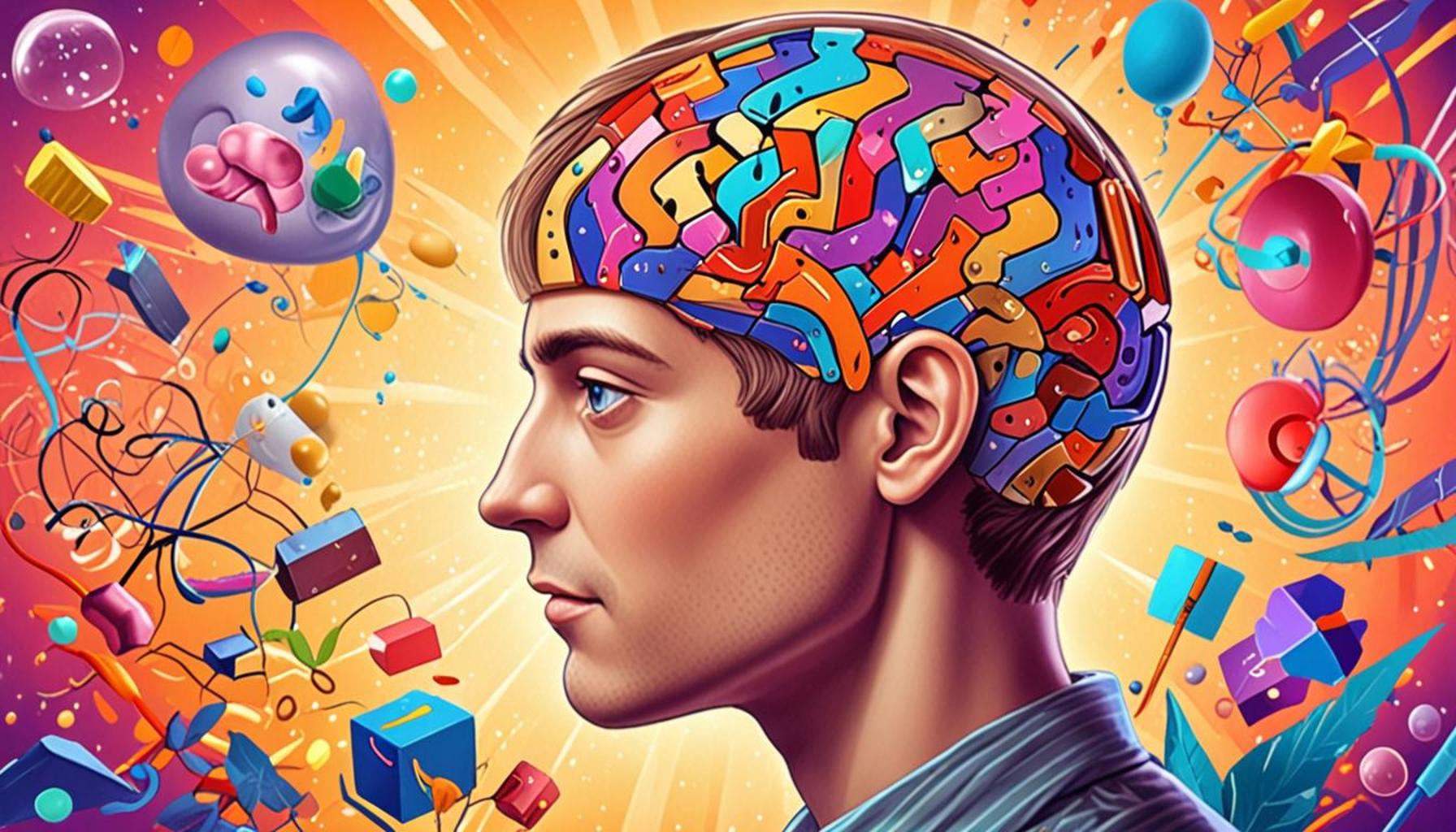
How puzzles and reasoning games can stimulate neuroplasticity and improve memory in young people

The Transformative Power of Puzzles and Reasoning Games
Puzzles and reasoning games are not just engaging pastimes; they are instrumental in enhancing cognitive function. Scientific research underscores the connection between these activities and neuroplasticity, the brain’s inherent ability to reorganize itself by forming new neural connections throughout life. This neuroplasticity is particularly significant during formative years, as it supports crucial cognitive development, strengthens essential skills, and boosts memory retention in young people.
Integrating puzzles and reasoning games into everyday activities can yield a myriad of cognitive benefits that can transform learning experiences. Here are some of the most compelling advantages:
- Enhanced Problem-Solving Skills: Engaging with challenging puzzles hones analytical thinking and equips individuals with innovative problem-solving capabilities. Whether it’s breaking down complex logic puzzles or strategizing in games like chess, players learn to dissect problems and evaluate multiple solutions, essential skills in academic and professional realms.
- Memory Improvement: Regular engagement with cognitively demanding tasks such as crossword puzzles, Sudoku, or memory games can significantly enhance both recall and retention abilities. A study by the University of California revealed that older adults who engaged in regular puzzle-solving demonstrated better memory function compared to their peers who did not participate in such activities.
- Increased Focus and Concentration: These activities necessitate sustained attention and mental stamina. Consequently, they can help individuals improve their overall concentration levels, which is paramount in academic settings. The ability to focus without distraction can lead to better productivity and success in schoolwork.
Statistics support the idea that frequent participation in mental games correlates with improved academic outcomes. Adolescents who dedicate time to engaging in such activities frequently score higher on standardized tests and demonstrate a better grasp of complex subjects. Additionally, cutting-edge studies suggest a direct correlation between cognitive gameplay and the formation of new neural pathways, underscoring that young individuals can enhance their learning potential and memory capabilities through strategic engagement in these activities.
As we explore the profound implications of incorporating puzzles and reasoning games into the daily lives of young learners, it becomes indisputable that these enjoyable cognitive challenges can fundamentally alter how young minds think, learn, and remember. By fostering a playful approach to problem-solving, we can lay the groundwork for improved mental agility—encouraging curiosity and a love for learning that extends far beyond the classroom.
In conclusion, the right kind of play transforms intellect, offering young people the tools they need to thrive in an increasingly complex world. Unlock your cognitive potential and discover the lasting benefits of puzzles and reasoning games—it’s a journey worth taking!
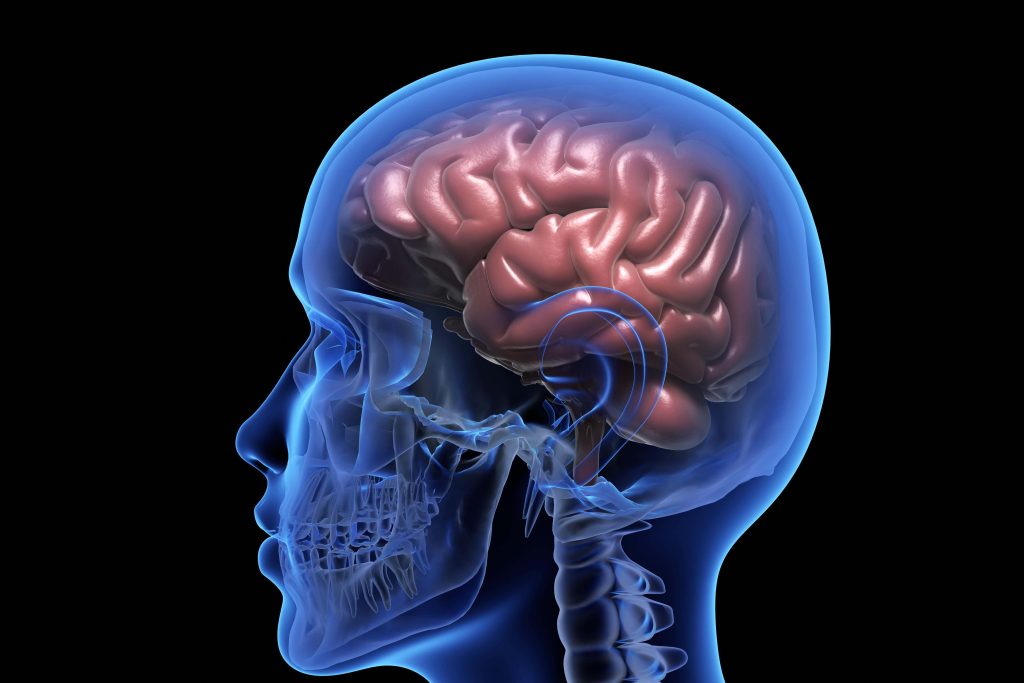
Dive Deeper: Click here to unlock your brain’s potential
Cognitive Benefits of Puzzles and Reasoning Games
The cognitive benefits derived from engaging with puzzles and reasoning games are extensive, particularly for young people whose brains are still in a dynamic state of development. These activities not only serve as excellent sources of entertainment but also act as powerful tools to enhance neuroplasticity, thereby fundamentally improving memory and critical thinking skills. Neuroscientific research has shown that when young individuals tackle complex problem-solving tasks, they activate various regions of the brain, fostering the development of new neural pathways.
Consider the example of crossword puzzles. These lexical challenges require players to navigate their memory banks for words while strategizing about letter placement—skills that can bolster verbal memory significantly. According to a study published in the journal *Trends in Cognitive Sciences*, regularly engaging in word games can enhance vocabulary recall and promote greater linguistic dexterity.
Moreover, reasoning games like Sudoku or logic grids prompt players to engage in analytical thinking. These games encourage participants to spot patterns, make deductions, and strategize their next moves. This promotes an environment of active learning, where the brain experiences heightened neuroplasticity by constantly adapting to new challenges. Research from the University of Michigan indicates that adolescents who regularly tackle such logical challenges exhibited enhanced problem-solving skills and better critical thinking abilities.
- Enhanced Cognitive Flexibility: Engaging with various types of puzzles helps young people develop the ability to adapt their thinking and switch between ideas seamlessly. This is crucial in dynamic environments where multiple solutions may need to be evaluated rapidly.
- Improved Short-Term Memory: Memory games, such as matching cards, train the brain to recall information efficiently. Regularly practicing these types of activities is especially beneficial for strengthening the short-term memory system.
- Development of Social Skills: Many reasoning games, particularly strategy-based ones, can be played cooperatively or competitively, fostering social interaction and communication skills among peers, which is vital in childhood development.
Statistics support the hypothesis that young individuals who consistently engage with these cognitive activities have better academic performances. Data from the National Center for Education Statistics reveals that students who incorporate puzzles into their learning routines tend to perform better on standardized tests and show a deeper understanding of complex subjects. Furthermore, the act of solving puzzles encourages resilience, allowing students to persist in the face of difficult problems, which is invaluable in managing challenges both in and out of the classroom.
In essence, introducing puzzles and reasoning games to young learners is not merely an enjoyable pastime; it is a strategic investment in their cognitive development. These challenges provide a multi-faceted approach to learning that can yield lasting benefits, ultimately enhancing their ability to learn and retain information as they progress through their academic careers and beyond.
| Category | Key Features & Benefits |
|---|---|
| Enhanced Cognitive Flexibility | Puzzles necessitate creative thinking and adaptation, allowing young minds to develop problem-solving skills that transfer to everyday challenges. |
| Improved Memory Retention | Engaging in memory-based games enhances the brain’s ability to store and retrieve information, making it easier for young individuals to excel academically. |
| Social Interaction | Participating in group puzzles encourages teamwork and communication, fostering social skills which are essential for personal development. |
| Stress Relief | Playing puzzles provides a fun distraction, reducing stress effects and promoting mental well-being, which directly contributes to cognitive performance. |
Through various research studies, the correlation between cognitive engagement and neuroplasticity has become increasingly apparent. Puzzles such as crosswords, Sudoku, or logic games not only challenge young players intellectually but also stimulate new neural connections, thereby improving overall brain function. Understanding these dynamics can lead parents and educators to prioritize these activities, knowing their potential impact on academic success and lifelong learning.
DISCOVER MORE: Click here to enhance your child’s memory skills!
Engagement Techniques and Variety of Puzzles
Incorporating a diverse range of puzzles and reasoning games into the daily routine can significantly enhance the cognitive benefits for young individuals. The diverse nature of these activities ensures that various cognitive skills are exercised, creating a holistic approach to brain stimulation. One engaging method is to introduce multimodal puzzles, which combine visual, auditory, and tactile elements, appealing to different learning styles and creating a more stimulating experience. For instance, interactive puzzle apps that utilize touch screens can provide immediate feedback, encouraging young users to explore and persist through challenges.
Puzzles such as jigsaw puzzles not only require visual-spatial reasoning but also aid in developing fine motor skills and sustained attention. According to research by the American Academy of Pediatrics, regularly engaging with jigsaw puzzles can help children enhance their ability to concentrate and solve problems, as they learn to visualize the end result while strategizing piece placement.
Another exciting avenue worth exploring is the resurgence of escape rooms. these group-based problem-solving activities demand quick thinking and collaboration to decipher clues and solve intricate challenges. Engaging in escape rooms encourages teamwork, communication, and critical reasoning skills, while simultaneously stimulating neuroplasticity as participants immerse themselves in complex scenarios. Recent studies published in the *International Journal of Psychology* reveal that participants in escape room experiences display a notable improvement in cognitive flexibility and memory retention, showcasing the real-world benefits of such immersive activities.
Gamification and Learning
With the rise of digital technology, gamification has been effectively employed in educational environments. Through the incorporation of game elements, traditional learning can be transformed into an engaging experience that boosts motivation among young learners. Researchers at the University of California found that students who participated in gamified learning programs exhibited a substantial increase in information retention compared to those utilizing traditional learning methods. Utilizing puzzles within a gamified framework can encourage young people to challenge themselves and approach learning with a curious mindset, ultimately enhancing their memory and cognitive skills.
Moreover, games that rely on critical reasoning skills, such as chess, can sharpen young minds considerably. Chess requires players to think several moves ahead, fostering foresight and strategic thinking. The *Journal of Educational Psychology* reported that students regularly engaging with chess showed improved analytical thinking and problem-solving abilities due to the game’s inherent complexity and deeper cognitive demands.
- Diversity in Game Styles: Varied puzzle types—from crossword puzzles to logic riddles—offer unique cognitive challenges that collectively contribute to a more well-rounded skill set.
- Increased Motivation and Engagement: Elements of competition and achievement in problem-solving games can simultaneously motivate young individuals and deepen their engagement with various subjects.
- Accessibility of Digital Puzzles: Mobile applications and online platforms have made it easier for young people to access a broad spectrum of puzzles and reasoning games, supporting continuous learning opportunities.
As the landscape of education continues to evolve, leveraging puzzles and reasoning games as educational tools offers a contemporary approach to fostering neuroplasticity in young people. This not only equips them with the skills necessary for academic success but also better prepares them for the complexities and challenges of life beyond the classroom.
DISCOVER MORE: Click here to enhance your memory and focus!
Conclusion
In today’s fast-paced digital age, the cognitive landscape for young people is continually evolving, making it essential to equip them with tools that can boost their brain function. Engaging with puzzles and reasoning games not only enhances memory but actively stimulates neuroplasticity, enabling the young mind to adapt and grow in response to new challenges. By incorporating a variety of puzzles—ranging from logic games and jigsaw puzzles to escape rooms—young individuals can develop essential cognitive skills such as problem-solving, critical thinking, and memory retention.
Furthermore, the integration of gamification within educational contexts offers an innovative approach to learning, transforming traditional methods into captivating experiences that motivate students. Research underscores the significance of diverse gaming styles, showing how they can foster a sense of achievement while adapting to individual learning preferences.
As we look to the future, there is a compelling case for parents, educators, and policymakers to prioritize the inclusion of puzzles and reasoning games in our educational frameworks. By providing young people with the opportunity to engage in these activities, we not only enhance their cognitive abilities but also prepare them for life’s complexities. Encouraging a culture of curiosity and problem-solving will undoubtedly empower the next generation to navigate an increasingly intricate world with confidence and creativity. Engaging the mind through such enriching activities is not just beneficial—it’s essential for developing resilient, adaptable thinkers who will excel in their futures.