
How Memory Card Games Can Enhance Recall and Cognitive Speed in Children
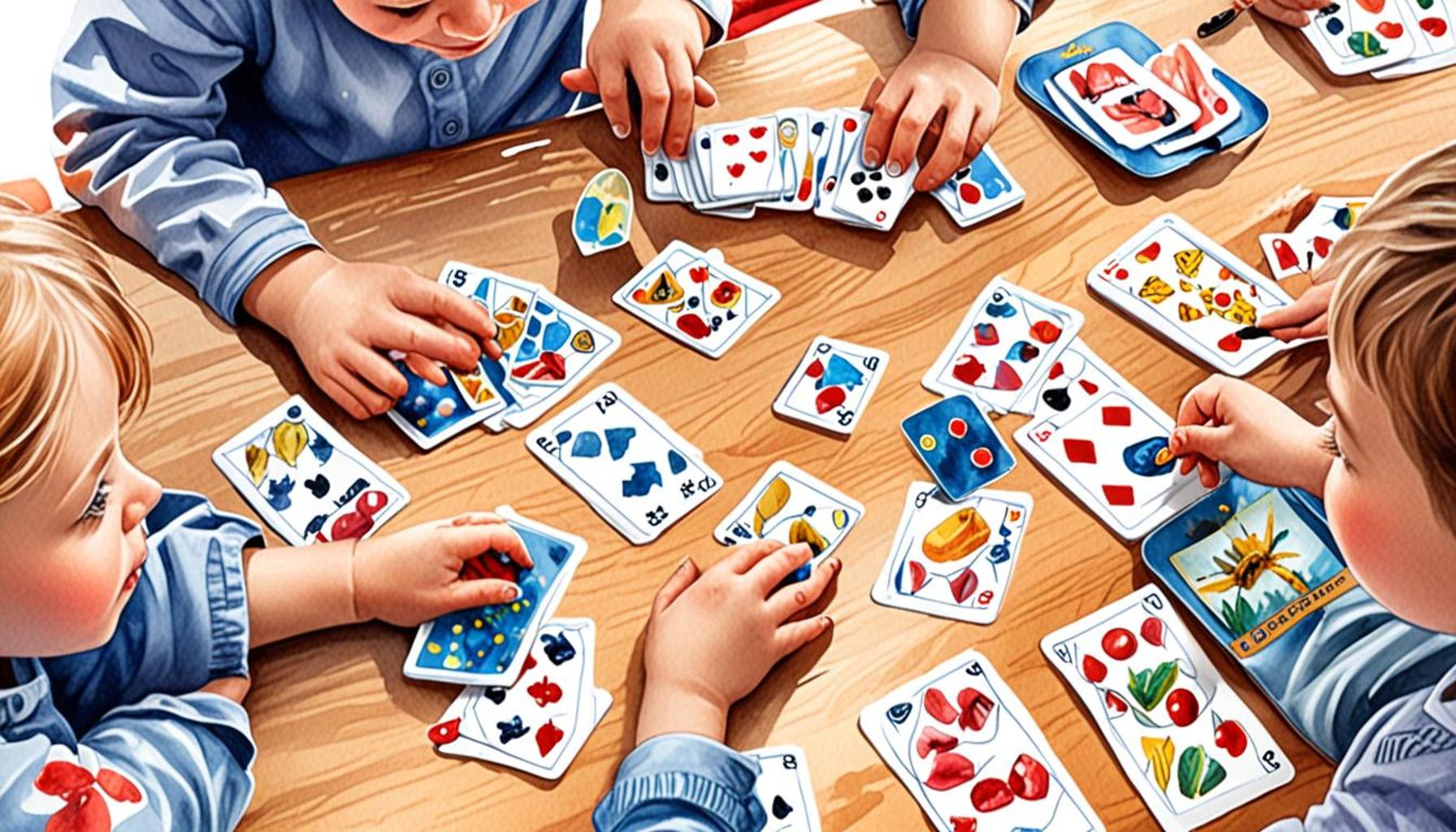
The Cognitive Benefits of Memory Card Games
Memory card games, often dismissed as mere children’s entertainment, wield a profound influence on cognitive development. These interactive and engaging activities are more than just a pastime; they are a powerful tool for nurturing essential mental skills essential for lifelong learning and growth.
Enhancing Recall
One of the most significant benefits of memory card games is their ability to enhance recall. When players flip cards in search of matching pairs, they are actively engaging their memory systems. This process requires them to remember the locations and images of previously revealed cards, which can significantly improve their ability to remember details and sequences. Research indicates that children who frequently play memory games often exhibit stronger memory retention in academic settings, allowing them to excel in subjects that require memorization, such as math and foreign languages.
Boosting Cognitive Speed
In addition to improving memory, these games are instrumental in boosting cognitive speed. As players race against the clock or one another, they must make quick decisions about which card to flip next. This challenging environment fosters rapid thinking and enhances the brain’s processing speed. An example could be a child playing a fast-paced memory game where they have to match animal cards. The excitement of keeping a swift pace helps to wire their brains for quicker reactions both in games and in real-life situations, such as during tests or while engaging in discussions.
Supporting Concentration
Moreover, memory card games are exceptional for supporting concentration. Players must maintain a high level of focus as they strategize to remember the positions of different cards. The necessity for sustained attention helps reinforce self-discipline and mental stamina. In an age where distractions abound, especially from screens, the ability to concentrate is more valuable than ever. Studies show that children who engage regularly in activities requiring focus, like memory games, often demonstrate improved academic performance compared to their peers.
The versatility of memory card games is another appealing aspect. With themes ranging from animals to superheroes or even educational content like math facts, these games can easily be tailored to fit children’s interests. This adaptability ensures that children of all ages can enjoy and benefit from these cognitive exercises. Plus, memory games can be played in various settings—be it at home, in the classroom, or during family gatherings—making them a flexible resource for both educators and parents alike.

As the demand for effective educational tools rises, memory card games stand out as an innovative way to build memory skills crucial for academic success. By incorporating these games into regular routines, parents and educators can provide children with fun yet meaningful learning experiences. This not only fosters their cognitive abilities but also instills a love for learning that will last a lifetime.
Ultimately, memory card games are more than just playful entertainment; they are a gateway to unlocking new skills, boosting confidence, and reinforcing the foundational elements of a child’s educational journey. Dive into the world of memory games today and witness the remarkable cognitive transformations they can inspire!
DIVE DEEPER: Click here to enhance your skills
Unlocking Cognitive Potential Through Play
Memory card games are a gateway to improving cognitive abilities in children. While they may appear simple at first glance, these games encapsulate complex processes that require active engagement from young players. Delving deeper into the mechanics of memory card games reveals a treasure trove of benefits that extend beyond mere entertainment.
Sharpening Memory Skills
The primary goal of memory card games is to challenge the player’s recall abilities. During gameplay, children must actively remember the locations of various cards, racing their minds to recognize and match pairs. This interaction not only enhances memory retention but also encourages strategic thinking. When a child successfully pairs cards, it creates a sense of achievement, reinforcing their memory skills. Various studies have shown that children who participate in memory games demonstrate an improvement in not just casual recall but also academic memory tasks.
Fostering Quick Thinking
In addition to memory enhancement, memory card games require players to think on their feet. As kids attempt to match cards, they must assess their choices rapidly, nurturing an essential skill: cognitive speed. To illustrate, consider a classroom of children engaged in a lively game of memory where the timer is counting down. The urgency instills a sense of competition, pushing them to process information and react swiftly. It’s no surprise that studies indicate that games requiring speed can yield improvements in other areas, such as timed assessments and everyday problem-solving situations.
Benefits Beyond the Game
The advantages of memory card games extend beyond memory and cognitive speed; they also cultivate essential life skills. These include:
- Social Skills: Playing memory games encourages interaction and communication among children, teaching them how to work cooperatively and share in the joy of winning.
- Problem-Solving: Players must devise strategies to remember card positions, enhancing their critical thinking and analytical skills.
- Emotional Resilience: Games inherently teach children how to handle both victory and defeat gracefully, contributing to their emotional development.
Moreover, the versatility of memory card games is noteworthy. With countless themes and designs, parents can easily select games that align with their children’s interests—whether it be animals, fairytales, or educational topics like numbers and letters. This adaptability keeps children engaged and excited to play, allowing for consistent practice, which amplifies their cognitive benefits.
Importantly, the rise of digital platforms provides another avenue for practicing memory skills. Many apps offer interactive memory card games that reinforce the principles of physical gameplay, bringing convenience to modern learning environments. However, while digital games have their place, nothing can replace the social interaction and tactile feedback of traditional card games. Thus, a balanced approach combining both can maximize cognitive development.
By incorporating memory card games into routines, parents and educators are not merely facilitating play; they are paving the way for enriched cognitive development. Encouraging children to engage in these educational games will not only enhance their recall and cognitive speed but also inspire them with a lifelong passion for learning.
Exploring Cognitive Benefits of Memory Card Games
Memory card games are not just fun activities for children; they are powerful tools for enhancing cognitive abilities. These games challenge children to remember the locations of cards and match pairs, significantly boosting their memory recall and cognitive speed. Engaging with these games fosters a competitive spirit, motivating children to improve their skills while having a great time.An intriguing aspect of memory card games is their ability to cater to various developmental stages. For younger children, the games can be tailored to include vibrant images and simpler pairs, thereby facilitating learning through play. As children grow, the complexity can heighten, introducing more sophisticated patterns and memory challenges. This adaptability is key in fostering long-term cognitive development.Moreover, research indicates that regular engagement in memory games not only enhances short-term memory but also builds critical thinking and problem-solving skills. As children strategize to find matches, they develop important cognitive connections that can translate into improved academic performance. The act of recalling previous moves and analyzing potential outcomes can also lead to a deeper understanding of cause-and-effect relationships.The social aspect of memory card games cannot be overlooked. When played with peers or family members, these games create opportunities for children to develop their social skills, share strategies, and communicate effectively. Such interactions promote emotional intelligence alongside cognitive growth, further enriching a child’s learning experience.In exploring these games, parents and educators can find a wealth of opportunities to support children’s overall development. As they engage with different themes and complexities, memory card games ensure that cognitive enhancement remains an enjoyable pursuit for children.
| Advantages | Key Aspects |
|---|---|
| Improved Memory Recall | Children practice memorizing cards, enhancing retention abilities. |
| Enhanced Cognitive Speed | Quick thinking is fostered as they match cards under time constraints. |
As we delve further into the advantages of memory card games, it becomes apparent that their contribution to children’s cognitive processes is profound and multifaceted.
DISCOVER MORE: Click here to learn about the impact of memory games
The Science Behind Memory Games
Beyond the basic mechanics of memory card games lies a wealth of scientific understanding about how these games actively stimulate the brain. Research has shown that games focusing on memory, such as matching cards, can help develop and strengthen synaptic connections in a child’s brain. This occurs because these games engage the hippocampus, the region responsible for memory and learning, prompting increased neural activity.
Cognitive Development in Different Age Groups
The benefits of memory card games can vary considerably depending on a child’s age. For younger children, typically aged 3 to 5 years, these games can serve as an introduction to crucial cognitive skills. They aid in developing basic memory and recognition abilities, giving children a fundamental understanding of spatial relationships and object permanence. As children progress into elementary school, memory games can adapt to include more complex challenges, such as matching patterns or integrating educational content, which not only makes gameplay more captivating but also sharpens their recall and cognitive processing speed.
Moreover, a study published in the journal Developmental Psychology explored how children aged 7 to 9 exhibited notable cognitive improvements after regular exposure to memory games. Participants demonstrated enhanced working memory, indicating that consistent participation in such activities can foster substantial developmental growth. Whether it’s memorizing a list of card positions or developing strategies to alleviate memory load, the brain engages in a form of exercise akin to a “workout,” reinforcing memory pathways.
Creating a Stimulating Environment
To maximize the cognitive benefits of memory card games, creating an optimal environment for play is crucial. Factors such as providing minimal distractions, encouraging collaborative play, and involving adults in game sessions can heighten engagement and stimulate cognitive growth. When adults participate, they can model thought processes and strategies that children may not have otherwise considered. This mentor-like interaction enables a deeper understanding of the game’s mechanics and strategic elements, further promoting cognitive speed.
Additionally, integrating memory card games into the curriculum can enhance learning retention. Teachers can utilize these games as educational tools, perhaps matching vocabulary words with images or creating historical card sets that match significant figures with their contributions. This multi-sensory approach not only invigorates lessons but also appeals to diverse learning styles, thus increasing accommodation for various cognitive skills.
Impact of Memory Games on Long-Term Learning
The impacts of memory card games extend well beyond young childhood. Developing strong memory and processing skills at an early age can foster a solid foundation for lifelong learning. Children who learn to excel at memory tasks often find themselves better equipped to handle complex academic concepts in the future. The associative learning experienced through these games translates effectively to other subjects, enabling students to remember information more readily and improve their performance across the board.
Incorporating structured memory game sessions into daily routines—whether at home or in educational settings—not only transforms learning into a fun experience but also nurtures crucial cognitive abilities that can last a lifetime. As children grow, the skills honed through consciously engaging memory games can empower them in various focused cognitive tasks, from exams to creative problem-solving in their adult lives.
DISCOVER MORE: Click here to learn how reasoning games can help reduce stress
Conclusion
Incorporating memory card games into children’s playtime emerges as a vital strategy to enhance their recall and cognitive speed. As highlighted throughout this article, these games not only serve as entertaining pastimes but also function as powerful cognitive tools that stimulate brain development. From foundational skills in early childhood to complex strategic thinking in later years, memory games adapt seamlessly to a child’s evolving capabilities, fostering essential memory competencies along the way.
The engagement with matching cards strengthens critical neural connections in the brain’s hippocampus, resulting in improved memory retention and processing speed. This is particularly significant as research illustrates noticeable cognitive improvements in children exposed regularly to these activities. Furthermore, by creating an enriching environment—where adults participate with children—parents and educators can magnify the benefits that come from collaborative play and focused interaction.
As memory card games worm their way into everyday routines, they not only transform learning into an enjoyable experience but also lay the groundwork for essential skills that extend into adulthood. Children who master these memory tasks are often better equipped to tackle academic challenges and problem-solving scenarios in later life. The findings underscore the long-term advantages of early cognitive training through entertaining, educational activities.
In conclusion, embracing memory card games as a consistent element in children’s lives offers them the opportunity for enjoyable cognitive growth—ultimately equipping them for a future where effective learning and memory recall are paramount.