How Group Musical Practice Can Develop Leadership and Teamwork Skills Among Youth
The Transformative Power of Group Musical Practice
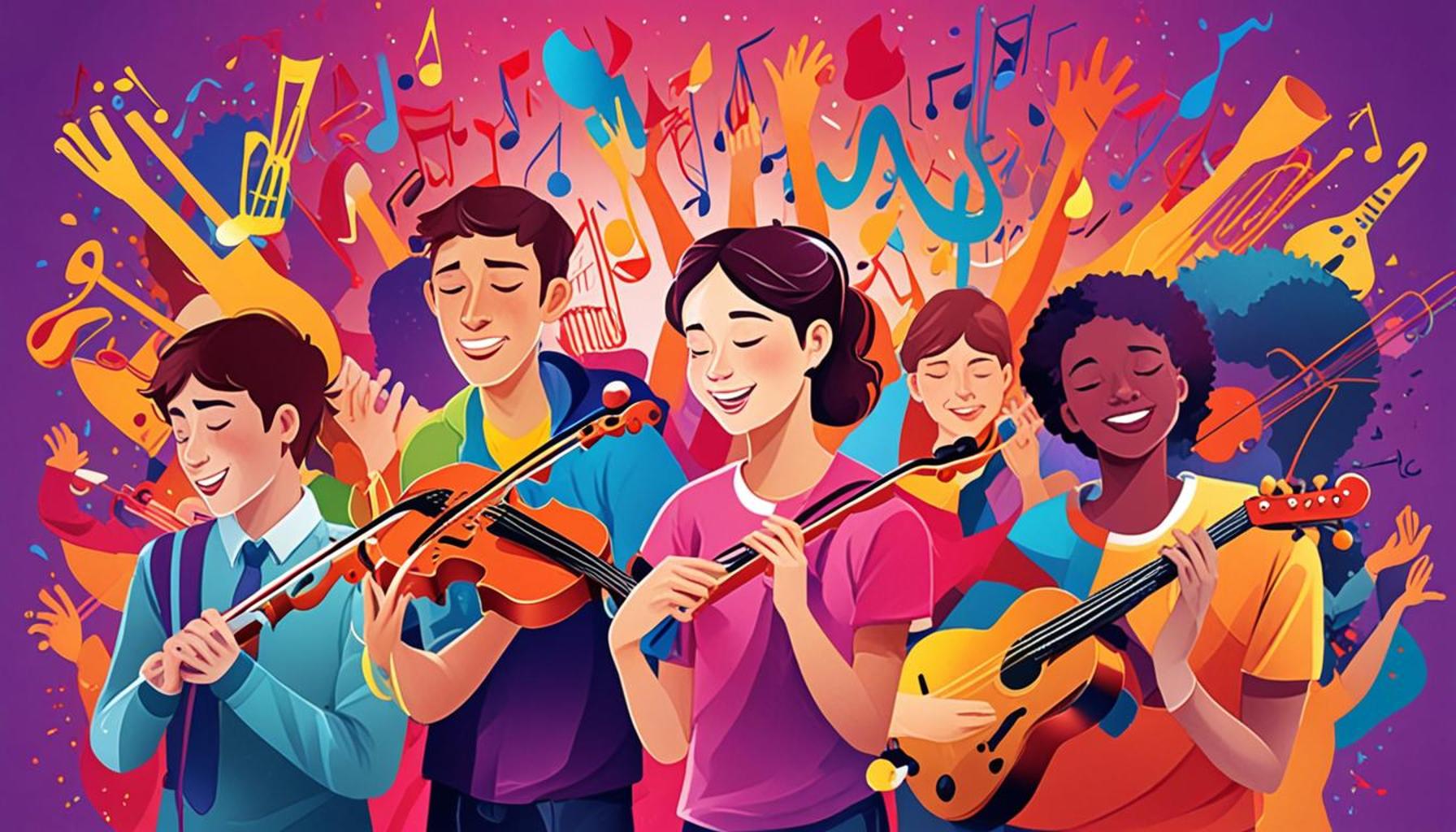
Engaging in group musical practice is an enriching experience for young individuals that extends far beyond the realm of melody and harmony. As they come together to create music, interactions arise that have the potential to shape their personal and social development profoundly. One of the most immediate observations is the profound unity that music fosters, transcending age, culture, and background, and creating a tapestry of shared experiences and emotions.
The benefits of participating in musical groups are numerous and impactful, especially for young people. For instance:
- Enhanced Communication: In a musical ensemble, clear articulation of ideas is crucial. Musicians must convey their intentions to each other, whether it’s discussing timing or interpreting a piece. This practice translates into real-world skills where effective communication is paramount. For example, members of a band learn to express their unique ideas while also being receptive to feedback, enhancing both verbal and non-verbal communication skills.
- Collaborative Problem Solving: Music is not without its challenges. Whether it’s overcoming a challenging piece or synchronizing rhythms, musicians work collectively to devise innovative solutions. This collaborative spirit isn’t confined to the rehearsal room; it parallels team dynamics in corporate environments or community projects, where teamwork drives success.
- Conflict Resolution: Group interactions can sometimes lead to disagreements. Navigating these conflicts imparts invaluable lessons in compromise and emotional intelligence. For instance, resolving creative differences around song arrangements helps young musicians learn to negotiate and maintain relationships, skills beneficial in both personal and professional realms.
The immersive nature of group music-making further cultivates characteristics that are fundamental for emerging leaders:
- Responsibility: Each member of an ensemble plays a role in the group’s success, which encourages a strong sense of accountability. Young people learn the importance of contributing their part, understanding that their efforts directly impact the collective outcome.
- Confidence: Regular performances provide platforms for young musicians to showcase their skills, gradually building self-assurance. This newfound confidence often extends beyond music, motivating them to tackle challenges with a more fearless attitude.
- Empathy: In understanding the varying perspectives of fellow musicians, individuals foster a supportive and inclusive environment. This ability to empathize translates into better interpersonal relationships in all spheres of life, from school projects to workplace collaborations.
As participation in musical ensembles continues to rise among American youth, the potential ramifications for their development into leaders are profound. The collective experience of making music embeds essential life skills that enhance not only their artistic expressions but also their capacity to lead and collaborate effectively. This engagement paves the way for them to grow into adaptable individuals poised to thrive in an increasingly interconnected world, where teamwork and collaboration will be more critical than ever.
Indeed, the journey of music education may very well be one of the most compelling stories of personal development, ultimately influencing the sociocultural fabric of communities across the United States.
DISCOVER MORE: Click here to dive deeper
The Skill-Building Benefits of Collective Music-Making
When youth engage in group musical practice, they immerse themselves in a unique learning environment that encourages the cultivation of vital skills indispensable for effective leadership and teamwork. As these young individuals gather to create and perform music, they unwittingly embark on a journey of personal growth while nurturing essential life competencies. The act of making music together inherently fosters a sense of community and belonging, laying the groundwork for stronger interpersonal relationships.
One of the key components in this development is the concept of critical listening. While rehearsing, musicians must actively listen to one another. This involves not just hearing the notes being played but also understanding the nuances of tempo, dynamics, and emotional expression conveyed by fellow ensemble members. Such critical listening sharpens their ability to provide constructive feedback, a skill that is highly valued in group settings, from sports teams to collaborative work environments.
Moreover, the rhythm of group practice often mirrors that of a well-functioning team. A successful ensemble synchronizes various instruments and voices to create a cohesive sound. This requires a high degree of coordination and mutual respect among members, illustrating how each person’s contribution is a vital part of the greater whole. This leads to a powerful realization among youth: in group settings, collaboration is as crucial as individual talent.
Here are some fundamental ways in which group musical practice enhances leadership and teamwork skills:
- Shared Goals: In a musical ensemble, achieving harmony is a shared objective. Musicians learn to set collective goals and understand their individual roles within the team, an essential aspect of successful teamwork in any context.
- Trust Building: A cohesive musical group requires trust among its members. As young people share vulnerabilities, such as performing solo parts or tackling complex pieces, they learn to trust and support one another, creating a foundation for strong teamwork.
- Time Management: Group practice involves scheduling rehearsals and being punctual. Young musicians quickly grasp the importance of managing their time effectively to both improve their skills and respect their peers’ commitments, a lesson applicable to various leadership roles.
- Leadership Opportunities: Within musical groups, leadership roles often arise naturally. Whether it’s a section leader helping others with challenging passages or a student organizing practice schedules, these experiences empower youth to experiment with different leadership styles and discover their strengths.
As these young musicians engage in collaborative artistic endeavors, they are not merely creating beautiful music; they are mastering the intricate dynamics of human interaction. This practice becomes even more potent when considering the diverse backgrounds and experiences represented in musical ensembles across the United States, offering a rich tapestry of perspectives that further enrich the learning experience.
The profound skills developed through group musical practice undoubtedly prepare youth for future challenges, transforming them into tomorrow’s leaders and effective teammates. The question remains: how can education systems and community programs further harness this potential to promote holistic growth among the next generation?
| Advantage | Explanation |
|---|---|
| Collaboration | Engaging in group music activities fosters teamwork, as individuals learn to rely on each other’s strengths, timing, and talents to create harmonious pieces. |
| Conflict Resolution | Youth in musical ensembles often face disagreements regarding interpretations or arrangements, which helps them develop valuable skills in resolving conflicts peacefully and democratically. |
The power of group musical practice goes beyond mere entertainment; it serves as a crucial platform for youth to explore their leadership potential. Through collaboration, young musicians learn to work as a cohesive unit, understanding that each individual’s musical contribution is vital to the overall sound. This fosters a sense of community and encourages responsibility toward others, building leadership qualities inherently connected to teamwork.Furthermore, the dynamics of group practice inherently require young musicians to address conflicts that arise, whether about pitch, tempo, or creative input. Such experiences equip them with the necessary skills to negotiate and come to solutions effectively, making the benefits of music practice resonate far beyond the world of notes and rhythms.In this environment, young people are not just following instructions; they are stepping into roles where they must make decisions, encourage peers, and contribute creatively, paving the way for leadership opportunities that could last a lifetime. A strong musical group can act as a mini-community where life skills are nurtured, leading to confident leaders who thrive in collaborative environments.
DISCOVER MORE: Click here to dive deeper into music learning technologies
Fostering Emotional Intelligence Through Musical Collaboration
Group musical practice not only refines technical abilities but also plays a significant role in enhancing emotional intelligence, an essential trait for effective leadership and teamwork. Emotional intelligence encompasses the capacity to recognize, understand, and manage one’s own emotions, as well as the emotions of others. In a musical setting, this skill is continually put to the test, as young musicians must navigate their own feelings and those of their peers while performing together.
During rehearsal, musicians often experience a range of emotions—excitement, frustration, or even anxiety when learning new pieces. By confronting these feelings in a supportive environment, youth learn to articulate their emotions and communicate openly. For example, when a performer struggles with a particular section, other members must exercise empathy and offer encouragement, reinforcing a culture of mutual support. Such interactions are foundational for nurturing effective leaders, who must possess the ability to motivate and uplift team members under challenging circumstances.
The collaborative nature of group musical practice also amplifies the importance of conflict resolution. Disagreements might arise regarding musical interpretations or artistic choices, presenting young musicians with opportunities to engage in constructive dialogue. By learning to negotiate differing perspectives and find common ground, youth develop valuable negotiation and problem-solving skills that transcend musical contexts. Ultimately, these experiences cultivate resilience, allowing them to approach conflicts with a balanced mindset—a key attribute for successful leadership.
Inclusivity is another vital aspect of developing leadership and teamwork skills through group musical practice. Many organizations in the United States emphasize participation from diverse backgrounds, which enriches the musical ensemble and creates a well-rounded perspective on collaboration. Different cultural expressions come with unique styles and rhythms, encouraging youth to appreciate and value each other’s contributions. This exposure fosters a sense of belonging and encourages leaders to bear in mind the importance of inclusivity in all collaborative efforts, further broadening their leadership capabilities.
In addition, young musicians benefit from the practice of adaptability. In a rehearsal setting, unexpected changes—like an abrupt tempo change or an unforeseen absence of a key member—demand that musicians adapt quickly and efficiently. This constant need to adjust helps cultivate resilience and flexibility, qualities that are crucial when leading teams in any field. By navigating these challenges during practice, youth learn how to take charge, offering solutions and guiding their peers through unanticipated hurdles.
Furthermore, the realm of music provides an excellent platform for mentorship. Experienced musicians often take on roles to guide less experienced members, offering instruction and support. This dynamic not only fosters a culture of shared learning but also empowers young people to take initiative in mentoring relationships. Such experiences enhance their persuasive communication skills and deepen their understanding of the intricacies of leadership, as they step into the role of a mentor and leader.
Ultimately, as youth engage in the shared experience of group musical practice, they are not only honing their musical talents but also developing a profound array of skills that equip them for future leadership roles. From emotional intelligence to adaptability and inclusivity, the lessons learned in these musical ensembles can have lasting implications in their personal and professional lives, paving the way for a new generation of dynamic leaders.
DIVE DEEPER: Click here to learn more
Conclusion: The Transformative Power of Group Musical Practice
In summary, the journey through group musical practice serves as a powerful catalyst for developing essential leadership and teamwork skills among youth. This unique environment encourages not only the cultivation of musical talents but also fosters critical interpersonal skills, such as emotional intelligence, conflict resolution, and adaptability. As young musicians collaborate, they embrace diverse perspectives, nurturing a sense of inclusivity that not only enhances their performances but also prepares them for the complexities of real-world teamwork.
Moreover, the mentorship opportunities inherent in group settings allow youth to strengthen their communication skills while gaining insights into effective leadership. The act of guiding others instills confidence and empowers young individuals to emerge as leaders in various domains of life. These experiences invariably equip them with the resilience needed to navigate challenges, fostering a new generation that is not only musically adept but also socially conscious and capable of leading with empathy.
Ultimately, investing in group musical practice as a development tool is more than simply refining artistic skills; it is about shaping future leaders who will carry forward the values of collaboration, respect, and innovation. By recognizing and harnessing the transformative potential of music, communities can pave the way for youth to thrive both personally and professionally in an increasingly interconnected world. With further exploration and emphasis on these practices, we can inspire a harmonious blend of creativity and leadership that echoes far beyond the stage.