How Collaborative Board Games Can Enhance Empathy and Critical Thinking Among Players
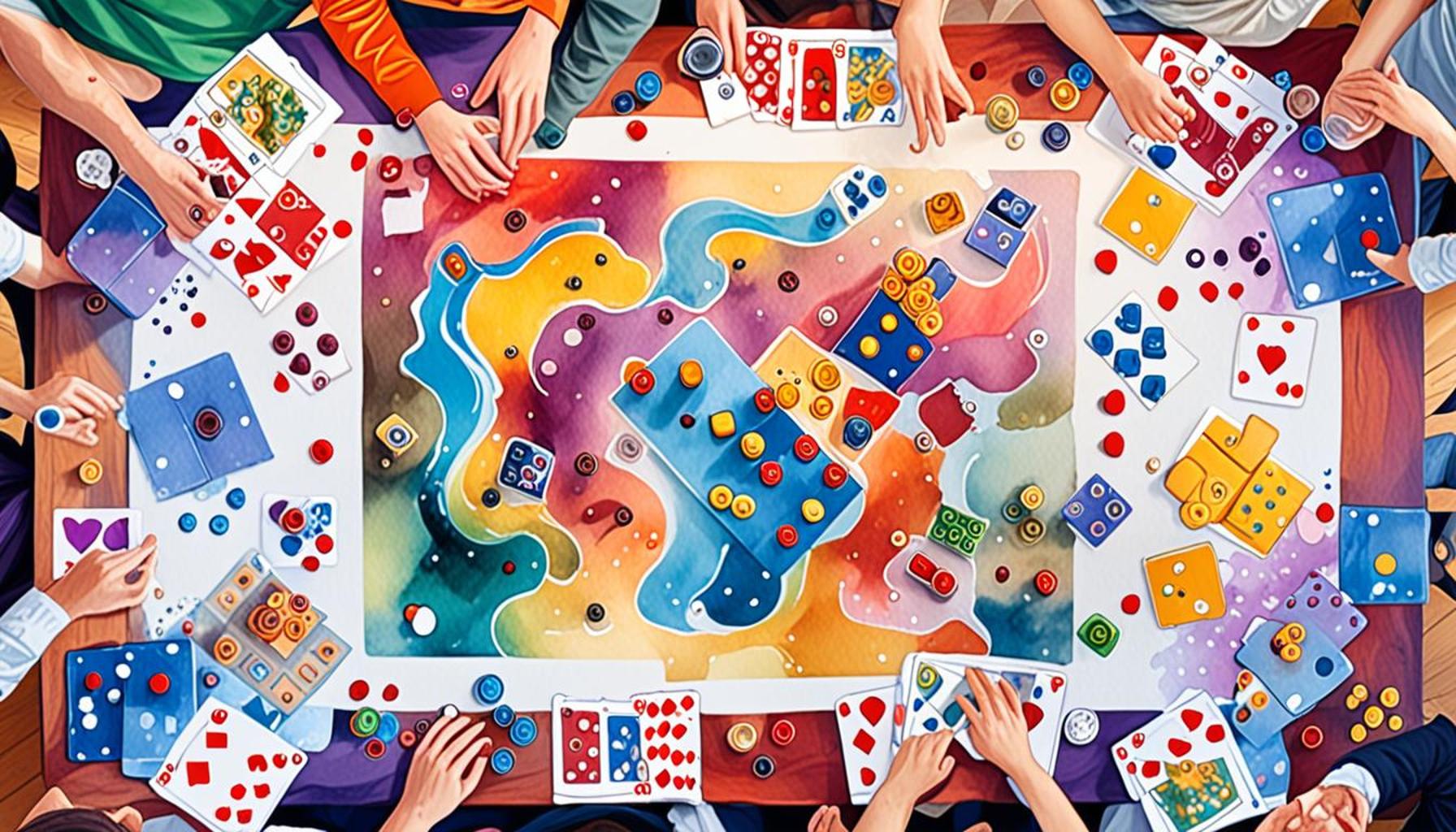
The Importance of Teamwork and Connection
In an increasingly fragmented world, the need for understanding and teamwork is more crucial than ever. Collaborative board games offer a unique way to engage players and foster essential skills. Empathy and critical thinking are two competencies that can be significantly enhanced through shared gameplay experiences. These games serve as a bridge that connects individuals from diverse backgrounds, allowing them to bond over common objectives while developing vital interpersonal skills.
- Games like Pandemic require players to strategize together to save the world from diseases. Each player assumes a specific role, such as a scientist or medic, necessitating collaboration to outsmart an evolving threat.
- Forbidden Island challenges players to work cooperatively to escape a sinking island. Here, players must communicate effectively to balance risks and resources, emphasizing mutual support and voluntary sacrifice.
- Spirit Island emphasizes the importance of alliances and adapting strategies in response to threats. Players embody spirits defending their home against colonizers, promoting a deep understanding of sacrifice and innovation.
Each of these games promotes communication and understanding among players, encouraging them to see perspectives beyond their own. For instance, when players work together in Pandemic, they practice recognizing the strengths and weaknesses of team members’ choices, which mirrors real-life scenarios in workplaces and relationships. Engaging in such collaborative environments facilitates empathy, as players must consider others’ thoughts and feelings to achieve a common goal.
Moreover, challenging scenarios presented in these games and the need to formulate effective responses stimulate critical thinking. As players strategize, they analyze possible outcomes and potential roadblocks, enhancing their ability to make informed decisions under pressure. This blend of problem-solving and ethical considerations prepares players not just for game scenarios but also for real-life interactions and decisions, such as conflict resolution in our daily lives.
As we delve deeper into the ways that collaborative board games can enhance these attributes, you’ll discover how they do more than entertain—they reshape our approach to relationships and judgments. These games encourage players to communicate openly, develop strategies, and build a sense of community, all of which are invaluable skills in today’s interconnected society. Are you ready to rethink your board game nights? Engaging in these experiences can be both educational and transformative, providing a more profound understanding of each other and the world around us.
DISCOVER MORE: Click here for insights on boosting your mental health with puzzles

Building Understanding Through Shared Experiences
Collaborative board games act as powerful tools for enhancing empathy and critical thinking, both of which are essential for successful collaboration in any environment. Through engaging gameplay, players are inspired to put themselves in others’ shoes, fostering a deeper sense of connection and understanding. This shared experience often leads to valuable discussions about decision-making processes, ethical dilemmas, and the impact of individual actions on the group.
One of the key benefits of these games is their ability to create real-time social interactions that are rich in emotional nuance. Players are often faced with difficult choices that require them to weigh the needs of the group against their personal objectives. For instance, when working together in Pandemic, a player may need to forgo their desire for personal glory and instead support a teammate’s strategy that could save everyone. This kind of experience cultivates empathy, as players learn to value the goals of others and recognize the importance of teamwork in achieving common objectives.
The Role of Communication and Strategy
Effective communication is at the heart of success in collaborative board games. To navigate challenges and maximize team strengths, players must express their thoughts clearly and actively listen to one another. Through this interaction, individuals become more adept at understanding differing viewpoints and articulating their own. This skill set is transferable to various aspects of daily life, from workplace dynamics to personal relationships.
- Negotiation Skills: Many collaborative games require negotiation. In games like Spirit Island, players must devise strategies that accommodate each other’s unique abilities, forcing them to advocate for their own ideas while also being receptive to others.
- Crisis Management: The unpredictable nature of these games means that players frequently face crises that require quick thinking. In Forbidden Island, the rising water levels demand urgent decisions, propelling players to think critically about resources and immediate needs.
- Collective Problem Solving: Encountering unexpected obstacles together necessitates brainstorming solutions as a group. This collaborative problem-solving model not only enhances critical thinking but also builds trust as players navigate challenges together.
In essence, collaborative board games transform the experience of play into a profound journey of personal growth. By emphasizing teamwork, these games cultivate empathy by requiring players to appreciate the emotions and motivations of their teammates. Simultaneously, they challenge players to hone their critical thinking skills by navigating complex scenarios that demand strategic foresight and ethical consideration. As players share laughter, frustration, and success, they learn the invaluable lesson that through collaboration, greater accomplishments can be achieved.
As we explore further, you will uncover how these elements of teamwork and communication not only enhance gameplay but also contribute to more enriching social interactions. In an era where connection often feels diluted, collaborative board games offer a welcome reprieve, allowing players to deepen their relationships and sharpen their minds—all while having fun.
Understanding Empathy Through Collaborative Play
Collaborative board games are not merely about strategy and winning; they provide players with a unique opportunity to immerse themselves in perspective-taking and shared experiences. One of the critical elements that these games foster is empathy—a vital skill in today’s interconnected world. When players engage in a collaborative environment, they are encouraged to see situations from others’ viewpoints, highlighting the importance of emotional intelligence.
For instance, games such as “Pandemic” and “Forbidden Island” require players to work together to overcome challenges. In doing so, they must discuss each member’s strengths and weaknesses, leading to better understanding and appreciation of team dynamics. This aspect of gameplay urges players to listen actively and consider each other’s opinions, which ultimately deepens their emotional connections.
Critical Thinking in a Collaborative Context
Critical thinking is another significant benefit of collaborative board games. Players are often placed in complex situations that require innovative problem-solving skills. The strategic element of these games necessitates that players evaluate information critically and make choices that impact the group’s success.
| Category | Characteristics |
|---|---|
| Empathy Building | Encourages players to view challenges from different perspectives. |
| Strategic Thinking | Requires real-time problem-solving and critical evaluation of options. |
The necessity to negotiate and collaborate in these scenarios sharpens analytical skills. As players contemplate tactical moves, they not only engage in fun but also enhance their cognitive abilities, preparing them for real-life situations. The combination of empathy and critical thinking nurtured through collaborative board games is indispensable for social interactions across various contexts.
DISCOVER MORE: Click here to learn about the benefits of logic games
Fostering Community and Social Skills
Collaborative board games serve as a unique platform for building community, allowing players to bond over shared objectives and challenges. This community aspect encourages players to cultivate not only their analytical abilities but also vital social skills that are essential in both personal and professional realms. As players navigate obstacles together, they create an environment where empathy flourishes, and differences become strengths.
A significant factor in this dynamic is the varied roles or characters that players can embody in many collaborative games. Each role often brings unique skills and advantages to the table. For instance, in Gloomhaven, players assume diverse character classes, each with specific abilities that contribute to the team. Understanding how distinct skills can benefit the group as a whole enhances one’s ability to appreciate the strengths and weaknesses of others, ultimately fortifying team cohesion. Such experiences amplify a player’s awareness of how cooperation and support can lead to thriving group dynamics.
Encouraging Diversity and Inclusion
Games like The Crew or Dead of Winter emphasize that victory is attainable only through unity and collaboration. By integrating diverse voices and strategies, players learn the value of inclusion and cooperation, which are essential components of effective teamwork. This exposure aids in fostering greater appreciation for differing perspectives as players strategize ways to overcome hurdles.
- Encountering Different Perspectives: As players navigate scenarios requiring joint decision-making, they must consider the opinions and viewpoints of all team members. This promotes the idea that every player’s input is meaningful and can shape the outcome of their collective efforts.
- Respecting Differences: Actively engaging with diverse participants in gameplay helps players come to terms with differing perspectives in real life. As they face and manage conflicts during the game, they learn to appreciate how different backgrounds can yield unique solutions to problems.
This intimate experience with diversity enriches players, transforming them into more empathetic individuals capable of navigating the complexities of modern workplaces and communities. Games like Sentinels of the Multiverse also provide a platform for players to face moral dilemmas where hard choices must be made collectively. As players delve into such ethical considerations, they practice not just critical thinking but also moral reasoning—skills crucial for today’s interconnected world.
Leveraging Emotional Intelligence
Another significant facet of collaborative board gaming is its potential to enhance emotional intelligence. Understanding and managing one’s emotions, alongside those of others, is a skill that can be cultivated through these games. With fast-paced gameplay requiring quick reactions, players learn to regulate their emotional responses when challenges arise or when strategy takes an unexpected turn. This ability to remain calm and focused under pressure translates well into various life situations, especially in team-oriented environments.
Moreover, engaging in role-playing scenarios fosters a deeper emotional connection among players. As individuals momentarily assume different personas, they may experience feelings and motivations distinct from their own. This immersion provides an avenue for players to expand their empathy, effectively sharpening their understanding of human emotions.
In summary, the robust framework provided by collaborative board games goes beyond just entertaining gameplay. They offer profound opportunities for enhancing social skills, promoting diversity, and fostering emotional intelligence. By cultivating these attributes, players not only grow as individuals but also contribute to a richer, more empathetic community. The impact of these experiences thrives well beyond the game table, inspiring players to bring these lessons into their everyday lives.
DISCOVER MORE: Click here to enhance your cognitive skills
Conclusion: The Transformative Power of Collaborative Board Games
In conclusion, collaborative board games are far more than just sources of entertainment; they are powerful tools for personal and social development. Through shared experiences, players cultivate empathy as they learn to navigate the diverse perspectives and strengths of their teammates. The dynamic nature of these games fosters an environment where critical thinking thrives, as participants are challenged to strategize and problem-solve as a cohesive unit. By encouraging group dialogue and respecting differing viewpoints, players enrich their understanding of effective teamwork and develop vital social skills.
Furthermore, the emotional connections formed during gameplay enable players to enhance their emotional intelligence, allowing them to better manage their feelings and respond to the emotions of others. This skillset becomes invaluable not only in board games but in real-life situations, from school environments to workplaces. As players engage in moral dilemmas and innovative decision-making, they not only sharpen their analytical abilities but also heighten their capacity for compassion and understanding.
Ultimately, as collaborative board games continue to rise in popularity, their potential for instilling life lessons and strengthening community ties remains significant. By harnessing these experiences, players emerge not merely as game enthusiasts but as empathetic individuals equipped with the essential tools for navigating our increasingly complex world. In exploring these engaging landscapes of play, we invite you to discover the profound impact that collaborative board games can offer in shaping both personal and shared futures.