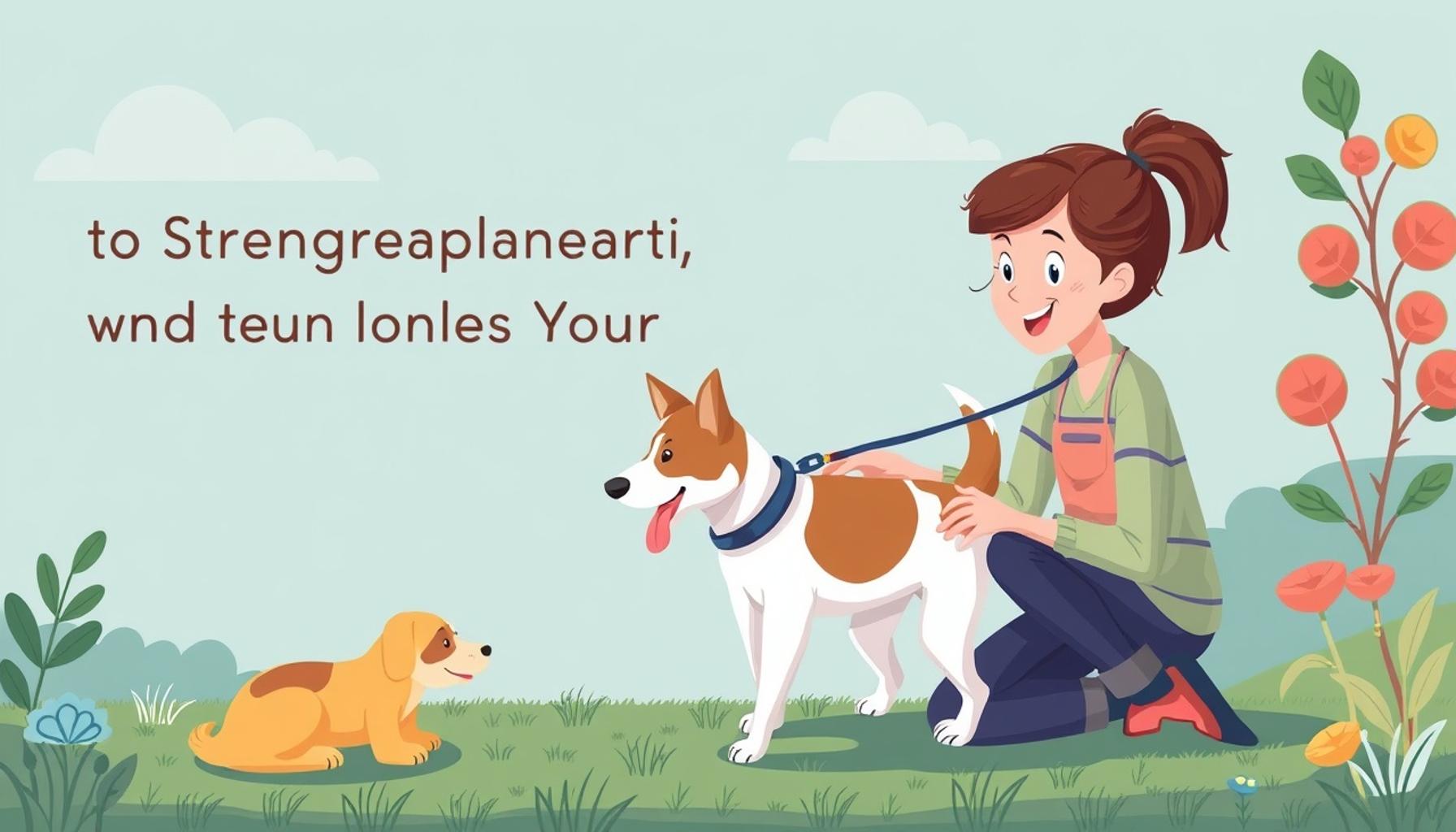
Harnessing the Power of Target Training for Small Animals
Understanding Target Training for Small Animals
Target training is an innovative technique that can transform how we interact with our small animal companions. This method involves guiding animals to touch a specific target, enhancing both their physical and mental agility. By providing a defined goal for them to achieve, you can create a structured training session that keeps your pet engaged and motivated.
So, why should you consider target training for your small pets? Here are some compelling benefits that may inspire you to delve into this enriching approach:
- Enhances Communication: It establishes a clear understanding between the owner and the pet. Animals often struggle to interpret our cues, but a target serves as a unifying signal they can easily grasp. By using a target stick, for example, you can direct your rabbit or guinea pig with ease, significantly reducing confusion during training sessions.
- Increases Mental Stimulation: This method keeps pets engaged, reducing boredom and destructive behaviors. Just like humans, small animals can suffer from cognitive fatigue. By introducing them to target training, you provide them with a fun and challenging way to exercise their minds, which could be instrumental in preventing issues like chewing furniture or excessive vocalizations.
- Strengthens Bonding: Target training creates a fun and interactive experience that fosters trust. The positive reinforcement associated with successfully touching the target builds a stronger emotional connection between you and your pet. This is paramount for small animals that can often be skittish or hard to approach.
Small animals, such as rabbits, guinea pigs, and hamsters, can greatly benefit from this training technique. By utilizing positive reinforcement, you empower these creatures to learn and explore new skills. Imagine your rabbit eagerly following a target stick, showcasing agility as it hops between obstacles, or your hamster navigating an intricate course designed for exploration! Not only does this provide physical exercise, but it also nurtures their natural curiosity.
Target training can also be adapted to various environments, making it accessible to pet owners across the United States. Whether you have a spacious backyard or a cozy living room, the possibilities are endless. For instance, training your guinea pig to touch a target can easily be done indoors where spaces are limited, requiring only a simple target item like a stick or even your finger. Outdoor settings can take advantage of a larger area for more extensive obstacle courses that will challenge their agility and inquisitiveness.
In the following sections, we will delve deeper into the strategies for implementing target training effectively. Prepare to unlock your small animal’s potential and create a more fulfilling partnership! From the initial introduction of the target to progressively advanced techniques, we will guide you through each step of this rewarding training process.
Getting Started with Target Training
To effectively harness the power of target training for small animals, you need to begin with a strong foundation. Understanding the basic principles and steps is essential to ensure a positive experience for both you and your pet. Here’s a comprehensive overview to guide you through initiating target training:
Choosing the Right Target
The first step in target training is selecting an appropriate target that your pet will be motivated to interact with. Target sticks are popular options due to their ease of use and visibility. Look for one that is brightly colored and lightweight; this will attract your small animal’s attention and encourage engagement. Alternatively, you may choose items like a simple bowl or even your finger. The target’s visibility and accessibility are crucial in capturing your pet’s interest, especially in the initial stages of training.
Introducing the Target
Once you have chosen a target, introduce it to your small animal in a calm and low-stress environment. Allow them to explore the object at their own pace. This gradual introduction helps to build familiarity and reduces any anxiety they may feel. You can also enhance their curiosity by gently placing treats on or near the target, further encouraging them to interact with it.
Using Positive Reinforcement
Positive reinforcement is the cornerstone of target training. Whenever your pet successfully touches or approaches the target, reward them immediately with a treat or verbal praise. This not only reinforces the desired behavior but also boosts their confidence. Remember, consistency is key; try to reward your pet each time they successfully interact with the target to establish a clear connection between the behavior and the reward.
Implementing Short Training Sessions
To maximize learning, implement short training sessions lasting about 5-10 minutes. Small animals tend to have shorter attention spans, and lengthy sessions can lead to frustration or fatigue. By keeping the sessions brief and engaging, you can maintain their enthusiasm for the training process. It’s essential to monitor your pet’s body language during these interactions and stop if you notice signs of stress or disinterest. Taking a break and allowing them some time to relax can be beneficial.
Progressing Gradually
As your small animal becomes more comfortable with the target, you can start to increase the level of challenge. Begin by encouraging them to touch the target from a short distance before gradually increasing the distance. This progression helps improve their confidence, coordination, and ability to follow cues. You might also introduce new commands or obstacles, making the training more dynamic and adapting to their growing skills.
Implementing these initial strategies in target training can lead to an enriching experience for both you and your small animal. By fostering an environment of positivity and engagement, you’ll not only teach your pet new skills but also cultivate a deeper bond that enhances your companionship. In our next section, we will explore advanced techniques that can further expand the possibilities of target training, enabling you to unlock even more potential in your beloved pets.
| Advantage | Description |
|---|---|
| Enhanced Communication | Target training fosters a clear communication channel between the trainer and the animal, enhancing understanding. |
| Effective Behavioral Modification | Utilizing positive reinforcement helps in correcting undesirable behaviors, promoting a more harmonious relationship. |
Understanding the nuances of small animal behavior can be challenging, but harnessing the power of target training provides an effective solution. This training technique not only improves animal focus and engagement but also actively involves them in the learning process, making it a pleasurable experience for both the trainer and the animal. The advantages of target training extend beyond simple commands; it lays the foundation for a deeper bond rooted in trust and mutual respect. For instance, animals that undergo this form of training exhibit less anxiety and stress, as they feel secure in their understanding of expected behaviors. By integrating effective training sessions into their daily routines, trainers can witness not only improvements in performance but also in the overall well-being of their furry companions. Target training opens a realm of possibilities by paving the way for complex agility tasks and interactive play, ultimately enhancing the quality of life for small animals. A deeper exploration into these progressive training methods may just reveal the perfect approach for your pet’s growth and fulfillment.
Expanding Your Training Techniques
After establishing the foundational principles of target training, the next step involves exploring advanced techniques that can significantly enhance your small animal’s training experience. By combining creativity with the core concepts of target training, you can unlock even more potential for your furry companion.
Incorporating Visual and Auditory Cues
Enhancing training sessions with visual and auditory cues can greatly improve communication between you and your small animal. For instance, using a specific sound, such as a clicker, when your pet touches the target can provide a distinct signal that reinforces their accomplishment. Pairing this auditory feedback with a visual marker, like a light or a specific gesture, can further strengthen their association with the behavior. This multifaceted approach caters to the diverse learning styles of small animals, whether they respond better to sounds or visual signals.
Targeting Different Behaviors
Target training isn’t limited to merely having your small animal touch an object; you can expand its use to teach a variety of complex behaviors. Once your pet is comfortable with the basics, introduce simple tasks such as coming when called, jumping through hoops, or performing tricks like spinning or bowing. This not only stimulates your pet’s mind but also channels their energy into constructive activities. Experimenting with different behaviors can make training more engaging and fun for both of you.
Utilizing Props and Obstacles
Incorporating props and obstacles can add an exciting dimension to target training sessions. Create a mini obstacle course using everyday household items like boxes, tunnels, and ramps, which can assist in developing your pet’s agility and coordination. As they navigate the obstacles, use the target to guide them through the course. This dynamic environment makes training a game, allowing your pet to learn through play while strengthening their focus and physical abilities.
Socializing Through Target Training
Target training can also be an excellent tool for socialization. Consider inviting friends, family, or other pets to participate in the training sessions. This interaction exposes your small animal to new stimuli and experiences, helping them build confidence and adaptability. Always monitor the interactions to ensure that they remain positive and stress-free, adjusting the pace to fit your pet’s comfort level.
Tracking Progress and Celebrating Milestones
Documenting your training progress can be both motivating and rewarding. Create a training log to chart your small animal’s achievements, noting new behaviors learned and challenges overcome. Include photos or videos, which not only serve as a keepsake but can also be valuable for identifying patterns in their learning. Celebrate milestones, no matter how small, by treating your pet with extra praise or favorite snacks, strengthening the bond between you.
As you explore these advanced techniques in target training, remember that patience and flexibility are essential. Each small animal learns at their own pace, and adapting your methods to suit their individual needs will enhance the experience for both you and your pet. With ongoing enthusiasm and creativity, you can elevate target training into a fulfilling journey that offers endless opportunities for exploration and growth in the world of small animal companionship.
Conclusion: Unlocking the Full Potential of Your Small Animal
Harnessing the power of target training for small animals opens a world of possibilities that not only enhances your pet’s skills but also strengthens the bond you share. Through a blend of patience, creativity, and knowledge of your animal’s unique learning style, you can masterfully guide them towards achieving new behaviors and engaging in exercises that challenge both their minds and bodies.
From incorporating visual and auditory cues to documenting your training progress, each technique offers valuable insights into the learning processes of small animals. Emphasizing socialization and varied behaviors ensures that training remains a fun and enriching experience. As you transform your living space into an interactive playground with props and obstacles, you elevate the training journey into a playful adventure. The joy of collaborating with your pet will not only foster their confidence but also reinforce your emotional connection.
As you embark on this empowering training journey, consider the long-term benefits that come with consistent practice and adaptability. Each milestone, big or small, celebrates the progress made together. With the knowledge gained from this exploration, one can see that the art of target training is not just about teaching tricks; it’s about nurturing a lifelong relationship filled with joy, understanding, and skill. Embrace the challenge, remain committed, and dive deeper into the fascinating world of small animal training. Your furry friend is ready, and the adventures await!