Family Dishes: Reviving Traditional Recipes and Their Stories
The Heart of Family Cooking
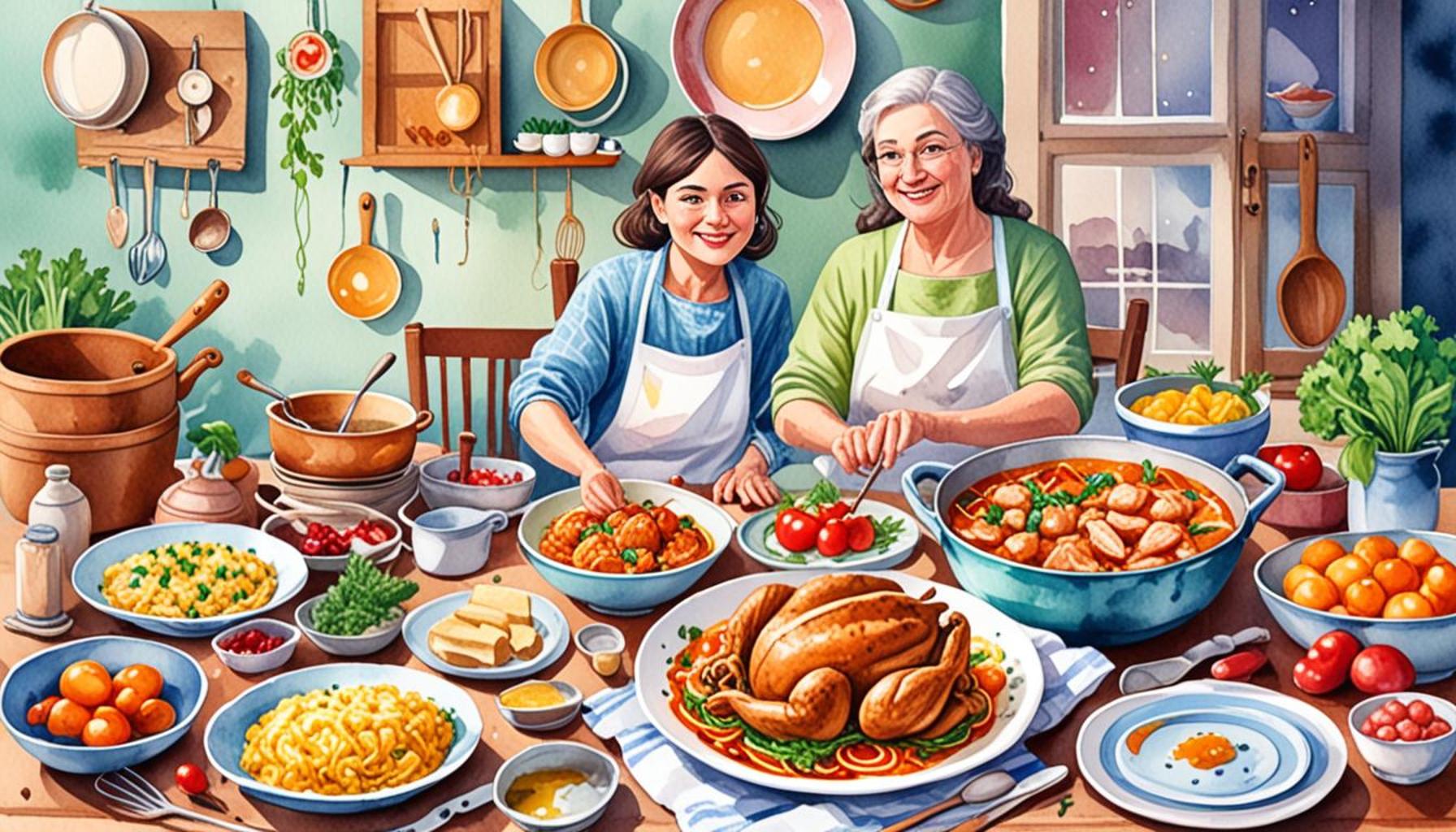
In the hustle of modern life, family dinners sometimes lose their warmth and significance. Many Americans are rediscovering traditional recipes that once filled their homes with delicious aromas, evoking cherished memories and stories passed through generations. The revival of these time-honored dishes symbolizes a yearning for simplicity and connection amidst our fast-paced lives.
Rich Backgrounds of Traditional Recipes
Traditional family dishes often come with rich backgrounds that weave together history, culture, and nostalgia. For example, Grandma’s meatloaf serves as more than just a comfort food; it’s a dish that many families have adapted over time, incorporating various ingredients that reflect their unique heritage. Whether it’s a pinch of seasoning passed down through generations or the specific garnish that triggers a flood of nostalgic memories, meatloaf acts as a culinary canvas bringing family together.
Southern gumbo offers another arena for exploration, blending influences from African, French, and Spanish cuisines. This hearty dish, often filled with a mix of meats and seafood, tells stories of communal gatherings where families celebrate togetherness. In the Deep South, gumbo is not merely food; it is a way of life, reflecting cultural resilience and the importance of maintaining culinary traditions.
Chili con carne is a spicy emblem of regional pride and family traditions, especially prominent in Southwestern states. Each family tends to have their special twist—be it using ground turkey instead of beef or a secret ingredient that they refuse to share. The fierce debates over the “correct” way to prepare chili illustrate how food can bring communities together while highlighting individual tastes and stories.
Culinary Journey and Family Bonds
These recipes not only nourish the body but also serve as a bridge connecting us to our roots. The act of preparing these dishes can spark conversations, leading to discoveries about family history and shared experiences. Cooking together can become an opportunity for storytelling, where parents weave tales of their childhood while children absorb life lessons gently wrapped within these narratives.
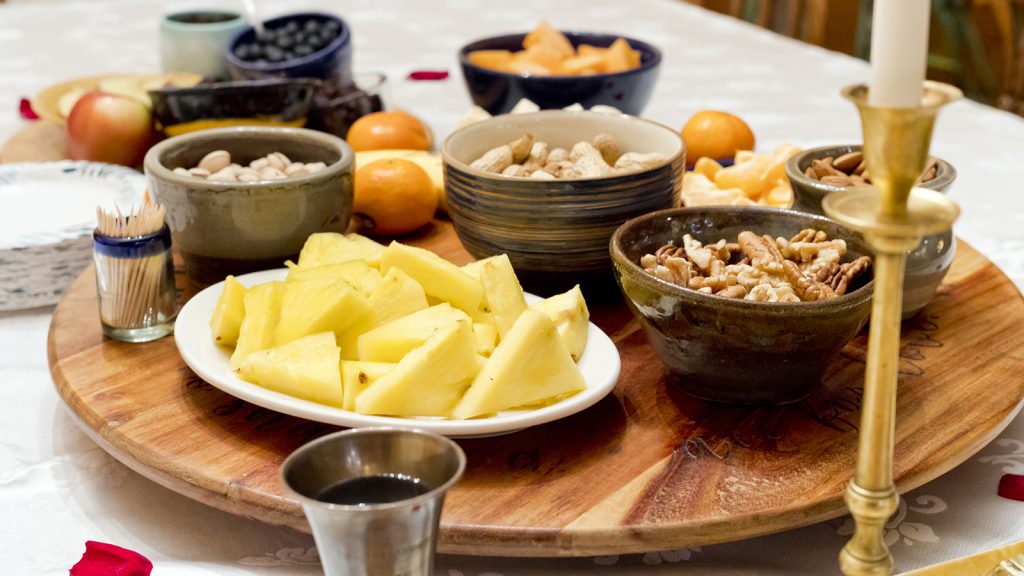
As we embark on this culinary journey, the flavor of nostalgia can become a potent ingredient on the modern family table. By dedicating time to revitalize these recipes, families not only sustain culinary traditions but also cultivate a sense of belonging and identity among generations. Engaging in this practice fosters an environment where sharing a meal becomes an integral part of life, reestablishing connections that many families may have taken for granted.
Join us as we explore how reviving these traditional recipes enriches our connections and preserves our cultural legacies, reminding us that food is, indeed, a universal language that transcends time and space.
DIVE DEEPER: Click here to learn more
Rediscovering the Taste of Tradition
As families gather around the table, reviving traditional recipes transcends mere sustenance; it reawakens the emotional and cultural tapestry that binds generations together. For many households, recreating these family dishes is a way to honor the culinary heritage that has shaped their identities. These recipes often carry rich narratives embedded within them, serving as windows into the past and preserving the history of families.
One popular dish that has sparked a revival is lasagna, a comfort food that has woven itself into the fabric of American life, particularly among Italian-American families. The multi-layered dish, traditionally filled with hearty meat sauce, creamy ricotta, and gooey mozzarella, is often a labor of love. Many families boast their own unique takes on this classic, such as adding vegetables to the sauce or alternating cheeses. The stories shared during its preparation, often involving grandparents discussing their childhood in the Old Country, create a rich narrative that enhances the experience.
Jean’s famous pot roast, another cherished family dish, brings forth stories of cold winters and Sunday dinners that linger long after the meal is over. The simple act of searing the meat and slow-cooking it with root vegetables not only fills the house with inviting aromas but also stirs up reminiscences of gatherings around the dinner table while laughter and stories filled the air. This dish is often passed down through generations, each family member contributing their subtle twist, reinforcing the bond through shared traditions—an essential ingredient that goes well beyond just food.
Exploring the Tapestry of Regional Flavors
The revival of traditional recipes also opens doors to an exploration of regional flavors across the United States. Each area boasts its unique culinary inheritance, and understanding these regional dishes can be an enlightening journey. For instance:
- New England clam chowder epitomizes coastal comfort with its creamy base, offering a taste of the ocean’s bounty while telling the stories of fishermen and their families who relied on the sea for sustenance.
- Midwestern casseroles, often a staple at family reunions, showcase the practicality of feeding a crowd using affordable ingredients, each variant echoing the adaptations made by loving hands.
- Pacific Northwest salmon, grilled over an open fire or baked with herbs, evokes the natural beauty of the region and highlights the indigenous cultures’ reliance on sustainable practices and respect for the environment.
By delving into these regional specialties, families not only gratify their hunger for traditional meals but also cultivate a deeper appreciation of their cultural roots. Each dish serves as a reminder of shared heritage, uniting families in delicious discourse that carries the essence of their unique stories.
In reviving these cherished family recipes, we do more than just create meals. We weave a tapestry of our lives, celebrating the intergenerational wisdom, struggles, and triumphs that linger long after the dishes are cleared away. With every bite, we remember that food is more than nourishment—it’s a celebration of life, love, and connection.
| Category | Advantages |
|---|---|
| Heritage Connection | Reviving traditional recipes fosters a deeper connection to family history and ancestral cultures. |
| Promotes Family Bonding | Cooking and sharing meals together strengthens family ties, creating lasting memories. |
Exploring traditional family recipes opens a window to the past, allowing us to appreciate the rich culinary history that has shaped our identities. Each dish often carries a story, passed down through generations, reflecting not just food preferences but cultural traditions and values. With a focus on these time-honored meals, families can revitalize their connections to heritage while ensuring that these recipes do not fade into obscurity.Additionally, the communal aspect of preparing and enjoying a family meal invites participation from all generations. This not only encourages the younger members of the family to learn about their cultural background but also creates opportunities for sharing stories and experiences, further enriching family ties. By embracing these shared culinary practices, families can create a sense of belonging and continuity that transcends time.
DISCOVER MORE: Click here to dive deeper
Celebrating Family Heritage through Food
The revival of traditional family recipes also serves as an important cultural practice, driving families to explore the diverse historical influences that have shaped their culinary traditions. With America being a melting pot of cultures, many families find themselves balancing multiple culinary influences. For instance, the birria tacos that have become highly popular at family gatherings often reflect Mexican roots, a reminder of cultural heritage for many Latinx families, showcasing marinated goat or beef slow-cooked in aromatic spices. The act of preparing birria, ideally celebrated during festive occasions, instills a sense of community and togetherness, as family members often gather to help chop, mix, and cook.
In certain households, the preparation of jambalaya, a Creole and Cajun dish, unites families in a flavorful dive into Louisiana’s history. Each family has its take on this one-pot meal; some include chicken and andouille sausage, while others might opt for seafood variations, integrating local catch into their recipes. The stories exchanged while preparing this vibrant dish are steeped in local culture, reflecting the history of the region’s early settlers and the rich influences of African, Spanish, and French culinary traditions.
Documenting the Culinary Journey
As families continue to revive traditional dishes, many are also realizing the importance of documenting their culinary heritage. This can take the form of family cookbooks, where cherished recipes are gathered alongside personal anecdotes and stories that accompany them. In recent years, social media has played a significant role in this movement, with hashtags like #FamilyRecipe and #TasteOfHome highlighting the growing enthusiasm for sharing time-honored recipes on platforms like Instagram and TikTok. Families are not just feeding their loved ones; they are also inviting the world to join in the celebration of their heritage.
In addition, community gatherings such as food festivals have seen a rise to support this culinary exploration. Events like heritage food festivals allow families to share traditional dishes with the broader public, facilitating intergenerational discussions about food, culture, and identity. By participating in such festivals, families not only connect with their ancestral roots but also educate others about the cultural significance behind beloved dishes.
- Soul food gatherings serve as a potent reminder of African American history, where dishes like collard greens, cornbread, and fried chicken are lovingly served, each plate holding stories of resilience and community.
- Italian festivals across the nation celebrate recipes that have been passed down through generations, where dishes like pasta e fagioli and traditional cannoli allow families to share not only their love for food but their familial journey.
The embrace of traditional family dishes is a dynamic expression of cultural identity, bridging generational gaps through the act of cooking and sharing meals together. As families nourish their souls and bodies with time-honored recipes, they are also nurturing a sense of belonging and connection amid a fast-paced, ever-changing world.
DIVE DEEPER: Click here to discover your creative voice
Conclusion
The revival of traditional family dishes is not merely a culinary endeavor; it is a profound exploration of our identities, ancestry, and shared stories. As families embrace the recipes that have been lovingly passed down through generations, they simultaneously weave a tapestry of cultural narratives that enrich the fabric of our society. Whether it’s the comforting aroma of chicken and dumplings simmering in a pot or the vibrant colors of a paella gracing the table, each dish offers a taste of history and a reminder of the values that bind us together.
By documenting these cherished recipes in family cookbooks or sharing them on social media platforms, families are not only preserving their culinary heritage but also inviting future generations to partake in their rich traditions. The rise of heritage food festivals further amplifies this movement, bringing together diverse communities to celebrate their unique flavors and stories. Such gatherings highlight the importance of food in fostering connections, both within families and across cultures.
As we navigate the complexities of modern life, reviving traditional family recipes serves as a powerful reminder of where we come from and the enduring bonds of love and community. By cherishing these dishes and the stories they carry, we empower ourselves to honor our past while enriching our present and future. So, let’s gather around the table, share our rich culinary histories, and continue to celebrate the timeless tradition of family cooking that nourishes not just our bodies, but our souls as well.