Exploring the Diversity of Musical Talents: How Different Cultures Influence Musical Creativity
The Universal Nature of Music
Music serves as a vital connector in society, allowing individuals to express their emotions, share stories, and forge connections regardless of distance. This shared experience of sound transcends linguistic barriers, creating a universal language that invites participation from all corners of the globe. The ways in which music reflects cultural identity and creativity is both complex and compelling. Cultures all over the world have distinct musical traditions that embed their values, histories, and emotional landscapes into the very fabric of their sound.
Jazz: A Melodic Story of Resilience
Jazz emerged in the early 20th century, primarily from African American communities in New Orleans. Its roots can be traced to a blend of African music traditions, blues, and ragtime—a testament to its origins in a diverse cultural melting pot. What sets jazz apart is its improvisational nature, emphasizing spontaneity and personal expression. Iconic figures such as Louis Armstrong and Duke Ellington expanded the genre, infusing it with rich musical vocabulary and emotional depth. Each jazz performance can be considered a new narrative, and the innovative spirit of jazz continues to influence various modern music styles, including rock and hip-hop.
Reggae: The Voice of Social Change
Originating from Jamaica in the late 1960s, reggae is more than just music; it’s a platform for social and political commentary. Artists like Bob Marley used reggae as a means to address issues such as inequality, resistance, and unity. The distinctive rhythmic pattern known as “one drop” brings a unique flavor, while heavy bass lines and soulful melodies create an inviting atmosphere for listeners. Reggae’s global reach has inspired numerous artists across various genres, and its messages resonate deeply, contributing to civil rights movements beyond Jamaica.
Classical Music: The Cultural Legacy of Europe
European classical music, spanning from the medieval era to contemporary compositions, showcases the rich tapestry of cultural heritage embedded in its structures. Composers like Johann Sebastian Bach, Ludwig van Beethoven, and Wolfgang Amadeus Mozart utilized traditional folk motifs and classical forms to create masterpieces that reflect the wisdom and artistry of their eras. These works not only shaped the Western musical tradition but also served as a blueprint for numerous styles across the globe, from film scores to modern orchestral arrangements.
Embracing Diversity in Musical Expression
The diversity of musical talents found around the world offers a wealth of opportunities for exploration. For instance, the vibrant rhythms of African drumming cultivate communal unity and celebration, while the delicate melodies produced by East Asian string instruments, such as the erhu and the guzheng, evoke emotions tied to nature and spirituality. Each cultural soundscape provides insight into the values, struggles, and triumphs of societies.
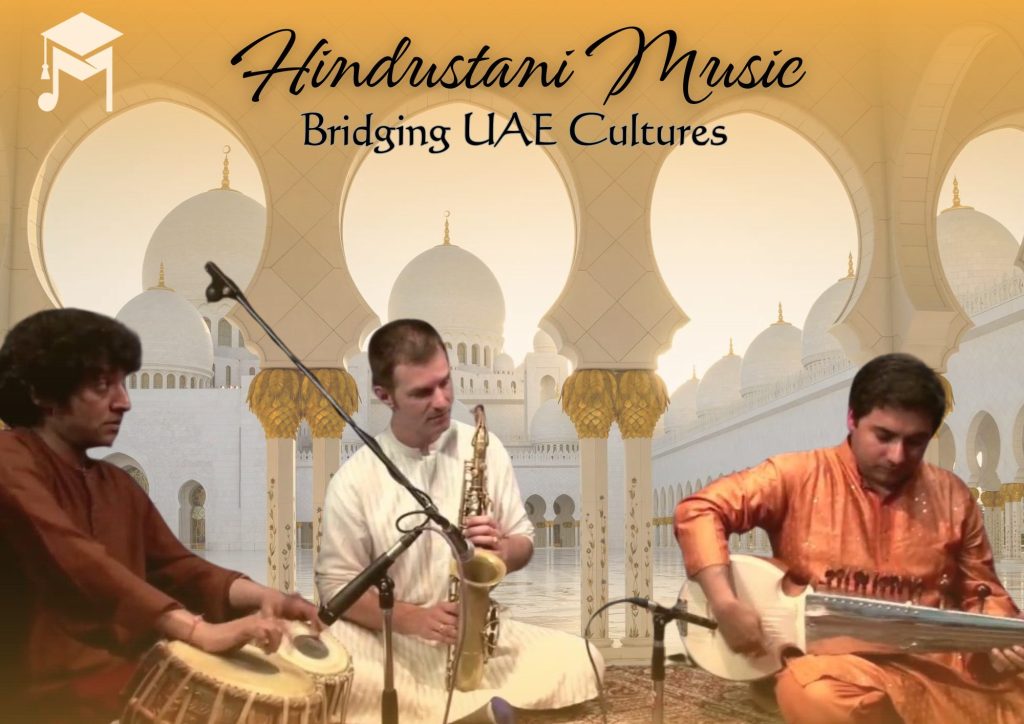
As we delve deeper into the intricate interplay between different musical traditions, we discover how each culture shapes the broader tapestry of music, allowing us to appreciate an ever-evolving art form that continues to inspire and unify. Through this journey, we uncover not just notes and rhythms, but also the shared humanity that binds us all together through the power of music.
DISCOVER MORE: Click here to dive deeper into culinary sustainability
The Impact of Cultural Heritage on Music
The interaction between culture and music is profound, with each influencing the other in a dynamic relationship that has evolved over centuries. Music serves as both a reflection of cultural identity and a means of cultural preservation. Different regions around the world have developed unique musical traditions, each contributing to the diverse landscape of global sound. By examining various forms of music, we can uncover how cultural heritage influences creativity and expression within an artistic framework.
The Role of Folk Music
Folk music is often the heartbeat of a community, encapsulating its history, struggles, and celebrations. This genre, which stems from the everyday lives of people, is typically passed down through generations orally, creating a living tradition that continues to adapt. In the United States, for example, the rich tapestry of folk music includes genres like bluegrass, Appalachian, and Native American sounds. Each of these styles reflects the unique experiences and stories of the populations from which they originate, often incorporating traditional instruments and storytelling techniques.
- Bluegrass: Originating in the Appalachian region, bluegrass is characterized by its fast-paced rhythms, intricate harmonies, and the use of instruments such as the banjo, fiddle, and mandolin. It often tells stories of life in the rural South, intertwining personal narratives with broader cultural themes.
- Appalachian Folk: This style draws from a variety of influences, including English, Irish, and African American music traditions. The resulting melodies evoke the natural landscapes of the mountains, emphasizing community and the human experience.
- Native American Music: Spirituality, nature, and community are integral to Native American music, expressed through drumming, singing, and dance. Performances often play a vital role in rituals and gatherings, preserving the cultural fabric of Indigenous identities.
The Influence of Globalization
With the advent of technology and globalization, the exchange of musical ideas has accelerated, creating new hybrid genres that reflect the blending of cultures. This phenomenon allows artists to draw inspiration from diverse musical backgrounds, leading to innovative sounds that speak to modern audiences.
For instance, world music has gained popularity, often merging local rhythms and instruments with contemporary pop styles, making it accessible to a broader audience. Artists such as Shakira have successfully integrated elements of Latin rhythms into mainstream music, showcasing how cultural blending can create fresh expressions of creativity. Additionally, genres like Afrobeats have fueled excitement in the music industry, combining traditional African music with global pop, thereby amplifying the voices of African musicians on the world stage.
The ability of music to adapt and evolve over time reflects the societies in which it exists. As we probe further into the influence of cultural diversity on musical creativity, we reveal the innovative ways artists engage with their heritage while making impactful statements in today’s world.
As we delve further into the rich tapestry of global music, it becomes evident that the cross-pollination of cultures plays a crucial role in shaping musical talent. The diversity of musical traditions across cultures not only enriches the arts but also opens the door to new forms of creativity that may never have emerged in isolation.
For instance, the fusion of traditional African rhythms with Western jazz has given birth to unique styles that are rhythmically complex and emotionally resonant. Musicians from different backgrounds often collaborate, blending instruments, techniques, and languages, allowing for a profound exchange of ideas. The improvisational nature of jazz, mixed with the polyrhythms found in West African music, exemplifies how cultural intertwining can lead to innovative sounds and styles.
Additionally, the globalized nature of today’s world allows different nations to share and celebrate their musical heritage like never before. The internet fuels this movement by providing platforms for artists to showcase their work internationally. Social media has transformed the way musicians connect with audiences, encouraging them to explore new influences that can lead to the evolution of their unique sound, exemplified by the viral rise of K-pop or the resurgence of folk traditions in contemporary music.
Furthermore, government initiatives and cultural exchanges are vital in promoting musical education that includes diverse cultural influences. Programs that emphasize the importance of understanding various musical forms can nurture a generation of artists who are adept at drawing inspiration from multiple sources, ultimately contributing to a more vibrant musical landscape.
In this ever-evolving exchange of cultural influences, genres bubble and merge, leading to the continuous evolution of music. As we recognize and appreciate the multicultural influences in music, it challenges traditional boundaries and encourages listening beyond what is familiar—a journey ripe with discovery.
| Cultural Influence | Impact on Creativity |
|---|---|
| African Rhythms | Enhances complexity in modern jazz. |
| K-pop Fusion | Creates a global fanbase through innovative blends. |
Exploring the diversity of musical talents underscores the importance of understanding and celebrating different cultures. Each contribution adds a layer of richness to the world’s soundscape, inviting listeners to explore and engage with music that transcends borders.
EXPLORE MORE: Click here to dive deeper</
The Interplay of Modern Genres and Cultural Influences
As the landscape of music continues to evolve, one significant aspect is the emergence of modern genres that showcase the intricate interplay of diverse cultural influences. These genres often serve as platforms for artists to experiment with their identities and express multifaceted cultural narratives. Genres such as reggaeton, trap, and k-pop are not just musical styles; they represent the vibrant fusion of traditional elements with contemporary sounds, reaching audiences around the globe.
Reggaeton: A Cultural Melting Pot
Hailing from Puerto Rico, reggaeton has surged in popularity over the last two decades. This genre combines Latin rhythms, hip-hop beats, and dancehall influences, creating a sound that resonates with young audiences worldwide. The beginnings of reggaeton can be traced back to the underground music scene in the late 1990s, where artists like Daddy Yankee and Don Omar fused Caribbean musical traditions with urban beats. The result is a genre that not only provides entertainment but also addresses social issues prevalent in Latin American communities, such as poverty and identity struggles.
Hip-Hop: A Voice for the Marginalized
Hip-hop has established itself as a global phenomenon, with roots deeply embedded in African American culture. Originating in the Bronx in the 1970s, hip-hop has grown to include influences from various cultures. The incorporation of different musical styles—such as jazz, funk, and reggae—within hip-hop illustrates its adaptability and reach. Artists like Lin-Manuel Miranda have celebrated this diversity through projects like “Hamilton,” blending traditional musical theatre with hip-hop, redefining what storytelling can look like in contemporary culture. Each verse, each beat, pays homage to the struggles and triumphs of underrepresented voices, showcasing how cultural backgrounds deeply influence artistic expression.
K-Pop: Global Sensation and Cultural Pride
The k-pop phenomenon has taken the United States and other parts of the world by storm. This genre blends catchy melodies, intricate choreography, and visual artistry, drawing on a mix of Western pop with traditional Korean elements. Groups like BTS and Blackpink not only break records on music charts but also resonate with fans by incorporating social themes, cultural pride, and messages of self-acceptance in their lyrics. K-pop’s unique approach includes an emphasis on fan engagement and community building, showcasing how a distinctly Korean sound can transcend borders and resonate globally.
The Role of Technology in Cultural Exchange
Today’s musical creations are further enhanced by advancements in technology, shaping how artists collaborate across borders. Through online platforms, musicians can share their influences and styles, experimenting with combinations that may not have been possible in a pre-digital era. For example, the collaboration between American producers and African artists has given rise to new genres like Amapiano, merging South African house music with global styles, further showcasing how cross-cultural partnerships spark musical innovation.
In summary, the continued exploration of cross-cultural influences in music fosters an environment ripe for bold experimentation. As a result, artists harness their unique backgrounds to create sounds that reflect their multifaceted identities. The diversity of musical talents enriched by cultural heritage and modern connectivity shapes the landscape of contemporary music, ensuring that every genre remains a canvas for personal expression and shared experiences.
DON’T MISS OUT: Click here to discover the magic of reading
Conclusion: The Ever-Evolving Tapestry of Musical Expression
As we conclude our exploration into the rich tapestry of musical talents influenced by diverse cultures, it becomes evident that music is not merely a form of entertainment but a profound medium for expression, communication, and connection. The fusion of various cultural elements in genres like reggaeton, hip-hop, and k-pop illustrates how traditional sounds can evolve into something new and exciting while preserving the essence of their heritage.
Moreover, the influence of technology cannot be overstated. It plays a pivotal role in facilitating global collaborations and bridging cultural divides. Musicians today can exchange ideas and styles at unprecedented rates, resulting in innovative sounds that reflect the world’s interconnectedness. This collaboration leads to fresh genres that resonate with a wider audience, fostering inclusivity and understanding through music.
In this ongoing journey of musical exploration, it is crucial for us, as listeners and enthusiasts, to appreciate and support this diversity of musical creativity. By recognizing the cultural narratives embedded in each genre, we can enrich our listening experiences and understand more about the social dynamics at play. As we embrace the multifaceted nature of music, we not only celebrate cultural differences but also discover the common threads that unite us all. This exploration is this vibrant landscape that continues to shape, challenge, and inspire the art of music worldwide.