Exploring Different Forms of Artistic Expression: Painting, Sculpture, and Performance as Creative Hobbies
Unleashing Your Creativity
Art has always been a profound outlet for human expression. Fortunately, exploring different forms of artistic expression is more accessible today than ever before. This article delves into three captivating artistic hobbies: painting, sculpture, and performance.
Why Explore Artistic Expression?
- Personal Growth: Engaging in art not only refines your skills but also boosts self-esteem. Completing a painting or crafting a sculpture provides a tangible sense of accomplishment. Many amateur artists report feelings of pride and increased confidence with each new piece they create, celebrating their unique perspective and skill development.
- Community Connection: Many artists find camaraderie in local workshops and online forums. These spaces enable individuals to share their journeys, exchange constructive feedback, and support one another. For instance, platforms like Instagram and Pinterest not only showcase personal projects but also connect artists with like-minded individuals across the globe.
- Stress Relief: Immersing oneself in creativity can be therapeutic and provide an escape from daily life. Art allows individuals to express feelings that might be difficult to articulate. Therapeutic art practices, such as art therapy, are increasingly recognized for their ability to aid in mental health recovery and promote emotional well-being.
Diverse Forms of Artistic Hobbies
Each artistic form brings unique experiences and challenges that can elevate personal satisfaction and creativity:
- Painting: From watercolors to oil paints, the possibilities are endless. Artists can experiment with different styles, such as impressionism or abstract, to find their voice. Local art supply stores often offer classes, making it easy to dip a brush into this colorful world, while online tutorials appeal to procrastinators or those who prefer a flexible schedule.
- Sculpture: Utilizing materials like clay, metal, or even recycled items, sculpting can be a tactile and rewarding pursuit. It encourages a hands-on experience that is distinct from painting. Many communities also have fused glass or pottery workshops to explore these methods further, promoting creativity and innovation.
- Performance: This includes theater, dance, and music, offering a dynamic way to express stories and emotions. Performance art invites participants to convey ideas and feelings in front of an audience, fostering connections through shared experiences. Local theater groups or community music classes provide opportunities for anyone willing to take the stage, regardless of prior experience.
Regardless of your artistic preference, engaging in these creative hobbies can enrich your life. They not only allow personal expression but also foster connections with others in the community. Dive deeper into the vibrant world of art, and discover how you can cultivate your own form of artistic expression while embarking on a fulfilling journey of self-discovery.
DIVE DEEPER: Click here to uncover the evolution of digital art
Unveiling the Canvas: The Allure of Painting
Painting is often regarded as one of the most immediate forms of artistic expression, allowing individuals to communicate feelings and ideas through color, texture, and form. Historically a medium celebrated by masters like Van Gogh and Monet, painting has evolved into a popular hobby that is accessible to all. With numerous styles ranging from realism to abstract expressionism, aspiring artists can explore their own creativity and interpret the world uniquely.
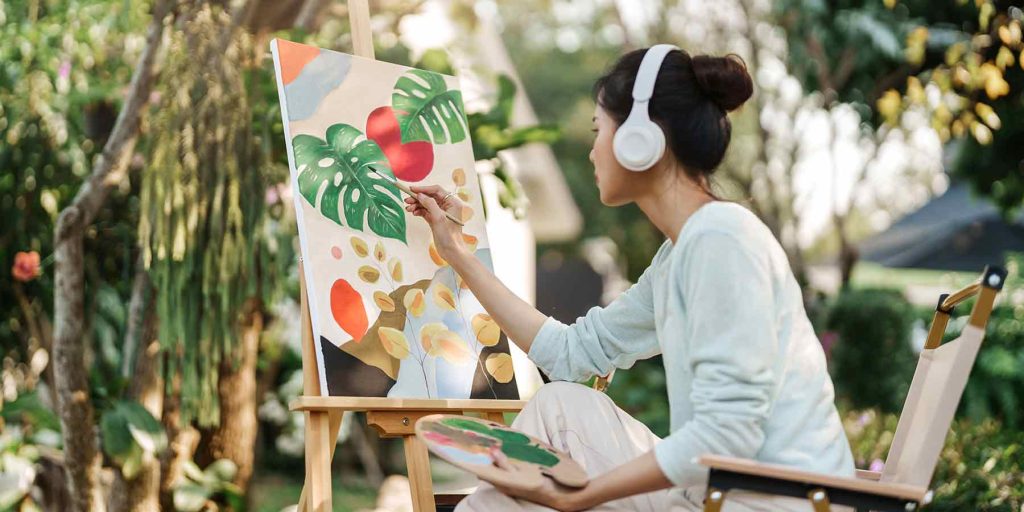
For many new painters, the journey begins with selecting the right medium. Watercolors, acrylics, and oils each offer different advantages. While watercolors are believed to promote a fluid and spontaneous style, acrylics dry quickly, facilitating layering and complex textures. Oil paints, on the other hand, offer greater range in blending and depth but require longer drying times, which can be a boon for detail-oriented artists. Whether taking a casual class at a local community center or following online tutorials, the learning curve can be enjoyable, rewarding, and profoundly therapeutic.
Community resources play a significant role in nurturing creative pursuits. Local art supply stores often host workshops and classes tailored for beginners, providing a space for individuals to experiment and connect with others who share their enthusiasm. Many artists also choose to document their progress online, sharing their latest creations through platforms like Instagram and Pinterest, which serve to connect a diverse global community.
Transformative Experience: The World of Sculpture
Sculpture is another dynamic form of artistic expression that engages the senses in a tactile manner. Unlike painting, which exists primarily on a two-dimensional plane, sculpture breathes life into three-dimensional forms, allowing for a direct interaction with the viewer. Artists can work with various materials such as clay, metal, stone, or even found objects, turning the mundane into masterpieces. The physicality of sculpting often lends itself to a different kind of creative satisfaction—one that could lead to hours spent in engrossed concentration as raw materials are transformed into extraordinary works of art.
Participating in sculpture often requires tools specific to the medium being used. For instance, clay sculptors may need modeling tools and a kiln, while metal workers may rely on welding equipment. Thankfully, many local workshops offer access to tools and materials, alongside instruction. Courses in pottery at community colleges or arts centers can unlock a new passion, allowing for exploration into pottery and ceramics, which marry function and art beautifully through the creation of tableware, sculptures, and decorative pieces.
Expressing Stories: The Art of Performance
Performance art, encompassing theater, dance, and music, pushes the boundaries of artistic expression by inviting audiences to witness the creation process itself. This lively form of art encourages creativity by weaving narratives and emotions through a combination of movement, sound, and drama. Whether it’s a community theater production, a local dance performance, or a live music event, performance art embodies the essence of sharing one’s voice in a communal space.
Many cities foster vibrant arts scenes, allowing aspiring performers to engage with local theater groups or dance troupes. These collaborative environments introduce individuals to the intricacies of performance, from scriptwriting to stage production. Joining a community choir or picking up an instrument in a local music class can rekindle the artistic spirit, offering not just an opportunity for self-expression, but a chance to build lasting friendships with fellow enthusiasts.
In summary, each artistic expression—be it painting, sculpture, or performance—offers distinct paths for individuals to explore their creativity and share their stories. The journey through the world of art is not merely about refining techniques, but also about enriching one’s life experience. With countless resources available, anyone can begin crafting their narrative and discovering the beauty of their creative spirit.
Exploring the Transformative Power of Artistic Expression
Engaging in artistic activities such as painting, sculpture, and performance not only serves as a creative outlet but also significantly enhances mental well-being. Various studies underscore the beneficial effects of these hobbies on emotional and psychological health, illustrating how immersive artistic practices can lead to reduced anxiety and increased feelings of happiness. The act of creating art encourages mindfulness and presence, allowing individuals to express thoughts and feelings that may be difficult to articulate verbally.
The Role of Painting in Emotional Expression
Painting, in particular, allows individuals to convey their emotions visually, using colors, shapes, and textures to reflect inner experiences. The freedom to express oneself through the medium of paint can be liberating, providing an individual with a sense of accomplishment and personal insight. Moreover, joining painting classes or workshops can foster a sense of community and provide opportunities for collaboration with fellow art enthusiasts.
Sculpture: A Tactile Experience
Sculpture, on the other hand, engages the tactile senses. It requires a hands-on approach that allows artists to manipulate materials like clay, stone, or metal, facilitating not only creativity but also physical engagement. This art form can be particularly therapeutic, as the physical act of sculpting can create a connection between mind and body, leading to a sense of fulfillment. Participating in sculpting groups also enables artists to share techniques and inspiration, enriching the creative process.
The Dynamic Nature of Performance Art
Performance art introduces an interactive dimension that invites both the artist and the audience to engage in a shared experience. This form of art extends beyond visual aesthetics, incorporating movement, sound, and narrative to evoke emotional responses. Participants in performance art often share personal stories, offering a unique platform for connection and empathy with the audience. The collaborative nature inherent in performance fosters community engagement and a deeper understanding of varying perspectives.
| Category | Advantages |
|---|---|
| Painting | Enhances emotional expression and mindfulness. |
| Sculpture | Promotes physical activity and tactile creativity. |
| Performance Art | Fosters community connection and shared experiences. |
Ultimately, the exploration of these different forms of artistic expression reveals a myriad of personal and communal benefits. As individuals dive deeper into their creative hobbies, they not only cultivate their artistic skills but also greatly contribute to their overall well-being and social connections. Each form of artistic expression plays a vital role in the tapestry of human creativity, offering numerous avenues for exploration and enjoyment.
DISCOVER MORE: Click here to learn about the therapeutic power of art
Delving into the Emotional Spectrum: The Impact of Art Therapy
As exploring different forms of artistic expression grows increasingly popular, art therapy has emerged as a powerful tool for enhancing mental health and well-being. This therapeutic practice integrates creative hobbies like painting, sculpture, and performance as a means of emotional expression and healing. Participating in these activities can provide individuals with a safe outlet for exploring feelings and overcoming challenges, making art a cathartic experience.
Art therapy is based on the premise that creativity offers a unique approach to self-discovery and healing. Engaging in creative processes fosters a sense of connection to oneself, helping individuals articulate feelings that may be difficult to verbalize. Research supports this notion, indicating that art activities can reduce anxiety, improve mood, and increase self-esteem. As practitioners foster supportive environments, participants often find themselves loosening the grip of stress, leading to profound transformations.
Various programs across the United States, including those in hospitals, rehabilitation centers, and community organizations, have embraced the concept of art therapy. Individuals seeking an art therapy experience often attend workshops led by trained therapists who guide participants through exercises tailored to their emotional needs, such as painting their feelings or sculpting their thoughts into tangible forms.
Additionally, many educational institutions offer art therapy courses for aspiring professionals, allowing students to explore the intersection of creativity and psychology. These programs highlight the profound impact art can have on mental health while educating future therapists in the importance of incorporating artistic expression into healing practices. As this field grows, more individuals are empowered to harness the therapeutic qualities of creative hobbies.
Unlocking Creativity Through Community Engagement
Another compelling reason to explore various forms of artistic expression is the sense of community created through shared interests. Engaging in creative hobbies often leads individuals to connect with others who share similar passions, fostering friendships that can last a lifetime. Community art projects, open mic nights, and collaborative exhibitions allow aspiring artists to network and showcase their talents, enhancing both personal growth and community spirit.
Many cities throughout the United States host annual arts festivals that invite artists and performers to showcase their work. Events like the Brooklyn Arts Festival or Chicago’s Lollapalooza not only celebrate artistic talents but also encourage attendees to participate in hands-on workshops, nurturing the next generation of creators. Such engagement can spark interest in various art forms and inspire individuals to explore new avenues of expression.
Local community centers often collaborate with artists to create workshops and classes accessible to individuals of all skill levels. This approach democratizes art, ensuring that anyone interested can dip their toes into painting, sculpture, or performance. Some organizations specifically target underserved populations, broadening access to the arts while promoting inclusivity and cultural diversity.
The Digital Age: Expanding Artistic Horizons
The digital age has profoundly transformed how individuals engage with artistic expression. The rise of social media platforms allows artists to display their work to a worldwide audience, creating opportunities for artistic collaboration and inspiration. Aspiring creators can join virtual communities centered around painting, sculpture, or performance, forging connections that transcend geographical boundaries.
Moreover, advancements in technology have led to the emergence of digital art forms—illustrating the versatility of creativity. Tools such as graphic design software and digital drawing tablets enable artists to explore new techniques while expanding the definition of traditional art. Online classes and tutorials offer learning opportunities that fit various schedules and lifestyles, empowering many to dive into their creative endeavors.
As the world of artistic expression continues to evolve, it remains evident that painting, sculpture, and performance stand out as vibrant avenues for personal and communal exploration. With countless resources available and the emergence of new technologies, individuals can engage their creativity, fostering lifelong learning and growth.
DISCOVER MORE: Click here to dive deeper
Conclusion: Embracing the Spectrum of Artistic Expression
In the journey of exploring different forms of artistic expression, whether it be through painting, sculpture, or performance, individuals tap into a world rich with creativity and personal growth. The benefits of engaging in these creative hobbies extend beyond mere enjoyment; they foster emotional well-being, build community connections, and challenge society’s understanding of art. The emergence of art therapy has highlighted the profound impact that creativity can have on mental health, enabling individuals to articulate complex emotions and find solace in their artistic expressions.
Furthermore, as technological advancements shape the landscape of creativity, the digital age opens new avenues for aspiring artists to explore and share their talents. Platforms for community engagement also thrive, allowing artists to connect with one another and collaborate on unique projects that enhance cultural diversity and inclusivity. As cities across the United States continue to host vibrant arts festivals and workshops, opportunities abound for individuals of all skill levels to dive into the world of artistic expression.
Ultimately, the exploration of painting, sculpture, and performance not only enriches our lives but also cultivates a deeper understanding of ourselves and others. As we continue to embrace these artistic forms, we invite greater creativity and innovation into our daily lives. The canvas, the clay, and the stage await—what will you create next?