
Developing Problem-Solving Skills Through Reasoning Puzzles
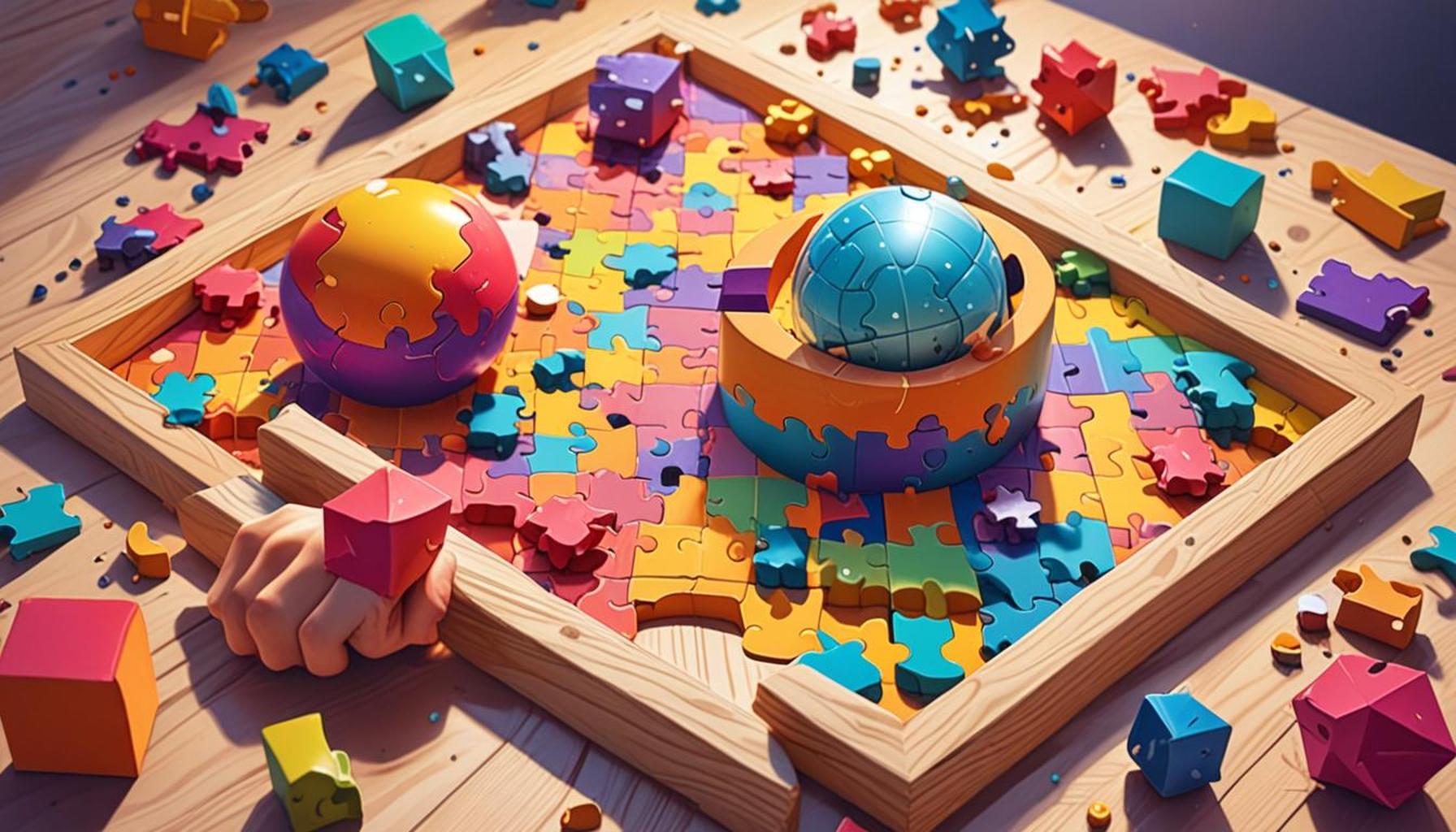
Unlocking Potential with Puzzles
In a world where challenges abound, developing strong problem-solving skills is essential. One effective and enjoyable method to enhance these skills is through reasoning puzzles. These engaging brain teasers not only entertain but also sharpen our analytical abilities, making them vital tools for individuals of all ages.
Why Choose Reasoning Puzzles?
Engaging with reasoning puzzles offers numerous benefits that can transform your cognitive abilities. Here are some compelling reasons to incorporate them into your routine:
- Enhancement of Critical Thinking: Reasoning puzzles, such as logic grids and deduction challenges, promote logical reasoning. By working through complex scenarios, individuals learn to break down problems into manageable parts and formulate structured solutions. For example, solving a logic puzzle about seating arrangements requires players to analyze given clues and deduce relationships, reinforcing critical thinking skills.
- Boosting Creativity: Beyond logic, these challenges encourage out-of-the-box thinking, often leading to innovative problem-solving strategies. Consider puzzles like lateral thinking riddles, which push you to think creatively and explore unconventional answers. This can enhance your ability to generate novel solutions in personal and professional contexts, a trait highly valued in today’s fast-paced work environments.
- Stress Relief: In addition to cognitive enhancement, solving puzzles can serve as a fun way to alleviate stress. Engaging in a challenging yet enjoyable activity allows individuals to escape from their daily grind, providing a refreshing mental break. Numerous studies have shown that focused activities like crossword puzzles can decrease stress levels and improve mood.
Many people have embraced puzzles ranging from classic riddles to complex sudoku grids. Puzzles are easily accessible, with many options available online or in local bookstores. Whether enjoyed individually during quiet evenings or shared with friends and family during gatherings, these activities foster social connections while contributing to cognitive development.
Get Started Today!
To dive into the world of reasoning puzzles, explore various options available in-depth online. Websites dedicated to puzzle-solving have countless resources, including daily challenges and community forums to exchange tips and experiences. Consider incorporating them into your daily routine, whether it be a 10-minute brain teaser during your morning coffee or a group rally of riddles during family game nights. The journey of problem-solving begins with a single puzzle, so unlock your potential and embrace the challenge!
DISCOVER MORE: Click here to enhance your mental agility
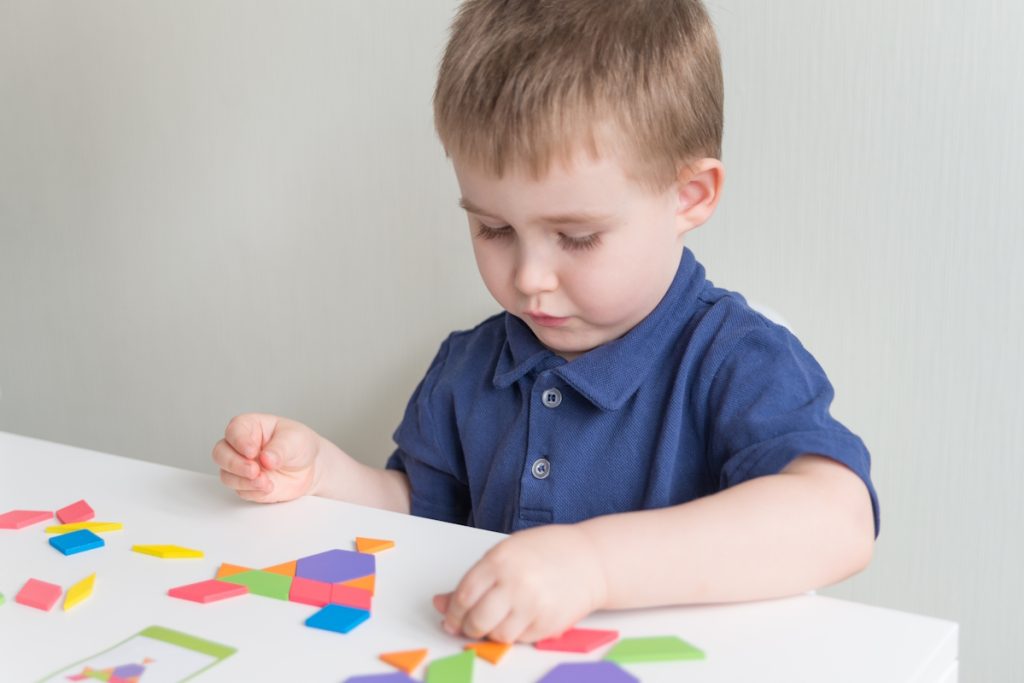
Navigating the Landscape of Reasoning Puzzles
To fully appreciate how reasoning puzzles contribute to skill development, it’s essential to understand the various types of puzzles available and the cognitive processes they engage. From classic brain teasers to modern digital challenges, these puzzles present a spectrum of difficulties and formats that cater to all ages and skill levels. Each type of puzzle can play a unique role in enhancing specific skills.
Types of Reasoning Puzzles
Here’s a closer look at some popular categories of reasoning puzzles and how they can bolster your problem-solving skills:
- Logic Puzzles: Logic puzzles often involve a set of statements and conditions to deduce a solution. For instance, in a traditional logic grid puzzle, players use deduction to figure out which person fits into which category based on given clues. This not only trains analytical skills but also encourages an understanding of logical relationships.
- Math Puzzles: These puzzles often require the use of numerical reasoning and relationships to find solutions. Examples include magic squares and number sequences. Such challenges sharpen quantitative skills and enhance the ability to think critically under numerical constraints.
- Lateral Thinking Riddles: Also known as “out-of-the-box” questions, these riddles require creative problem-solving and often have non-traditional solutions. For example, a riddle might present an unusual situation that demands a leap of logic to resolve. Engaging in these riddles can improve flexible thinking – a crucial component of problem-solving.
- Escape Room Puzzles: These puzzles simulate mystery-solving scenarios where players must solve a series of interconnected tasks to “escape.” They often require teamwork, leadership, and communication skills, making them perfect for group settings. Working through these challenges enhances collaborative problem-solving abilities.
Engaging with a variety of reasoning puzzles allows individuals to practice and refine different cognitive skills in a compelling way. Moreover, the tactile experience of pen-and-paper puzzles contrasted with digital formats caters to diverse preferences, promoting a sense of accomplishment when solutions are reached.
Establishing the Habit
Incorporating reasoning puzzles into one’s daily routine doesn’t require a substantial time commitment. Even dedicating just a few minutes each day to solving these puzzles can yield significant improvements in problem-solving capabilities. Start with a few simple puzzles and gradually increase the complexity as your confidence builds. Consider setting specific goals, such as completing a set number of puzzles each week or challenging friends to beat your times on particular puzzles.
As you navigate this journey of cognitive enhancement through puzzles, remember that the key is consistency and a willingness to embrace the challenges they present. By persevering through setbacks and celebrating the victories, you foster a growth mindset that extends beyond puzzles into everyday life.
| Category | Details |
|---|---|
| Enhanced Critical Thinking | Reasoning puzzles push individuals to analyze problems from multiple angles, fostering critical thinking. |
| Increased Patience | Solving complex puzzles requires time and persistence, helping to build a more patient and methodical approach to challenges. |
| Creative Solutions | Encouraging unique approaches to solving problems can ignite creativity in various aspects of life. |
| Collaboration Skills | Working on puzzles with others enhances teamwork abilities and communication skills. |
Developing problem-solving skills through reasoning puzzles presents numerous benefits that extend past the gaming table. Engaging with these puzzles not only sharpens one’s mental faculties but also instills a stronger sense of patience and determination. For instance, when faced with a particularly challenging puzzle, one learns to embrace failure as a stepping stone toward success. Moreover, reasoning puzzles encourage individuals to view issues from different perspectives, thereby enhancing their critical thinking capabilities. As you engage more with these brain-teasers, an unexpected benefit emerges: the cultivation of creativity. Each puzzle promotes the idea that there might be multiple viable solutions, pushing participants to think innovatively. Thus, whether you are a student, a professional, or simply a enthusiast of brain games, incorporating reasoning puzzles into your routine can yield significant improvements across various dimensions of personal and professional life.
DISCOVER MORE: Click here to delve into the science of puzzle solving
The Cognitive Benefits of Engaging with Puzzles
Exploring reasoning puzzles offers more than just entertainment; it provides a pathway to enhance cognitive function and improve various mental faculties. Research has consistently highlighted the positive impacts of engaging in intellectually stimulating activities. For instance, a study from the University of Manchester demonstrated that solving puzzles regularly can lead to sharper memory and greater mental acuity – crucial elements in the development of strong problem-solving skills. This effect underscores the importance of actively challenging oneself through puzzles as a means of cognitive training.
Memory Retention and Recall
Working through reasoning puzzles exercises memory retention and recall. Logic puzzles require players to keep multiple information points in mind while waiting to apply clues. This practice strengthens both short-term and long-term memory, making it easier for individuals to hold onto and manipulate information when tackling complex problems. For students or professionals managing large amounts of data and tasks, enhanced memory can lead to improved performance and less cognitive strain.
Increased Attention to Detail
Reasoning puzzles also sharpen one’s attention to detail. Engaging in tasks where small pieces of information critically affect the outcome, such as in Sudoku or intricate crossword puzzles, trains individuals to not only spot discrepancies but also appreciate how intricate details weave together to create a coherent whole. This attention to detail is particularly valuable in fields such as data analysis, engineering, and research, where overlooking a minor variable could lead to significant consequences.
Time Management Skills
Additionally, solving reasoning puzzles often comes with a time constraint, enhancing one’s ability to manage time effectively. Whether you’re racing against the clock to finish a crossword during your morning coffee or competing with friends in an escape room, the necessity to make quick decisions accelerates the development of time management skills. Learning to prioritize tasks and make swift judgments not only benefits puzzle enthusiasts but also translates to everyday situations like academic deadlines, project management, and even day-to-day life decisions.
Fostering a Competitive Spirit
Furthermore, the competitive element of puzzle-solving fosters a proactive mindset. Many puzzles can be solved individually, but sharing and competing with friends or colleagues can create a community that promotes collaboration and healthy competition. Challenge platforms, such as logic apps and puzzle-solving websites, often feature leaderboards, encouraging users to not only solve puzzles but inspire others to improve their skills as well. This competitive edge pushes individuals to sharpen their problem-solving strategies and explore different techniques.
Resourcefulness and Adaptability
Engaging with various types of puzzles also cultivates resourcefulness and adaptability. Many puzzles require players to think on their feet, shifting tactics as new information surfaces or challenges emerge. As one juxtaposes different approaches when faced with formidable puzzles, they hone the skill of flexibility. This adaptability in problem-solving is crucial not just in recreational activities but also in professional environments where conditions continuously evolve.
With such a diverse array of benefits, it becomes clear that reasoning puzzles are a multidimensional tool for developing critical problem-solving skills. Embracing this intellectual exercise can yield substantial rewards, not only enhancing one’s enjoyment of popular pastimes but also considerably enriching one’s cognitive toolkit for tackling real-life challenges.
DIVE DEEPER: Click here to uncover the power of mind games
Conclusion: Unlocking Potential Through Reasoning Puzzles
In a world increasingly defined by complexity, the ability to solve problems effectively is more important than ever. Developing problem-solving skills through reasoning puzzles not only provides enjoyment but serves as an enriching cognitive exercise that can transform the way we approach challenges in both personal and professional realms. By improving memory retention and recall, increasing attention to detail, honing time management skills, and fostering a competitive spirit, reasoning puzzles equip individuals with the mental tools necessary to navigate intricate issues.
Moreover, the engagement with various puzzles sharpens resourcefulness and adaptability, essential qualities in today’s dynamic and often unpredictable environments. Whether through a 10-minute Sudoku during a lunch break or a weekend escape room challenge, the consistent practice of these puzzles can cultivate a mindset that values strategic thinking and flexibility.
As more individuals and organizations recognize the cognitive benefits associated with puzzle-solving, it becomes increasingly clear that integrating these activities into daily routines can ignite creativity and problem-solving prowess. Therefore, the next time you find yourself tackling a challenging puzzle, remember: you are not just having fun; you are actively setting the stage for cognitive growth and enhanced life skills. It is time to embrace reasoning puzzles as a vital component of personal development and productivity. With just a bit of dedication, anyone can unlock their potential through this rewarding intellectual pursuit.