
Developing Critical Thinking Skills Through Board Games
Unlocking Potential Through Play
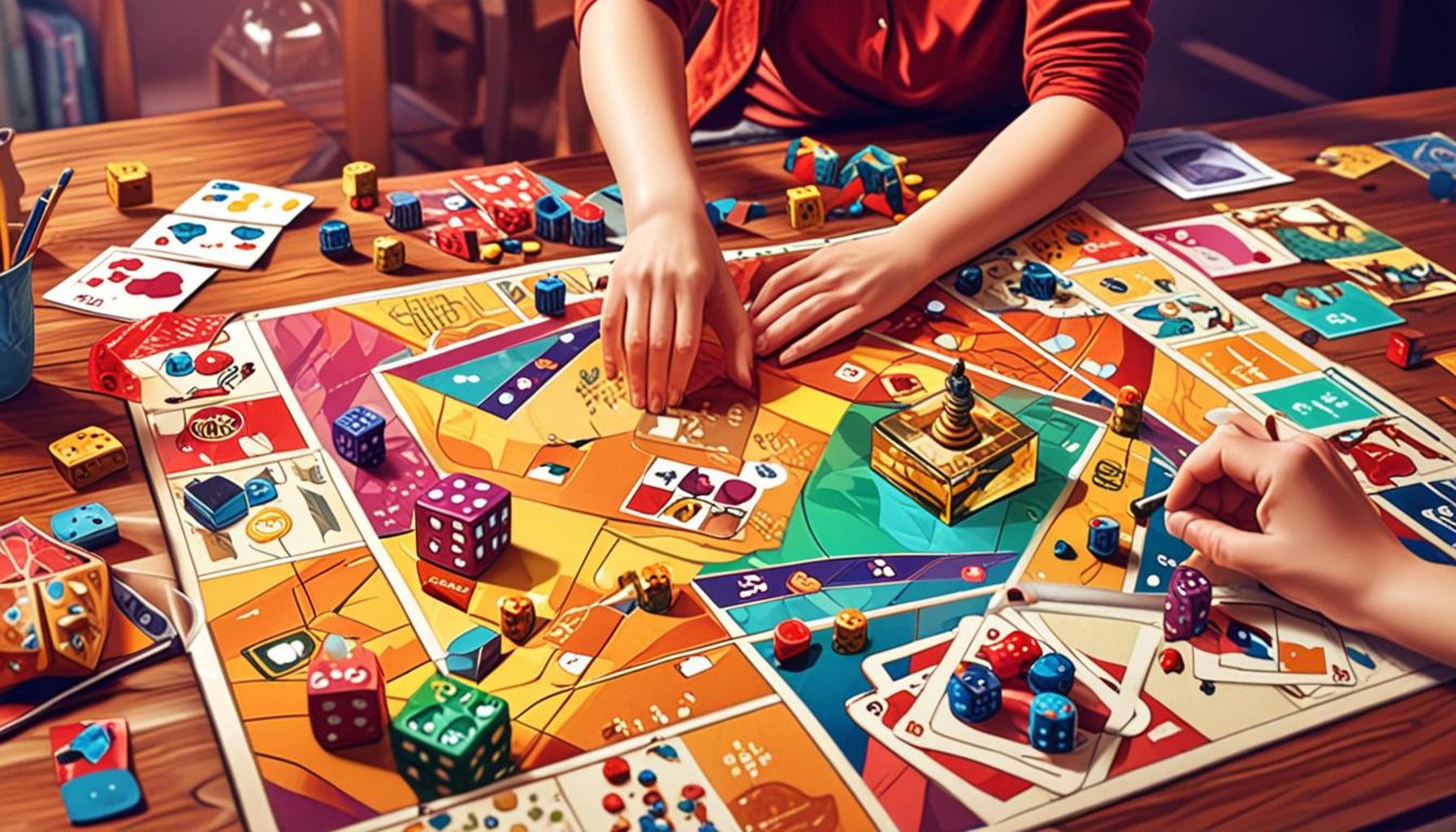
In a world that increasingly values critical thinking skills, finding innovative ways to cultivate these abilities is essential. One surprising yet effective method is through board games, which have been a staple of family entertainment for generations. These games are not just about fun; they are powerful tools for developing essential cognitive processes.
What Makes Board Games Effective?
Board games engage players in complex decision-making scenarios that require strategic thinking and problem-solving. From classic titles like Monopoly to modern hits such as Catan or Ticket to Ride, each game demands a unique blend of skills that directly contribute to cognitive development.
Here are some key features that bolster these learning outcomes:
- Strategic Planning: Players must think ahead and plan their moves. In games like Chess, anticipating an opponent’s maneuvers teaches foresight and the need to adapt plans based on changing circumstances.
- Risk Assessment: Evaluating potential outcomes helps enhance judgment. In games like Risk, players learn to weigh the benefits and drawbacks of each action, developing their ability to make informed decisions.
- Social Interaction: Communication and teamwork foster collaborative reasoning. Many board games require negotiation and cooperation, which can improve interpersonal skills and emotional intelligence.
Furthermore, studies indicate that regularly engaging with board games can improve skills such as analysis, flexibility, and creativity. For instance, games that involve resource management, like 7 Wonders, enhance players’ ability to think critically about resource allocation and strategize under limited constraints. These games can also adapt to various skill levels, making them accessible to both children and adults.
Join the Movement
As educational institutions increasingly recognize the benefits of incorporating games into their curricula, more families are rediscovering board games as a fun avenue to bolster critical thinking skills. Programs and after-school clubs focused on board gaming are springing up in schools across the United States, reinforcing the idea that learning can indeed be enjoyable.
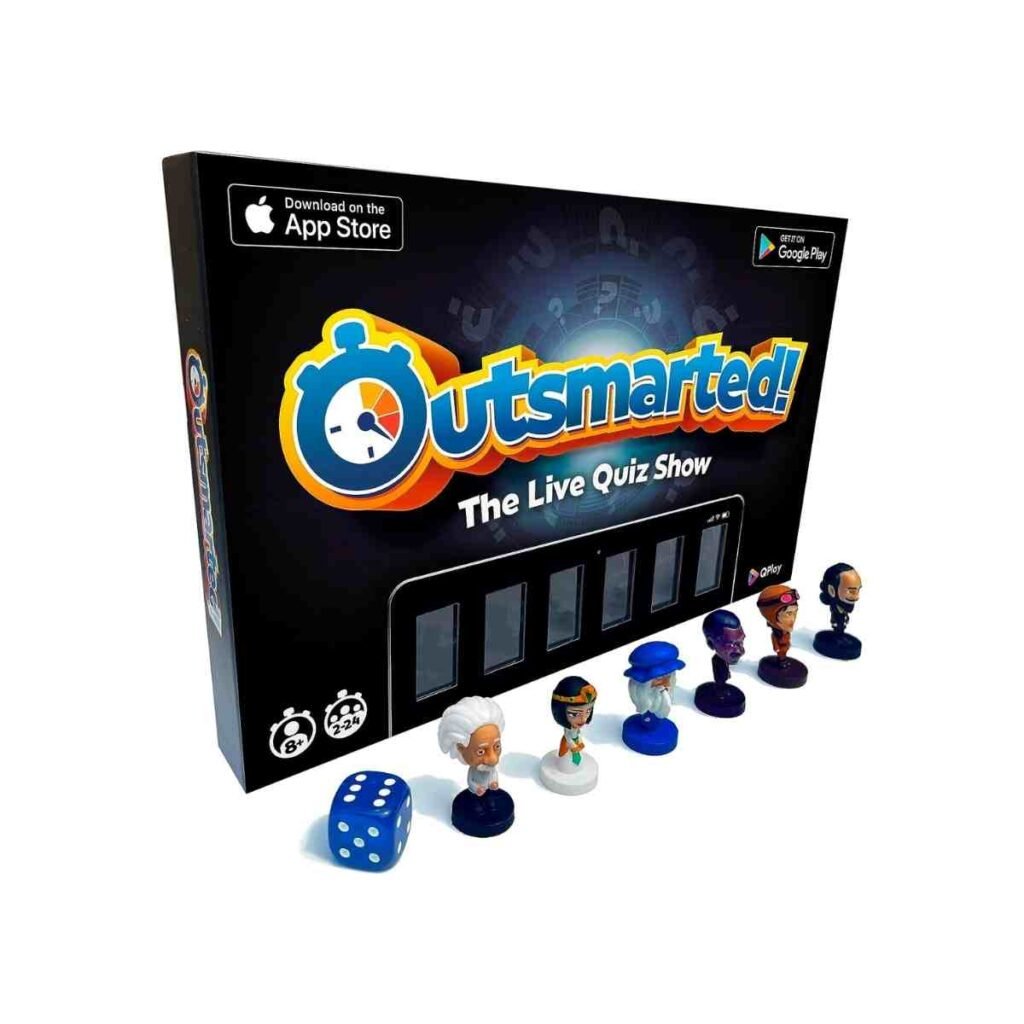
The journey toward mastering these competencies can start at your family table, unraveling not just the fun of competition but also the joy of learning together. Whether you’re strategizing in a game of Scrabble to improve vocabulary or competing in a round of Pandemic to foster teamwork, board games represent a rich opportunity to engage minds and inspire growth.
So gather your family and friends for a game night; the laughter and excitement shared around the table might just unlock new pathways of critical thinking and problem-solving.
DISCOVER MORE: Click here to learn how puzzles can boost your brainpower
Engaging Minds with Game Mechanics
Board games offer a unique blend of entertainment and learning that can significantly enhance critical thinking skills. Through strategic gameplay, players are presented with situations that mimic real-life challenges, requiring them to employ a variety of cognitive processes. Not only do these games provide a fun escape, but they also serve as efficient training grounds for developing analytical abilities.
The Cognitive Benefits of Board Games
When players immerse themselves in board games, they naturally engage in numerous processes that promote critical thinking. Here are several aspects of board games that contribute to cognitive growth:
- Problem-Solving: Many games involve unexpected obstacles that require players to think on their feet. Whether it’s navigating a complex scenario in Carcassonne or strategizing to outwit opponents in Settlers of Catan, individuals learn to identify problems and brainstorm multiple solutions, enhancing their ability to approach challenges creatively.
- Analytical Thinking: The mechanics of games often encourage players to analyze various outcomes based on their decisions. Titles like Ticket to Ride require players to consider the various routes and the short- and long-term implications of their choices, fostering deeper analytical skills.
- Logical Reasoning: Players must often follow a series of rules and guidelines during gameplay, sharpening their logical thinking. For example, in Chess, each move requires consideration of possible counter-moves, enhancing one’s ability to construct logical arguments and make sound decisions.
- Patience and Perseverance: Learning to wait for the right moment can be as critical as making the right move. Games often teach players the value of patience and the skill of persevering through setbacks, traits that are essential for effective problem-solving.
Research also suggests that exposure to board games can improve cognitive flexibility, allowing individuals to switch between tasks more effectively and consider alternatives when faced with new evidence. For instance, educational institutions have integrated board games into their teaching methods, reinforcing problem-solving and teamwork skills in students.
Broadening Perspectives
Another compelling factor is the social context in which board games are played. Engaging with others can enhance critical dialogues among participants—an aspect often overlooked in traditional learning environments. The need to collaborate or negotiate with fellow players provides a rich tapestry for practicing communication skills, which are crucial in today’s interconnected world.
As families and educators increasingly recognize the cognitive benefits of board games, there’s a growing movement towards incorporating these games into both home and educational settings. This not only provides an enjoyable pastime but also equips individuals with essential skills that extend beyond the game board.
So, dive into the engaging world of board games, where every roll of the dice or card drawn is an opportunity to cultivate critical thinking and creativity in a truly interactive way.
| Category | Key Features |
|---|---|
| Strategic Thinking | Board games encourage players to develop strategies, weighing risks and rewards carefully. |
| Problem-Solving Skills | Players face unique challenges, promoting innovative solutions and adaptive thinking. |
Continuing the exploration of how board games can foster critical thinking, it’s important to note that these games are not merely for entertainment; they serve as a platform for cognitive development. Games like chess require players to think several moves ahead, while others like Settlers of Catan make players consider resource allocation and negotiation tactics, effectively nurturing strategic thinking.Moreover, the act of analyzing outcomes and adjusting tactics based on opponents’ responses enriches players’ problem-solving skills. This dynamic environment helps to forge a mindset that thrives on creativity and adaptability, crucial traits in today’s fast-paced world. Engaging in these intellectual pursuits through board games cultivates a deeper understanding of complex situations, making them invaluable learning tools for both children and adults alike.
DISCOVER MORE: Click here to delve into the psychology behind problem-solving in mind games.
Fostering Collaboration and Communication
Beyond individual cognitive development, board games excel in promoting social interaction—an essential component of critical thinking. In group settings, players must communicate effectively, negotiate strategies, and sometimes engage in conflict resolution. This dynamic fosters an environment ripe for developing essential interpersonal skills necessary for navigating complex social landscapes.
Teamwork and Collaboration
Many modern board games emphasize collaboration over competition, encouraging players to work together towards a common goal. Games like Pandemic and Forbidden Island require participants to strategize and share information, tapping into collective problem-solving abilities. Players learn to listen, value different viewpoints, and contribute to team discussions, all while developing their critical thinking skills in real-time.
For instance, in a game of Pandemic, each player takes on a distinct role with unique strengths, necessitating a discussion of strategies that leverage these abilities. The success of the team relies not only on individual tactical thinking but also on effective communication and strategy adjustment based on the evolving scenario. As such, participants enhance not only their cognitive skills but also their emotional intelligence by practicing empathy and understanding the perspectives of their teammates.
Negotiation and Conflict Resolution
Games such as Catan highlight the importance of negotiation and resource management, posing challenges that require players to engage in discussions around trade and strategy. Players often find themselves navigating a range of opinions and tactics, which fosters a critical dialogue about bargaining practices and compromise. This exposure helps sharpen their negotiation skills, teaching them to advocate for their positions while maintaining a level of respect for opposing viewpoints.
Moreover, resolving disputes in gameplay can teach valuable lessons in conflict resolution. By discussing differing opinions and arriving at consensus-based solutions, players cultivate the ability to assess situations critically and navigate disagreements. This is particularly advantageous for children and young adults, who can transfer these skills into their everyday conflicts, whether in school projects or social interactions.
Game Variety and Critical Thinking
The unlimited variety of board games available today means that players can explore different themes, mechanics, and complexities that cater to various interests and skill levels. From trivia-based games like Trivial Pursuit, which challenges players’ recall and inference skills, to complex strategy games such as Twilight Struggle, which requires understanding historical contexts and geopolitical strategies, there is a game for everyone. This diversity allows players to engage with differing types of critical reasoning, making the development of these skills both varied and comprehensive.
Additionally, incorporating games that analyze social dynamics, such as Werewolf or Secret Hitler, enhances players’ abilities to read social cues and understand group psychology. These experiences scaffold critical thinking by forcing players to question motivations and anticipate actions, fostering a deeper awareness of their surroundings both in and out of the game context.
In essence, board games act as multifaceted tools that nurture critical thinking by intertwining fun with cooperative learning experiences. As players engage in collaborative problem-solving, negotiation, and diverse gameplay strategies, they naturally enhance their analytical skills, equipping them for academic and life challenges ahead.
DIVE DEEPER: Click here to discover how mind games can boost your problem-solving skills
Conclusion: The Transformative Power of Board Games
In today’s fast-paced world, honing critical thinking skills is more essential than ever, and board games offer a dynamic avenue to achieve this goal. With their multifaceted nature, these games provide a platform for engaging in collaborative problem-solving, effective negotiation, and strategic planning, which are key components of critical analysis and decision-making. As players navigate various scenarios and challenges, they practice crucial social interactions, enhancing both their cognitive and emotional intelligence.
The diverse range of board games available—from cooperative team efforts like Pandemic to competitive strategy games like Catan—ensures that there is something for everyone. This variety not only caters to different interests but also encourages the development of multiple critical thinking frameworks. Players learn to anticipate outcomes, evaluate risks, and reflect on their approaches, translating these experiences into real-life situations.
Moreover, the social aspect of board gaming bolsters active communication and fosters a community environment, where individuals can hone their interpersonal skills while enjoying the camaraderie of play. As children and adults alike engage with these games, they not only refine their analytical skills but also prepare themselves for the complexities of life beyond the game board.
Ultimately, engaging in board games is not merely a recreational activity; it is a compelling and enjoyable method of cultivating essential critical thinking skills. As we continue to embrace this form of interactive learning, the possibilities for personal and intellectual growth remain boundless, paving the way for a future generation of problem solvers and critical thinkers.