Culinary Arts as a Form of Self-Expression: Creating Dishes that Tell Personal Stories
Unleashing Creativity through Culinary Arts
In a world where words may fail, food becomes a universal language. Each dish served not only tantalizes the taste buds but also tells a story, weaving personal narratives into every bite. Culinary arts offer a canvas for individuals to express their unique identities and experiences, bridging gaps between cultures and generations.
The essence of cooking transforms everyday ingredients into profound statements. Through the art of gastronomy, chefs and home cooks alike can share:
- Heritage: Recipes passed down through generations often carry with them a rich tapestry of family history. For instance, a classic Southern gumbo might evoke memories of family gatherings, as grandmothers painstakingly crafted the dish, instilling traditions and flavors into the hearts of their children.
- Emotion: Certain dishes can evoke nostalgia or comfort, like a warm bowl of chicken noodle soup on a cold winter day, reminding someone of their childhood. This emotional connection emphasizes how food not only nourishes the body but also feeds the soul.
- Culture: Flavors that represent a cultural background allow diners to experience a slice of different worlds. For example, the spicy notes of Mexican mole not only deliver heat but convey a sense of celebration and community, integral to festivals and gatherings.
Whether it’s a family recipe that holds sentimental value or an experimental dish inspired by travels, these culinary creations resonate deeply. Each plate serves as a gateway to self-discovery, where creativity flourishes and personal stories unfold in a medley of flavors. For example, a dish that blends Italian and Asian ingredients may reflect a chef’s journey as a first-generation immigrant, merging traditions to create something wholly new yet deeply personal.
As modern dining evolves, the connection between food and personal expression grows stronger. Food is now often seen not just as a necessity, but as an art form that encapsulates creativity and passion. Food festivals, pop-up dining experiences, and cooking classes are emerging as platforms for individuals to showcase their culinary prowess while exploring diverse influences. Discover how culinary arts can serve not only as a way to nourish but also as a conduit for sharing life’s narratives in a deliciously engaging format, creating connections and fostering understanding in an increasingly complex world.
DON’T MISS: Click here to discover more about music’s influence on your mental health
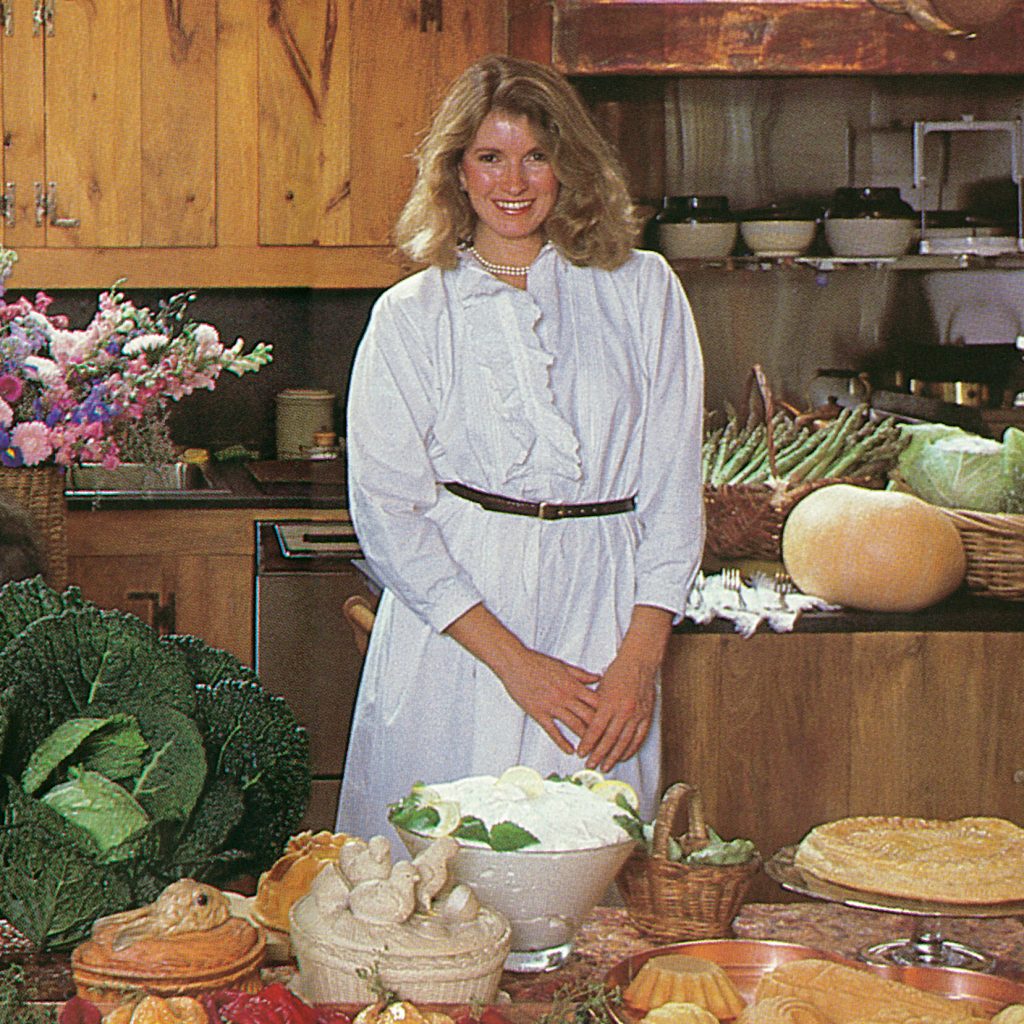
Flavors as Personal Narratives
When individuals approach the culinary arts, they often bring with them not only their skills but also a wealth of personal experiences, memories, and emotions. This phenomenon allows every cook, whether an amateur or a professional chef, to transform raw ingredients into vibrant dishes that convey their stories. Culinary expression goes beyond mere cooking; it serves as a powerful medium for identity, creativity, and connection.
Every ingredient chosen reflects a chapter in a person’s life, from the spices that ignite a passion for adventure to the comforting staples that signify peace and familiarity. Food, in essence, paints a vivid picture of who we are. By exploring the dishes that resonate with individuals, we uncover a deeper understanding of cultural and personal identities. Consider how a simple taco could symbolize the vibrant life of a family that values celebration and togetherness. Each ingredient, from the savory meat to fresh cilantro, aligns with not only flavors but also relational memories connected to that dish.
The Role of Tradition and Innovation
In many cases, culinary stories intertwine traditional recipes with personal interpretation. Tradition provides a foundation upon which innovation can build, resulting in dishes that are both timeless and contemporary. Many chefs take famous recipes and reinvent them, breathing new life into family heritage while making them appealing to modern palates. For instance, a New England clam chowder might be given an unexpected twist with spicy chorizo and cilantro, merging coastal New England traditions with Mexican cuisine. This fusion highlights how culinary arts can serve as a reflection of society’s evolution.
- Preserving Family Heritage: Young cooks often seek to honor their backgrounds by recreating meals passed down from ancestors, ensuring that legacies live on through flavors.
- Cultural Fusion: As cultures intermingle, the blending of various culinary elements creates unique dishes, such as Korean BBQ tacos, that highlight a shared narrative of adaptation.
- Personal Evolution: Chefs often develop their unique styles, merging tastes that resonate with their identities, showcasing how personal growth influences their culinary creations.
Furthermore, current culinary trends emphasize sustainability and local sourcing, compelling cooks to become storytellers in other ways. They embrace seasonal ingredients, often found at farmer’s markets, fostering a narrative of connection to the land and local communities. This practice not only elevates the dining experience but also provides an opportunity for chefs to express their values and ethical beliefs through their dishes.
Ultimately, the culinary arts stand as a testament to human creativity and resilience. Through each dish that is plated, cooks are not just serving food; they are sharing pieces of their lives, their histories, and their heartstrings. Culinary arts empower individuals to create a tangible representation of their narratives, inviting others to partake in their stories through the universal appeal of food.
Culinary Arts as a Medium of Personal Narratives
The world of culinary arts has evolved into a profound platform for self-expression, where each dish transcends mere sustenance and transforms into a narrative. Chefs, home cooks, and culinary enthusiasts alike utilize ingredients not just for taste, but to evoke memory and emotion. Through their cooking, they share stories that reflect their heritage, experiences, and personal journeys. For example, a dish might incorporate spices inherent to one’s cultural background, allowing the cook to communicate their identity and history.
Moreover, the act of cooking can serve as a therapeutic outlet. Individuals often find solace in the rhythm of chopping, simmering, and plating, offering a semblance of control in their otherwise chaotic lives. Culinary creators harness kitchen moments to process their thoughts and feelings, crafting dishes that reflect not only their current state but their aspirations and dreams.
Sharing Stories Through Flavor
When culinary artists present their creations to others, they are not merely serving food; they are sharing intimate stories. Each flavor is a note in a symphony of experience, drawing connections with those who consume it. Taste becomes a journey, taking diners through a series of emotional highs and lows, akin to turning the pages of a gripping novel. Whether it’s a family recipe passed down through generations or a unique creation that embodies a personal experience, the narrative conveyed through food fosters deep connections between the creator and the consumer.
Additionally, these culinary stories can challenge societal norms or spark dialogues around cultural appropriation and authenticity. As many chefs experiment with fusion techniques, the narratives can diversify, encouraging cross-cultural understanding while also raising questions about ownership in the culinary space. This merging of traditions offers a powerful discourse on contemporary identity.
| Category | Details |
|---|---|
| Personal Identity | Food choices often reflect cultural backgrounds, telling the chef’s personal story and heritage. |
| Emotional Connection | Cooking serves as a therapeutic outlet, allowing individuals to express emotions through creative culinary techniques. |
| Cultural Discourse | Fusion cuisine incites conversation surrounding culinary identity and challenges traditional narratives. |
In conclusion, culinary arts extend beyond technical skills; they are a vehicle for storytelling, emotional expression, and cultural dialogue. The dishes created carry deep meanings, resonating within both the cook and the diner. As we probe further into culinary arts, the realization dawns that every plate serves a story waiting to be told.
DISCOVER MORE: Click here to learn about the impact of music on inclusion and diversity</
Creating Dishes that Resonate Emotionally
The act of cooking can often evoke powerful emotional responses, deeply rooted in our sensory experiences. Every dish has the potential to transport individuals back to specific moments in time—be it a festive holiday, a family gathering, or a cherished childhood memory. The aromas that waft through a kitchen or the sight of a perfectly plated dish can trigger nostalgia, bridging the past and present in profound ways. For instance, people frequently connect the smell of fresh baked apple pie with grandmothers’ kitchens, capturing warmth and familial love that transcends years.
Moreover, culinary artists frequently harness the emotional resonance of their dishes by crafting meals that represent significant milestones in their lives. This can range from celebratory cakes for birthdays to heartwarming soups served during times of sorrow or illness. The emotional storytelling that emerges through these culinary creations can create community bonds and foster a sense of belonging. In this way, the table becomes a space for dialogue and connection, as diners share stories while savoring familiar tastes.
Culinary Arts and Personal Identity
The culinary arts also serve as a means of personal identity exploration. For many chefs, cooking is a way to articulate their individuality and unique perspectives. Their plates become canvases, showcasing their thoughts, cultural heritage, and experiences. Whether incorporating family recipes or channeling multicultural influences, chefs use ingredients and techniques in ways that mirror their identities. This practice empowers them to engage in discussions about identity politics, representation, and the ongoing dialogues surrounding food culture.
- Gender and Culinary Identity: The culinary world has long been shaped by gender dynamics. Female chefs often blend traditional meals with innovative techniques, challenging stereotypes while claiming their space in the professional kitchen.
- Racial and Ethnic Representation: Culinary expression serves as an avenue for racial and ethnic representation, allowing chefs from diverse backgrounds to share their heritage and create platforms for underrepresented cuisines.
- Personal Wellness: Many individuals express their journey toward health and wellness through food choices, crafting recipes that emphasize nutrition, sustainability, and transparency while sharing their paths to self-care.
Additionally, the rise of social media has revolutionized how culinary art and self-expression intersect. Platforms like Instagram and TikTok enable chefs and home cooks alike to showcase their culinary creations to a global audience, fostering connections between individuals with shared interests. Every shared recipe, cooking tip, or visual feast tells a story, contributing to an ever-evolving narrative about the role of food in our lives. As more cooks embrace the power of storytelling through their dishes, the culinary landscape continues to expand, bringing visibility to unique narratives often overlooked.
Ultimately, the interplay between culinary arts and self-expression presents an opportunity for individuals to define themselves through their passions. By sharing their culinary narratives, cooks invite others into their worlds, transcending geographical and cultural boundaries while illustrating the universality of the human experience through food.
DIVE DEEPER: Click here to discover the power of revision
Conclusion
Culinary arts, as a form of self-expression, provide not only a medium for creativity but also a bridge to our personal histories and identities. The dishes we create often encapsulate our memories, experiences, and values, transforming simple ingredients into a narrative that resonates on multiple levels. Whether through the nostalgic taste of a family recipe or the bold flavors that reflect cultural heritage, every plate offers a glimpse into the soul of the cook.
Moreover, the emotional connections forged at the dining table enhance the experience, fostering dialogues that go beyond food. As communities come together to celebrate life’s milestones, the act of sharing a meal emerges as a powerful statement of belonging and unity. Thus, culinary storytelling plays a vital role in shaping not just individual identities but also collective cultural narratives.
In a world increasingly shaped by globalization and technology, platforms like Instagram and TikTok amplify the voices of diverse culinary artists, allowing them to share their unique stories worldwide. This digital prominence encourages those from all backgrounds to explore and express their culinary identities, further enriching the tapestry of global gastronomy. As more individuals discover the profound connection between food and storytelling, the culinary arts will continue to evolve, offering new perspectives and opportunities for self-expression.
Ultimately, cooking transforms into an art form that reflects our journeys and aspirations. It invites others into a cherished space of personal narrative while reminding us of our shared humanity, all through the simple act of creating and enjoying food.