Culinary and Pop Culture: How Movies and Series Influence Our Recipes and Culinary Experiences
Culinary Influence in Entertainment
In today’s world, where streaming services are abundant and cinematic artistry reaches greater heights, the synergy between food and film has become more pronounced. Movies and television series have evolved from mere storytelling mediums into cultural phenomena that shape our culinary experiences. They inspire audiences to explore new flavors, techniques, and traditions—from intricate global cuisines to comforting classics found in American diners.
This intricate connection can be demonstrated through various classic and contemporary films and shows that showcase food as not just a backdrop, but as an integral part of storytelling. For instance, the animated film Ratatouille not only tells the story of a rat dreaming of becoming a chef in Paris but also revives interest in French gastronomy. Viewers took to their kitchens, attempting to perfect dishes like ratatouille itself, igniting a fascination with sauces, soufflés, and the art of French cooking.
In another notable example, the cult-favorite series Gilmore Girls introduced many viewers to the enchanting world of homemade pastries and the importance of coffee culture. The iconic dialogue often revolved around their love for food, turning the fictional “Luke’s Diner” into a real-life pilgrimage spot for fans craving a slice of pie or a cup of coffee as served on-screen.
Chef, directed by Jon Favreau, propelled the food truck revolution into mainstream consciousness. The film tells the story of a chef who, after losing his prestigious job, reinvents himself through a food truck selling gourmet grilled cheese sandwiches, reigniting a passion for both cooking and entrepreneurship. The visual portrayal of sizzling sandwiches and vibrant ingredients not only delights the palate but also encourages budding chefs to embark on their own culinary journeys.
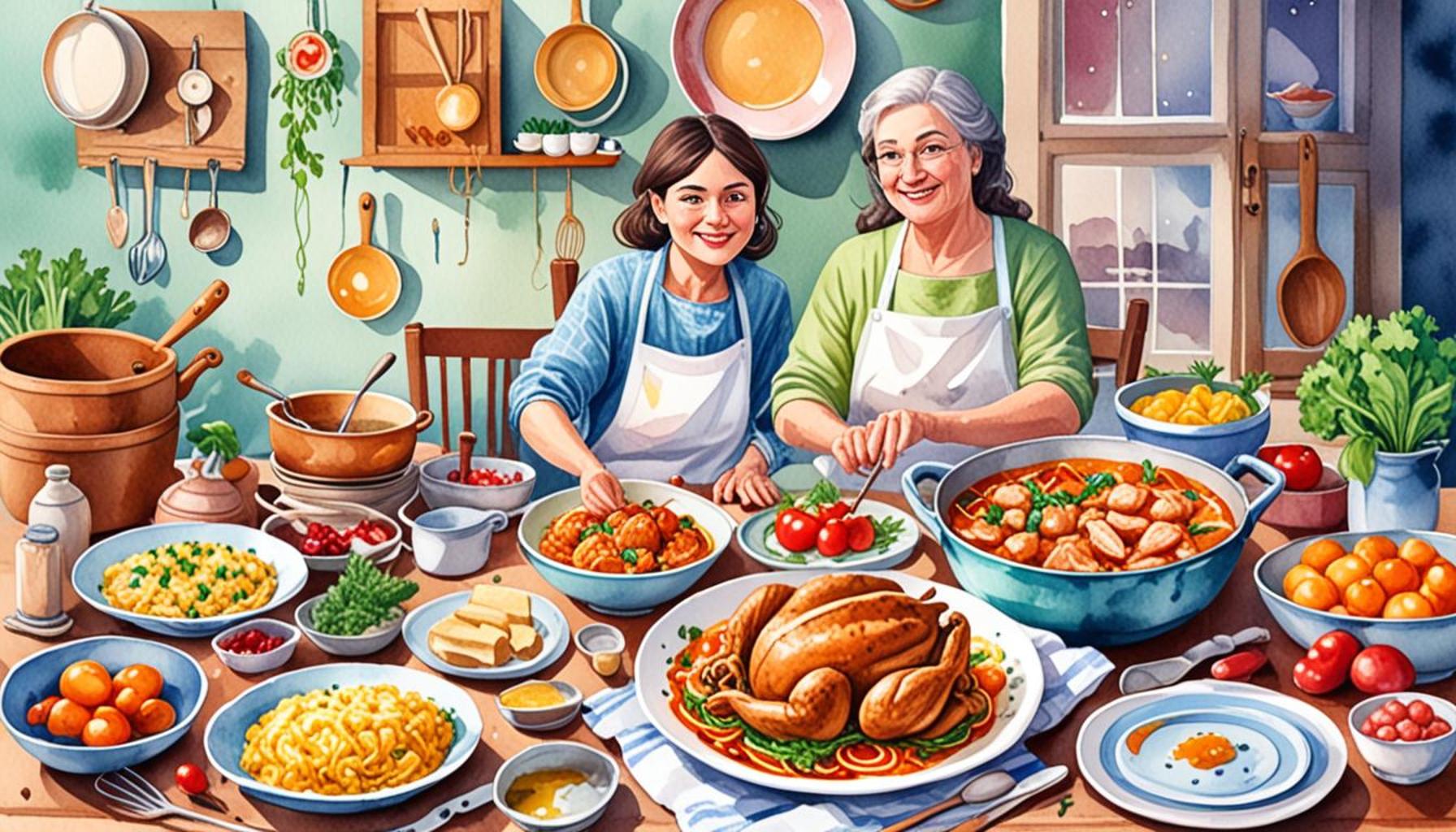
This fascinating interplay between pop culture and culinary arts extends beyond individual cravings and hobbies; it encourages communication and connection among friends and family. For instance, food from hit shows often sparks themed dinner parties or social gatherings, turning meal preparation into an event filled with laughter and shared memories. The emotional resonance of food depicted in cinema can evoke nostalgia, create comfort, or even inspire adventure.
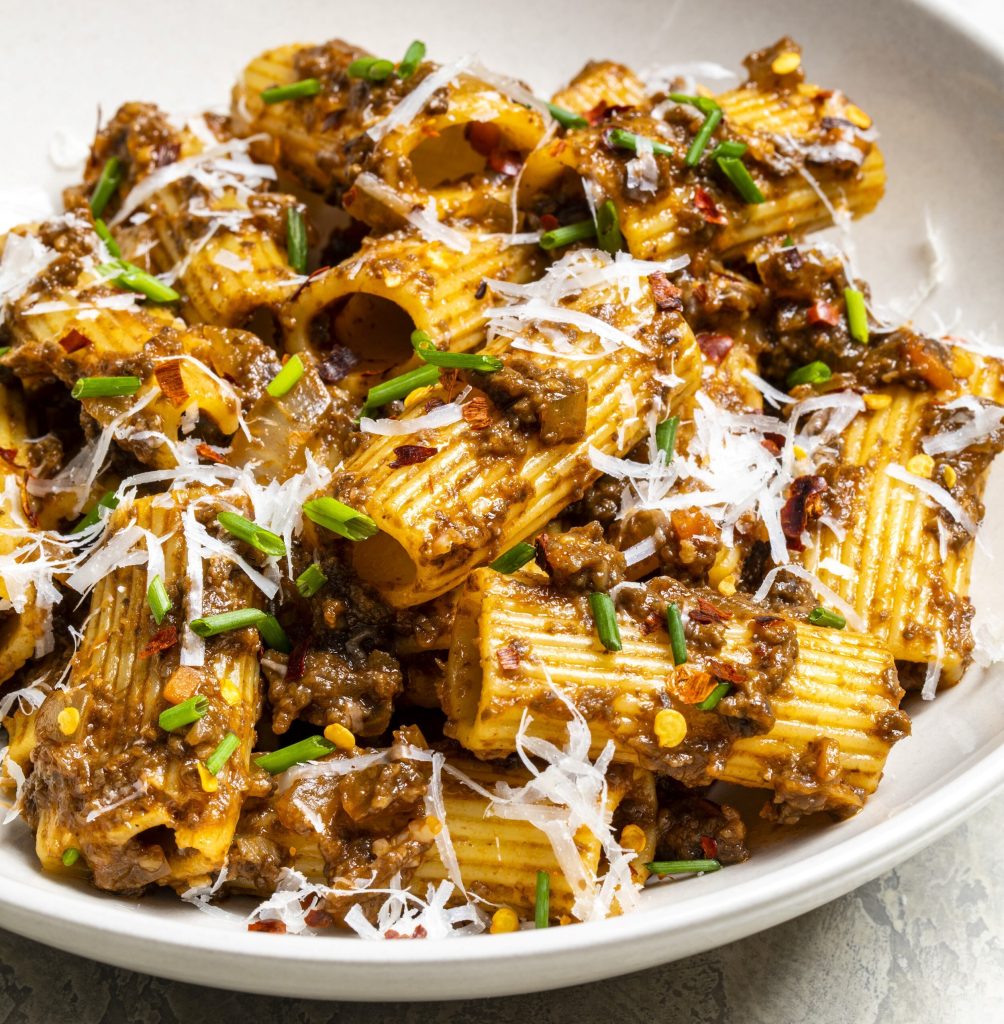
As we delve deeper into this captivating intersection of culture and cuisine, we will uncover how these visual narratives transform our daily meals and inspire us to rethink our own culinary adventures. Prepare to be inspired and perhaps even attempt recreating a beloved dish from your favorite movie or show—each bite might just unveil a story of its own!
DIVE DEEPER: Click here to explore the power of self-expression through writing
Food as a Character in Storytelling
The representation of food in movies and television shows is not merely a supplement to the storyline; it often acts as a silent character that can drive plots and evoke emotion. Food aesthetics can set the scene—whether it’s the stark, minimalistic plating of haute cuisine in upscale restaurants or the hearty, rustic meals served in family kitchens. The relationships and interactions that unfold around these meals often encapsulate the essence of human connection, illustrating the age-old adage that food brings people together.
Consider the renowned TV series Game of Thrones, which features lavish feasts filled with roasted meats, elaborate displays, and intricate period-appropriate recipes. This portrayal not only piqued viewers’ interest in medieval dining but also spurred many fans to replicate these elaborate meals for their viewing parties. Websites and blogs dedicated to “Game of Thrones” recipes flourished, showcasing how influencers took to their kitchens to recreate dishes like “Hodor’s bread” or the “lemon cakes” once enjoyed by characters like Sansa Stark.
Moreover, the culinary landscape extends beyond lavish feasts. Feel-good films such as Julie & Julia have reinvigorated classic French cooking within mainstream American culture. This movie chronicles the lives of infamous chef Julia Child and aspiring cook Julie Powell, intertwining their journeys to create a sense of nostalgia for the intricacies of the kitchen. As modern viewers whisk together ingredients and follow along with Child’s recipes, they embrace not just cooking but the joy and passion that come with it.
The Ripple Effect: Restaurants and Home Cooking
Inspired by food-centric stories, culinary enthusiasts create a ripple effect across the restaurant industry and home kitchens alike. When a new food trend emerges on screen, it often translates into real-life culinary experiences. Here are some notable examples:
- The Great British Bake Off: This beloved series has led to a resurgence in home baking, prompting novice bakers to experiment with techniques like soufflés, tiered cakes, and even traditional British pastries like scones and biscuits.
- Chef’s Table: This documentary series showcases world-renowned chefs whose unique styles encourage viewers to explore diverse global cuisines, influencing everything from street food vendors to 5-star restaurants.
- Friends: Who can forget the infamous Thanksgiving episode where Ross’s “Moist Maker” sandwich becomes a cultural dissectible? Such moments provoke viewers to recreate their own holiday meals, leading to communal traditions and upholding the culinary legacy of their families.
These reflections of food culture illustrate just how powerful the relationship between culinary arts and entertainment can be. As scenes unfold, viewers are often called to action—whether that’s whipping up a new recipe, trying out unconventional ingredients, or embarking on adventures through local eateries inspired by their favorite shows. Here, the culinary arts are not just experienced; they are actively redefined and celebrated, as audiences take the stories off-screen and into their own kitchens.
| Culinary Influence | Pop Culture Connections |
|---|---|
| Food Portrayals in Film | Movies often showcase iconic dishes that inspire audiences to recreate them. |
| Culinary Trends from Series | Television series can introduce viewers to regional specialties, popularizing new ingredients. |
| Gastronomic Tourism | Trips inspired by films and shows lead to culinary adventures in real-world locations. |
| Cultural Exchange | Films and series foster appreciation for diverse food cultures, enriching culinary experiences. |
As we dive deeper into the world of culinary arts intertwined with pop culture, it’s essential to recognize the significant impact of food portrayals in films. Iconic scenes, such as those from “Ratatouille” or “Julie & Julia,” demonstrate how food can stir emotions and inspire home cooks. As viewers witness these meals being prepared, they are often motivated to recreate these dishes in their kitchens, ultimately transforming their cooking habits.Moreover, television series play a fundamental role in shaping culinary trends. Shows like “Chef’s Table” not only highlight renowned chefs but also introduce audiences to exotic ingredients and regional specialties. This exposure encourages culinary enthusiasts to explore and experiment with flavors they might not have considered before. The combination of storytelling and cooking not only entertains but educates viewers, creating a rich narrative around food that is both inviting and engaging.In today’s interconnected world, gastronomic tourism has flourished, with fans traveling to experience foods featured in their favorite films and series. This phenomenon highlights the versatility of culinary experiences that go beyond mere sustenance, offering a taste of adventure and cultural immersion that resonates with viewers.Furthermore, films and series often serve as a bridge for cultural exchange in the culinary world. As audiences are introduced to diverse cuisines, they gain a deeper understanding and appreciation for culinary traditions from around the globe. This not only enriches their personal cooking experiences but also fosters a broader respect for the myriad of flavors and techniques that exist worldwide. Each shared culinary encounter through media further enhances the tapestry of global gastronomy, leading to exciting culinary adventures for food lovers.
DIVE DEEPER: Click here to uncover more about empathy and narratives
From Screen to Plate: The Rise of Cooking Shows and Reality Competitions
The explosion of cooking shows and reality competitions on platforms like Food Network and streaming services has shifted the cultural perception of cooking from mere necessity to a form of entertainment and passion. Programs like MasterChef, Iron Chef, and The Great American Baking Show not only highlight culinary skills but also celebrate the creativity and artistry involved in cooking. Viewers are no longer just passive consumers of content; they are now active participants, inspired to unleash their inner chef.
For example, when MasterChef or Chopped airs, there’s often a noticeable spike in grocery store sales, particularly for ingredients featured in challenges. Recent data suggests that the sales of certain exotic spices and specialty baking items increase significantly after their showcase on television, highlighting how culinary motivations are spurred by on-screen endeavors. Additionally, social media has become a laboratory for culinary exploration, with hashtags that encapsulate trending ingredients or recipes from these shows, encouraging viewers to share their own creations.
The influence of food-focused media also taps into personal narratives, creating an intimate bond between viewer and chef. Personal stories of contestants led some to engage more deeply with the food itself. For instance, when contestants reveal how a specific dish connects to their heritage, such as a family recipe passed down through generations, it resonates with viewers on a personal level. This interaction between culture, history, and culinary practice encourages people to replicate these dishes in their own homes, fostering a sense of identity and community through shared meals.
The Nostalgia Factor: Food and Memory in Film
Food’s role in evoking nostalgia is yet another aspect where cinema intertwines with culinary experiences. Iconic films and series effortlessly weave meals into storytelling, stirring emotions that go beyond taste. Consider Ratatouille, where the titular dish serves as a metaphor for acceptance and passion. The film not only celebrates French cuisine but also ignites viewers’ desire to cook with heart and authenticity. As a result, the simple act of preparing a meal transcends into a personal journey of self-discovery for many.
Similarly, films that highlight comfort food—think Eat Pray Love or A Chef’s Life—remind viewers of home, family gatherings, and childhood memories. These cinematic experiences often lead to a resurgence in popularity for classic dishes, invariably causing food blogs and vlogs to teem with interpretations of these once-forgotten recipes. When audiences find themselves craving the romantic appeal of a well-prepared Italian pasta or heartwarming Indian curry featured in a scene, they inevitably turn to their kitchens, attempting to recreate that connection.
Icons on the Plate: Celebrity Culture in Culinary Arts
The fusion of celebrity culture and cooking has also driven culinary trends in pop culture. Renowned chefs like Gordon Ramsay and Ina Garten have become household names, bringing their culinary philosophies into the limelight. Ramsay’s fiery persona and Garten’s nurturing demeanor shine through as they guide viewers with not just cooking techniques, but also a deeper understanding of the culinary arts. Their television shows often inspire viewers not only to prepare dishes but to appreciate the ‘why’ behind cooking, thus redefining the cooking experience itself.
Furthermore, the rise of social media influencers in the culinary arena has shifted the landscape once again. The fusion of cooking and digital content has introduced trends such as “mukbangs”—videos featuring hosts consuming large quantities of food, which have created communal viewing experiences around food consumption. As these influencers showcase everything from elaborate charcuterie boards to simple comfort foods, they encourage audiences to engage with food in ways that feel both accessible and aspirational.
As culinary experiences become increasingly intertwined with media influence, it’s evident that the impact of movies and series continues to evolve, shaping not only what we eat, but also how we view the very act of cooking itself.
DIVE DEEPER: Click here to taste the world
Conclusion: The Delicious Intersection of Culinary Arts and Pop Culture
As we have explored, the intersection of culinary arts and pop culture plays a pivotal role in shaping our recipes and experiences in the kitchen. From cooking shows that convert culinary techniques into entertainment to films that evoke nostalgia and comfort through food, the influence of media extends far beyond mere viewing. It creates a vibrant dialogue between the viewer and the culinary world, encouraging aspiring chefs and home cooks alike to recreate beloved dishes.
The rise of social media influencers and celebrity chefs further amplifies this phenomenon, translating popular culture into relatable culinary experiences. Whether it’s sharing recipes inspired by films or showcasing new food trends, platforms like Instagram and TikTok offer users a chance to connect over food, elevating the act of cooking into a community-driven event. Data illustrates that shows like MasterChef and Chopped lead to immediate spikes in ingredient sales, demonstrating a tangible impact where viewers are motivated to transform inspiration into action in their own kitchens.
Ultimately, the culinary experiences influenced by movies, series, and celebrity culture not only change what we cook but also enhance how we perceive the significance of meals. These cultural narratives encourage us to celebrate our heritage and foster a sense of belonging through shared culinary traditions. As we continue to explore the delicious interconnections between food and film, we invite you to embrace your inner chef, experiment with new recipes, and savor the rich memories that accompany each meal you create.