Culinary and Photography: Capturing the Beauty of Dishes as a Form of Art
The Artistry of Food Through a Lens
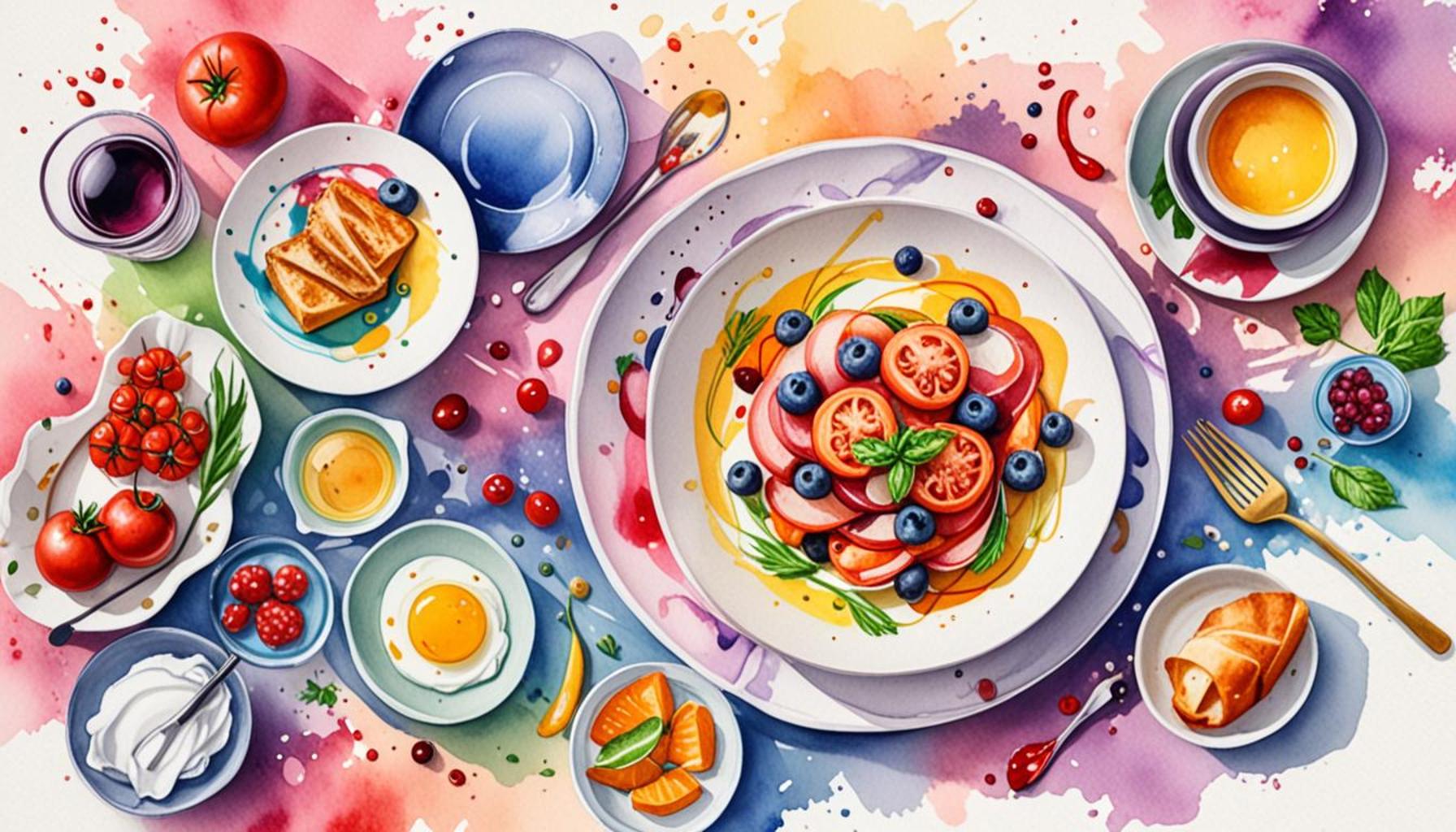
Food serves as a canvas where culinary artists express their creativity and passion. However, when combined with the intriguing world of photography, it transforms into a powerful narrative medium that conveys not just flavors but emotions and experiences. As we delve deeper, we can see how the fusion of culinary arts and photography redefines how we experience and appreciate food in our everyday lives.
The evolution of food photography has turned into a vibrant and dynamic form of art that enhances visual appreciation of culinary creations. Its impact is felt across various platforms, transcending traditional dining boundaries and captivating wider audiences. Here are some key components that highlight this evolution:
- Visual storytelling: Each plate that is presented tells a unique story about its ingredients, cultural roots, and the chef’s creativity. For instance, a bowl of pho can encapsulate Vietnamese heritage and vibrant street life, while a classic American cheeseburger speaks to comfort food and nostalgia.
- Color palettes: The way food is arranged on a plate and the colors of the ingredients can evoke specific emotions and entice the viewer. Rich hues of yellow, red, and green can stimulate appetites, while pastel shades often exude elegance and sophistication. The visual appeal can instantly attract attention, as seen on popular platforms like Instagram, where images of colorful poke bowls or artfully arranged charcuterie boards dominate the feed.
- Tactile elements: Texture plays a crucial role in food photography, giving life to dishes and captivating audiences. The shiny glaze of a freshly baked pastry, the crunch of vegetables in a stir-fry, or the creamy drizzle of a sauce can all enhance the viewer’s imagination and stimulate their senses. This element draws the observer into almost feeling the meal, bridging the gap between sight and taste.
This intersection of visual and culinary arts does more than enhance the dining experience; it creates opportunities for engagement and interaction. By sharing visually striking images on social media platforms, culinary professionals can:
- Attract diners to restaurants by showcasing artistic renditions of their signature dishes.
- Inspire home cooks to step out of their comfort zones and experiment with new recipes, thanks to enticing visuals that guide them through the cooking process.
- Highlight the cultural aspects of diverse cuisines, allowing viewers to appreciate not only the ingredients but also the stories behind them.
This captivating world of culinary skills and photographic artistry extends beyond mere attraction. It engages the community, fosters creativity, and celebrates the joy of food. Influential figures in this realm, such as photographers like Alice Gao and chefs like Thomas Keller, have redefined expectations of food presentation, enabling us to see dishes not just as food, but as genuine masterpieces.
As we explore this exciting journey further, we will uncover valuable tips and techniques to harness the beauty of food through photography and spotlight the innovative artists transforming this genre. Thus, we invite you to immerse yourself in this colorful voyage, appreciating the art of food beyond flavors and into forms of expression.
DIVE DEEPER: Click here to discover more
Capturing Culinary Masterpieces: Techniques and Trends
Food photography has become a crucial element in the marketing of culinary delights, inviting both chefs and photographers to collaborate in creating stunning visual experiences. While traditional photography emphasizes composition, lighting, and angles, capturing the beauty of dishes requires a unique approach that respects the artistry of food itself. Here, we will explore some essential techniques and trends shaping the relationship between culinary arts and photography.
Essential Techniques for Stunning Food Photography
Developing proficiency in food photography involves understanding several key techniques that elevate the presentation of dishes. Below are some fundamental tips to consider when embarking on this artistic endeavor:
- Natural lighting: Using available light is vital for achieving an appealing shot. Natural light softens the edges of food and highlights textures. Avoid harsh overhead lights which can create unflattering shadows.
- Composition: The arrangement of food on a plate is crucial in food photography. Utilizing the rule of thirds can enhance the visual interest of an image. By placing the main subject off-center or incorporating leading lines, you can draw the viewer’s eye into the frame.
- Props and backgrounds: The choice of props plays an essential role in setting the scene. Textured surfaces like wooden boards, colorful linens, or ceramic plates can complement the dish and provide depth to the photograph. Select props that accentuate the cuisine’s cultural context.
- Focus on details: Close-up shots can beautifully showcase the intricate details of a dish, emphasizing textures and freshness. Capturing elements like a runny yolk or herbs sprinkled on top can invoke a sense of taste and aroma.
Emerging Trends in Culinary Photography
The world of food photography is constantly evolving, driven by social media trends and the ever-changing tastes of audiences. Several current trends in this realm are worth noting:
- Minimalism: This trend focuses on simplicity, emphasizing clean lines and uncluttered backgrounds. By stripping away distractions, the dish itself becomes the star, allowing its colors and textures to shine.
- Food styling: Creative food styling techniques have become more pronounced, blurring the lines between food and art. Stylists are employing methods such as using non-food items to achieve specific visual goals, which can add an artistic flair.
- Seasonal and local focus: Showcasing seasonal ingredients or local cuisine not only emphasizes sustainability but also resonates with audiences seeking authenticity. Photographs representing farm-to-table concepts engage viewers on both emotional and ethical levels.
As we navigate the intersection of culinary talents and photographic artistry, it becomes clear that the relationship is more than the sum of its parts. Each image captures a fleeting moment, extending an invitation for viewers to not just taste but to engage, explore, and celebrate the captivating world of food. By embracing these techniques and trends, both aspiring and seasoned photographers can deepen their appreciation for the culinary arts, ensuring that every dish becomes a work of art waiting to be discovered.
| Advantage | Description |
|---|---|
| Visual Appeal | Food photography transforms dishes into visual masterpieces, showcasing colors, textures, and presentation in ways that tantalize the viewer. This art form elevates culinary creations beyond mere sustenance. |
| Cultural Representation | Each dish tells a story, reflecting cultural heritage and traditions. Capturing these dishes through photography not only preserves their essence but also invites others to explore diverse culinary worlds. |
In the realm of culinary arts and photography, the intersection of these two crafts opens up a universe of creativity and inspiration. Photographers bring out the soul of each plate, revealing the artistry in cooking while paying homage to the chefs who create these delicious designs. When done skillfully, food photography does more than stimulate appetites; it conveys the passion and technique that go into every dish.As social media platforms continue to celebrate food as a central theme, the demand for visually appealing food photos has surged. Talented photographers capitalize on this trend, crafting images that engage audiences and encourage exploration of new cuisines. This serves as an immensely powerful tool for restaurants and chefs, drawing in customers and perhaps even inspiring the next wave of culinary artists. Exploring the balance between gastronomic taste and aesthetic appeal becomes essential in this exciting field.
DISCOVER MORE: Click here to delve into the impact of nature on writing
The Emotional Connection: Storytelling Through Culinary Photography
At the heart of culinary photography lies not just the skillful presentation of a dish but a deeper emotional connection that resonates with viewers. The most successful photographs evoke a narrative, stirring emotions that transform a mere image into a story. This aspect of food photography can create a sensory experience for the audience, inviting them to step into a moment that transcends taste and smell. Below, we explore how storytelling integrates with food photography, enhancing the artistry of both disciplines.
Food as a Communicative Medium
Food serves as a universal language, allowing cultural narratives to be expressed visually. A bowl of ramen, delightfully steaming from a Japanese kitchen, tells a tale of tradition, dedication, and craft. Similarly, a vibrant farmers’ market display featuring colorful heirloom tomatoes communicates a narrative of local, sustainable practices and the connection between land and table. Food photography can highlight these stories, encapsulating the essence of a dish and its cultural roots, which encourages viewers to share in that experience.
The Role of Color and Texture in Storytelling
The choice of colors and textures within a photograph can significantly influence a viewer’s emotional response. For example, warm tones such as deep reds and golden yellows can evoke feelings of warmth and comfort, often associated with family gatherings and shared meals. This is evident in classic American comfort foods, like a rich lasagna or warm apple pie. On the other hand, cooler colors such as greens and blues might convey freshness and vitality, as seen in dishes featuring vibrant salads or exquisite sushi platters. The contrast of textures, whether creamy, crunchy, or crispy, can also enhance the story, providing a multisensory experience that captivates an audience.
Incorporating Human Elements
Including human elements in food photography—such as hands preparing a dish or the act of sharing a meal—adds a layer of intimacy and connection. These moments can showcase the relationship between food and people, transforming a simple image into a compelling narrative. Capturing the joy of a chef passionately plating a dish, the anticipation of diners eagerly waiting to taste, or the celebration of friends gathering around a table emphasizes that food is not just about sustenance; it’s a catalyst for human connection. This storytelling technique resonates strongly on platforms like Instagram, where authenticity often drives engagement.
Embracing the Power of Social Media
In today’s digital era, platforms like Instagram, Pinterest, and TikTok have redefined culinary photography. These channels allow photographers and food enthusiasts to share tantalizing images instantly, creating a community centered around food appreciation. The use of hashtags related to food photography, such as #FoodieArt and #CulinaryPhotography, helps participants connect, find inspiration, and amplify their reach. Social media dynamism encourages photographers to think creatively, further pushing the boundaries of innovative presentation and storytelling. Many talented photographers use these platforms not just to showcase their work but also to engage with challenges, prompts, and trends that keep the community vibrant and interactive.
In summary, the journey of creating exceptional food photography goes beyond mere visuals; it delves into the narrative depths that food can embody. By skillfully utilizing color, texture, human elements, and the tools of modern communication, photographers have the unique opportunity to elevate the culinary experience from a plate to a profound story, inviting viewers to taste the art they capture.
DISCOVER MORE: Click here to learn about the effects of music on mental health
Conclusion: The Intersection of Culinary Excellence and Visual Artistry
In the compelling realm of culinary photography, the act of capturing food transcends the simple documentation of dishes; it evolves into a profound form of art that resonates with both our senses and emotions. By weaving narratives through visual storytelling, photographers illustrate not only the beauty of the food but also the rich cultural contexts and human connections that surround it. Each photograph is an invitation to participate in a story where a steaming bowl of pasta or a meticulously arranged dessert not only pleases the eye but also stirs memories and yearnings.
As food becomes a communicative medium, the visual language of color and texture emerges as powerful tools, influencing viewer sentiment with every click of the shutter. The warmth found in rich hues or the freshness conveyed by vibrant greens can evoke strong emotional connections that go beyond the visual. Incorporating elements of the human experience into culinary photography adds layers of intimacy and authenticity, ensuring that each image offers a glimpse into the communal joy that food can bring.
Furthermore, as social media platforms amplify these artistic expressions, they provide a dynamic environment where creativity flourishes. Enthusiasts and professionals alike can share their culinary masterpieces, connect with audiences, and inspire new trends in food presentation. In this digital age, the intersection of culinary and photographic artistry is not just about aesthetic appeal; it’s about creating a communal tapestry of experiences that celebrates the art of food.
Ultimately, exploring the beauty of dishes through photography not only elevates food appreciation but also encourages us to engage with culinary traditions, memories, and shared experiences. As we savor both the flavors and images presented, we celebrate the artistry inherent in every dish.