Culinary and Mental Health: How Cooking Can Be a Form of Therapy
The Therapeutic Benefits of Cooking
The connection between culinary arts and mental health is an evolving field that underscores how engaging in cooking can lead to substantial emotional and psychological benefits. As individuals look for outlets to alleviate stress and anxiety, the kitchen has emerged as a sanctuary, where chopping vegetables and simmering sauces can provide more than just the satisfaction of a well-cooked meal.
Mindfulness and Presence
One of the notable advantages of cooking is its capacity to foster mindfulness. The act of preparing a meal requires concentration, allowing individuals to focus solely on their task at hand. This mindfulness keeps the mind anchored in the present moment, offering an effective diversion from racing thoughts and worries. For instance, measuring ingredients, selecting fresh produce, and following a recipe can all necessitate full engagement, creating a meditative experience. Research has shown that mindfulness practices can significantly reduce symptoms of anxiety and depression, making the act of cooking a powerful tool for mental clarity.
Creative Expression
Cooking is inherently a form of creativity. From experimenting with flavors to presenting dishes in visually appealing ways, the kitchen serves as an artistic canvas. This creative outlet can be particularly beneficial for individuals seeking to enhance their mood or self-esteem. For example, someone grappling with feeling stuck in their routine may find joy in trying out new recipes, like a complex soufflé, or by inventing their own signature dish. Celebrating these culinary creations can lead to a sense of accomplishment that positively influences self-worth.
Building Routine and Structure
Establishing a regular cooking schedule can provide individuals with a sense of routine and stability, which is crucial for maintaining mental health, especially during challenging times. Regular meal preparation can create expectations and a sense of normalcy amidst chaos, helping to anchor daily life. Community initiatives, such as local meal prep workshops, have begun to flourish, encouraging people to cook together, share tips, and form social connections that further enhance the routine of cooking in their lives.
Nutritional Impact on Mental Health
The correlation between nutrition and mental health is well-documented. Preparing balanced, nutritious meals enables individuals to take charge of their diet, which can greatly impact feelings of fatigue, mood swings, and overall mental well-being. For instance, incorporating omega-3 fatty acids found in fish or the antioxidants present in various fruits and vegetables can dramatically influence cognitive functions and emotional health. Culinary programs often emphasize the importance of whole foods, guiding participants toward food choices that nourish both body and mind.
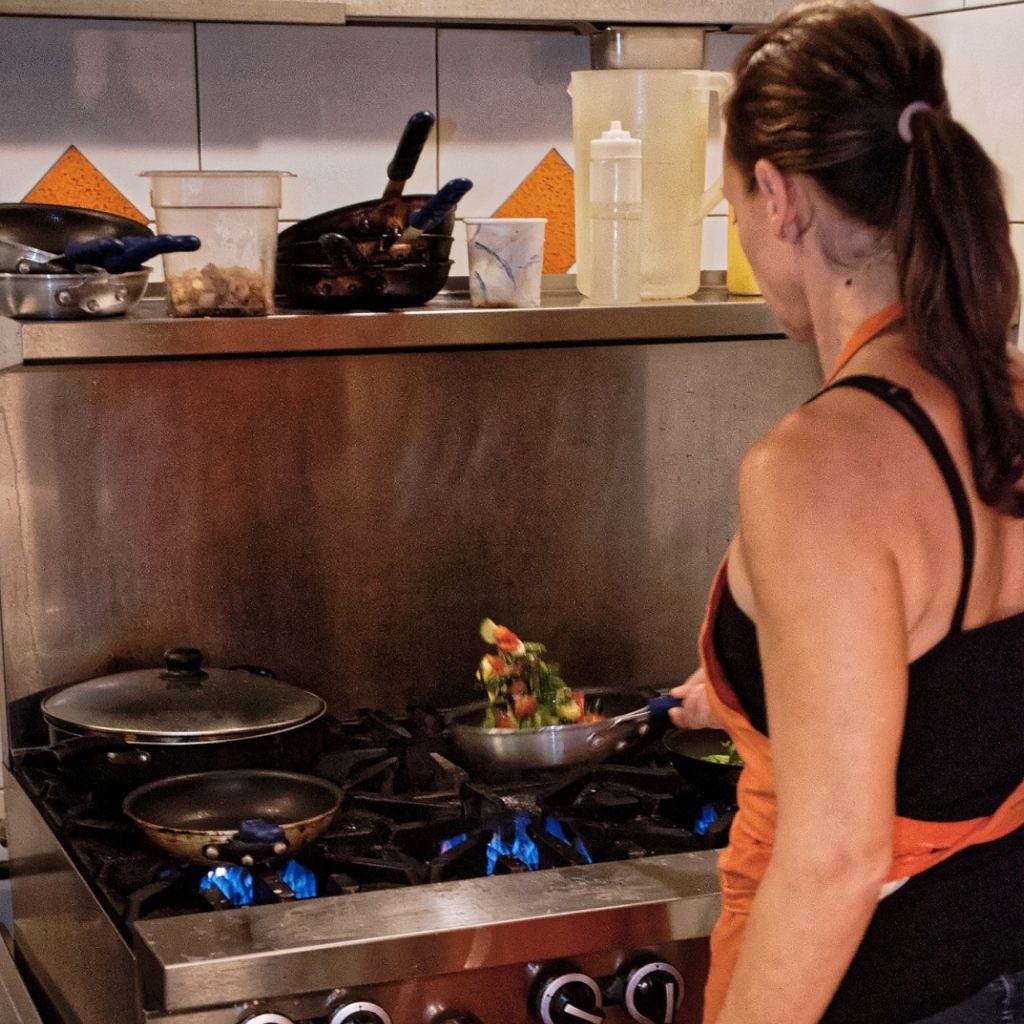
Culinary Therapy on the Rise
Notably, culinary therapy has gained a foothold across the United States. This innovative form of therapy integrates cooking into treatment regimens, with many therapists recognizing the potential for food preparation as a pathway to healing. Programs found in community centers and hospitals provide participants with hands-on cooking experiences aimed at enhancing mental wellness. These initiatives not only teach cooking skills but also encourage empathy, teamwork, and stress relief through shared meals.
As we continue to investigate this fascinating intersection, it becomes increasingly clear that those who embrace culinary practices are participating in a dynamic form of self-care. By exploring the diverse benefits of cooking, individuals can unlock a powerful resource for enhancing their emotional landscapes and cultivating healthier lifestyles.
DIVE DEEPER: Click here to learn more
Cooking as a Self-Care Ritual
Cooking has long been regarded as a necessity, but emerging insights reveal its deeper potential as a form of therapy that nurtures mental health. By transforming a daily chore into a self-care ritual, individuals can reap significant psychological benefits, helping to alleviate stress and foster resilience. This transformation involves recognizing the value of the cooking process itself, not just the end result. For many, the act of cooking becomes an empowering means to experience joy and fulfillment.
The Science Behind Culinary Therapy
Recent studies are beginning to highlight the scientific basis of why cooking can serve as a form of therapy. Engaging in meal preparation has been linked to reduced levels of the stress hormone cortisol. The repetitive nature of certain cooking tasks can create a calming effect, akin to the soothing practice of knitting or meditation. In fact, some researchers find that the act of cooking may stimulate the release of endorphins, often referred to as the body’s natural painkillers, which can elevate mood and promote a sense of happiness.
Emotional Connection to Food
Food is often intertwined with memories, culture, and identity. For many individuals, cooking evokes a sense of nostalgia, connecting them to family traditions or cherished moments from the past. This emotional aspect can play a crucial role in enhancing an individual’s overall well-being. For example, recreating a beloved family recipe may stimulate positive emotions, bringing comfort to those who feel isolated or overwhelmed. Such moments in the kitchen foster a deeper sense of belonging and attachment, serving as a reminder of the connection to loved ones and heritage.
Community and Socialization
Cooking also provides opportunities for social interaction, a vital element for mental health. Sharing recipes, cooking classes, and community kitchens have become popular avenues for individuals to bond over food preparation. Engaging with others while cooking not only diminishes feelings of loneliness but also enhances social skills and builds a support network. Moreover, hosting a dinner party or potluck allows individuals to showcase their culinary skills in a communal setting, offering a sense of accomplishment and connection.
Practical Tips for Incorporating Cooking into Your Mental Health Routine
To harness the therapeutic benefits of cooking, consider the following practical tips:
- Set Aside Time: Dedicate specific times during the week for cooking, treating it like an appointment for self-care.
- Experiment with New Recipes: Challenge yourself to explore new culinary techniques or cuisines, keeping the experience fresh and exciting.
- Involve Others: Invite friends or family to join you in the kitchen, creating a shared experience that promotes both connection and joy.
- Document Your Journey: Keep a cooking journal to track recipes and reflect on the emotions and memories each dish evokes.
By making cooking a priority in your daily life, you can cultivate greater mental wellness while nourishing your body. The importance of this culinary journey extends beyond the plate; it offers a pathway to greater emotional stability and fulfillment.
| Advantages | Description |
|---|---|
| Stress Reduction | Cooking can be a meditative activity, allowing individuals to focus their energy and emotions, leading to improved mental clarity and relaxation. |
| Creativity | Engaging in culinary practices allows for self-expression and innovation, as individuals experiment with flavors and techniques. |
| Sense of Accomplishment | Completing a recipe provides a rewarding feeling, fostering confidence and motivation, which can have positive implications for mental health. |
| Social Connection | Cooking with others helps build relationships and can combat feelings of isolation, crucial for maintaining good mental health. |
Interestingly, integrating culinary activities into therapeutic practices not only enhances mental wellness but also nurtures a holistic approach to health. Exploring cooking as a source of therapy can open doors to understanding deeper emotional connections to food and its preparation. Cooking is not merely a task; it’s an experience that merges the senses and can serve as a powerful vehicle for expressing and processing emotions. Moreover, as one shops for ingredients, prepares them, and ultimately shares a meal, it invokes a series of positive interactions that collectively bolster psychological well-being. By emphasizing the therapeutic value of cooking, individuals may enhance their lifestyle while developing a more profound appreciation for the art of food.
DISCOVER MORE: Click here to learn about the evolution of culinary techniques
The Mindfulness of Cooking
Mindfulness has gained popularity as a powerful tool to enhance mental health, and cooking provides an ideal canvas to practice this technique. By immersing oneself in the sensory details of preparing food—such as the vibrant colors of fresh vegetables, the rich aromas of spices, and the satisfying sounds of chopping and sizzling—individuals can cultivate a state of mindfulness that helps ground them in the present moment. This conscious engagement can significantly reduce feelings of anxiety and depression, providing a much-needed escape from racing thoughts.
Creating a Healing Kitchen Environment
Transforming your kitchen into a healing space can further augment the therapeutic benefits of cooking. Elements like natural lighting, plants, and organized utensils can enhance the atmosphere, making the cooking experience more enjoyable. Additionally, adding personal touches—such as putting up inspiring quotes or displaying cherished kitchen items—can create a warm environment that invites creativity and fosters a positive mindset. This intentional setup aligns with principles of both cooking and mental wellness, reinforcing the idea that one’s surroundings can greatly influence mental health.
Culinary Activities as Therapeutic Techniques
Different culinary activities cater to various emotional needs, allowing individuals to choose what resonates most with them. Baking, for example, is often associated with feelings of nostalgia and comfort. The science of baking involves precise measurements and techniques, offering structure that can bring a sense of accomplishment. On the other hand, activities such as chopping vegetables or stirring pots can provide a more kinetic form of therapy, channeling energy into the creation of a healthy meal. Engaging with food in diverse ways fosters an individual’s connection to their food choices, which can enhance body positivity and self-acceptance.
Food as Medicine: Nutrition for Mental Well-Being
Nutrition plays a crucial role in shaping mental health. Many individuals are now recognizing that certain foods can be a form of medicine. A diet rich in omega-3 fatty acids, for instance, has been linked to lower rates of depression and anxiety. Incorporating whole foods, such as fruits, vegetables, and grains, not only supports physical health but also contributes to better mental clarity and mood stabilization. Cooking allows individuals to take charge of their nutritional intake, curating meals tailored to their specific mental health needs and preferences.
Therapeutic Cooking Programs: A Growing Trend
A variety of programs are emerging that specifically focus on the intersection of cooking and mental health. Culinary therapy, offered by some therapists and organizations, integrates cooking skills with therapeutic goals. Participants engage in cooking classes designed to build confidence, foster social connections, and develop coping skills in a supportive environment. Moreover, hospitals, mental health facilities, and community centers are increasingly incorporating culinary programs into their holistic treatment approaches, providing patients with the opportunity to heal through food.
- Start a Meal Prep Routine: Organizing meals for the week can reduce stress and promote healthier eating habits.
- Practice Mindful Eating: Take time to savor each bite of your meal, appreciating the flavors and textures for an added layer of mindfulness.
- Join a Culinary Therapy Group: Look for local workshops or online communities that combine cooking with mental health discussions.
These initiatives and insights underscore the expanding recognition of cooking as a potent tool in promoting mental health, inviting individuals to explore their creativity while nurturing their well-being through the art of culinary expression.
DISCOVER MORE: Click here to dive into sustainable crafting techniques
Conclusion: The Therapeutic Power of Cooking
As explored throughout this article, the fusion of culinary activities and mental health opens a new realm of therapeutic possibilities. Cooking is not merely a daily task; it can be a profound expression of creativity, mindfulness, and self-care that has the potential to uplift the spirit and enhance emotional well-being. The act of preparing food engages the senses, encourages presence, and offers a unique avenue for personal expression, all of which are essential components of mental wellness.
Moreover, by curating a healing kitchen environment and participating in culinary activities designed to promote well-being, individuals can significantly improve their daily lives. Whether through the comforting act of baking or the therapeutic process of meal prep, cooking imparts a sense of accomplishment and fosters a connection to nourishing the body and mind. The importance of nutrition cannot be understated, as incorporating foods known for their mental health benefits further underscores the relationship between what we eat and how we feel.
The proliferation of therapeutic cooking programs across the United States signals a shift toward recognizing the crucial role that cooking can play in holistic health care. By increasing accessibility to these resources, society can empower individuals to harness the healing powers of the kitchen effectively. As research continues to shine a light on the connection between food and mental health, it is set to redefine our relationship with both cooking and well-being. In this journey towards mental health, embracing the culinary arts could very well be the delicious therapy we all need.