Crafting Skills Key to Personal and Emotional Development Growth
Crafting Skills: A Pathway to Growth
Engaging in creative hobbies can be more than just a pastime; it can significantly influence one’s personal and emotional development. The act of crafting encourages individuals to explore their creativity and express themselves, creating a fulfilling journey towards self-discovery. This article delves into why acquiring crafting skills is essential for enhancing emotional well-being and personal growth.
The Relevance of Crafting in Personal Development
Crafting offers numerous benefits that can impact various aspects of life, including:
- Emotional Release: Hobbies like knitting or painting provide a healthy outlet for stress and emotions.
- Boosting Confidence: Completing a project fosters a sense of achievement.
- Social Connections: Joining crafting communities can expand your social network.
As we explore the Top 5 Crafting Skills that contribute to personal and emotional development, consider how these activities can transform your everyday life and enhance your well-being.
Top 5 The Importance of Craft Skills in Personal and Emotional Development
Crafting is often dismissed as just a recreational activity, but the depth of its impact on personal and emotional growth is substantial. By engaging in creative pastimes such as crafting, individuals embark on a journey of learning, self-discovery, and emotional resilience. In exploring the manifold dimensions of this practice, we delve into the top five ways craft skills contribute profoundly to personal and emotional development.
5. Boosts Problem-Solving Skills
One of the crucial benefits of engaging in craft-based activities is the enhancement of problem-solving skills. Crafting is not merely about following a predefined pattern; it is often an exercise in creativity and innovation. As individuals dive into a project, they frequently encounter unforeseen challenges that demand creative and often novel solutions. Consider a scenario where an eager knitter runs out of a particular yarn. To overcome this, they might substitute with another color or incorporate a new pattern to seamlessly blend the colors, transforming obstacles into unique creative opportunities.
This capacity to pivot is reinforced through experiences like:
- Adapting to shortages of materials by improvisation.
- Reimagining and revising designs creatively when the original plan falters.
- Seeking advice, learning from others, and integrating new techniques to hone their results.
Tackling these crafting challenges equips an individual with skills that are transferable to other areas of life, fostering a mindset of adaptability and critical thinking. This resilience and resourcefulness are invaluable in both professional environments and personal undertakings.
4. Enhances Self-Expression
Crafting serves as a unique medium through which individuals can explore and articulate their identity. It can be incredibly liberating to translate emotions, abstract ideas, and personal narratives into tangible forms through crafts. Whether it’s the vibrant hues in a painting or the intricate details of a handmade quilt, each crafted piece becomes an avenue for self-expression.
This creative process encourages individuals to unpack and express emotions that might be challenging to articulate verbally. For example, an artist might weave a tapestry inspired by their cultural heritage or create pottery that reflects a personal struggle. Through crafting, creators see themselves reflected in their work, enabling a deeper understanding and acceptance of their feelings and experiences. This not only affirms one’s identity but also encourages meaningful communication with others.
In an era increasingly dominated by digital interaction, the physicality and individuality inherent in handcrafted items provide an antidote. Crafting anchors people in the present and offers a genuine sense of accomplishment and connection to oneself.
3. Provides Therapeutic Benefits
The recognition of crafting’s therapeutic benefits has been on the rise, with experts acknowledging its potential as an effective form of stress relief. Crafting can mimic the effects of meditation, drawing focus away from stressors and providing a sense of calm and tranquility. The repetitive motions involved, such as weaving, stitching, or carving, have a rhythm that can soothe the mind and lower anxiety levels.
For many, the entire crafting experience—from the initial concept to the finished product—has therapeutic dimensions. A study even suggests that engaging in manual creative tasks can decrease cortisol levels, the hormone often associated with stress. As individuals devote time to crafting, they experience a reprieve from the pressures of daily responsibilities, which can significantly improve mental health and emotional well-being.
Craft therapy is an emerging field demonstrating that crafting’s mental health benefits extend beyond personal relaxation and stress reduction. Therapy programs now incorporate crafting to help patients with PTSD, depression, and anxiety, emphasizing its profound influence on mental health.
2. Builds Community and Relationships
Crafting goes beyond solitary creation; it often blossoms into communal activities that bind individuals together. Participating in craft groups or workshops paves the way for building friendships, sharing knowledge, and enriching communities. Crafting societies and clubs often thrive on collaboration, where sharing ideas, materials, techniques, and completed projects leads to the establishment of trustworthy and supportive relationships.
In these settings, individuals from diverse backgrounds unite for a common goal, celebrating the shared joy of creation. This sense of community satisfies the intrinsic human need for connection, fosters inclusivity, and offers support systems, invaluable for emotional health.
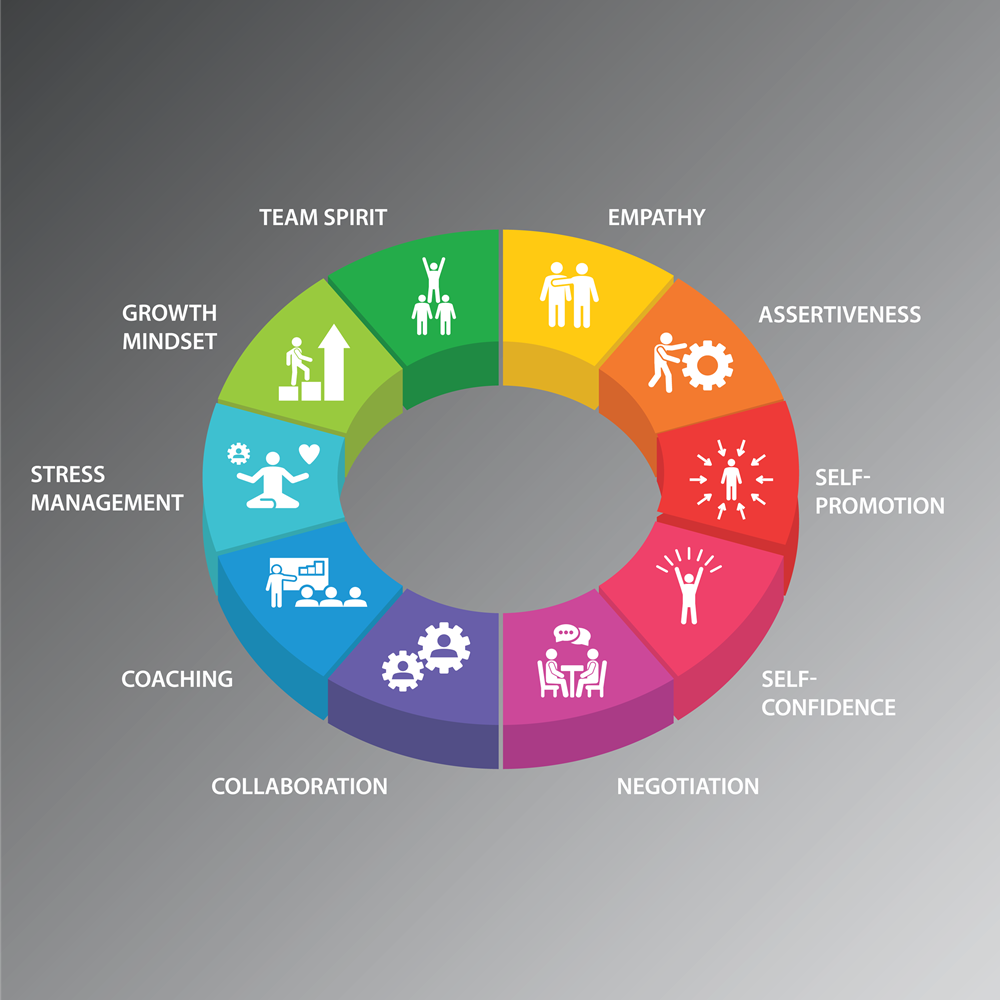
Engagement in crafting communities enriches communication and teamwork skills as individuals learn to negotiate differences, collaborate on projects, and draw inspiration from a mosaic of shared experiences. Such affiliations not only bolster personal growth but are also enriching for the community, as they nurture a spirit of collaboration and creativity.
1. Cultivates Patience and Perseverance
Top of our list is the virtue of patience and perseverance cultivated through crafting. Crafting is inherently a meticulous and iterative process. Every project undertaken requires a dedication to detail, a willingness to learn from mistakes, and an ability to persist even when the going gets tough. Crafting teaches that achievement comes with time and sustained effort, reinforcing the belief that diligence and patience are essential to mastery.
As individuals progress with their craft, they learn that the value lies not only in the end product but also in the journey of creation itself. The experience teaches craftsmen to appreciate each incremental success and to view setbacks as learning opportunities rather than failures.
This lesson in endurance is transformative and widely applicable. Crafting helps individuals develop a resilient mindset, critical in the face of life’s challenges. The craftsmanship’s ethos oftentimes translates into a robust work ethic, enhancing tenacity towards personal goals, relationships, and professional ambitions.
In summary, crafting transcends the simplistic notion of creating aesthetic objects. It harbors a wealth of opportunities for personal and emotional development that can have lasting effects. As individuals refine their craft, they enrich their lives, building invaluable skills that resonate across various spheres of life, eagerly embracing each crafting endeavor as a path to greater self-fulfillment and emotional well-being.
Craft skills play a pivotal role in enhancing personal and emotional development. Engaging in crafting activities can be both therapeutic and empowering. As individuals create, they often rediscover forgotten parts of themselves. This exploration leads to an increased sense of identity, boosts self-esteem, and fosters resilience through challenges faced during the creative process. For many, crafting serves as a refuge, a space where one can express themselves away from the pressures of daily life.When discussing the therapeutic aspects of crafting, it’s essential to highlight how creating something with one’s hands can shift focus away from stress and anxiety. This practice often results in a meditative state, allowing individuals to be fully present and engaged in the activity. The repetitive motions involved in many crafts, like knitting or painting, can serve as a form of mindfulness, promoting relaxation and a reduced sense of overwhelm. The psychological benefits of this focus are significant; studies have shown that engaging in crafts can decrease cortisol levels, improving overall mental health.Another important dimension is the social aspect of crafting. Shared crafting experiences can forge deep connections between individuals. Whether it’s joining a local crafting club or participating in community workshops, these collaborative efforts not only enhance social bonds but also create a support network which is invaluable for emotional well-being. Participants often exchange ideas, techniques, and experiences, enriching their personal learning and fostering a sense of belonging.Moreover, completing a craft project can lead to a sense of accomplishment. This “finished product” often acts as a tangible representation of personal effort and perseverance. By overcoming obstacles during the crafting process, individuals can build resilience, learning that setbacks can be overcome, which is an important lesson applicable in many areas of life. This newfound strength and confidence can empower individuals to pursue other challenges, both personal and professional.In sum, the importance of crafting extends beyond the mere act of creating. It provides tools for better emotional regulation, social interaction, and personal growth. Each stitch, stroke, or cut is not just about making an item but is fundamentally intertwined with personal stories, emotions, and development. Crafting can truly serve as a vehicle for exploration and expression, offering profound opportunities for growth in a world that often overlooks the power of personal creativity.
Frequently Asked Questions about Craftsmanship Skills and Personal Development
How can crafting skills benefit emotional well-being?
Engaging in crafting activities can be a therapeutic practice that enhances emotional well-being by providing a sense of accomplishment and stress relief. When individuals immerse themselves in creative projects, they often experience a state of flow, a psychological state that fosters happiness and reduces anxiety. Additionally, crafting can boost self-esteem and confidence, particularly when creating tangible items that showcase one’s personal skill and creativity. By focusing on the present moment, crafting helps divert attention away from stressors and negative thoughts, contributing to overall emotional balance.
In what ways do crafting skills aid in personal development?
Crafting skills cultivate numerous aspects of personal development by encouraging problem-solving, patience, and perseverance. The process of creating requires planning and critical thinking, which can improve cognitive abilities and decision-making skills. By setting and achieving crafting goals, individuals learn to manage projects from start to finish, enhancing their ability to see things through. Importantly, crafting also involves learning new techniques and styles, which can stimulate intellectual growth and inspire lifelong learning.
Are there specific types of crafts that are more effective for personal growth?
While any craft can contribute to personal growth, some may be more effective based on individual interests and goals. For example, painting and drawing often improve fine motor skills and spatial awareness, while textile crafts like knitting and weaving can enhance focus and dexterity. Pottery and sculpting engage tactile senses and foster creativity in three-dimensional space. Ultimately, the most effective type of craft for personal growth is one that captivates and challenges the individual, encouraging them to push boundaries and explore new creative territories.
Is there scientific evidence supporting the benefits of crafting for mental health?
Yes, there is growing scientific evidence that suggests crafting can have a positive impact on mental health. Studies have shown that activities like knitting, painting, and woodworking can help reduce symptoms of depression and anxiety. Crafting stimulates the production of dopamine, a neurotransmitter associated with pleasure and reward, leading to improved mood and a greater sense of fulfillment. The repetitive nature of many crafts also has a calming effect on the mind, similar to the benefits of meditation, further supporting mental well-being.
Conclusion
In a world increasingly occupied by digital distractions and fast-paced routines, the embrace of craft skills offers a refreshing departure from the status quo. Throughout our exploration of the topic, we have seen that engaging in crafts provides an invaluable means of enriching personal and emotional development. These creative hobbies are not mere pastimes; they serve as crucial tools for fostering mental well-being and cultivating a sense of accomplishment.
Firstly, the immersive nature of crafts aids significantly in stress reduction, offering individuals an opportunity to unplug and refocus their energies on tangible creations. As we craft, we gain a heightened level of mindfulness, which in turn nurtures our emotional health. Secondly, the act of crafting builds confidence and bolsters problem-solving skills. Each successful creation encourages us to tackle new challenges, thereby enhancing our resilience and self-sufficiency. These skills translate well beyond the hobby itself, positively influencing other areas of life.
The social benefits of crafts cannot be overlooked. Participation in craft groups nurtures community ties and fosters meaningful interactions, both of which are integral to our emotional growth. Shared creative experiences often lead to lasting relationships and a strong sense of belonging.
Lastly, crafts offer a medium for personal expression, enabling us to communicate our identities and emotions in uniquely personal ways. This form of expression is vital for self-exploration and reflection, contributing to a well-rounded personal development journey.
Ultimately, the importance of craft skills extends far beyond surface-level aesthetics. They are potent catalysts for personal and emotional growth, offering a sanctuary of creativity and fulfillment. As we continue to navigate contemporary life, the age-old practice of crafting holds timeless value, encouraging us all to embrace the art of making and to recognize its profound impact on our well-being.