Cooking with Style: The Intersection of Fashion and Culinary in Creating Gourmet Experiences
Exploring the Interplay of Culinary Art and Fashion
In recent years, the culinary world has experienced a remarkable transformation, evolving from mere sustenance to a vibrant art form that integrates elements of fashion and style. Across the United States, food enthusiasts find themselves in the midst of this cultural evolution, where exceptional dishes are becoming canvases for creativity and presentation. This fusion transcends traditional dining, creating experiences that are not only about taste but also about aesthetic appeal.
The intersection of culinary arts and fashion holds considerable significance, shaping how we experience food in various contexts. Consider, for instance, the explosion of vibrant and Instagram-worthy dishes. Many chefs are now collaborating with world-renowned fashion designers to design plates that are not only tantalizing to the taste buds but also feast for the eyes. For example, some restaurants actively install decorative elements like floral accents or edible gold leaf on dishes, resulting in a multisensory explosion that beckons food photography as passionately as fashion photography.
- Design Influences: Collaborations between chefs and designers have birthed signature dishes that tell stories through their plating. Think of a colorful poke bowl styled with precision, reflecting the latest trends in fabric patterns and colors, bridging the gap between plate and runway.
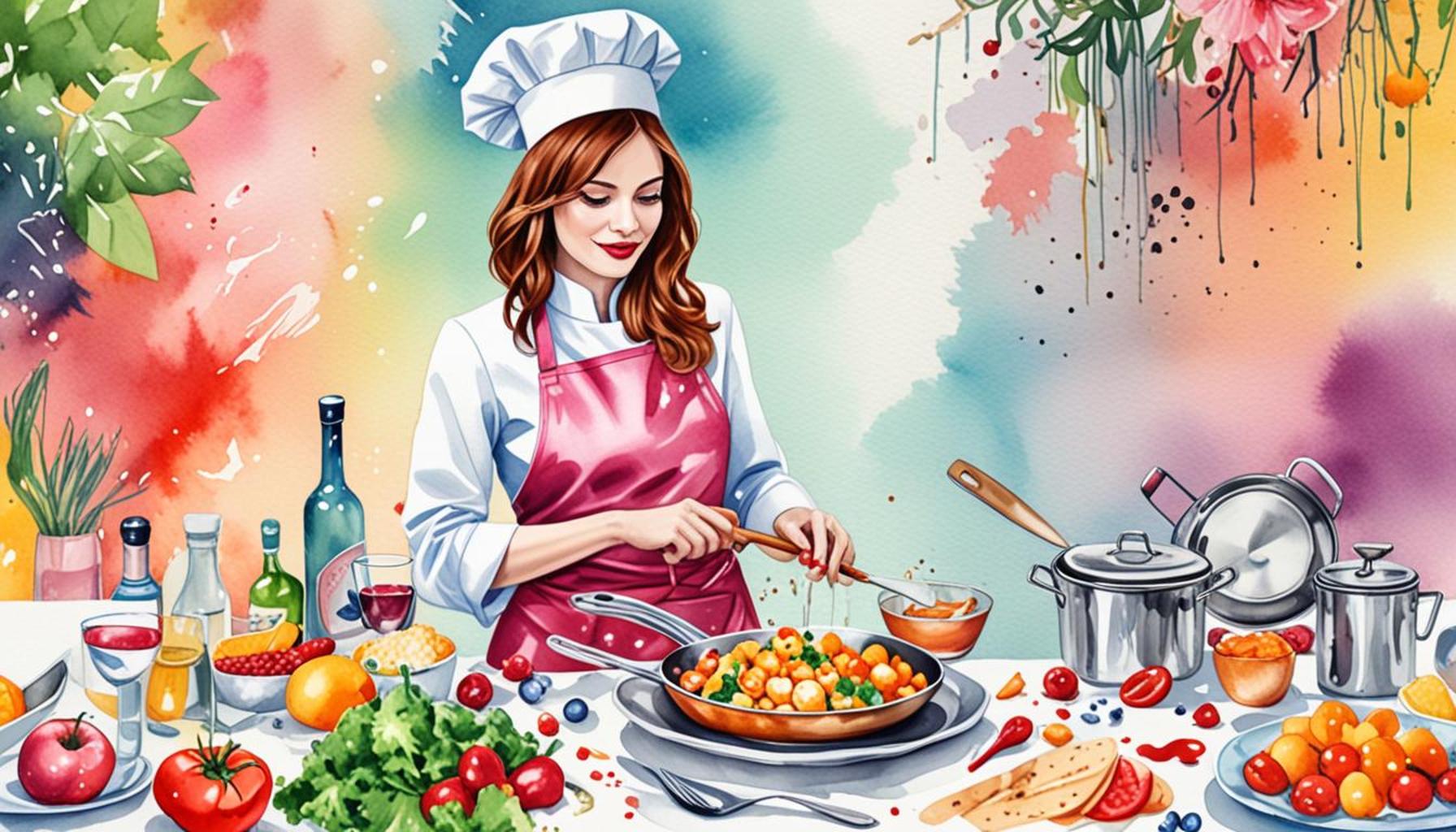
- Signature Style: The emergence of celebrity chefs has influenced culinary professionals across the country to adopt unique personal styles that resonate with their artistic expressions. These stylized choices can range from uniforms that echo seasonal fashion trends to accessories that showcase their culinary craftsmanship.
- Dining Experience: Restaurants are curating atmospheres that find harmony with the latest clothing trends. For instance, eateries might embrace bold color palettes and eclectic décor styles that echo runway vibes, heightening the sensory experiences of their guests.
The contemporary dining experience has transformed into a performance, where chefs play the role of artists and diners are treated as an audience. Presentations have taken on new significance; culinary creations are now reflections of broader cultural movements. Dishes not only speak to the taste preferences of patrons but also encapsulate current fashion trends, creating moments that spark conversation about cuisine, style, and societal influences.
As we navigate through this intriguing landscape, we recognize that food has evolved into a multidimensional expression of culture and individuality. This fascinating convergence invites us to rethink how we engage with food and appreciate the artistry behind it. Join us on this journey as we delve deeper into the dynamic relationship between culinary creations and fashion, uncovering how these two spheres synergistically elevate the dining experience, making it a sophisticated event that extends well beyond the plate.
DISCOVER MORE: Click here to dive deeper
The Artistic Craftsmanship of Plating and Presentation
At the heart of this culinary-fashion collaboration lies the artistry of plating and presentation. Chefs now approach the assembly of their dishes with the same meticulous attention to detail as a couturier creating a new collection. The process of transforming fresh ingredients into stunning visual compositions is where creativity ignites. In many prestigious restaurants, culinary professionals invest significant time into mastering the aesthetics of their plate, understanding that the visual impact can be just as compelling as the taste itself.
For instance, renowned establishments are now offering experiential dining where dishes are designed to reflect the changing seasons, mirroring the latest runway trends. The use of local and seasonal ingredients not only supports sustainable dining but allows chefs to create visually striking dishes that evoke feelings of freshness and vibrancy. Pairing colors, textures, and forms in innovative ways becomes a reflection of both nature and contemporary style, inviting diners to engage not only in flavor but also in sight.
- Color Palette: Just as a fashion designer relies on a particular color scheme to convey a message, chefs thoughtfully curate their ingredients to create an engaging visual narrative. Brightly colored vegetables, vibrant sauces, and delicate garnishes work together to draw the eye and excite the senses.
- Textures and Layers: The interplay of different textures within a dish—crunchy, creamy, soft—can evoke the attentive layering seen in high-fashion garments. This textural complexity adds depth to the dining experience, enticing diners to explore with their palates and their eyes.
- Shapes and Forms: Just as fashions may play with asymmetry, culinary artists experiment with the arrangement of their elements. Unexpected shapes and surprising presentations challenge traditional norms of appearance, engaging diners in a dialogue about what it means to experience food and art.
The presentation does not stop at the plate. The environment in which the dining experience unfolds is equally crucial. Interior design elements and table settings have now become extensions of the food itself, designed to harmonize with the cuisine being served. Many leading restaurants have embraced interior aesthetics that evolve in tandem with current fashion trends, utilizing textiles, colors, and designs that enhance the overall ambiance. From tableware that mirrors the latest color trends to striking centerpieces that evoke a sense of chic sophistication, the atmosphere plays a pivotal role in setting the stage for a memorable meal.
Such innovations not only cater to a heightened consumer expectation for visual delight but also act to provide a platform for storytelling. Each dish can share a narrative—whether it’s influenced by a chef’s travels, a fashion movement, or local heritage—with the diner becoming an integral part of this story as they savor each bite.
This fusion of culinary intricacies and fashion sensibilities is a testament to how gourmet experiences transcend the conventional boundaries of dining. By embracing this intersection, we uncover new layers of enjoyment and appreciation for food, as it transforms into an intricate canvas where flavors, artistry, and style coexist harmoniously.
As the worlds of fashion and culinary arts continue to intertwine, the emergence of gourmet experiences that emphasize both aesthetic appeal and exceptional flavor has never been more vibrant. The intersection of style and gastronomy showcases how meticulously curated dining experiences can transport guests into a realm where taste is complemented by an unparalleled visual narrative. Every dish is not just food but a canvas, presenting a unique opportunity for self-expression akin to runway fashion.
One notable aspect is the alignment of cooking techniques with trending aesthetics. Chefs are increasingly collaborating with fashion designers to create dishes that reflect seasonal collections. This fusion allows diners not only to savor delicious flavors but also to engage with the artistry behind the presentation. For example, using edible flowers to echo the color palette of a designer’s clothing line creates a multisensory experience that elevates both the meal and the artistic work it represents.
Moreover, sustainable fashion has begun to influence sourcing practices in the culinary scene. Chefs are now more attuned to ethical sourcing and are opting for locally grown, organic ingredients that not only taste superior but also reflect a commitment to environmental consciousness. This forward-thinking approach aligns closely with the values of modern consumers, who appreciate knowing the story behind their food as much as they do behind their attire.
As diners aspire to live more stylish and meaningful lifestyles, the intermingling of fashion with culinary art creates unforgettable dining settings that entice patronage. This evolution has spurred the rise of gastronomic events that emphasize style, where participants don their chicest outfits, making the culinary experience as much about who you are and how you present yourself as it is about the food on your plate. Embarking on such journeys not only nourishes the body but enriches the soul, inviting all involved to step into the role of both appreciators and collaborators in this event.
| Advantage | Description |
|---|---|
| Fusion of Aesthetics | Combines innovative plating techniques with artistic themes, enhancing the visual appeal of gourmet dishes. |
| Culinary Collaborations | Brings together chefs and fashion designers for immersive dining experiences that embody style and flavors. |
This revolution in the gourmet experience is not merely about dining; it’s about storytelling, where food serves as a narrative device. Each flavor evokes a memory, each design a sentiment, ultimately crafting an attractive blend of culture, style, and senses that captivates the contemporary diner.
DIVE DEEPER: Click here to unlock the secrets of collaborative writing
Fashion Influences on Culinary Techniques and Trends
The interplay between fashion and culinary artistry extends beyond mere aesthetics; it also influences culinary techniques and trends. Just as fashion designers experiment with groundbreaking methods and materials, chefs are now adopting innovative cooking styles that reflect these artistic principles. From molecular gastronomy to farm-to-table approaches, chefs are reimagining traditional cooking methods, resulting in dishes that are as much about process as they are about flavor.
Consider the rise of molecular gastronomy, a culinary movement that takes inspiration from scientific principles, much like how fashion draws from various art forms. Techniques such as spherification and foaming create unexpected sensations that challenge diners’ perceptions of taste and texture. Chefs like Ferran Adrià of elBulli have transformed the way we think about food, offering dishes that are playful, surprising, and conceptually rich. This innovation parallels avant-garde fashion, where pieces often defy conventional design standards.
- Seasonal and Regional Influences: Just as fashion designers often draw inspiration from specific locales and seasonal shifts, chefs too are increasingly leaning on local farms and fresh markets for culinary inspiration. This trend not only highlights the importance of sustainability in cooking, but also ensures that every dish is infused with the authentic flavors of its surroundings. With the rise of the artisanal food movement, diners are now more appreciative of the distinct characteristics that local ingredients bring to a dining experience.
- Global Fusion: As global influences permeate both fashion and dining, chefs are merging diverse culinary traditions to create dishes that reflect an array of cultural aesthetics. This trend, known as “crossover cuisine,” can be seen in notable restaurants around the country. Think tacos with Korean BBQ or sushi burritos. These mashups mirror the trend of fusion fashion, where designers blend styles from different cultures, creating unique statements and expanding the concept of identity.
- Emphasis on Sustainability: In the era of conscious consumerism, both the culinary and fashion worlds are responding to environmental concerns. Chefs are implementing sustainable practices such as utilizing foraged ingredients, while fashion brands focus on eco-friendly materials. This alignment showcases a holistic approach towards sophistication—where diners not only indulge in exquisite flavors but also support ethical dining practices that reflect a commitment to the environment.
The synergy between culinary innovation and fashion is on full display at various food events and festivals across the United States. Events like the New York Food & Wine Festival not only celebrate gourmet cuisine but also highlight the role of style in food presentation. Similarly, the James Beard Awards recognize outstanding chefs while curating a platform that promotes culinary craftsmanship as an art form in its own right. These gatherings have become arenas for chefs to demonstrate artistry that encompasses both culinary talent and avant-garde style, showcasing the profound connection between delicious creations and fashion aesthetics.
In this vibrant landscape where cooking meets style, there is an ever-growing appetite for discovery. Chefs continually push boundaries, inspired by the worlds of design and art, crafting gourmet experiences that engage all senses. As diners, we are invited into a world where every meal tells a story, where culinary creativity reflects cultural dialogues, and where food, like fashion, serves not just as sustenance but also as a form of expression.
DISCOVER MORE: Click here to learn how social media shapes musical talent
Conclusion
In exploring the remarkable intersection of fashion and culinary arts, it becomes evident that gourmet experiences are increasingly defined by an amalgamation of creativity, innovation, and sustainability. As chefs embrace avant-garde techniques reminiscent of fashion design, they craft dishes that are not only visually stunning but also rich in flavor and narrative. This convergence fosters an environment where every meal becomes an artistic endeavor, inviting diners to engage with their food on a sensory level beyond mere consumption.
The emphasis on seasonal ingredients, global fusion, and sustainability highlights a shared commitment to authenticity and cultural appreciation within both industries. Chefs today are inspired by local farms, much like designers who draw from regional styles, creating a culinary tapestry that reflects the diverse landscape of American dining culture. The growing trend of conscious consumerism equally resonates in both fashion and food, urging consumers to seek out dining experiences that prioritize ethical practices while tantalizing the taste buds.
As events such as the New York Food & Wine Festival and the James Beard Awards continue to celebrate this union, they serve as reminders that both culinary creativity and fashion can work synergistically to define moments of pleasure and exploration. Ultimately, the journey through this vibrant intersection invites individuals to not only savor the flavors and aesthetics on their plates but also to understand the broader cultural dialogues these experiences embody. In the world of gourmet dining, style and taste coalesce, offering us much more than nourishment; they provide a richer understanding of art in its many forms.