
Boost Adult Memory Focus with Puzzle and Logic Games
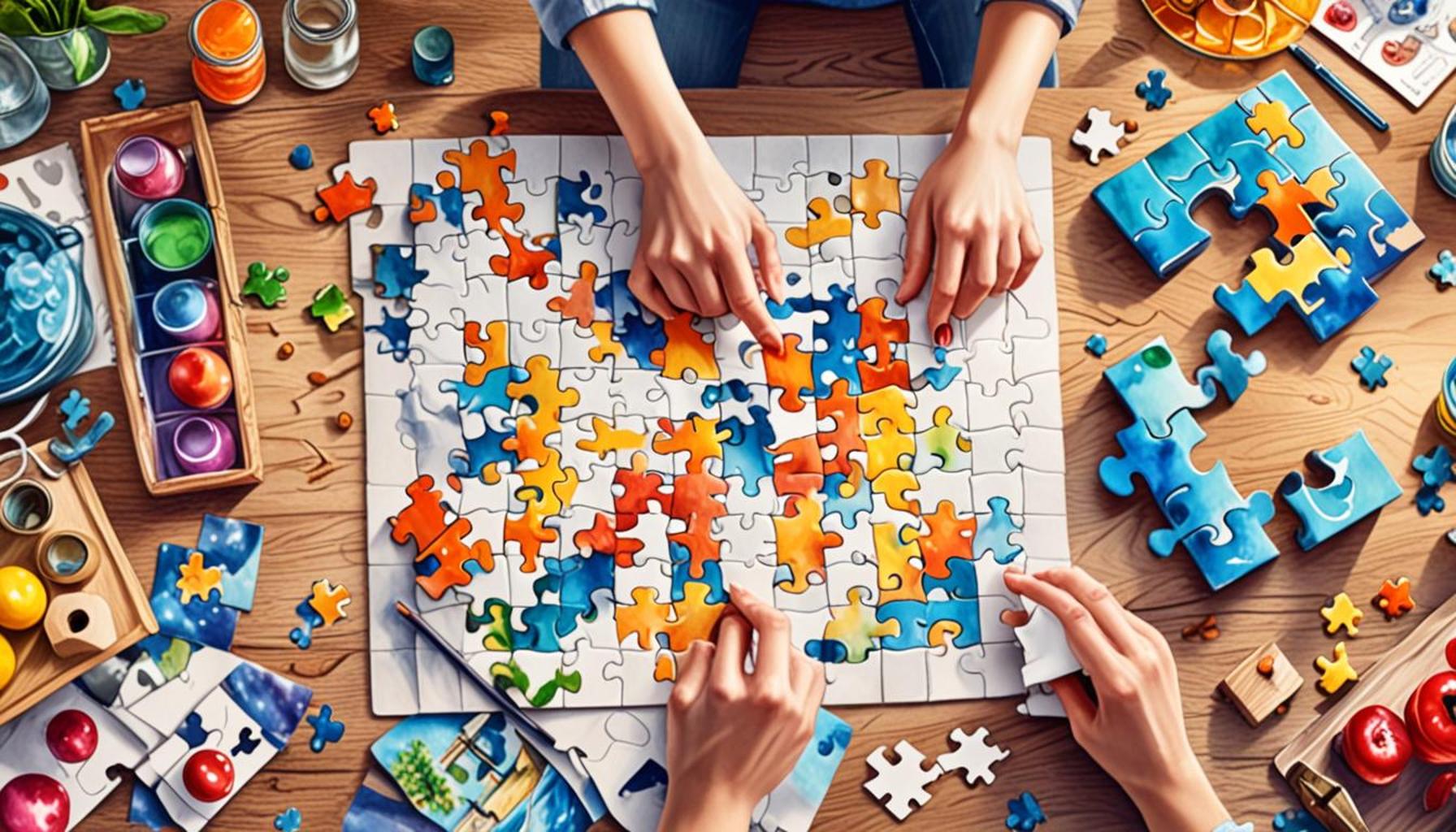
Unlocking the Potential of Your Mind
In an age where information overload can lead to diminished focus and memory, the significance of mind games and puzzles has never been more pronounced. Engaging in these activities offers adults a unique opportunity to sharpen their cognitive skills while keeping their minds active and agile.
Research suggests that regularly solving puzzles and playing logic games has a positive impact on memory retention and concentration abilities. By challenging the brain, individuals can experience enhanced mental clarity, improved problem-solving skills, and greater overall cognitive function.
Why You Should Consider Puzzles
- Enhancement of Cognitive Skills: Puzzles stimulate different areas of the brain.
- Stress Relief: Engaging activities can serve as a healthy distraction.
- Spark Creativity: Problem-solving can lead to innovative thinking.
Ready to dive deeper into this intriguing subject? Throughout this article, we will explore the top 5 games and puzzles that can effectively boost your memory and concentration skills.
DISCOVER MORE: Click here to learn how historical puzzles can enhance learning
Top 5 Ways Puzzles and Logic Games Can Enhance Memory and Concentration in Adults
In the frenetic rhythm of modern life, maintaining cognitive sharpness is more crucial than ever. Adults often find themselves engulfed in a whirlpool of responsibilities, leading to sporadic lapses in memory and concentration. However, there is an enjoyable and effective solution that lies in the delightful world of puzzles and logic games. These mind-stimulating activities offer a playful yet profound approach to preserving and enhancing cognitive functions. In this article, we delve into the top five ways these engaging pastimes can dramatically refine cognitive faculties for adults.

5. Enhancing Problem-Solving Skills
One of the most significant advantages of engaging with puzzles and logic games is their capacity to enhance problem-solving skills. Consider the challenge presented by a Sudoku grid or the complexity of putting together a jigsaw puzzle. These tasks inherently train the brain to think critically and logically, navigating a series of problems to reach a solution.
In these games, players must analyze situations, assess numerous options, and devise solutions. This process mirrors real-life scenarios where decision-making is essential. A multitude of studies have demonstrated a correlation between frequent engagement in problem-solving activities and improved decision-making capabilities in everyday life. By refining these skills through games, adults can sharpen their analytical abilities, which proves invaluable both in their personal lives and professional endeavors. For instance, learning to approach a logic puzzle with strategic foresight can translate into better project management in a work environment.
4. Encouraging Mental Agility
Puzzles such as crosswords, logic puzzles, and brain teasers are perfect exercises to develop mental agility. This cognitive attribute refers to the ability to make swift and effective decisions. In our dynamic world, the capacity to respond promptly to challenges can make a significant difference.
Engagement in these activities necessitates a degree of rapid, on-the-feet thinking. Research has revealed that consistent interaction with such puzzles promotes mental agility by compelling the brain to adjust and reorganize more efficiently—a phenomenon known as neuroplasticity. This enhancement of cognitive processing not only aids in quicker decision-making but also fortifies long-term memory retention and bolsters concentration.
Consider the case of a brain teaser that requires deducing a solution with limited information. The need to process and adapt contributes to a more agile mind capable of navigating various cognitive demands. The benefits of such agility extend beyond the realm of puzzles, as adults frequently encounter situations requiring swift and decisive thinking, such as managing unexpected changes in schedules or dealing with sudden work emergencies.
3. Improving Visual-Spatial Reasoning
Visual-spatial reasoning refers to the mental ability to visualize and manipulate objects and concepts in three dimensions, a skill often called upon when solving certain logic puzzles. These games require players to recognize patterns and visualize potential solutions, directly engaging visual-spatial cognition.
Activities such as assembling jigsaw puzzles or playing intricate 3D video games necessitate players’ ability to manage various elements simultaneously, fortifying visual memory and enhancing focus. Various studies have found a direct link between regular involvement in tasks that invoke visual-spatial reasoning and improved cognitive functioning among adults.
For example, an individual who frequently engages in video games that demand navigation through complex environments might find everyday tasks requiring spatial awareness, such as driving or organizing physical spaces, to become more intuitive and manageable. The improvement in handling three-dimensional perception can thus translate into practical, real-life advantages that facilitate more efficient management of physical and spatial tasks.
2. Boosting Memory Recall
Memory decline is a common concern as adults age. However, puzzles offer more than mere entertainment; they serve as a stimulating exercise that reinforces memory functions. When engaging with puzzles, individuals often need to recall a variety of facts, rules, and strategies, enhancing memory recall.
- Crossword puzzles: These exercises challenge vocabulary and recall, pushing players to retrieve and apply linguistic knowledge promptly.
- Memory card games: Specific games target short-term memory by requiring players to remember the locations of cards.
- Sudoku: This number puzzle strengthens logical memory and pattern recognition by demanding the retention of numerical sequences.
Regular practice with these memory-centric games fosters pathways for improved information retrieval. Adults who regularly exercise their memory muscles through games often report enhanced abilities to recall both everyday details and complex information. This ability to remember can smooth interactions and everyday tasks, such as remembering a shopping list or recalling instructions without additional prompting, thus improving overall life efficiency.
1. Cultivating Focus and Concentration
Among the most notable benefits of puzzles and logic games is the enhancement of focus and concentration. These cognitive skills are essential for performing a wide range of tasks, from professional to personal endeavors.
Many puzzles demand undivided attention, thereby training individuals to focus on intricate details and sustain attention for extended periods. This intensive concentration training can lead to increased productivity and efficiency in various life domains.
Furthermore, puzzles provide a constructive alternative to the constant distractions presented by modern technology and social media. Research indicates that prolonged engagement in activities requiring deep concentration leads to lasting improvements in attentiveness and focus. Over time, cultivating this level of concentration fosters long-term mental well-being, reducing the risk of cognitive decline associated with aging.
Ultimately, incorporating puzzles and logic games into daily routines offers adults more than just entertainment; these pursuits serve as robust tools for enhancing memory, concentration, and overall brain function. By making these activities a regular part of life, adults can unlock hidden cognitive benefits that contribute to sharper, more empowered living.
| Category | Description |
|---|---|
| Cognitive Enhancement | Engaging in puzzles and logic games stimulates the brain, encouraging neuroplasticity and improving overall cognitive function. |
| Memory Training | Regular brain exercises through these games enhance short-term and long-term memory, making it easier for adults to retain new information. |
| Focus and Concentration | Solving complex puzzles requires undivided attention, training the mind to concentrate better in everyday tasks. |
| Stress Reduction | Participating in enjoyable brain teasers can serve as a form of mindfulness, reducing stress levels and promoting mental well-being. |
Puzzles and logic games play a vital role in enhancing cognitive capabilities among adults. These activities not only offer entertainment but also serve as tools for sharpening the mind. For instance, studies show that engaging with challenging problems increases brain function and adaptability, a process known as neuroplasticity.When it comes to memory training, research indicates that individuals who regularly tackle brain games exhibit improved recall abilities. This improvement can be attributed to the mental workout these games provide, stimulating pathways in the brain responsible for memory storage and retrieval. Incorporating puzzles into one’s routine could lead to noticeable advancements in both short-term and long-term retention of new information and skills.Moreover, focus and concentration are crucial in our fast-paced world. Engaging with intricate logic games compels players to direct their attention to detail and strategy, effectively honing their focus. This kind of mental discipline not only benefits gameplay but also transfers to professional and personal endeavors, resulting in heightened productivity.Lastly, the interplay between brain exercises and stress reduction cannot be overlooked. Findings suggest that immersing oneself in puzzles offers a form of escapism, providing moments of calm and clarity in a chaotic lifestyle. The act of concentrating on these mental challenges can induce a state of mindfulness, lowering cortisol levels and enhancing overall mental well-being. This illustrates how the fusion of fun and cognitive exercise can lead to profound benefits for adult minds.
LEARN MORE: Click here to discover the benefits of 3D puzzles
Frequently Asked Questions About Puzzles and Logic Games Enhancing Memory and Concentration
How do puzzles and logic games specifically improve memory in adults?
Engaging in puzzles and logic games can greatly enhance memory as these activities stimulate the brain, encouraging the formation of new connections between neurons. This cognitive challenge can help in boosting short-term memory retention and retrieval processes. The process of problem-solving and remembering strategies reinforces the neural pathways involved in memory.
Can playing these games really make a difference in concentration levels?
Yes, regularly playing puzzles and logic games can significantly improve concentration levels. These activities require sustained attention and focus, which strengthens the brain’s ability to concentrate on tasks for extended periods. The need to focus on patterns and solutions within these games enhances the brain’s capacity to filter distractions and maintain attention on specific tasks.
Are there particular types of puzzles or games that are more effective for cognitive enhancement?
While all puzzles and logic games can be beneficial, certain types are particularly effective for cognitive enhancement. For example, crosswords and Sudoku are excellent for improving verbal fluency and mathematical skills, respectively. Jigsaw puzzles help with visual-spatial reasoning, whereas strategy games like chess boost planning and problem-solving capabilities.
Is there scientific evidence supporting these benefits?
Numerous studies support the cognitive benefits of puzzles and logic games. Research has shown that individuals who engage regularly in such activities have a lower risk of developing cognitive decline in later life. These studies often highlight improvements in various cognitive domains, including memory, processing speed, and executive functions.
How often should one engage in these activities to see benefits?
To achieve noticeable benefits, consistency is key. Engaging in puzzles and logic games several times a week is recommended. Even short, daily sessions of 15 to 30 minutes can contribute to cognitive improvements over time. The important factor is regular engagement rather than sporadic or intense sessions.
DISCOVER MORE: Click here to learn how cognitive tests can make a difference
Conclusion
In exploring the topic of how puzzles and logic games can enhance memory and concentration in adults, we have uncovered significant insights that underscore their importance. These activities are not just a source of entertainment; they serve as powerful tools for cognitive development and mental well-being.
Firstly, engaging in puzzles and logic games stimulates neural pathways, enhancing brain plasticity. This can lead to improved memory retention and recall capabilities. The continuous problem-solving aspect of puzzles requires the brain to adapt, thereby strengthening its cognitive functions.
Moreover, these activities can enhance concentration and attention span. Regularly exercising the brain through strategic challenges helps maintain focus and increases the ability to concentrate for extended periods. This is particularly beneficial in a world filled with distractions, where maintaining attention is a key skill.
Additional Considerations
- Stress Reduction: Engaging in puzzles can be a form of meditation, reducing stress and anxiety levels.
- Social Interaction: Many logic games encourage social interaction, fostering communication and teamwork. This social aspect can lead to improved mental health and emotional well-being.
- Adaptable Challenges: With a wide array of puzzles available, individuals can choose challenges that best suit their personal skill levels and preferences, ensuring a customized cognitive workout.
Ultimately, incorporating puzzles and logic games into daily routines can yield profound benefits for adults looking to bolster their mental acuity. The positive impact on cognitive health offers compelling reasons to embrace these activities as part of a holistic approach to mental fitness. As with any exercise, consistency is key; the more frequently these activities are engaged, the more noticeable the results. In a society increasingly aware of the importance of mental well-being, mind games and puzzles emerge as invaluable tools for enriching lives and sustaining cognitive vitality.