Board Games as Tools to Improve Creative Problem Solving
The Resurgence of Board Games in Modern Creativity
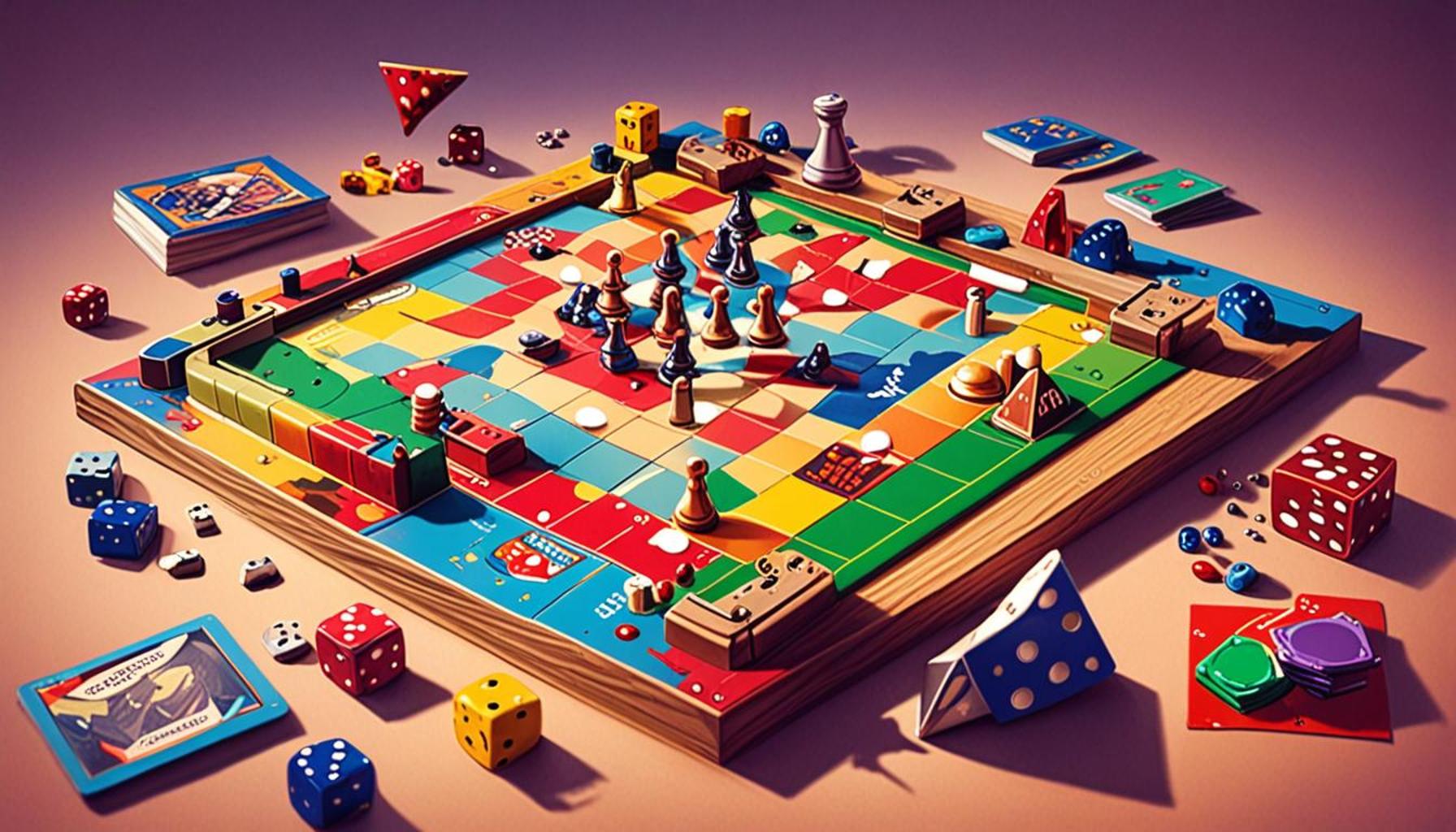
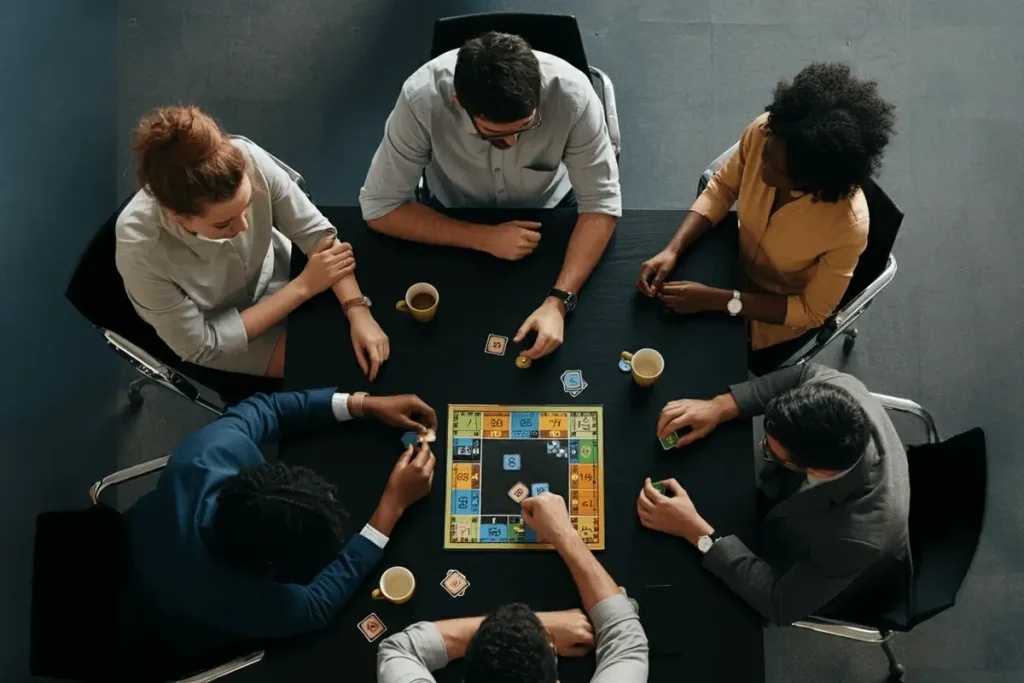
In an age dominated by technology, the resurgence of board games is not merely nostalgia; it’s a strategic revival. These games offer more than just entertainment; they serve as powerful tools for enhancing creative problem-solving skills. This phenomenon reflects a growing recognition of the value that face-to-face interaction and tangible gameplay bring to cognitive development.
Engaging in board games fosters critical thinking through various elements. Consider how they can:
- Encourage teamwork: Many board games require collaboration, promoting communication and collective strategizing. Games like Pandemic or Forbidden Island force players to work as a unit to achieve a common goal, fostering a sense of camaraderie while enhancing social skills.
- Stimulate strategic thinking: Players must analyze scenarios and make decisions based on limited information, mirroring real-world problems. Whether it’s envisioning the best route to build a railway in Ticket to Ride or managing resources in Catan, players learn to think critically and assess risks effectively.
- Boost adaptability: The dynamic nature of gameplay requires participants to adjust their plans frequently, sharpening their flexibility. In games like Carcassonne, where tiles can change the landscape of play, adaptability becomes crucial for maintaining a competitive edge.
Numerous studies have demonstrated that board games can enhance cognitive abilities and creativity, making them excellent educational tools. For instance, engaging in complex games like Settlers of Catan or Ticket to Ride can lead to improved negotiation skills and innovative thinking. Research published in educational journals has shown that children who play board games regularly tend to perform better in math and reading, as they develop spatial awareness and critical thinking skills through play.
Moreover, research indicates that players often develop a unique set of solutions when faced with challenges in these games. This exploration of different perspectives can translate into everyday problem-solving situations, from workplace challenges to personal dilemmas. A manager might adopt a collaborative approach inspired by their teamwork in board games when facing project deadlines. Similarly, families can strengthen their bonds and communication skills by playing games together, turning family night into a creative incubation space.
Ultimately, the invitation is clear: discover how stepping away from screens and engaging in traditional board games can transform your approach to problem-solving and ignite your creative spark. The benefits extend beyond mere enjoyment—they develop essential life skills that can serve individuals across various aspects of their lives. So gather friends, family, or colleagues, and let the journey toward enhanced creativity begin with a simple roll of the dice or shuffle of cards.
DIVE DEEPER: Click here to discover the impact of mind games on critical thinking
Unpacking the Mechanics of Problem-Solving Through Gameplay
Board games, with their intricate rules and engaging mechanics, serve as fertile ground for cultivating creative problem-solving skills. Each game is a microcosm of challenges and opportunities, inviting players to delve into a world where strategy and spontaneity go hand in hand. As players navigate through various scenarios, they not only entertain themselves but also enhance cognitive functions essential for effective problem-solving.
To understand how board games can boost creative thinking, it’s important to explore several critical components woven into their gameplay:
- Promote Critical Thinking: Players are often faced with dilemmas that require them to evaluate multiple options and outcomes. Games like Chess or Go exemplify this by challenging players to anticipate opponents’ moves while constructing their own tactical plan. These games sharpen analytical skills and encourage a deeper understanding of cause-and-effect relationships.
- Enhance Social Interaction: The nature of board games is inherently social, and this interaction stimulates verbal communication and negotiation. In party games like Werewolf or Coup, players must convey their intentions and bluff effectively, honing their ability to read social cues and adapt quickly, essential skills in any collaborative environment.
- Encourage Innovation: Many games reward players for thinking outside the box. For instance, in games like Exploding Kittens, players strategize uniquely to outsmart their opponents, often leading to unexpected and inventive solutions. This aspect of gameplay allows individuals to explore unconventional ideas, fostering a mindset of innovation that translates to real-life problem-solving scenarios.
- Instill Resilience: Board games can be a crucible for developing resilience and the ability to cope with failure. The iterative nature of gameplay often results in setbacks, whether due to losing a crucial resource in Catan or being thwarted in a strategic maneuver in Risk. Players learn to reassess their strategies, pivot quickly, and recover from mistakes—skills vital to creative problem-solving.
Beyond the mechanics of the games themselves, the social dynamics that unfold during gameplay are equally instrumental in enhancing creative thought processes. Group discussions that emerge during gameplay provide insights into different perspectives and problem-solving techniques. According to research presented in psychology journals, groups that engage in strategic board games tend to exhibit improved group cohesion and decision-making prowess, attributes that are increasingly valuable in team-oriented work environments.
Moreover, the benefits of board games extend to all ages, making them a versatile tool in both educational and recreational settings. For instance, educational board games like Rush Hour aid children in developing logical reasoning and pattern recognition, skills that form the foundation of creative problem-solving. As these children transition into adulthood, they carry forward these enhanced skills into their professional and personal lives.
In conclusion, the intricate relationship between board games and creative problem-solving presents an inviting avenue for individuals seeking to improve their cognitive flexibility and strategic thinking. By tapping into the rich tapestry of gameplay, players are not just seeking fun; they are sharpening the intellectual tools necessary for navigating today’s complexities.
| Category | Key Features |
|---|---|
| Engagement | Board games draw players into immersive scenarios that stimulate critical thinking. |
| Collaboration | Many board games require teamwork, fostering communication and sharing of ideas. |
| Strategy Development | Players must devise tactics and adapt strategies, enhancing their problem-solving skills. |
| Risk Assessment | Games often involve weighing risks and making decisions with incomplete information, simulating real-life scenarios. |
Exploring the world of board games reveals a treasure trove of advantages for developing creative problem-solving skills. Games like Catan or Pandemic immerse players in environments that demand not only logical thinking but also teamwork. Collaborative elements are prevalent, teaching the importance of communication and shared objectives.Additionally, players engage in developing varied strategies, fostering an adaptive mindset that is transferable to real-world challenges. The experience of assessing risks while playing allows individuals to strengthen their decision-making abilities in a controlled yet stimulating setting. These games are not merely recreational; they serve as practical tools for sharpening creativity and enhancing critical thinking. As gaming trends evolve, their educational value continues to gain recognition.
DISCOVER MORE: Click here to delve into the psychology of problem-solving in mind games
The Intersection of Board Games and Lifelong Learning
The relevance of board games as tools for enhancing creative problem-solving cannot be overstated, particularly as they bridge the gap between entertainment and education. This intersection not only fosters personal development but also highlights the potential for lifelong learning. The structured chaos of board games lays a foundation for individuals to engage with complex problem-solving techniques that are applicable in various aspects of life.
One significant advantage of board games is their ability to facilitate experiential learning. Players are not merely passive observers; they actively engage in scenarios that require adaptability, critical reasoning, and situational awareness. For instance, in games like Pandemic, players must collaborate to combat a spreading disease, leading to discussions about strategy formulation and resource allocation. This collective effort enhances group dynamics and teaches the importance of pooled intelligence—a vital element in tackling real-world issues.
Furthermore, the inclusion of technology-enhanced board games is opening new avenues for creative problem-solving. Digital platforms that incorporate traditional gameplay with augmented reality or online collaborations invite new methods of interaction. For example, games such as Tabletop Simulator or Board Game Arena allow players to engage with friends and family remotely, promoting flexible thinking and adaptability. This shift not only retains the core principles of traditional games but also addresses the growing need for innovation in how we communicate and solve problems.
A growing body of research supports the assertion that the cognitive demands of board games can lead to measurable improvements in problem-solving capabilities. A study published in the Journal of Applied Cognitive Psychology showcased that participants who engaged in strategic board games exhibited heightened performance in tasks requiring novel problem-solving skills. The conclusion was clear: regularly participating in these games equips individuals with mental frameworks that are essential for innovative thinking and effective decision-making.
Moreover, board games are uniquely designed to incorporate failure as part of the learning curve. Unlike competitive sports, where failure can lead to discouragement, board games create a safe space for experimentation. The iterative cycle of play provides feedback loops that encourage players to reassess their approaches without significant penalties. This feature aligns closely with the principles of design thinking, where iterative testing and refinement are necessary for successful problem resolution. Games like 7 Wonders or Ticket to Ride allow players to experiment with diverse strategies, thus adopting a trial-and-error methodology that can be applied in various contexts outside the game board.
Additionally, the diversity of themes in board games caters to a wide array of interests, helping players from different backgrounds learn from one another. The inclusion of historically themed games, such as Twilight Struggle, not only entertains but also educates players about significant global events while sharpening their analytical skills. Such cross-disciplinary knowledge enhances creative problem-solving, as it encourages players to draw connections between diverse fields of knowledge and apply those insights to contemporary challenges.
By engaging with board games, players inadvertently cultivate a rich tapestry of skills that fuse logic, creativity, and collaboration. This ongoing learning process significantly contributes to their ability to tackle complex problems, ensuring that the significance of play transcends mere entertainment.
DIVE DEEPER: Click here to discover effective games for boosting children’s memory
Conclusion: Unleashing Creativity Through Play
In conclusion, board games serve as powerful tools for enhancing creative problem-solving, merging the realms of fun and education in a uniquely engaging way. Their capacity for fostering experiential learning invites participants to dive into scenarios that demand critical thinking, adaptability, and collaboration. As players navigate through challenges, they naturally hone their ability to devise innovative strategies and solutions applicable both on and off the game board.
The integration of technology with traditional board games is further revolutionizing this learning process by providing dynamic environments for interaction and collaboration. Platforms enabling remote engagement, such as Tabletop Simulator and Board Game Arena, not only preserve the essence of face-to-face play but also broaden access to creative problem-solving opportunities. This digital shift reflects an evolving landscape, catering to the needs of modern learners poised to tackle a vast array of challenges.
Moreover, the iterative nature of gameplay facilitates a safe space for experimentation, allowing players to view failure as a stepping stone rather than a setback. By fostering a culture of innovation and resilience, board games effectively embody principles of design thinking—a crucial component for navigating today’s increasingly complex world.
As this article highlights the myriad ways board games can enhance cognitive abilities and enrich social dynamics, it invites readers to explore their potential further. Whether through a strategic face-off or a collaborative quest, board games will continue to encourage creativity, critical thinking, and effective problem-solving skills that will resonate long after the game is over. The implications for education, teamwork, and personal growth are vast, and the journey of discovery is just beginning.