Board Games as a Social Tool for Reducing Stress and Building Connections

The Benefits of Board Games in Building Connections
In today’s fast-paced world, finding effective ways to reduce stress and cultivate meaningful relationships is essential. One surprisingly simple solution lies in the delightful realm of board games. Loneliness and anxiety can often feel overwhelming, but board games provide an avenue to combat these feelings through shared experiences and laughter. Not merely a source of entertainment, these games act as powerful social tools, fostering connection and building community.
Research indicates that social interactions in relaxed environments can significantly decrease anxiety levels. Engaging with others through board games offers various benefits that extend beyond the tabletop:
- Encourages Communication: Board games necessitate players to share strategies and stories, which naturally enhances interpersonal skills. For instance, discussing tactics in a game of Settlers of Catan or recounting experiences during a game of Cards Against Humanity can lead to richer conversations, helping players become more comfortable expressing themselves.
- Promotes Teamwork: Many board games, such as Pandemic or Forbidden Island, require players to work collaboratively to achieve a common goal. This cooperative gameplay cultivates trust and camaraderie, as players must rely on each other’s strengths to succeed. Such teamwork can translate to improved relationships outside the game, both personally and professionally.
- Boosts Mood: The fun and laughter that often accompany game nights significantly elevate emotional well-being. Research even suggests that laughter can trigger the release of endorphins, the body’s natural feel-good chemicals. Engaging in these playful settings allows individuals to temporarily escape life’s stressors, creating joyful memories that can last long after the game ends.
In the United States, a resurgence of interest in board games has turned living rooms into bustling hubs of connection. Game cafes have sprung up in numerous cities, offering spaces designed specifically for social play. Events like “Tabletop Day” celebrate this growing community, inviting enthusiasts to gather, learn new games, and strengthen bonds with friends and family. Moreover, individuals often organize monthly game nights, demonstrating the strong desire for community engagement and connection through shared interests.
By understanding how these games act as social connectors, we can appreciate their role in promoting mental health. They are not just sources of entertainment; they serve as essential tools for creating bonds amidst life’s challenges. Engaging in board games provides a unique opportunity to cultivate friendships and nurture our social wellbeing, making them a vital component of our contemporary lives.
DISCOVER MORE: Click here to enhance your child’s memory
Fostering Connections Through Shared Gameplay
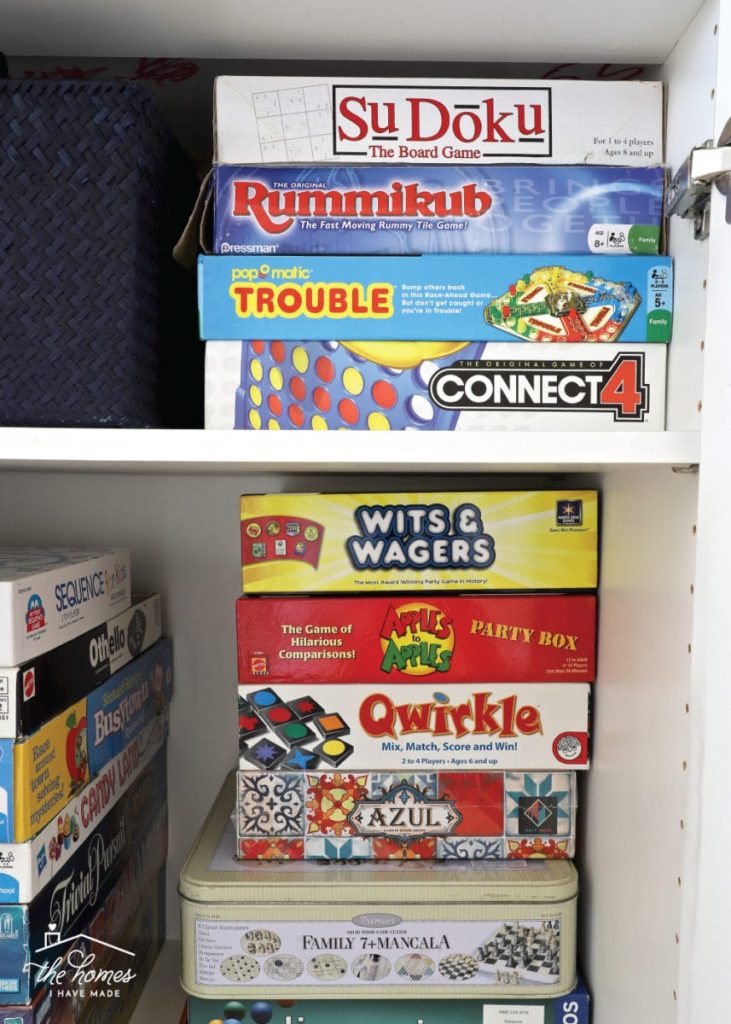
Board games have evolved significantly over the years, transitioning from classic family pastimes to modern-day phenomena that draw in diverse audiences. They serve as a social tool that fosters connections while simultaneously reducing stress. The act of gathering around a table to engage in a friendly competition or cooperative challenge creates an environment where relationships can flourish.
One of the most compelling aspects of board games is their ability to bring people together from various backgrounds. Whether it’s a group of old friends reuniting for a nostalgic game of Monopoly or colleagues forming bonds over a strategic match of Codenames, the shared experience of playing enhances interpersonal relationships. According to a survey by the Entertainment Software Association, approximately 70% of gamers state that gameplay allows them to connect with others, underlining the integral nature of board games in social settings.
The multifaceted benefits of board games are particularly evident in social interactions that prompt deeper connections. Here are some significant advantages that board games can provide:
- Enhances Critical Thinking: Many board games require players to make strategic decisions that enhance critical thinking skills. This not only stimulates mental agility but can also lead to engaging discussions about game strategies, facilitating a deeper understanding of how others think and approach problems.
- Creates Shared Memories: Engaging in a game night fosters memorable moments that can strengthen relationships. Whether it’s laughter over a surprising game turn or the thrill of a close victory, these shared experiences contribute to social bonds that endure beyond the game itself.
- Inclusive Engagement: The nature of board games allows for inclusive participation, even among those who may typically shy away from social interactions. Many games are designed to accommodate various skill levels, meaning both seasoned players and newcomers can join in without feeling intimidated.
Moreover, the accessibility of board games has increased significantly across the United States, thanks to local game shops and online retailers that cater to an array of tastes and skill levels. Themes now range from medieval fantasy to contemporary humor, appealing to a broad spectrum of players. This diversity enables different groups to find common ground, enhancing the social experience associated with gameplay.
As millennials and Generation Z continue to embrace board gaming culture, the traditional image of board games as merely a pastime is being redefined. Game nights have taken on a new life, acting as a creative outlet where friends can unwind, relax, and continue to build stronger connections while navigating the complexities of modern life. Embracing these leisurely settings allows individuals to truly reconnect with one another, making board games an essential tool for nurturing both mental well-being and community bonds.
| Category | Key Features |
|---|---|
| Social Interaction | Board games provide opportunities for players to connect, communicate, and collaborate. |
| Stress Reduction | Engaging in game play allows individuals to unwind, distract from daily worries, and boost mood through shared fun. |
| Teamwork Skills | Many games encourage players to work together which enhances collaboration and builds lasting friendships. |
| Creativity Boost | Strategizing and problem-solving in board games stimulates lateral thinking and fosters innovation. |
Board games, ranging from strategic to cooperative formats, serve as potent catalysts for reducing stress and nurturing social connections. By immersing players in engaging narratives and tactical challenges, they create a shared space that facilitates conversation and camaraderie. Stressful daily routines can be momentarily set aside as players laugh, compete, and collaborate, leading to a natural release of tension. Moreover, the act of gathering around a game board invites individuals to not only enjoy leisure time but also sharpen their interpersonal skills. As friends and family members unite under the aegis of friendly competition, they enhance their abilities to communicate effectively and understand each other’s perspectives—key elements in forming deep-rooted connections. The transformative power of board games awaits anyone eager to explore their potential as not merely a pastime but a profound tool for building relationships and alleviating stress.
LEARN MORE: Click here to discover how memory games can enhance retention
The Therapeutic Effects of Board Games
While it’s evident that board games serve as a bridge to meaningful social interactions, they also hold substantial therapeutic benefits that can reduce stress levels in players. The experience of stepping away from daily pressures and immersing oneself in a game can act as a mental reset, providing an invaluable escape and a chance to recharge. The simple act of engaging in a game creates a sense of relaxation that is essential to overall well-being.
Research has shown the tangible benefits of games in terms of mental health. A study published in the American Journal of Play highlighted that board games promote feelings of happiness and relaxation, with over 80% of participants reporting decreased anxiety levels while playing. This effect can be attributed to several factors, including the opportunity to focus on something enjoyable rather than daily stressors, as well as the dopamine release that accompanies positive social interactions.
Board games also provide a structured way to handle competition and conflict, serving as a practice ground for life skills that can reduce stress. Players learn to problem-solve under pressure and manage setbacks gracefully—skills that are highly transferable to real-life situations. A game of Pandemic, for example, requires cooperation to combat a global crisis, mirroring the teamwork often needed in professional or personal challenges. This shared goal not only adds depth to the experience but also instills a sense of accomplishment as players work together, ultimately relieving stress through mutual support.
- Encourages Mindfulness: Engaging with board games nudges players into the present, cultivating mindfulness. Players must pay attention to game mechanics, strategy, and the reactions of opponents, which can provide a refreshing break from the overwhelming tendency to multitask in everyday life.
- Boosts Social Support: Regular game nights can spawn support networks that enhance mental health. The development of friendships through gaming provides players with trusted individuals to lean on during tough times, affirming the notion that social support plays a crucial role in stress reduction.
- Reduces Feelings of Loneliness: Loneliness can be a significant stressor, particularly during challenging periods in life. Board games motivate individuals to seek out social connections, effectively combating feelings of isolation. The communal aspect of board games promotes sustained engagement and facilitates long-lasting relationships.
Importantly, board games can be woven into therapeutic settings, particularly in group therapy or rehabilitation programs. Mental health professionals have begun to recognize the utility of games as icebreakers and facilitators of group dynamics. Therapists note that board games promote interaction and discussion, allowing clients to express themselves and connect with others in less intimidating environments. This innovative use of board games diversifies traditional treatment pathways, aligning perfectly with modern, interactive therapy styles.
Incorporating board games into one’s routine offers not just a recreational activity but a powerful tool in managing stress and fortifying personal bonds. As the popularity of game nights continues to rise across the United States, individuals from all walks of life are discovering the relaxing, connection-building potential that these games inherently possess. They transcend generations and remain a prominent feature in fostering community spirit, tapping into the timeless joy of face-to-face interaction.
EXPLORE MORE: Click here to discover how logic games can enhance cognitive development
Conclusion
In today’s fast-paced world, where stress and isolation have become commonplace, board games offer a refreshing antidote. They provide not only a source of entertainment but also a profound avenue for social connection and mental well-being. By encouraging laughter, cooperation, and friendly competition, these games create a sanctuary where individuals can escape their daily challenges and rejuvenate their spirits. The evidence is clear—research shows that engaging with board games can lead to decreased anxiety levels and heightened feelings of joy, contributing to a healthier mind.
Moreover, the therapeutic aspects of board games extend beyond mere enjoyment. They foster essential life skills such as teamwork and problem-solving while simultaneously reducing feelings of loneliness and enhancing emotional support networks. This unique blend of social engagement and mental health benefits positions board games as not just a pastime, but as a vital tool in coping with life’s pressures.
As the popularity of game nights continues to surge across the United States, it is evident that the allure of board games transcends age and background. Whether gathering with family for a classic favorite or connecting with friends over the latest tactical adventure, the impact of these shared experiences on reducing stress and building lasting connections is irrefutable. So, as you explore the captivating world of board games, remember that you are not merely playing a game; you are nurturing relationships, honing your skills, and investing in your overall well-being. Step away from the screen, roll the dice, and discover the boundless possibilities that lie within the joy of board gaming.