Art as a Tool for Social Inclusion: Impact Stories Through Creative Expression
The Impact of Art on Social Inclusion
Art has long been recognized as a powerful medium for communication. It transcends barriers, ignites conversations, and cultivates understanding among diverse groups. Today, we delve into how creative expression serves as a catalyst for social inclusion, transforming lives and communities.
- Empowerment through Creativity: Many marginalized groups have found their voices through art. For example, organizations like the California Arts Council support initiatives that help youth in underprivileged neighborhoods to explore their creativity. Programs such as the Arts and Healing Network in San Francisco empower individuals who have faced trauma, enabling them to articulate their experiences and emotions through visual arts and performance.
- Community Building: Collaborative art projects foster relationships and mutual respect. Community murals, like the “Our Town” mural project in Philadelphia, bring together local residents—artists and non-artists alike—to work side by side, expressing their shared history and hopes for the future. Such endeavors not only beautify neighborhoods but also instill a sense of shared ownership and pride among participants.
- Cultural Awareness: Artistic platforms celebrate diversity, encouraging appreciation for different backgrounds. Events like the National Black Arts Festival in Atlanta showcase African American art, music, and dance, illuminating the rich cultural heritage and contributions of the Black community, fostering dialogue and understanding among diverse audiences.
From vibrant murals in urban neighborhoods to inclusive theater performances showcasing the work of differently-abled artists, art plays a pivotal role in bridging the gaps of social disparity. It nurtures a sense of belonging and shared identity, allowing individuals from varied backgrounds to express their stories freely. This sharing of narratives is crucial in dismantling prejudices and fostering empathy across communities.
In this article, we will highlight compelling impact stories that showcase how art has enhanced social inclusion across various communities in the United States. We will also explore:
- The role of local organizations championing arts initiatives, such as Art With a Heart in Baltimore, which brings art education to children in homeless shelters and economically disadvantaged neighborhoods.
- Examples of community-driven projects that inspire change, like the Creative Placemaking initiatives that transform public spaces into vibrant cultural hubs, engaging residents in the process.
- The profound effects of creativity on personal development and social cohesion, underscored by studies demonstrating how engagement in the arts correlates with improved mental health and community interaction.
Join us as we uncover the transformative tales of individuals whose lives have been enriched through the vibrant lens of creative expression. The stories we will share not only illuminate the resilience of the human spirit but also inspire hope and action in fostering a more inclusive society.
DIVE DEEPER: Click here to uncover the creative power of diary writing
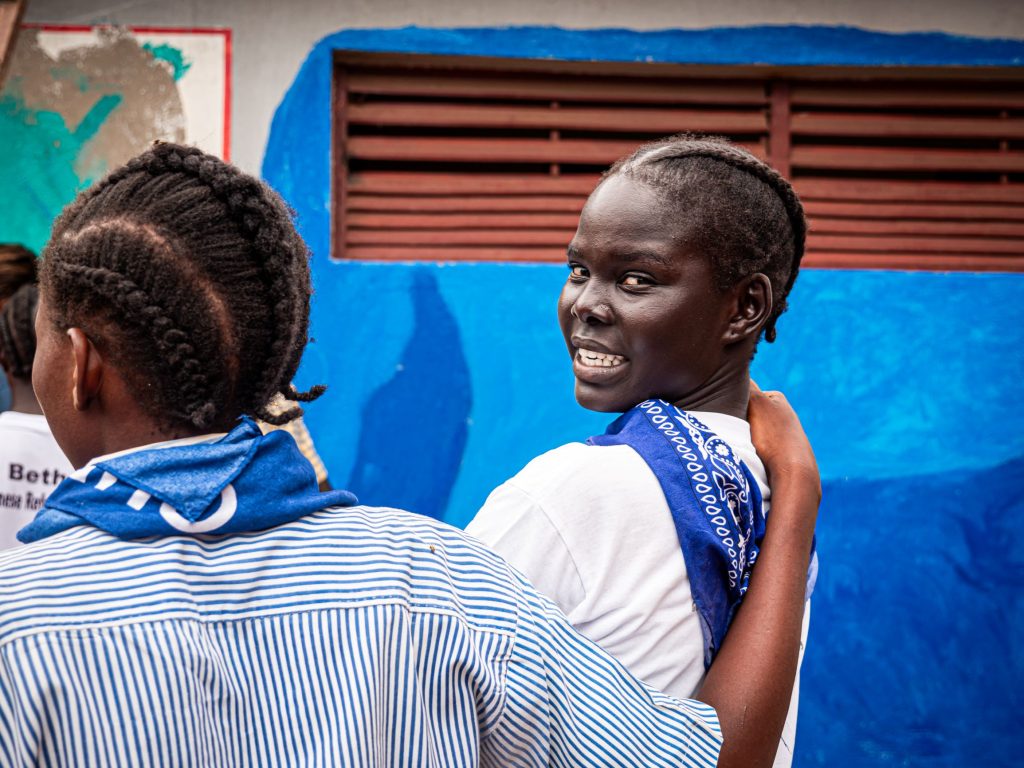
Empowering Marginalized Voices
Art serves as a significant means of empowerment for those in marginalized communities, facilitating the expression of thoughts, experiences, and aspirations that might otherwise remain unheard. Organizations across the United States are increasingly recognizing the value of art in education, healing, and community engagement. For example, the Art With a Heart initiative in Baltimore emphasizes the role of creativity as a transformative tool for children in homeless shelters and disadvantaged areas. Through hands-on art activities, these young individuals learn not only artistic skills but also gain confidence and a sense of agency over their narratives.
The healing power of art is particularly impactful for individuals who have faced trauma. Initiatives like the Arts and Healing Network leverage creative practices to help participants process their experiences and emotional struggles. By engaging in various artistic endeavors—such as painting, dance, and music—participants find a safe space to confront their past, express their emotions, and foster resilience. Such therapeutic avenues illustrate the profound connection between mental health and artistic expression.
Building Community Connections
Art initiatives also play an important role in strengthening community bonds. Through collaborative projects, individuals build relationships that transcend social, economic, and cultural divides. The “Our Town” mural project in Philadelphia is a shining example of how community murals can unite residents. Participants, ranging from local artists to neighborhood residents, come together to collaboratively design and paint murals that reflect their shared history and visions for the future. This not only enhances the aesthetic of their environment but also cultivates shared pride and ownership.
Additionally, programs like the Creative Placemaking initiatives are redefining public spaces into cultural hubs that engage citizens actively. These projects often involve community input, ensuring that the artwork represents local values and histories. For instance, a recent Creative Placemaking project in Chicago transformed an underutilized park into a vibrant venue for public art installations, performances, and community gatherings. Such spaces foster interaction among diverse groups, encouraging ongoing dialogue and collaboration.
Celebrating Cultural Diversity
Art as a tool for social inclusion also plays a critical role in celebrating cultural diversity. Events that spotlight various art forms—from visual arts to music festivals—serve to elevate underrepresented voices. The National Black Arts Festival in Atlanta exemplifies this trend, showcasing the richness of African American contributions across different artistic genres. These festivals not only highlight cultural heritage but also aim to bridge gaps between communities, promoting understanding and appreciation for diverse perspectives.
- Art education programs: Initiatives that bring arts education into schools for low-income students.
- Parks and recreation projects: Community space transformations that invite public participation in artistic activities.
- Festival platforms: Events that foster cultural exchange through music, dance, and visual arts.
In summary, art has the potential to reshape narratives, foster connections, and recognize the diverse tapestry of society. This exploration reveals how creative expression not only enriches the lives of individuals but also ignites a communal spirit that thrives on respect and inclusion. The following sections will present impact stories that delve deeper into these themes, showcasing how art continues to influence social change across the United States.
| Category | Description |
|---|---|
| Community Engagement | Art programs foster collaboration among diverse groups, facilitating shared experiences that break down social barriers. |
| Healing Through Expression | Creative outlets provide a therapeutic space for individuals to process emotions, leading to improved mental health outcomes. |
Art serves as a profound instrument of social inclusion, echoing the voices of those who might otherwise remain unheard. Programs dedicated to incorporating creative expression into community structures can foster unity, showcasing how art can transform perceptions and build empathy among distinct social groups. One striking example comes from community mural projects that invite local residents to express their stories visually. This not only beautifies environments but also enhances a sense of ownership and pride within neighborhoods.Moreover, many initiatives utilize art as a means for healing. Workshops in various artistic disciplines, from painting to music, are designed specifically for marginalized populations. These experiences empower participants to explore their stories, leading to personal growth and collective healing. Participants often report feeling a renewed sense of purpose and connection, proving that art undeniably enriches lives and cultivates inclusion. This ongoing dialogue around art and social inclusion invites further exploration into the transformative capabilities of the arts. Engaging in these conversations can unveil new insights into how societies can harness creativity to address and bridge socio-economic divisions.
DISCOVER MORE: Click here to learn how cooking can boost your mental health
Transforming Lives Through Art Therapy
Art therapy has emerged as a vital resource for individuals facing mental health challenges, deeply embedded in the notion that creativity fosters healing. Programs like the Wellness Arts Project in New York City provide therapeutic art experiences specifically tailored for those dealing with anxiety, depression, and trauma. Participants engage in a variety of artistic forms such as drawing, sculpture, and collage, which enables them to articulate feelings that may be too difficult to express verbally.
Through guided sessions, clients learn to redirect their emotional crises into creative outputs. A notable success story comes from a participant named Sarah, who after losing her job, used painting as a means to express her grief and journey towards recovery. By showcasing her artwork in community galleries, Sarah not only healed herself but inspired others to confront their struggles, emphasizing the ripple effect that art therapy can have on personal and communal levels.
Engaging the Youth
Art also plays a pivotal role in engaging youth, particularly those at risk of social exclusion. Nationwide, initiatives are cropping up that utilize creative expression as a form of intervention. One noteworthy program is the Young As Artists initiative in Los Angeles, which provides underserved youth with mentorship through artistic workshops and community-driven projects. By offering skills in digital media, photography, and performance, the program cultivates both talent and resilience in youth, redefining their future prospects.
Many participants have seen significant changes in their lives. For example, Juan, a talented musician from a low-income neighborhood, learned to channel his experiences into songwriting. By sharing his music at local events, he has not only gained personal confidence but has also created a platform to discuss issues facing his community, such as poverty and violence. Juan’s story exemplifies how art not only unveils hidden potential but also empowers the youth to become advocates for their communities.
Innovating with Technology
Furthermore, the intersection of art and technology is providing innovative pathways for social inclusion. Digital art platforms such as the Freespace Project involve artists and technologists collaborating to create interactive installations that reflect social issues. By employing augmented reality (AR) and virtual reality (VR), these projects allow participants from diverse backgrounds to share their experiences in compelling formats that engage audiences on multiple sensory levels.
An inspiring example can be seen in a recent project in Detroit, where a collective of local artists used AR to visualize the historical and cultural narratives of their city. The project invited community members to contribute their stories, ultimately transforming how the city’s heritage is perceived. By merging art with cutting-edge technology, initiatives like this challenge traditional modes of expression and increase accessibility, making art a powerful conduit for inclusion.
Promoting Civic Engagement
Moreover, art initiatives are proving instrumental in promoting civic engagement. Artistic events, such as the Art and Action festival initiated in Denver, serve as platforms that combine artistic expression with social activism. By inviting artists to address pressing social issues, these events foster a dialogue around topics such as immigration, climate change, and systemic inequality. Through mural painting, poetry readings, and theatrical performances, artists stimulate community debate while encouraging civic participation and awareness.
These stories of art’s transformative power highlight the diverse methods through which creative expression fosters social inclusion. By elevating marginalized voices, engaging youth, leveraging technology, and promoting civic participation, art emerges not merely as a creative outlet but as a critical vehicle for change, ultimately cultivating communities built on collaborative strength and mutual respect.
DISCOVER MORE: Click here to unlock your creative potential
Conclusion
In examining the multifaceted role of art as a tool for social inclusion, it becomes evident that creative expression transcends mere aesthetic value. Instead, it emerges as a profound means of fostering healing, empowerment, and community engagement. Through stories of individuals like Sarah and Juan, we witness how artistic endeavors can transform personal struggles into collective narratives that resonate across different backgrounds and experiences. Initiatives such as the Wellness Arts Project and the Young As Artists program exemplify how targeted art programs can uplift marginalized voices and cultivate resilience among youth, thereby redefining their futures.
The synergy of art and technology further amplifies the accessibility and reach of these initiatives, allowing diverse communities to share their stories in innovative ways. Projects that utilize augmented and virtual reality not only celebrate cultural narratives but also invite participation from all facets of society, thereby broadening the dialogue around essential social topics. Furthermore, the fusion of artistic expression with civic action, as seen in events like the Art and Action festival, underscores art’s critical role in raising awareness and inspiring political engagement.
As we explore these significant impact stories, we are reminded that art is not simply an act of creation but a vital conduit for social change. By continuing to embrace and invest in artistic ventures that bring people together, we pave the way for more inclusive communities that celebrate diversity, promote understanding, and empower individuals to contribute to a shared social fabric. The challenge lies ahead for policymakers, artists, and communities alike to recognize and harness this potential, ensuring that art remains a powerful vehicle for inclusion.