Art and Well-Being: The Therapeutic Impact of Painting and Drawing in Everyday Life
Exploring Art as a Path to Mental Wellness
In today’s fast-paced world, the quest for mental and emotional balance is more relevant than ever. One avenue that many are exploring is the transformative effects of art, specifically painting and drawing, on well-being. These creative practices not only serve as outlets for self-expression but also provide numerous therapeutic benefits.
The Therapeutic Benefits
Research has shown that engaging in art can lead to significant improvements in mental health. Some studies suggest that participating in creative activities can enhance emotional well-being and decrease feelings of isolation. Here are some key benefits:
- Stress Reduction: Creating art helps lower cortisol levels, easing anxiety and stress. This biochemical response is crucial in mitigating the effects of chronic stress, which can otherwise lead to serious health issues such as hypertension or heart disease. For example, a study published in the *Journal of the American Art Therapy Association* demonstrated that individuals who engaged in art activities for just 45 minutes exhibited reduced levels of stress hormones.
- Enhanced Mood: Exposure to colors and textures can trigger emotional release, lifting spirits. Studies suggest that certain colors can evoke specific feelings; for instance, warm colors like red and yellow can instigate excitement, while cool colors like blue can promote calmness. Artists, both professional and hobbyist, often describe a cathartic experience that leads to improved emotional states.
- Mindfulness Practice: Focusing on the process of creation promotes a meditative state. The act of painting or drawing can encourage individuals to live in the moment, diverting attention away from life’s distractions and worries. This mindfulness aspect of art therapy has been instrumental in various therapeutic settings, particularly for patients dealing with anxiety or post-traumatic stress disorder.
Moreover, painting and drawing can empower individuals, giving them a sense of control and accomplishment. This empowerment can be particularly beneficial for those navigating life’s challenges, such as mental health disorders or grief. For instance, groups like “The Healing Arts Program” in many American hospitals offer art workshops for cancer patients, allowing them to express their emotions during a challenging time.
Art as a Daily Practice
Incorporating art into daily life doesn’t require advanced skills. Whether it’s doodling in a sketchbook or trying out a new painting technique, regular creativity can foster resilience. For example, morning pages—a practice popularized by Julia Cameron in her book *The Artist’s Way*—encourage individuals to write freely for a few minutes every day, serving as an excellent warm-up for artistic endeavors and a means to clear the mind.
Embracing these creative activities can transform our routines and enhance our overall quality of life. Research shows that maintaining a daily art practice can lead to long-term mental well-being, providing a healthier alternative to coping mechanisms like excessive screen time or social media distraction.
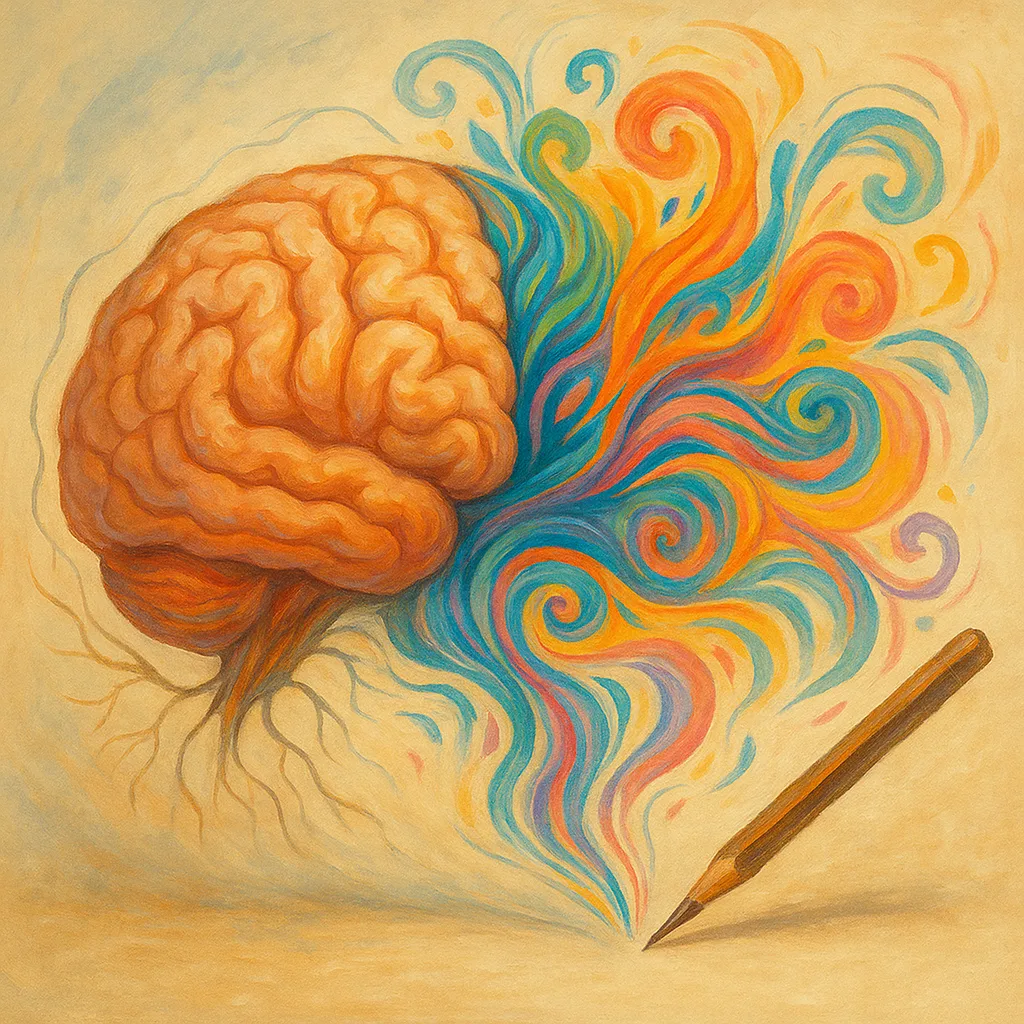
As we delve deeper into this topic, we will explore how these artistic practices can enrich our everyday experiences and contribute to a balanced lifestyle. Whether you are an experienced artist or just starting, it’s clear that art has a significant role to play in fostering mental wellness.
DIVE DEEPER: Click here to discover how to nurture musical talents in children</a
The Healing Power of Colors and Creativity
As we navigate the complexities of modern life, the simple act of painting or drawing emerges as a powerful therapeutic tool. Scientific research underscores the profound effect these creative practices can have on our mental health, suggesting that they can tap into resilience and healing. Beyond a mere pastime, engaging with art fosters emotional growth, encourages personal expression, and supports psychological recovery.
Many people are surprised to learn that art can lead to substantial improvements in cognitive function and emotional state. A pivotal study by neuroscientists at the University of Exeter revealed that participants who spend time creating art reported a 77% reduction in stress levels. This data highlights the significant role that art therapy can play in everyday wellness. Here’s a closer look at some of the transformative benefits:
- Increased Self-Expression: For individuals struggling to articulate their emotions, art can provide a voice when words fall short. The beauty of painting or drawing lies in its ability to convey experiences, thoughts, and feelings visually, allowing for greater understanding and communication of complex emotions.
- Boosted Creativity: Regular artistic endeavors stimulate the brain, enhancing problem-solving skills and innovative thinking. Engaging in these creative outlets can lead to greater adaptability in everyday life, providing new insights amidst challenges.
- Connection with Others: Participating in group art activities or workshops can foster connections and community, alleviating feelings of loneliness. Socializing while engaged in creative pursuits breaks down barriers, allowing people to share their stories and experiences in a supportive environment.
Art not only serves as a personal expression but also cultivates a network of shared experiences. Many non-profit organizations and community centers across the United States are recognizing the vital connection between art and well-being. Initiatives like Art for Health in California and the Arts in Medicine program in New York are providing opportunities for individuals facing mental health issues to explore their creativity in a nurturing setting.
Additionally, art can serve as a form of catharsis, allowing individuals to confront and process trauma or distressing experiences. From workshops in recovery centers to free community art classes, the opportunities for healing through creativity are expanding. These programs illuminate the incredible potential of art in bringing positive change to individuals’ lives, particularly for those dealing with anxiety, depression, or chronic illness.
Incorporating artistic practices into daily routines cultivates not only personal well-being but also collective resilience. It fosters a culture where creativity flourishes, enriching our minds and souls. As we continue to explore the intersection of art and well-being, it becomes increasingly clear that painting and drawing can be essential tools for enhancing mental health in transformative ways.
The Therapeutic Benefits of Art in Everyday Life
Art is not merely a form of creative expression; it holds profound therapeutic benefits that can enhance mental and emotional well-being. Engaging in painting and drawing allows individuals to explore their feelings, providing a safe outlet for self-expression. This practice can facilitate greater emotional awareness, helping individuals articulate feelings that might be difficult to communicate verbally. As one immerses in the artistic process, there is often a sensation of mindfulness, drawing attention away from stressors and fostering a state of relaxation.Furthermore, research has shown that art therapy can effectively reduce symptoms of anxiety and depression. By focusing on the creative process rather than the final product, individuals experience a sense of achievement and satisfaction. Whether it’s through the gentle strokes of a paintbrush or the rhythmic flow of a pencil, the act of creating can lead to increased self-esteem and a more positive self-image.Moreover, painting and drawing can serve as valuable tools for those coping with trauma. Creating visual representations of their experiences allows individuals to confront and process their emotions in a controlled and constructive manner. This approach can lead to significant breakthroughs in understanding and healing.To further explore these enriching experiences, consider how integrating art into your daily routine can transform not only your emotions but also your overall perspective on life. The journey of creativity could lead to new insights and foster a deeper connection with yourself and the world around you.
| Therapeutic Category | Key Features |
|---|---|
| Emotional Expression | Provides an outlet for exploring and communicating feelings. |
| Stress Relief | Encourages mindfulness, reducing tension and inducing relaxation. |
The incorporation of art into daily life can serve as a significant catalyst for personal growth and emotional healing. It’s an invitation to dive into a universe of colors and shapes, where profound change awaits those willing to explore.
DISCOVER MORE: Click here to learn how music enhances learning</a
The Role of Art in Stress Reduction and Mindfulness
In addition to fostering self-expression and community connection, the practice of painting and drawing plays a crucial role in reducing stress and enhancing mindfulness. Engaging with art can create an immersive experience that encourages individuals to turn their focus inward, providing a much-needed respite from the chaos of everyday life. This meditative quality of artistic expression can significantly benefit mental well-being.
A study published in the journal Art Therapy found that just 45 minutes of creative activity can reduce cortisol levels, a hormone linked to stress. By directing attention towards artistic creation, individuals can momentarily escape their worries, engaging in a flow state that promotes relaxation and tranquility. This state of mind allows individuals to enter a zone of reduced negativity and anxiety, leading to an overall boost in mood.
This therapeutic impact is particularly crucial in the context of rising stress levels among adults in the United States, where nearly 8 out of 10 Americans report experiencing stress regularly. With the pressures of life, work, and social demands, finding a healthy outlet becomes essential. Art offers a viable solution.
Furthermore, incorporating mindfulness into artistic practices can deepen the benefits of painting and drawing. Studies show that combining mindfulness techniques—such as focusing on breath or present moment awareness—with art can amplify relaxation effects. Workshops that combine mindfulness and creativity guide participants to focus on the process of creation rather than the end result, fostering acceptance and patience.
- Enhanced Emotional Awareness: Engaging in art can help individuals develop a better understanding of their feelings. By putting pen to paper or brush to canvas, many find it easier to unlock suppressed emotions and gain clarity on their mental landscape.
- Improved Focus and Concentration: Artistic activities demand concentration, enabling people to hone their attention skills. In an age of constant distraction, whether from technology or lifestyle, focusing on a creative task can strengthen cognitive function and decrease symptoms of ADHD.
- Therapeutic Exercises: There are various forms of therapeutic art techniques—like using specific colors to represent emotions or employing drawing as a means of storytelling—that can assist individuals in processing their feelings. These techniques are often employed in counseling settings for their profound impact on emotional release.
The growing understanding of art’s influence on well-being has resulted in a surge of programs across the country that integrate artistic practices into therapeutic settings. From local community art centers offering workshops to multicenter initiatives like Creative Arts Therapy programs in hospitals, people find solace and healing through engaging with art.
Moreover, the advent of technology has further diversified opportunities for artistic expression. Virtual art classes and digital painting applications connect individuals to creative communities, allowing participants to create art in the comfort of their homes. These platforms also serve as an excellent resource for those hesitant to explore in-person settings due to anxiety or social barriers.
As we delve deeper into the relationship between art and well-being, it becomes increasingly evident that painting and drawing are more than mere hobbies; they are vital expressions of human experience that can facilitate healing, growth, and resilience. Empowering individuals to embrace their creativity can not only enhance their own lives but also contribute to a more compassionate and understanding society overall.
DIVE DEEPER: Click here to discover more about music’s effects on mental health
Conclusion: Embracing Art for Holistic Well-Being
In conclusion, the therapeutic impact of painting and drawing extends far beyond the canvas, illuminating pathways to improved mental health and emotional well-being. As we have seen, engaging in artistic practices not only provides an avenue for self-expression but also enhances mindfulness, fosters emotional awareness, and serves as a vital stress-relief tool in our fast-paced modern lives. The integration of art into everyday routines allows individuals to cultivate resilience and nurture a deeper understanding of their feelings, leading to a more balanced and fulfilling life.
The surge of community-based programs and initiatives demonstrates a growing recognition of art’s healing power. From hospitals to local art centers, the availability of creative workshops enables diverse populations to explore their artistic talents, promoting a sense of belonging and support. Moreover, technology has bridged gaps in accessibility, allowing individuals to engage with art from their own environments, thus reaching those for whom traditional settings may feel intimidating.
Ultimately, embracing the therapeutic power of art can create a ripple effect, inspiring not only personal growth but also fostering greater empathy and connectedness within our communities. As we continue to unravel the intricate relationship between art and well-being, it becomes increasingly clear that creativity is not just a pastime; it is a vital component of a healthy, enriched life. Therefore, we encourage everyone to pick up a brush, a pencil, or simply explore the artistic spirit within them, and in doing so, embark on a journey towards holistic wellness.