
The Influence of Fiber on Digestive Health in Dogs and Cats
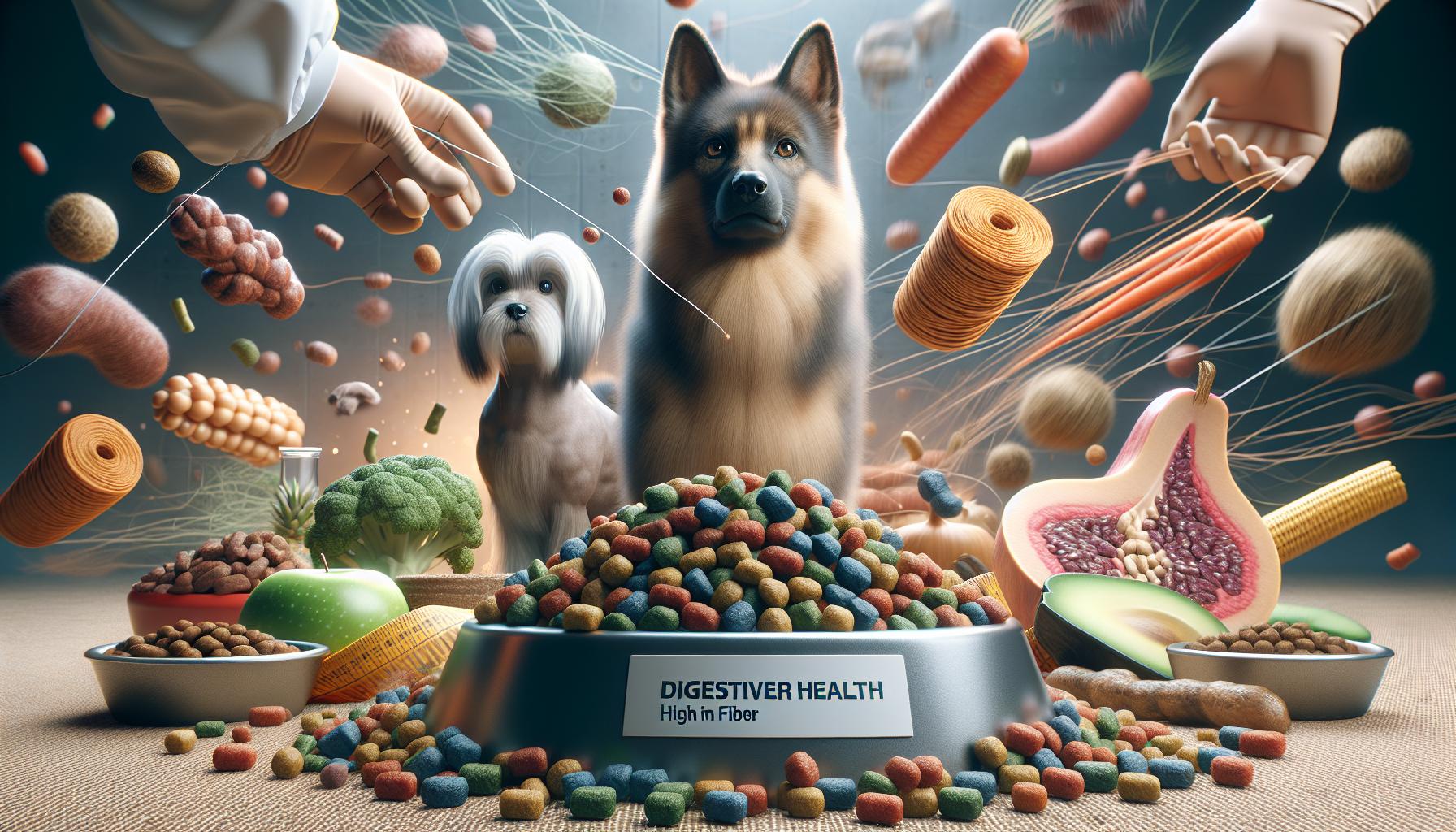
The Importance of Fiber in Your Pet’s Diet
In the quest for optimal health for our furry companions, it is easy to focus primarily on the more popular nutrients, such as proteins and fats. However, the contribution of fiber to your pet’s wellbeing is quite significant and should not be overlooked. This vital nutrient plays a pivotal role in ensuring a functional and thriving digestive system, ultimately promoting overall health and happiness in your pets.
Why is Fiber Important?
Fiber is more than just a filler in your pet’s food; it is an integral component that supports their digestive system in numerous ways. Consider the following:
- Promotes regular bowel movements: Insoluble fiber, found in ingredients like wheat bran, adds bulk to the stool, thereby facilitating its passage through the intestines. Regular bowel movements help prevent uncomfortable conditions related to digestion.
- Prevents constipation: Soluble fiber, akin to that found in pumpkin or psyllium husk, has the ability to absorb moisture, which softens waste material. This process can be particularly beneficial for pets that are prone to constipation, fostering a smoother digestive experience.
- Supports healthy gut bacteria: Certain types of fiber act as prebiotics, serving as food for beneficial gut bacteria. Fermentable fibers, like inulin found in chicory root, encourage the growth of good bacteria, which is essential for a balanced gut microbiome.
While many pet owners may not realize that fiber can come from diverse sources, it is essential to integrate a mix of fiber-rich foods into your pet’s diet. Here are some excellent options:
- Vegetables: Dogs and cats can benefit from a variety of vegetables, such as carrots, peas, and sweet potatoes. These not only provide fiber but are also packed with vitamins.
- Whole grains: Incorporating whole grains like oats, brown rice, and barley can also enhance your pet’s fiber intake while providing additional nutrients that contribute to overall health.
- Fruits: Apples, blueberries, and pumpkin not only satiate pet cravings but also serve up healthy doses of fiber that can improve digestion.
As you explore the unique relationship between fiber and digestive health in dogs and cats, it becomes clear that this nutrient is far more than an insignificant component of their diet. Understanding how to integrate the proper types and amounts of fiber into your pet’s meals can pave the way for a healthier, more vibrant life. This holistic approach to diet will not only keep your pet feeling good but also support their longevity and quality of life, ensuring they remain your beloved companions for years to come.
DISCOVER: Click here to learn how to choose the right organization
The Role of Different Types of Fiber
When discussing the nutritional landscape of our pets, it’s essential to shine a light on the different types of fiber and their unique contributions to digestive health. Fiber is generally classified into two categories: soluble fiber and insoluble fiber, each offering specific benefits that can significantly improve your pet’s digestive system.
Soluble Fiber
Soluble fiber dissolves in water to form a gel-like substance, which can be particularly beneficial for managing digestion. This type of fiber aids in regulating blood sugar levels and can provide a feeling of fullness, assisting with weight management in pets. Sources of soluble fiber, such as oats, barley, and certain fruits like apples and bananas, can be highly effective in maintaining a steady digestion process.
- Blood Sugar Regulation: By slowing down the absorption of sugar, soluble fiber helps to prevent spikes and crashes in blood glucose levels.
- Weight Management: The gel-like consistency of soluble fiber can promote satiety, potentially helping pets to consume fewer calories without feeling deprived.
- Softening Stool: The moisture-retaining properties of soluble fiber contribute to softer stool, which can be advantageous for pets experiencing occasional constipation.
Insoluble Fiber
On the other hand, insoluble fiber does not dissolve in water and adds bulk to the stool, acting like a broom that sweeps through the intestines. This is crucial for pets that may struggle with irregular bowel movements. Foods rich in insoluble fiber include wheat bran, corn, and various vegetables such as carrots and broccoli.
- Promotes Regularity: Insoluble fiber facilitates the movement of waste through the digestive tract, decreasing the chances of constipation.
- Supports Colon Health: By encouraging regular bowel movements, insoluble fiber plays a role in reducing the risk of developing more serious digestive tract issues, such as colitis or even colonic cancer.
- Maintains Healthy Gut Flora: Regular intake of insoluble fiber can aid in maintaining a balanced gut microbiome, which is essential for overall digestive health.
Both types of fiber are crucial in achieving a well-rounded diet for dogs and cats. Incorporating diversified fiber sources not only supports their digestive health but also encourages a thriving gut microbiome. This delicate balance can enhance nutrient absorption and strengthen the immune system, leading to an overall improvement in your pet’s quality of life. So the next time you examine your pet’s food label, consider if it has a proper balance of both soluble and insoluble fibers to promote optimal digestive health.
The Influence of Fiber on Digestive Health in Dogs and Cats
Fiber plays a critical role in maintaining the digestive health of both dogs and cats. It provides numerous benefits that are essential for a balanced diet. For instance, fiber helps regulate bowel movements, ensuring that pets do not suffer from constipation or diarrhea. A suitable intake of fiber can lead to consistent and healthy stool formation, which is a clear indicator of good digestive health. Additionally, fiber contributes to a feeling of fullness, which can be particularly beneficial for overweight animals. By incorporating fiber-rich foods into their diet, pet owners can help manage their pets’ weight while still providing them with the nutrition they need. This is especially important as obesity can lead to various health issues, including diabetes and joint problems.Another key aspect is the effect of fiber on gut health. Certain types of fiber, known as prebiotics, serve as food for beneficial gut bacteria. By promoting the growth of these helpful microorganisms, fiber supports a balanced intestinal microbiome, which is essential for proper digestion and nutrient absorption. A healthy gut flora can also enhance the immune system, further bolstering the pet’s overall health.Incorporating fiber into pets’ diets can be achieved through various sources, such as pumpkin, sweet potatoes, and specific grains. This not only ensures a diverse diet but also helps in managing digestive disorders that can frequently occur in pets. As pet owners become more aware of the importance of fiber, they can make informed choices about their pets’ diets that support long-term health and well-being.To delve deeper into the specifics of fiber types and their unique benefits for dogs and cats, consider exploring more about the various fiber options available on the market and tips for integrating them into your pet’s feeding routine.
| Category 1 | Category 2 |
|---|---|
| Digestive Regulation | Promotes regular bowel movements and prevents constipation |
| Weight Management | Helps pets feel full, assists in weight control for overweight animals |
| Gut Health | Supports growth of beneficial gut bacteria, enhancing nutrient absorption |
| Dietary Variety | Incorporates various fiber sources for a more balanced diet |
By considering the essential advantages of fiber, pet owners can significantly improve their furry companions’ digestive health. Learning to navigate through appropriate fiber sources can lead to more healthful diets tailored to the specific needs of dogs and cats.
DIVE DEEPER: Click here for healthy recipes and tips</
The Importance of Fiber in Preventing Digestive Disorders
As pet owners, understanding the pivotal role of fiber in preventing digestive disorders is key to ensuring our furry companions lead healthy lives. Various digestive issues plague dogs and cats, including constipation, diarrhea, and inflammatory bowel disease (IBD). Integrating appropriate fiber sources into their diets can help mitigate these problems and promote a healthy gut.
Constipation Solutions
Constipation can be a painful condition for pets, leading to discomfort and behavioral changes. One effective remedy is increasing the fiber intake through both soluble and insoluble fiber sources. For example, adding canned pumpkin to a dog’s or cat’s meals can naturally increase fiber levels. Pumpkin, rich in fiber and low in calories, not only assists with relieving constipation but also provides additional nutrients. Furthermore, a combination of fiber types can be particularly effective; while soluble fiber helps soften the stool, insoluble fiber ensures that waste moves smoothly through the intestines.
- Digestive Tract Stimulation: Adequate fiber fosters gut motility, encouraging the digestive tract to function more efficiently and alleviating the symptoms of constipation.
- Natural Remedies: Incorporating fiber-rich foods like sweet potatoes, peas, and green beans serves as a natural remedy for constipation, avoiding the need for medications that might have side effects.
- Veterinary Guidance: Consulting with a veterinarian about appropriate fiber levels in your pet’s diet is essential before making dietary adjustments.
Managing Diarrhea
Conversely, diarrhea presents its own set of challenges and can arise due to various factors, including dietary indiscretion, allergies, or infections. In such cases, increasing resistant starches—found in foods like potatoes and certain grains—can provide the necessary support for firming up stools. Additionally, soluble fiber can absorb excess water in the gastrointestinal tract, contributing to a more solid stool consistency.
- Thickening Agent: Soluble fiber acts as a thickening agent in the gut, helping to slow down digestion and control the consistency of the stool.
- Bioactive Compounds: Foods like flaxseeds are not just sources of fiber but also contain beneficial omega-3 fatty acids, which can help soothe intestinal inflammation.
- Hydration Awareness: It’s crucial to ensure pets are well-hydrated, as diarrhea can lead to dehydration. Fiber should be gradually introduced to avoid overwhelming their systems.
The Gut Microbiome Connection
The gut microbiome, often referred to as the body’s “second brain,” plays a critical role in digesting food and maintaining overall health. Fiber serves as a food source for beneficial gut bacteria, enhancing their population, which supports digestion and nutrient absorption. A diet rich in prebiotic fibers—found in foods like chicory root, garlic, and asparagus—can foster a healthy microbiome, further aiding in digestive health.
- Probiotics and Prebiotics: Combining prebiotic fibers with probiotic supplements can create a synergistic effect, optimizing gut health for dogs and cats.
- Enhancing Nutrient absorption: A thriving gut microbiome leads to better absorption of essential vitamins and minerals, ultimately contributing to your pet’s overall well-being.
- Long-Term Health Benefits: Consistent fiber intake contributes not only to daily digestive function but also to long-term health, potentially reducing the incidence of chronic gastrointestinal issues.
By thoughtfully integrating various fiber sources into our pets’ diets, we can leverage their powerful benefits in maintaining digestive health and preventing disorders. It’s an investment in their well-being that promotes happier, healthier lives for our beloved canine and feline companions.
DISCOVER MORE: Click here to learn about optimizing your senior pet’s diet</a
Conclusion: Enhancing Digestive Wellness Through Fiber
In conclusion, the influence of fiber on the digestive health of dogs and cats cannot be overstated. By integrating the right mix of soluble and insoluble fibers into their diets, pet owners can address a variety of digestive disorders, from constipation and diarrhea to chronic gastrointestinal problems. As we have discussed, fiber does not merely serve as a bulking agent; it actively promotes a healthy gut microbiome, enhances nutrient absorption, and supports overall well-being for our furry friends.
Moreover, some natural sources of fiber, such as pumpkin, sweet potatoes, and flaxseeds, not only facilitate digestive regularity but are also packed with essential vitamins and beneficial compounds that can fortify your pet’s health. The proactive inclusion of fiber-rich foods can be considered a natural and effective approach to preventing and managing digestive issues without resorting to potentially harmful medications.
As vigilant pet owners, it is essential to adapt our pets’ diets mindfully, ensuring they receive appropriate fiber levels tailored to their individual needs. Consultation with a veterinarian can provide valuable insights into optimal dietary adjustments. Ultimately, a focus on fiber can lead to a happier and healthier life for dogs and cats, nurturing their digestive health while granting peace of mind to pet owners. In a world where our pets depend on us for their well-being, embracing the power of fiber is a simple yet impactful change that can yield significant benefits.