Behavior Modification Techniques for Anxious Pets: Strategies for a Calmer Home
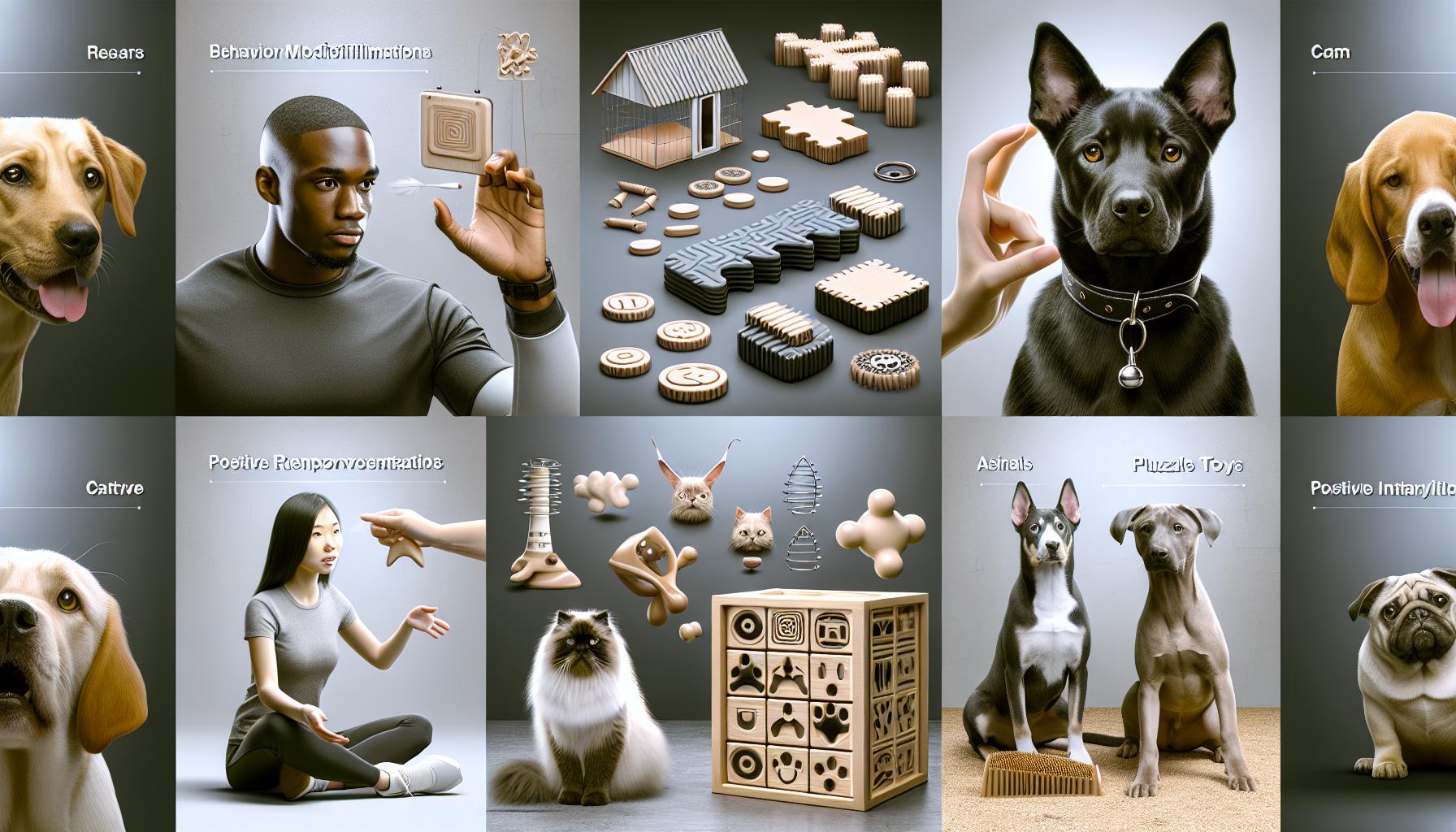
Understanding Anxious Pets
Many pet owners face the challenge of managing anxiety in their pets. Whether it’s due to loud noises, new environments, or separation from loved ones, anxious behavior can lead to stress for both pets and their families. Learning how to implement effective behavior modification techniques is crucial. A pet’s emotional state significantly affects its physical health, making it important for pet owners to address anxiety proactively.
Recognizing Signs of Anxiety
Before tackling the issue, it’s essential to recognize the signs of anxiety in pets. Typically, anxious pets may exhibit:
- Excessive barking: This may signify fear or an attempt to communicate distress.
- Destructive behavior: Pets might chew furniture, scratch doors, or engage in other forms of destruction as a coping mechanism.
- Hiding or retreating: A pet might seek solace in a secluded place, avoiding social interaction altogether.
- Pacing or restlessness: Some pets exhibit nervous energy by pacing back and forth or being unable to settle down.
By identifying these behaviors, owners can better understand their pets’ needs and adjust their approach accordingly. For instance, if a dog barks excessively during thunderstorms, the owner might consider providing a safe space with calming music during such events.
Effective Modification Strategies
There are several behavior modification strategies that can help create a calmer home environment. These include:
- Desensitization and counter-conditioning: Gradually exposing pets to anxiety-inducing stimuli, such as loud noises, can help them build tolerance. For example, playing recordings of fireworks at a low volume while rewarding calm behavior can alleviate fear over time.
- Positive reinforcement training: Rewarding pets for calm behavior encourages them to repeat those behaviors. Treats, praise, or playtime can reinforce positive actions.
- Establishing a consistent routine: Pets thrive on predictability. Feeding, walking, and playtime at consistent intervals help reduce anxiety by creating a sense of security.
- Utilizing calming products: There are various products available, such as pheromone diffusers, which release calming scents that can soothe anxious pets. Other options include anxiety wraps that provide gentle, comforting pressure.
Implementing these techniques can significantly decrease anxiety levels in pets, leading to happier and healthier companions. In addition, pet owners can enrich their pets’ lives by engaging them in regular physical activity and mental stimulation, which further alleviates stress.
Ultimately, understanding your pet’s unique triggers and behaviors is key to managing their anxiety effectively. Collaborating with a veterinarian or a professional animal behaviorist can provide additional insights and tailored strategies for each specific situation. The journey to a calmer, happier pet begins with awareness and informed action.
DISCOVER MORE: Click here for essential tips on senior pet care!
Implementing Behavior Modification Techniques
Once you have identified the signs of anxiety in your pet, the next step is to implement effective behavior modification techniques that can foster a more relaxed environment. Each pet is unique, so it’s crucial to tailor your approach based on their specific fears and triggers. Here, we delve into popular strategies that have been shown to yield positive results.
Desensitization and Counter-Conditioning
Desensitization and counter-conditioning are scientifically supported methods that can help your anxious pet cope with distressing stimuli. Desensitization involves gradually exposing your pet to their triggers at a low intensity, while counter-conditioning works to change your pet’s emotional response to that trigger. For instance, if your dog becomes anxious during graduations or thunderstorms, you can start by playing recordings of these sounds at a very low volume. As your pet becomes accustomed to the noise, gradually increase the sound level, interspersing treats and affection to reward calm behavior throughout the process. This method can take time, but with patience, you can help your pet build tolerance against their fears.
Positive Reinforcement Training
Positive reinforcement training is another impactful technique for behavior modification. This strategy focuses on rewarding desirable behaviors, which encourages your pet to repeat those actions. For example, if your cat remains calm during a thunderstorm while sitting in their designated safe space, you can offer a treat or praise as a reward. Over time, this association can help diminish their fears, molding a more relaxed demeanor in anxiety-inducing situations. Additionally, engaging pets in basic obedience training can establish boundaries and give them a sense of purpose, further reducing anxiety.
Creating a Structured Routine
Establishing a consistent schedule is essential for anxious pets. Animals thrive on routine, and having set times for feeding, exercise, and social interaction can foster a sense of security. Predictability not only helps in reducing anxiety but also builds trust between pets and their owners. For instance, a daily walk at the same time could become a comforting ritual for your dog, making them feel more grounded and less anxious.
Calming Products and Techniques
In addition to training techniques, various calming products can enhance your pet’s comfort levels at home. Options include:
- Pheromone diffusers: These products mimic the natural pheromones emitted by animals, helping to create a calming atmosphere.
- Anxiety wraps: Similar to a gentle hug, these wraps provide soothing pressure that can help animals feel safe and secure.
- Calming music or sounds: Specialized playlists designed for pets can reduce stress and create a tranquil environment.
Integrating these products with the listed behavior modification techniques can lead to a more harmonious home. To maximize effectiveness, owners should remain engaged and observant, making adjustments whenever necessary. Each pet’s journey toward calmness is unique, and with time and dedication, it’s possible to transform anxious behaviors into peaceful coexistence.
Understanding Anxious Behaviors
When addressing anxious pets, it’s crucial to first identify the root of their distress. Pets may display anxiety due to various triggers such as loud noises, changes in environment, separation from owners, or the presence of unfamiliar faces. Understanding these anxious triggers is the first step towards implementing effective behavior modification techniques.
Positive Reinforcement Techniques
One of the most effective strategies for modifying behavior is through positive reinforcement. This technique involves rewarding desired behaviors, encouraging pets to repeat them. For instance, when a dog remains calm during a thunderstorm—a common anxiety trigger—offering treats or praise reinforces this calm behavior. This not only boosts the pet’s confidence but also alters their emotional response to anxiety-inducing situations.
Desensitization and Counterconditioning
Desensitization and counterconditioning are advanced methods that involve gradually exposing pets to their anxiety triggers in a controlled manner. It is essential to introduce these triggers at a low intensity, then progressively increase exposure as the pet becomes more accustomed to the trigger. For example, if your dog fears strangers, having friends visit when you’re present can help them build a more positive association. Slowly increasing their interaction can create a more socially confident pet.
Routine and Environmental Modifications
Consistency in routine is vital for reducing your pet’s anxiety. Regular feeding times, daily walks, and playdates help establish a comforting structure that pets can rely on. Additionally, creating a safe space within your home, such as a cozy nook with familiar toys, can offer a retreat during stressful moments. The combination of a well-structured environment and pleasant experiences can significantly improve behavior.
Consultation with Professionals
If self-implemented techniques do not yield significant improvements, consider consulting a veterinarian or a certified animal behaviorist. They are equipped to provide personalized strategies and may recommend calming aids such as pheromone diffusers or anxiety-reducing supplements. Understanding that anxiety in pets is a common challenge can alleviate feelings of frustration for pet owners. Creating a supportive and understanding home environment is key to fostering a calmer pet. Implementing these strategies will not only enhance your pet’s well-being but also strengthen the bond you share.
| Behavior Modification Technique | Benefits |
|---|---|
| Positive Reinforcement | Encourages calm behaviors and boosts confidence |
| Desensitization | Helps pets become accustomed to anxiety triggers |
| Routine Establishment | Provides a sense of security and reduces anxiety |
| Professional Guidance | Access to tailored behavioral strategies and tools |
DISCOVER MORE: Click here to learn about scent work
Engaging Your Pet’s Senses
Incorporating activities that stimulate your pet’s senses can significantly contribute to reducing anxiety. Engaging their senses not only serves as a distraction but also utilizes their natural instincts to help them feel more secure. Consider the following methods:
Interactive Toys and Puzzles
Interactive toys are designed to capture your pet’s attention and keep their minds busy. These toys can range from treat-dispensing puzzles to toys that require manipulation for the desired reward. Using such toys during stressful situations can redirect your pet’s focus away from their anxiety triggers. For example, during a thunderstorm, offering a puzzle filled with treats can keep your dog entertained and distracted from the loud noises outside.
Scent Enrichment
Another effective method is to provide your pets with scent enrichment activities. Dogs have an incredible sense of smell, making them naturally inclined to explore their environment through scents. You can create a treasure hunt by hiding treats around the house or in your yard. For cats, using catnip-infused toys can provide a soothing yet stimulating experience. These activities tap into their instincts, creating a calming effect by redirecting their energy and attention.
Mindfulness for Pets
Just as humans benefit from mindfulness practices, pets can gain from calm-focused activities. Techniques such as gentle massage and slow, rhythmic petting can help reduce your animal’s stress levels. Petting your pet while they lie in a calm environment can have a soothing effect, reinforcing their trust in you as their caregiver. You can also consider incorporating basic training that involves patience and focus, such as “sit,” “stay,” or “down,” allowing your pet to engage their minds without the pressure of high-energy activities.
Socialization Strategies
While anxiety often arises from a lack of socialization, implementing gradual exposure to new experiences can help your pet adapt. Socialization doesn’t happen overnight, but consistent, positive interactions can significantly improve your pet’s confidence and coping mechanisms.
Controlled Introductions
When introducing your anxious pet to new environments or other animals, do so in a controlled and gradual manner. Start with short visits to new spaces or brief playdates with other calm, friendly pets. Observe your pet’s reactions closely and be prepared to retreat to a familiar space if their anxiety spikes. Encourage positive interactions with treats and praise to reinforce good behavior. Over time, these experiences can diminish fear and build resilience.
Involvement in Classes or Groups
Enrolling your pet in socialization classes can provide beneficial exposure to new experiences in a safe setting. These environments are often designed to help pets learn to manage their anxiety while interacting with both other animals and humans. Look for classes that focus on positive reinforcement techniques, as these will support the calming strategies already in play. Furthermore, connecting with other pet owners can provide an additional support network for you, as well as a community for your pet.
Remember, patience is critical when implementing these strategies. Observing progress, no matter how small, will serve as encouragement for both you and your pet in the journey to a more serene home environment.
DISCOVER: Click here to find inspiring adoption stories
Conclusion
Creating a calmer environment for anxious pets is an essential journey for any pet owner seeking to share a harmonious home. By implementing behavior modification techniques, such as engaging your pet’s senses through interactive toys, scent enrichment, and mindfulness practices, you can effectively alleviate anxiety triggers that disrupt their well-being. These activities not only serve as distractions but also empower pets to tap into their natural instincts, ultimately enhancing their sense of security.
Additionally, the importance of socialization strategies cannot be overstated. Gradual exposure to new environments, controlled introductions to other pets, and participation in structured socialization classes can foster resilience and confidence in your furry companions. Regularly reinforcing positive interactions through treats and praise significantly contributes to a more balanced and sociable pet.
It is crucial to remember that change takes time; patience is your best ally in this endeavor. Small victories in your pet’s behavior can lead to profound changes over time, promoting a peaceful coexistence in your home. As you embark on this journey, continuously observe their progress and adjust your strategies accordingly. The path to a calmer home is paved with understanding, compassion, and consistent effort, promising not only a happier pet but also a more fulfilling relationship between you and your beloved animal. So, begin today, and take the first step towards transforming your shared space into a sanctuary of serenity for your anxious pet.