The Importance of Monitoring Oral Health in Pets: Prevention and Treatment of Dental Diseases
The Importance of Maintaining Oral Health for Your Pets
Many pet owners underestimate the role of oral health in the overall well-being of their furry companions. Similar to humans, pets need consistent care for their teeth and gums to avert serious health complications. Neglected dental issues can spiral into more significant struggles, affecting not just their mouths, but their entire bodies. A closer examination of your pet’s oral health can lead to a longer and happier life.
Dental disease in pets is alarmingly common, with studies indicating that over 80% of dogs and 70% of cats show signs of oral disease by the age of three. The consequences of these conditions can be wide-ranging. Common indicators of dental problems include:
- Bad breath – Often the first noticeable sign, persistent bad breath can indicate underlying dental issues.
- Gum infections – Infections can start in the mouth and travel through the bloodstream, impacting vital organs like the heart and kidneys.
- Tooth loss – Infected or damaged teeth can become loose, making it difficult for your pet to eat a balanced diet, leading to further health issues.
- Costly treatments – Addressing dental diseases after they have progressed can require expensive procedures, including extractions and surgeries.
Fortunately, maintaining dental health is manageable with a proactive approach. Developing a routine that incorporates effective preventive measures can significantly lower the risk of oral diseases. Essential practices include:
- Daily tooth brushing – Using toothpaste formulated for pets is crucial, as human toothpaste can be harmful to animals. Getting your pet accustomed to this habit early on can establish a positive routine.
- Frequent veterinary check-ups – Regular visits to the veterinarian can help catch any dental problems early. Your vet can conduct professional cleanings and provide insights on your pet’s dental health.
- Providing dental treats – Numerous products are designed specifically to help reduce plaque and tartar buildup. Look for treats endorsed by veterinary dental organizations to ensure efficacy.
By prioritizing your pet’s dental hygiene, you not only ward off painful infections but also enhance their overall vitality and longevity. From potential heart problems related to untreated dental disease to digestive issues stemming from difficulty eating, the interconnectedness of oral health to other bodily systems cannot be ignored. Empower yourself with knowledge and consider exploring further resources on pet dental care, including speaking with veterinarians and researching best practices. The commitment to your pet’s oral health is a gift that will keep on giving, contributing to a longer and more joyful companionship.
LEARN MORE: Click here to discover why it’s crucial
Understanding Dental Diseases in Pets
The alarming prevalence of dental diseases in pets is a wake-up call for any pet owner. Untreated dental health issues not only lead to painful conditions for pets but also significantly hinder their quality of life. To fully grasp the implications of dental neglect, it is essential to explore the types of dental diseases that commonly affect dogs and cats.
Common Types of Dental Diseases
Among the most prevalent dental diseases in pets are:
- Periodontal Disease – Often resulting from plaque buildup, periodontal disease ranges from mild gingivitis to severe infection of the supporting structures of the teeth. This condition is the primary cause of tooth loss in pets and may also lead to systemic health issues.
- Dental Calculus – When plaque is not removed through regular brushing or dental chews, it hardens into tartar or calculus, which can exacerbate gum disease and further complicates treatment.
- Tooth Fractures – Pets can suffer tooth fractures due to chewing on hard objects or trauma. These fractures can expose the inner pulp of the tooth, leading to infections that may require extraction or other dental procedures.
- Oral Neoplasia – Tumors in the mouth, which may be benign or malignant, can impact a pet’s ability to eat and drink comfortably. Early detection is key in managing these conditions effectively.
Understanding these common dental diseases allows pet owners to recognize the early warning signs and take the necessary steps toward prevention and treatment. Regular checks at home can include examining your pet’s mouth for signs of distress, bad breath, and swelling. These early indicators can pave the way for timely veterinary intervention.
The Consequences of Dental Neglect
The consequences of ignoring your pet’s dental health can be dire. Untreated dental diseases can lead to severe infections, chronic pain, and, as previously mentioned, the potential for spread to vital organs. That means your pet isn’t just facing the discomfort of oral pain but could also be at risk for conditions affecting the heart, liver, and kidneys. Moreover, the economic ramifications of advanced dental disease treatment can be staggering, with potential costs rising based on the extent of the condition.
In contrast, proactively monitoring and maintaining your pet’s oral health can prevent these issues before they arise. Regular at-home examinations, paired with professional cleanings and consultations with your veterinarian, can create a robust defense against dental diseases, ensuring your furry friend lives a longer, healthier life.
For pet owners, the responsibility of maintaining oral health is a significant one, but the rewards are immeasurable. By committing to a comprehensive dental care routine, you contribute to your pet’s overall health and happiness. Through education and awareness about the importance of monitoring oral health in pets, owners can take charge of their pets’ well-being and foster a deeper bond during their lives together.
Monitoring the oral health of pets goes beyond just ensuring they have a shiny smile; it plays a crucial role in their overall well-being. Regular dental check-ups can help identify early signs of dental diseases such as gingivitis or periodontal disease, which are common and can lead to severe complications if left untreated. Preventive care, including routine cleanings and at-home dental care, can significantly reduce the risk of these conditions.
Pet owners should keep an eye out for symptoms indicating oral health issues, such as bad breath, difficulty eating, or excessive drooling. These signs may hint at underlying dental problems that require professional attention. By promptly addressing these issues, you can save your pet from pain and unnecessary treatments down the line.
Furthermore, maintaining oral health is not only about preventing dental disease. Proper dental hygiene can enhance your pet’s overall quality of life. Research indicates that pets suffering from dental disease may also face increased risk for other health problems, including heart and kidney diseases, due to the bacteria originating in their mouths. Hence, ensuring regular monitoring and treatment of oral health can play a vital role in preventing severe health issues later on.
Using specific products designed for pet dental care, such as toothpaste and chew toys, can also aid in maintaining oral hygiene between vet visits. These tools not only help keep teeth clean but also encourage a positive dental routine for the pet.
| Category | Benefits |
|---|---|
| Preventive Care | Reduces the risk of dental diseases and promotes lasting oral health. |
| Regular Monitoring | Allows for early detection of issues, leading to timely intervention and better health outcomes. |
Encouraging a proactive approach in monitoring your pet’s oral health can lead to a happier and healthier companion. By integrating these dental care practices into your pet’s routine, you are investing in their long-term health and happiness. Stay informed and committed, as the importance of oral health continues to be a significant contributor to the overall quality of life for our beloved animals.
DISCOVER MORE: Click here to learn about pet fur hygiene
Implementing Effective Dental Care Strategies
Preventing dental diseases in pets requires a multifaceted approach that includes regular monitoring, proactive treatments, and consistent dental hygiene practices. The good news is that many of these strategies are straightforward and can greatly reduce the risk of developing debilitating dental conditions.
At-Home Care Practices
As a responsible pet owner, establishing a routine of at-home dental care is crucial. Regularly brushing your pet’s teeth is one of the most effective ways to prevent plaque buildup. Veterinary experts recommend using a specially formulated pet toothpaste and a soft-bristled toothbrush designed for pets to prevent gum irritation. Ideally, brushing should happen several times a week, if not daily, to maintain optimal oral hygiene.
In addition to brushing, consider integrating dental chews and toys into your pet’s daily regimen. These items can assist in mechanically cleaning the teeth as your pet chews, helping to break down plaque and tartar buildup. Look for products that have the Veterinary Oral Health Council (VOHC) seal of approval, as these have met specific standards for effectiveness in reducing plaque and tartar.
The Role of Professional Veterinary Care
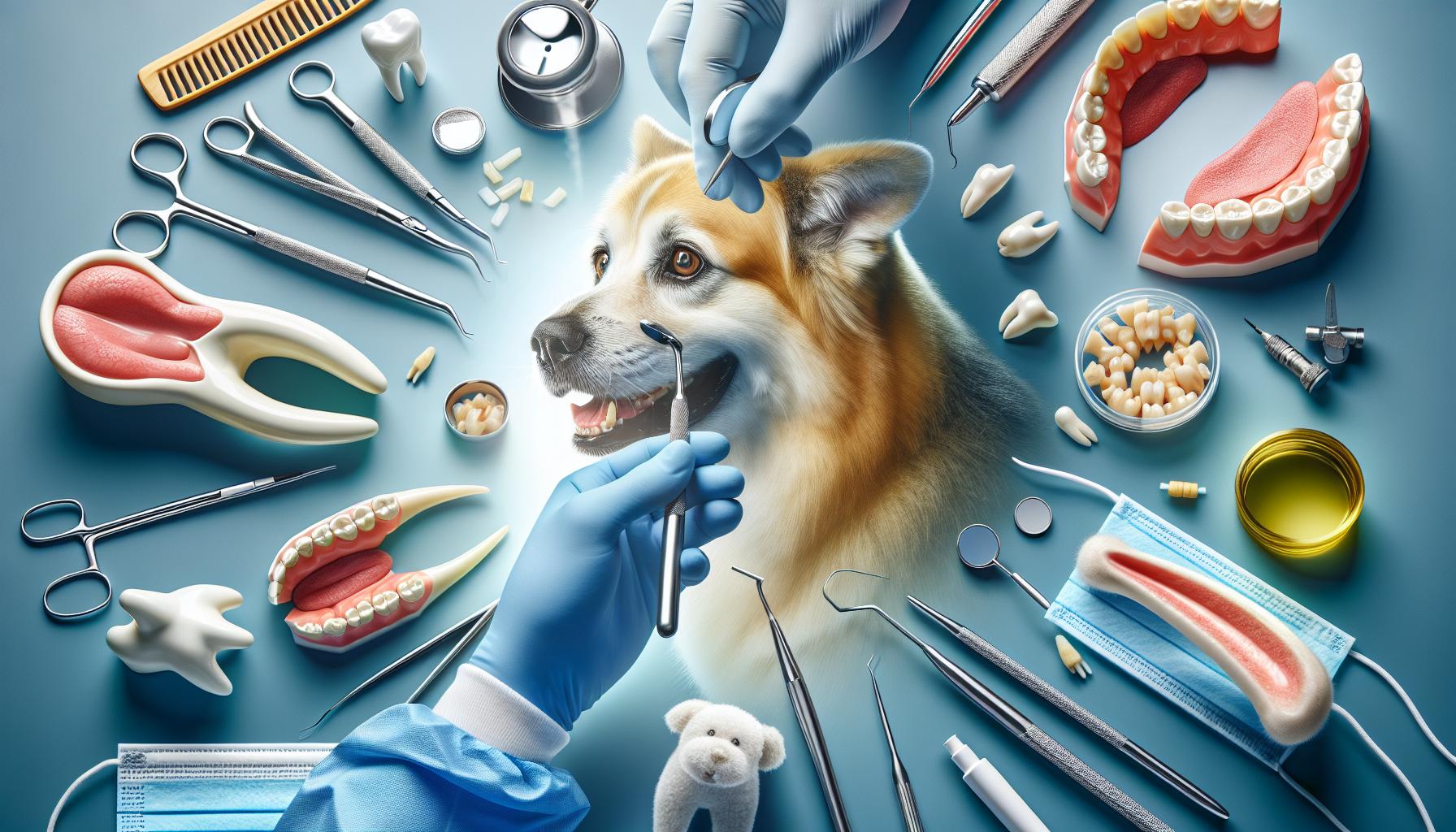
While daily care at home is vital, it shouldn’t replace regular visits to the veterinarian. Professional dental cleanings are recommended at least once a year for most pets, though some may require more frequent visits depending on their individual health status. During these visits, veterinarians typically perform a thorough examination of the mouth, teeth, and gums, identifying any early signs of dental diseases that may not be visible to the untrained eye.
Additionally, veterinarians have the tools and expertise to provide deep cleaning that reaches underneath the gum line, effectively removing calculus and preventing periodontal disease. They can also conduct dental radiographs to visualize the health of tooth roots and bone structure, which may reveal hidden issues that require intervention.
Signs to Watch For
Being vigilant about your pet’s oral health means recognizing when something is amiss. Common signs of dental issues include:
- Bad breath – While some odor is normal, persistent, strong odors could indicate underlying problems.
- Changes in eating habits – Difficulty chewing or reluctance to eat could signal pain associated with dental issues.
- Drooling or pawing at the mouth – These behaviors often indicate discomfort or oral pain.
- Visible plaque or tartar – Check for yellow or brown buildup on your pet’s teeth.
- Gum redness or swelling – Healthy gums are pink and firm; swelling may indicate infection or disease.
If you notice any of these symptoms, it’s essential to consult a veterinarian promptly. Catching dental diseases early can lead to simple treatment and prevent the progression to more severe conditions.
Nutrition’s Impact on Oral Health
The role of nutrition in maintaining your pet’s dental health cannot be overstated. A diet specifically formulated to support dental health can make a significant difference. There are specialized kibble and wet food options that help reduce plaque accumulation while providing essential nutrients.
Hydration is equally crucial; ensuring your pet has constant access to clean, fresh water not only aids in proper bodily function but can also help rinse away food particles and bacteria that contribute to dental diseases. Additionally, consider including raw veggies like carrots or dental treats that promote oral health as part of their diet.
Investing time in these preventative measures will create a lasting impact on your pet’s dental and overall health. As a pet owner, being proactive rather than reactive greatly enhances your beloved companion’s well-being, ensuring they lead a joyful, pain-free life.
DIVE DEEPER: Click here to learn about how consistency drives success in animal training
Conclusion
In summary, monitoring oral health in pets is an essential aspect of responsible pet ownership that should never be overlooked. Just as we prioritize our own dental care, pet owners must recognize that their furry companions require consistent attention to their oral hygiene. Regular vigilance, coupled with a commitment to preventative dental care, can significantly enhance your pet’s quality of life, ensuring they remain vibrant and full of energy throughout their years.
One effective strategy pet owners can implement is brushing their pets’ teeth. While it may seem daunting at first, introducing a pet-friendly toothbrush and toothpaste gradually can lead to positive outcomes. For example, using poultry-flavored toothpaste could make this routine more enjoyable for your dog or cat. Additionally, including dental chews in your pet’s diet can help reduce plaque buildup, making it a simple yet effective measure. Examples of popular dental chews include brands like Greenies and Whimzees, which not only serve as treats but also promote healthier gums and teeth.
Ensuring a nutritious diet is another crucial element. Incorporating kibble that is specifically formulated for dental health encourages chewing, which can mechanically assist in cleaning teeth. Furthermore, certain ingredients, like omega fatty acids and antioxidants found in high-quality pet food, support both oral and overall health.
The role of professional veterinary care cannot be overstated. Regular check-ups not only provide an opportunity for your veterinarian to perform dental cleanings but also allow for early detection of potential issues, such as gingivitis or oral tumors. As pet owners, understanding the signs of oral health distress—ranging from persistent bad breath and swollen gums to changes in eating habits—enables you to act swiftly, potentially preventing minor issues from escalating into major health crises.
Consider scheduling annual veterinary visits or biannual appointments for older pets, as they may benefit from more frequent monitoring. Your veterinarian can guide you on your pet’s specific needs based on their breed, age, and lifestyle.
As advocates for the well-being of our pets, embracing a holistic approach that encompasses both at-home strategies and professional veterinary services enhances their overall health. Prioritizing dental health not only safeguards their smiles but also supports their bodily systems, preventing associated health issues such as heart disease that can arise from poor oral hygiene.
Therefore, remain proactive and informed, and invest time in your pet’s oral health. Your commitment will lead to a healthier, happier companion. In doing so, you’ll find that every wag of the tail and every soothing purr is a testament to the love and care you provide, ensuring not just a longer life but a fuller one for your cherished pet.