
The Influence of Age on the Nutrition of Cats and Dogs
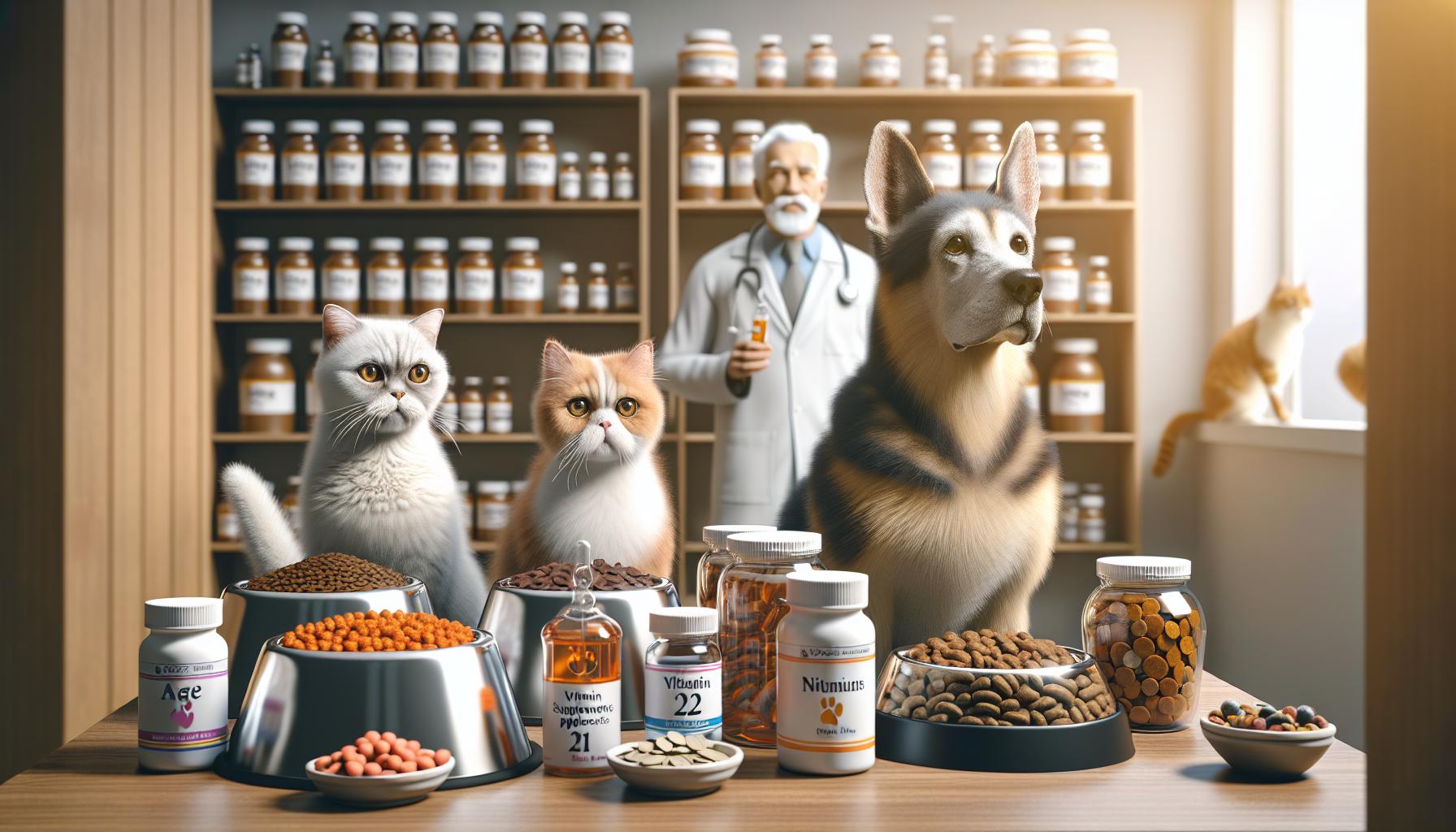
Understanding the Dietary Needs of Aging Pets
The nutritional requirements of our furry companions evolve significantly as they progress through different life stages. Just as humans experience changes in metabolism and health, pets do too, requiring different diets at various ages. Transitioning from vibrant puppies and kittens to more sedate senior pets necessitates a careful, tailored dietary approach. For pet owners, grasping these changes is essential to ensure their companions enjoy a life marked by vitality and longevity.
Life Stages
Nutritional needs vary considerably between the stages of a pet’s life. Kittens and puppies have high energy demands due to their rapid growth and development. They require food that is rich in calories, protein, and nutrients to support their developing bodies. For instance, kitten formulas are designed to provide essential nutrients and the right balance of fat for energy. As these pets reach adulthood, their nutritional demands stabilize; adult cats and dogs need a balanced diet that maintains their health without promoting excessive weight gain.
Health Concerns
As pets enter their senior years, health concerns become increasingly prominent. Older pets may face specific challenges, including obesity, kidney disease, diabetes, and arthritis. These conditions often require a specialized diet. For example, senior dogs may need lower-calorie meals, specifically formulated to curb weight gain while maintaining muscle mass and joint health. Cats with kidney disease might benefit from foods that limit protein but still provide essential nutrients to manage their condition. Understanding your aging pet’s unique health needs can guide you in choosing the right diet.
Ingredient Focus
The quality and type of ingredients in pet food become increasingly crucial as pets age. For optimal health, senior pets often benefit from diets rich in high-quality proteins from sources like chicken, fish, or lamb, while low-fat options may help control weight. Fiber plays a vital role in maintaining gut health, so foods containing whole grains, fruits, and vegetables are also recommended. Additionally, some diets may contain supplements like glucosamine and omega-3 fatty acids to support joint health and mobility.
Moreover, the implications of portion sizes cannot be overlooked. While adult cats and dogs may require fewer calories to maintain a healthy weight, the precise portion size can vary based on activity level and metabolic rate. Keeping a close eye on your pet’s weight can help you adjust portions accordingly. In contrast, puppies and kittens need higher energy inputs, requiring owners to feed them more frequently to ensure proper development.
In the United States, there is a noticeable trend towards specialized pet diets, which cater to specific needs based not only on age but also on breed and lifestyle. Pet owners are increasingly seeking tailored nutrition plans to enhance their pets’ health. By recognizing and understanding the influence of age on pet nutrition, owners can make informed choices that promote longer, healthier lives for their furry family members.
Ultimately, a comprehensive understanding of the shifting dietary needs of cats and dogs as they age can lead to better health outcomes. Engaging with these changes ensures that our pets remain happy and active, no matter their age, fostering a strong bond between pets and owners.
DIVE DEEPER: Click here to learn more about your dog’s nutritional needs
Meeting the Evolving Nutritional Needs of Pets
As pets traverse through the vibrant phases of their lives, their nutritional requirements transform significantly, reflecting their changing health status and energy levels. Understanding the impact of age on our pets’ diets is pivotal for optimizing their well-being and longevity. Whether it’s the energetic bursts of a kitten, the stable needs of an adult cat, or the specialized diets required for senior dogs, each stage brings forth distinct nutritional challenges.
Growth and Development: The Transition Phase
During the initial stages of life, puppies and kittens have extraordinary nutritional needs, driven by their rapid growth and development. This is a period where the demand for energy-rich foods prevails, as both species experience significant physical and mental development. A substantial increase in protein content is essential to support muscle and tissue growth, while highly digestible carbohydrates help fuel their incessant playfulness.
- High-quality proteins: Are critical for building muscle and supporting healthy growth.
- Essential fats: Create energy reserves and promote healthy skin and coat.
- Vitamins and minerals: Ensure overall development, immune system support, and healthy organ functions.
Specialized kitten and puppy foods are meticulously formulated to deliver these nutrients in appropriate quantities. For instance, high-calorie puppy food often includes ingredients that not only meet their energy needs but also ensure they receive a well-rounded intake of necessary vitamins and minerals. On the other hand, feeding adult dogs and cats requires a more balanced approach as their energy requirements stabilize. Maintaining a healthy weight is paramount to prevent obesity-related issues.
Nutrition and Longevity: The Senior Stage
As pets transition into their golden years, the focus on nutritional quality and health-mitigation strategies becomes increasingly important. Senior pets confront various age-related health challenges, compelling owners to adjust their diets accordingly. Conditions such as dental issues, decreased metabolism, and joint problems necessitate targeted nutritional strategies:
- Weight management: Senior dogs may benefit from lower-calorie diets to prevent obesity, while also incorporating high-quality proteins to preserve muscle mass.
- Supportive ingredients: Diets enriched with glucosamine and chondroitin can help in managing arthritis, enhancing joint health and mobility.
- Digestive health: Senior diets often incorporate prebiotics and probiotics to aid digestion and support a healthy gut microbiome.
Research suggests that top-quality ingredients play a critical role in maintaining the health of aging pets. This includes high-quality meat sources, wholesome grains, and wholesome vegetables that nourish their bodies. Additionally, many senior formulas offer lower sodium and phosphorus levels to alleviate stress on the kidneys, addressing common concerns prevalent in older pets.
Adapting to these changes ensures that pets not only maintain their health and vitality but also enjoy their later years to the fullest. By recognizing the influence of age on the nutrition of cats and dogs, pet owners become advocates for their pets’ lifelong health journey, enabling informed dietary decisions that cater to their beloved companions’ specific age-related needs.
The Influence of Age on the Nutrition of Cats and Dogs
As pets age, their nutritional requirements change significantly, impacting their overall health. Senior cats and dogs often need diets tailored to their specific life stage. For instance, older animals may have a decreased metabolism, requiring fewer calories, yet they still need high-quality nutrients to maintain their energy and health. This emphasizes the importance of understanding the specific nutritional needs of senior pets.
| Category | Key Features |
|---|---|
| Dietary Adjustments | Seniors often require lower-calorie diets that still provide essential vitamins and minerals. |
| Joint Health | Nutritional formulas may include glucosamine and omega fatty acids to support joint function and reduce inflammation. |
Additionally, hydration becomes crucial as animals age, with many older pets experiencing a decrease in their thirst drive. Owners should ensure constant access to fresh water and may consider wet food options to supplement hydration. Moreover, dental health can decline with age, making it essential to include dental care in dietary choices.
Paying attention to these changes can help maintain a good quality of life for cats and dogs as they age, outlining the importance of tailored nutrition at every life stage. By doing so, pet owners can make informed decisions to promote longevity and vitality in their furry friends.
DIVE DEEPER: Click here for essential insights
Tailoring Nutrition to Behavioral Changes
As pets age, their behavioral patterns and activity levels shift significantly, necessitating an evaluation of nutritional needs that align with these changes. A cat that used to leap gracefully onto high shelves may find itself more grounded as it encounters mobility challenges; similarly, an exuberant puppy might transform into a more reserved adult dog. Recognizing these behavioral transitions allows pet owners to fine-tune their diets, ensuring appropriate weight management and support for an active lifestyle.
Behavioral Adjustments: Nutrition for Mental Health
Beyond the physical needs, aging also impacts mental acuity in pets. Cognitive dysfunction syndrome (CDS) is increasingly recognized in senior dogs and cats, similar to dementia in humans, leading to behavioral changes such as confusion, anxiety, or altered sleep patterns. Recent studies highlight that diets supplemented with omega-3 fatty acids, antioxidants, and certain vitamins can help mitigate cognitive decline in senior pets. These ingredients promote brain health and foster mental clarity, enabling pets to remain alert and engaged.
- Omega-3 fatty acids: Found in fish oil, they play a critical role in brain function and can enhance cognitive health.
- Antioxidants: Ingredients like blueberries and vitamin E combat oxidative stress, potentially reducing the risk of cognitive decline.
- B vitamins: Essential for energy production and maintaining proper brain function, they contribute to overall mental well-being.
Choosing food that caters to these needs provides a dual benefit: it keeps pets physically fit while promoting mental health, enabling them to navigate their older years with vitality and enthusiasm.
Dietary Trends and Innovations
The pet food industry is continuously evolving, adapting to the nuanced understanding of how age influences nutritional requirements. Recent innovations have introduced specialized diets, including grain-free options, raw food trends, and superfood blends that cater explicitly to age-related needs. For instance, the increasing popularity of freeze-dried raw meals provides a nutrient-dense alternative for both young and senior pets, emphasizing high-quality protein sources and natural ingredients.
Moreover, nutritional supplements are now widely available as owners become increasingly proactive about their pets’ health. Supplements containing essential fatty acids, probiotics, and joint-supporting compounds, like glucosamine, can enhance dietary benefits, delivering targeted support for aging pets grappling with inflammation or digestive issues.
The Role of Veterinary Guidance
As each pet is unique, regular consultations with a veterinarian become essential in customizing diets based on age, health conditions, and lifestyle. A veterinarian can help determine a pet’s specific calorie requirements, assess overall health, and recommend suitable nutritional adjustments to food choices or supplements, ensuring longevity and quality of life. With data-driven insights and personalized recommendations, pet owners can confidently navigate the plethora of dietary options available in the market.
The growing recognition of the link between age and nutrition significantly alters the landscape of pet care. By remaining informed and responsive to their pets’ evolving needs, owners can ensure that their companions thrive at every age, fostering a fulfilling life rich in energy and joy.
DISCOVER MORE: Click here to learn about the impact of nutrition on your pet’s behavior
Conclusion: Prioritizing Nutritional Wisdom for Aging Pets
Understanding the influence of age on the nutrition of cats and dogs is essential for pet owners who wish to provide the best care for their furry companions throughout their lives. As pets transition from playful juveniles to senior members of the family, their nutritional needs undergo significant changes that reflect their altered physical capabilities and mental health requirements. Tailoring dietary plans that consider these evolving needs not only supports physical well-being by managing weight and promoting activity levels but also nurtures cognitive health—a crucial aspect as pets age.
With advancements in the pet food industry leading to specialized diets and innovative supplements, owners now have a wealth of options to address the unique nutritional challenges faced by their aging pets. Collaborating with veterinarians to customize dietary choices ensures that pets receive well-rounded nutrition tailored to their specific health statuses and lifestyle needs.
The journey through a pet’s life is enriched by informed dietary decisions, fostering a life filled with vitality, intelligence, and joy. By remaining vigilant and proactive, pet owners can pave the way for their companions to enjoy their golden years to the fullest. In essence, a deeper understanding of how age influences nutrition empowers owners to not only enhance the quality of life for their pets but also to strengthen the bond shared through these golden years. As we delve deeper into the realm of pet nutrition, the quest for optimal health for our beloved animals continues, making the exploration of age-specific dietary needs a priority in the ever-growing field of pet care.