Importance of Socialization in the Emotional Health of Pets
The Significance of Socialization in Enhancing Pets’ Emotional Health
For our pets, socialization is more than just a routine; it is a vital element that significantly influences their emotional well-being and overall behavior. Animals, much like humans, flourish when they engage in social interactions that foster a sense of community and belonging. The consequences of inadequate socialization can lead to a myriad of emotional challenges for pets, which can ultimately affect their happiness and relationships with others, including their owners.
Research shows that pets that engage in regular socialization experience notable advantages that contribute to their emotional stability and friendly demeanor. These benefits include:
- Reduced Anxiety: Socialized pets are typically less fearful and more comfortable in new environments and around unfamiliar people. For instance, a dog that has been exposed to various settings, such as parks, busy streets, and family gatherings, is likely to remain calm when faced with new experiences.
- Improved Behavior: Well-socialized pets demonstrate fewer behavioral issues, including aggression, destructiveness, and excessive barking. A classic example can be seen in puppies subjected to socialization classes; these environments can teach them appropriate play and communication skills with fellow dogs.
- Better Adaptability: Pets accustomed to interacting with a range of people and animals tend to be more adaptable to changes in their surroundings. For example, a cat that regularly meets visitors and experiences different home settings is less likely to display fear when a new family member moves in.
In the United States, the importance of socialization is frequently overlooked amidst the responsibilities of pet ownership. It’s not merely about taking a dog for a walk or scheduling occasional playdates; genuine socialization encompasses a variety of engaging experiences that strengthen pets’ social skills. Activities like puppy training classes, dog parks, obedience training, and supervised playgroups can provide essential lessons in interpersonal dynamics.
A growing awareness of the importance of socialization is transforming the landscape of pet care. Owners are gradually realizing that fostering positive social interactions can significantly improve their pet’s quality of life. Activities such as community events designed for pets and their owners, like charity walks or meet-and-greet gatherings at local parks, can further enhance social skills while providing stimulating interactions.
Investing in a pet’s social life not only paves the way for a happier and healthier animal but also enriches the relationship between pets and their owners. Therefore, it’s essential for pet owners to prioritize these experiences, ultimately leading to pets that are better equipped to navigate the complexities of the world around them.
Understanding Socialization: The Foundation of Emotional Wellness for Pets
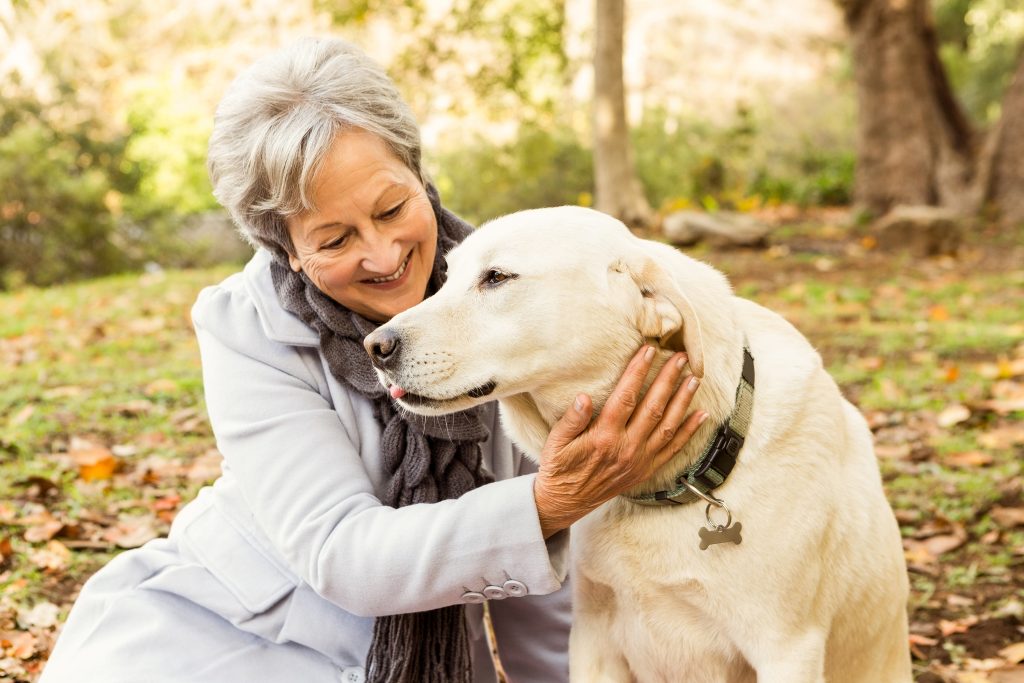
Socialization is not just a luxury in pet ownership; it is a fundamental requirement for fostering healthy emotional development. The initial years of a pet’s life are particularly crucial, as this is when they are most receptive to new experiences and interactions. During these formative months, a pet’s exposure to various stimuli, such as different environments, people, and other animals, lays the groundwork for their emotional health and behavior as they mature. Without adequate socialization during this period, pets can develop lifelong issues such as fearfulness, aggression, and anxiety.
Statistics reveal that a significant percentage of behavioral problems in pets stems from insufficient socialization. According to the American Society for the Prevention of Cruelty to Animals (ASPCA), nearly 20% of pet owners report behavioral issues with their dogs, and a substantial portion of these issues can be mitigated through proper socialization techniques. Engaging in various activities not only benefits pets but also empowers owners with the tools necessary to nurture a well-adjusted companion.
To truly comprehend the profound impact of socialization, it is essential to explore its multidimensional benefits:
- Enhanced Confidence: Pets that are socialized correctly gain confidence and develop a more balanced personality. For instance, dogs that have frequent interaction with diverse breeds and individuals are less likely to exhibit signs of fear or anxiety when meeting new dogs or people.
- Strengthened Bonds: Socialization strengthens the bond between pets and their owners. By engaging in activities together—such as attending training classes or group play—owners are more likely to foster trust and affection, creating a harmonious relationship built on mutual understanding.
- Social Skills Development: Just as humans learn to navigate social situations, pets must acquire the skills necessary for positive interactions. Well-socialized pets tend to engage in appropriate play cues, body language, and vocalizations, which are critical for initiating and maintaining friendships in their community.
The significance of socialization stretches beyond early life stages; continuing exposure to new experiences is vital throughout a pet’s lifetime. While many owners focus on puppy and kitten stages for socialization, it is imperative to maintain these practices even as pets age. Regular interactions with new environments, people, and animals serve to refresh and reinforce social skills that may fade over time.
As community awareness regarding the importance of socialization in pets grows, various resources are becoming available to facilitate positive interactions. Pet-friendly events in local communities, such as canine-friendly cafes and social meetups, offer opportunities for public outings that improve social skills while simultaneously enhancing quality of life for pets and their owners alike.
The journey of socialization is not just about technical training; it is about creating a fulfilling life for pets. As responsible pet owners, ensuring the emotional well-being of our furry friends through intentional social exposure can lead to a happier, healthier coexistence that eliminates unnecessary stress and boosts both emotional and physical health.
| Category | Insights |
|---|---|
| Enhanced Social Skills | Regular social interaction helps pets develop better communication and interaction skills with both humans and other animals. |
| Reduced Anxiety | Socialization can significantly lower the likelihood of anxiety disorders in pets, promoting a calmer and more confident demeanor. |
| Strengthened Bonding | Positive interactions during social events greatly enhance the bond between pets and their owners, leading to a happier household. |
| Cognitive Development | Engaging with other pets stimulates intellectual growth and keeps them mentally active, crucial for emotional stability. |
Socialization significantly impacts the overall emotional health of pets. By enhancing their social skills, pets can communicate effectively, reducing misinterpretations during interactions. Regular exposure to various environments aids in nurturing adaptability, which contributes to lower fear and anxiety levels.Additionally, the strong bond formed through positive social experiences reinforces the relationship between pets and their owners. Studies show that pets which socialize regularly tend to exhibit fewer behavior problems and are overall more balanced, leading to a harmonious living environment. Thus, ensuring ample socialization opportunities is paramount for any pet owner aiming to foster a nurturing and healthy atmosphere for their beloved companions.
The Long-Term Impact of Socialization on Pets’ Emotional Health
Beyond just the initial socialization period, the long-term emotional health of pets is profoundly influenced by ongoing social interactions. Pets are inherently social creatures, and their well-being is intricately linked to their ability to connect with their environment and the beings around them. Continuous socialization not only fosters emotional stability but also contributes significantly to behavioral adaptability. Statistics indicate that pets who maintain regular social engagement tend to have better resilience against stressful situations, such as being left alone or encountering unfamiliar individuals.
Regular socialization helps mitigate stress-related behavior, which can often escalate into more severe behavioral problems if not addressed. For example, a dog that frequently interacts with other dogs and humans is less prone to developing separation anxiety. In contrast, a pet left in isolation may exhibit signs of distress, including destructive behavior, excessive barking, or even depression. The key lies in understanding that socialization is a lifelong commitment, with progressive engagement yielding enhanced trust and emotional fulfillment.
Real-World Examples of Positive Socialization
Numerous real-world accounts underscore the impact of effective socialization. Take rescue dogs, for instance. Many come from shelters with limited exposure to various environments or stimuli. Organizations that specialize in rehoming pets often prioritize socialization as part of their training programs. These rehabilitative efforts include taking dogs to parks, hosting playdates with other dogs, and introducing them to diverse human appearances and behaviors. Such initiatives drastically improve their chances of adoption and happiness in new homes.
For example, the “Dog Training Club of America” emphasizes the importance of group classes that not only teach obedience but also provide a structured setting for dogs to interact. Many trainers observe that dogs who frequently attend such classes are notably more balanced, happy, and well-mannered. This observational data highlights that socialized pets are generally perceived more favorably by potential adopters, subsequently increasing their likelihood of finding loving, permanent homes.
Benefits of Exposure to Varied Experiences
Another crucial aspect of socialization is the exposure to varied experiences, which prepares pets for the unpredictability of the world. Comparatively, pets that are sheltered from different potential stressors during their formative years may struggle in environments that are bustling, loud, or filled with unfamiliar scents. For example, a cat raised in a quiet home may find itself overwhelmed in a bustling household where children and other animals roam freely. When exposed to a range of situations—cars, public transportation, varied weather conditions—pets learn to adapt and respond positively rather than react with fear or aggression.
Research shows that pets exposed to diverse environments display increased sociable behavior as they grow older. One study conducted by the Journal of the American Veterinary Medical Association revealed that well-socialized dogs tend to be less anxious and fearful in varied settings, thus enhancing their quality of life. This adaptability leads to reduced visits to the veterinarian due to anxiety, which ultimately benefits both pets and owners alike.
Fostering Community Connections through Socialization
In the broader context, the socialization of pets fosters community connections. Pet owners who actively socialize their animals often find themselves part of a larger network of pet enthusiasts, participating in events, training sessions, and playgroups. This sense of camaraderie not only benefits the pets but also enhances the owners’ experiences, providing emotional support and shared resources. Moreover, events like dog shows and charity runs for pets provide platforms for social interaction while promoting animal welfare, further underscoring socialization’s wide-reaching impact.
Pursuing diverse and ongoing social experiences for our pets transcends just emotional health; it cultivates a better understanding among owners and fosters more substantial community ties. The integration of socialization practices into everyday routines plays a pivotal role in ensuring pets thrive in a complex world. By investing time and effort into continued socialization, pet owners can contribute to a happier, healthier existence for their beloved companions.
Conclusion: Enriching Pets’ Lives through Socialization
In summary, the importance of socialization in the emotional health of pets cannot be overstated. As social animals, pets thrive in environments where they can interact regularly with their surroundings, other animals, and humans. By actively engaging in socialization practices, pet owners are not only fostering emotional stability and reducing behavioral issues but are also enhancing their pets’ ability to adapt to diverse situations. This lifelong commitment to social interaction opens up a world of opportunities for personal growth and companionship, ultimately leading to a more fulfilled and balanced life for our furry friends.
The evidence is clear: well-socialized pets are generally healthier, happier, and more adaptable. They better cope with challenges and transitions, reflecting the cumulative benefits of positive interactions. Moreover, the ripple effect of socialization extends beyond individual households to create stronger community connections among pet owners, enriching not only the lives of pets but also the experiences of their families.
For pet enthusiasts looking to improve their companion’s emotional health, incorporating socialization into training routines, visiting parks, joining pet-focused communities, and attending events can be transformative. Emphasizing the role of socialization elevates our responsibility as guardians to ensure that pets experience a rich, engaging, and emotionally satisfying life. As we continue to champion the value of socialization, we take vital strides towards enhancing the well-being of not just our pets, but also ourselves—a win-win for both parties in this cherished human-animal bond.