
Monitoring Vital Signs in Pets: Technologies and Practices for Owners

Understanding the Importance of Pet Vital Signs
Monitoring vital signs in pets is a crucial aspect of responsible pet ownership. Just like humans, our furry friends experience fluctuations in health that can indicate underlying issues. By understanding how to track these signs, owners can ensure their pets lead healthier, happier lives. This proactive approach not only helps identify health concerns early but also fosters a deeper bond between pet and owner through attentive care.
Key Vital Signs to Monitor
- Heart Rate: The heart rate is a vital indicator of overall health and can vary significantly between different breeds and sizes of pets. For example, a dog’s heart rate can range from 60 to 160 beats per minute, depending on factors like size and fitness level. Knowing your pet’s normal heart rate can help you recognize when there may be a problem.
- Respiratory Rate: This measures the number of breaths your pet takes per minute and is essential for assessing overall respiratory health. A normal respiratory rate for dogs is typically between 10 to 30 breaths per minute, while cats average 20 to 30. An increase in this rate may indicate stress, pain, or underlying health issues.
- Temperature: A pet’s normal body temperature ranges from 101 to 102.5 degrees Fahrenheit. A significant deviation from this range can signal the presence of fever, infection, or other health concerns. Owners should learn how to safely take their pet’s temperature to act swiftly if abnormalities arise.
- Hydration Level: Proper hydration is vital for your pet’s overall well-being and metabolic state. A simple test includes checking the elasticity of your pet’s skin; if it doesn’t spring back quickly when gently pulled, your pet may be dehydrated. Additionally, monitoring their drinking habits can provide insight into their health.
Advancements in technology have made it easier for pet owners to monitor these vital signs. For instance, wearable devices such as smart collars can track a pet’s activity and vital signs in real time, sending alerts directly to your smartphone when something appears off. This level of monitoring ensures that any changes in your pet’s health can be detected early, allowing for prompt veterinary intervention when necessary.
Practices for Effective Monitoring
Establishing a routine for checking vital signs can empower pet owners to take an active role in their furry companions’ health. Here are some effective practices to consider:
- Regular vet check-ups to get baseline measurements that will help you recognize any significant changes or trends over time.
- Utilizing technology like smart collars and health apps that keep track of your pet’s metrics, making it easier to spot abnormalities.
- Keeping a health journal to record observations such as eating habits, activity levels, and any changes in behavior. This insight can be invaluable when discussing health concerns with a veterinarian.
As technology continues to evolve, so does the opportunity for pet owners to actively participate in their furry friends’ health. Explore the wealth of innovative solutions available, such as telemedicine for pets, which allows for remote consultations with veterinarians. By staying informed and vigilant, pet owners can significantly enhance their pets’ quality of life, ensuring that they thrive for many years to come.
Harnessing Technology for Health Monitoring
The rise of technology in everyday life has also permeated the veterinary field, allowing pet owners unprecedented access to monitoring their furry companions’ health. Today’s pet owners are fortunate to have access to an array of innovative tools and devices designed specifically for monitoring vital signs in pets. From smart collars to mobile applications, these technologies serve as an added layer of protection and observation for pet owners.
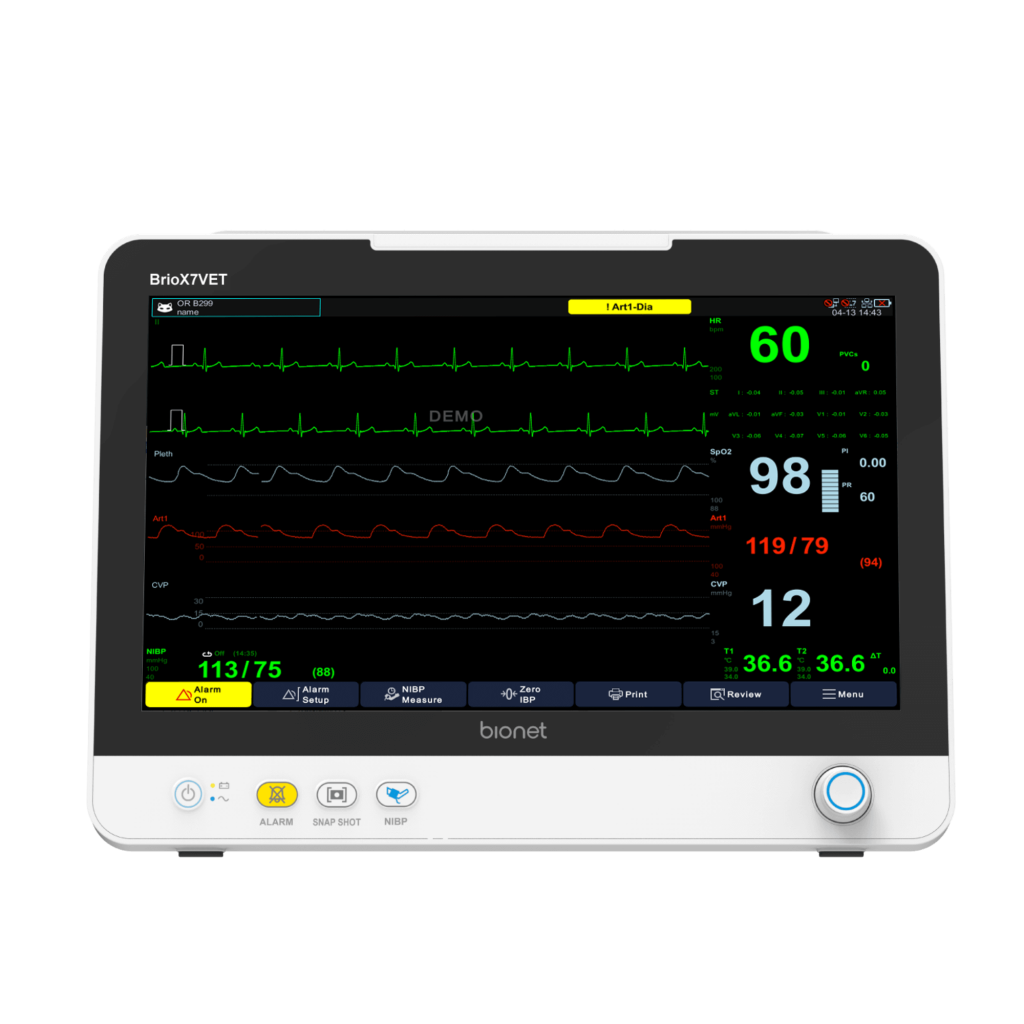
One of the most significant developments in this arena is the introduction of wearable pet tech. Smart collars equipped with sensors can continuously track a pet’s activity levels, heart rate, and even temperature. These devices can alert owners to potential health issues by notifying them through their smartphones if any vital signs fall outside of the normal range. This real-time monitoring enables swift reactions, which can be critical in preventing serious health complications.
The Role of Mobile Applications
In addition to wearable devices, mobile applications dedicated to pet health are becoming increasingly popular. These apps usually track vital signs alongside dietary habits, exercise routines, and overall behaviors, creating a comprehensive health profile for your pet. Some applications even allow users to set reminders for medication schedules, vaccination updates, and vet appointments. By leveraging such technology, pet owners can maintain a holistic view of their pets’ health, making it easier to spot abnormalities.
Moreover, the integration of telemedicine into pet care has revolutionized the way owners interact with their veterinarians. Telehealth services allow for virtual consultations where pet owners can discuss vital signs and symptoms observed through monitoring. With a simple video call, pet owners can share real-time health data collected from monitoring devices, aiding veterinarians in providing immediate advice and recommendations.
Benefits of Routine Monitoring
Establishing a routine for monitoring your pet’s vital signs is just as important as the technology used. Here are several beneficial practices to incorporate into your pet care regimen:
- Consistency: Make it a habit to check your pet’s vital signs at the same times each week. Regular measurements will help you recognize trends and identify any sudden changes.
- Education: Familiarize yourself with your pet’s normal vital ranges—educating yourself not only helps you react appropriately but also empowers you in discussions with veterinarians.
- Communication: Share your findings with your veterinarian during check-ups. This collaborative approach can lead to better preventive care, keeping your pet healthy and happy.
The combination of modern technology and dedicated monitoring practices promises a healthier future for our beloved pets. Staying proactive means better preparedness in addressing potential health crises, ultimately contributing to a longer lifespan and improved quality of life.
| Category | Key Features |
|---|---|
| Wearable Devices | These devices monitor heart rate, activity levels, and sleep patterns, providing real-time data to owners. |
| Telehealth Services | Allow pet owners to consult with veterinarians remotely, facilitating rapid responses to health concerns. |
| Mobile Apps | Offer personalized monitoring schedules and alerts for vaccinations, food intake, and exercise goals. |
| Health Monitoring Sensors | Provide insights into vital statistics like breathing rates and temperature, ensuring timely intervention when anomalies arise. |
The integration of modern technologies into pet care is transforming how owners interact with their pets’ health, making it easier to monitor and understand their vital signs. The advancements in wearable devices mimic the functionalities often seen in human healthcare, providing invaluable data that can aid in early detection of health issues. This not only empowers pet owners but also enhances communication between pets and their caregivers, ensuring they receive appropriate care tailored to their unique needs. As telehealth and mobile applications become more widespread, the convenience of managing a pet’s health from the comfort of one’s home becomes a substantial benefit to modern pet ownership. The continuous monitoring enables owners to learn more about their furry friends’ behavior and health patterns, and to make informed decisions that might lead to better health outcomes.
Innovative Tools Transforming Pet Care
In addition to the wearables and mobile applications, a surge of innovative tools is reshaping how pet owners monitor vital signs and manage their pets’ health. For instance, devices such as smart feeding bowls equipped with sensors can not only track food intake but also monitor changes in a pet’s eating behavior—an important indicator of potential health issues. Sudden changes in appetite can signify anything from dental problems to serious systemic diseases, making these insights invaluable for early detection.
Home Diagnostic Kits
Home diagnostic kits are another emerging trend that allows pet owners to conduct basic health assessments at home. These kits often include tools to measure parameters such as heart rate, temperature, and even simple blood tests. Although they do not replace the need for professional veterinary assessments, they empower owners by providing greater insight into their pets’ health between vet visits. For example, a pet owner might use a home blood-glucose monitor to track diabetes management, ensuring they can alert their veterinarian to concerning trends in real time.
Understanding Pet Behaviors through Technology
Technology is also enabling pet owners to analyze their pets’ behavior in more depth. Advanced video monitoring systems can capture a pet’s movement patterns and behaviors when an owner is not home. With features like night vision and motion detection, these systems provide a glimpse into a pet’s daily activity levels, which can be crucial for understanding energy expenditures and potential health problems. This information adds another layer of insight, allowing owners to adjust exercise routines or diet accordingly.
Integrating Data for Enhanced Care
A significant advancement in monitoring vital signs is the integration of data aggregation platforms. These systems compile data from various devices—wearables, smart feeders, and home diagnostic kits—into a single interface that provides a comprehensive view of a pet’s health history. Platforms like these can help identify patterns over time, making it easier to spot issues before they escalate. They often create wellness reports that can be shared with veterinarians, allowing for customized health plans based on the aggregated data.
The Trend Toward Proactive Veterinary Care
The shift towards proactive veterinary care, driven in part by these technologies, is revolutionizing how pets are treated. Conventional veterinary medicine focused on addressing health issues as they arose. With the introduction of monitoring tools and real-time data analysis, veterinary practices are now prioritizing preventive care. A proactive approach helps to identify diseases in their early stages when they are often easier and less expensive to treat.
Furthermore, as more pet owners adopt these modern tools, there’s an increasing demand for veterinarians to understand and interpret the data provided. This evolving landscape calls for continuous education and adaptation both for pet owners and for veterinary professionals, ensuring that everyone is equipped for the best possible outcomes in pet healthcare.
As technology continues to advance, pet owners are not merely caretakers anymore; they are also becoming informed advocates for their pets’ health. By engaging with these technologies and practices, owners can ensure that they are doing everything possible to provide their pets with healthy and fulfilling lives.
Conclusion: Empowering Pet Health Through Technology
The landscape of pet healthcare is undergoing a significant transformation, primarily through the adoption of advanced technologies for monitoring vital signs in pets. With innovative tools ranging from wearables to home diagnostic kits and smart feeders, pet owners are better equipped to track their furry companions’ health on a daily basis. This growing emphasis on proactive care is pioneering a shift in veterinary practices, as earlier detection of health issues has become pivotal for ensuring better outcomes.
As we delve deeper into this new era of veterinary medicine, it becomes clear that data integration plays a vital role. Platforms that compile information from various monitoring devices empower pet owners by providing comprehensive insights into their pets’ health trends. These advancements not only allow for informed decision-making between vet visits but also foster a stronger collaborative relationship between pet owners and veterinarians.
Moreover, understanding pet behavior through technology, including video monitoring systems and activity trackers, enhances owners’ ability to recognize changes that may signal health issues. By leveraging these tools, they can respond promptly, thus paving the way for preventative measures and tailored health plans.
Overall, the future of monitoring vital signs in pets is promising. As we embrace these evolving practices, pet owners can become empowered advocates for their pets’ well-being. The integration of technology into pet care heralds a new paradigm—one where health management is not merely reactive but rather a proactive commitment to a longer, happier life for our beloved companions. By staying informed and engaged with these trends, pet owners can contribute to a healthier, more fulfilling future for their pets.