
How to Prepare Your Pet for the Arrival of a Baby at Home
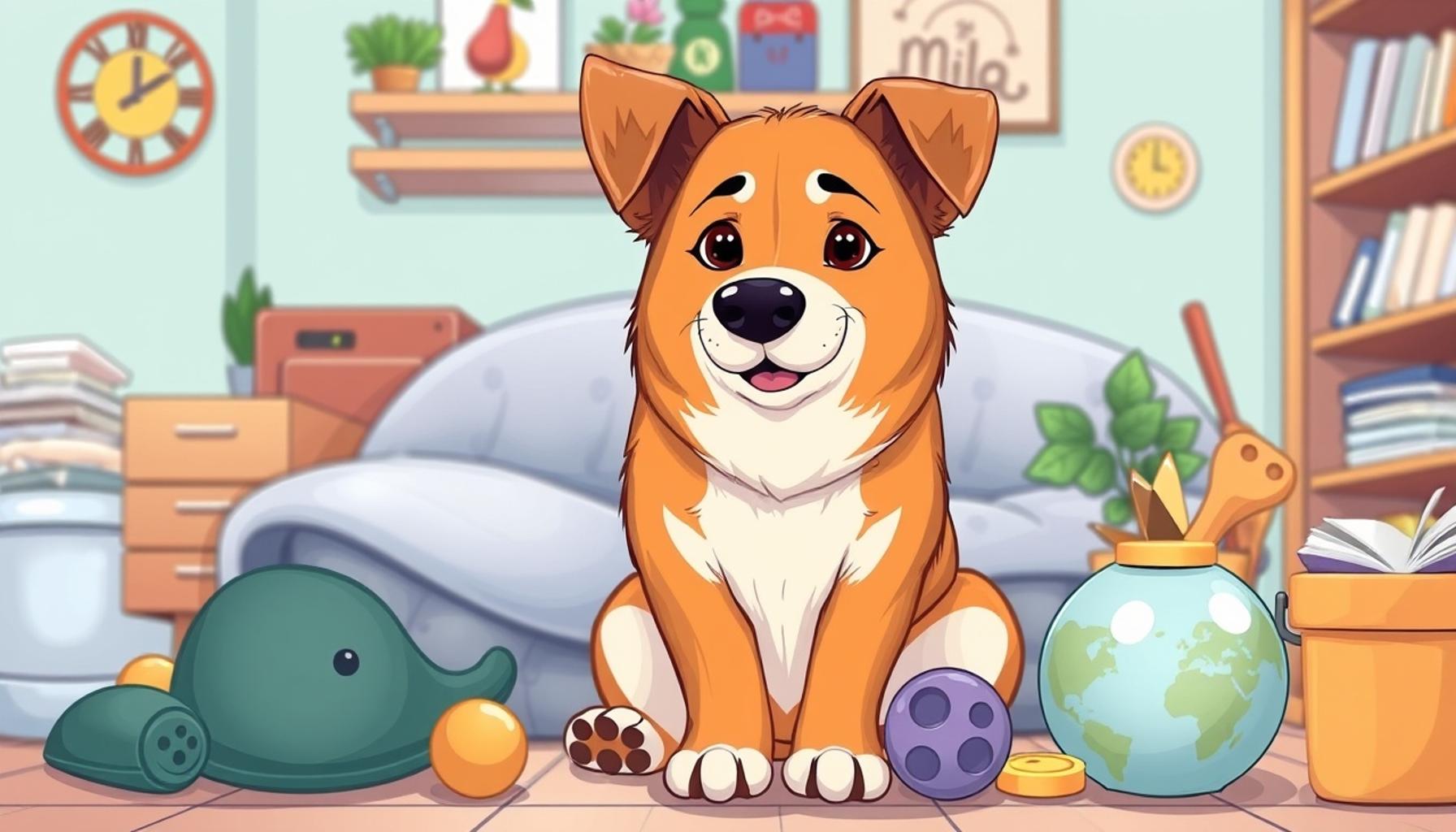
Preparing Your Pet for a New Arrival
Welcoming a new baby into your home is an exciting journey, but it can stir up feelings of anxiety for your furry friends. Transitioning pets to coexist with a baby requires thoughtful preparation and understanding. The emotional and physical dynamics of your household are about to change, and pets often require time and reassurance to adapt to this new reality.
Pets, such as dogs and cats, are incredibly sensitive creatures. Their routines and environments can be disrupted by the arrival of a baby. To ensure a smooth transition, consider these essential steps:
- Understand Your Pet’s Behavior: Take the time to observe your pet’s reactions to changes in their environment. For instance, if you notice your dog becomes anxious or withdrawn when noise levels increase, that’s a sign you need to address these changes incrementally.
- Gradual Exposure: Introduce your pet to new sounds, smells, and baby-related items well before the baby arrives. Playing recordings of baby sounds, such as crying or laughter, can help your pet become accustomed to these noises in advance. Additionally, having baby gear, like a crib or stroller, in your home early allows them to explore and become familiar with new items without immediate associations of stress or fear.
- Maintain Routine: Try to keep your pet’s daily routine as normal as possible during the transition. If your dog is used to daily walks at 7 AM, try to maintain that schedule as closely as possible. This consistency will help your pet feel secure even amidst the changes surrounding the arrival of a new family member.
Moreover, it may be beneficial to designate a safe space for your pet, away from the baby, where they can retreat if they feel overwhelmed. This could be a cozy corner in your living room or a familiar area in the backyard. Ensuring your pet has their own safe space reinforces that, despite the arrival of the baby, their needs are still being respected and catered to.
It’s vital to create a harmonious environment where your pet feels secure and your baby is safe. Effective preparation can reduce stress for both your pet and your family. As new parents, being proactive can help foster a loving relationship between your baby and your pet from day one. It’s important to supervise interactions between your pet and baby closely, especially in the early stages. This not only ensures safety but also helps you teach your pet how to interact gently with the new addition.
Stay tuned as we explore more tips on making this transition easier for everyone involved. Embracing this change can lead to beautiful moments for your family, creating cherished memories as your child grows alongside their furry sibling.
Understanding Your Pet’s Needs During the Transition
Preparing your pet for the arrival of a baby at home requires keen attention to their emotional and physical needs. As sensitive beings, pets can sense changes in their environment and may exhibit anxiety or behavior changes. Being proactive about your pet’s adjustment can help minimize stress, creating a harmonious environment for everyone.
First and foremost, it’s essential to assess your pet’s temperament. Different pets react uniquely to new situations. For example, while some dogs may become overly protective, others might feel neglected or insecure with the new addition to the family. Understanding whether your pet tends to be anxious, curious, or aloof can help you tailor your preparation strategies effectively.
- Observe Behavior Changes: Take note of any shifts in your pet’s behavior leading up to the arrival of the baby. Is your cat hiding more often? Does your dog bark at every sound? These signals can provide insight into how they may cope with adjustments.
- Introduce New Items Gradually: As you bring baby paraphernalia into your home, introduce these items a little at a time. Allow your pet to sniff and explore the new things without feeling overwhelmed. This process can demystify the unfamiliar and encourage curiosity rather than fear.
- Train Basic Commands: Before the baby arrives, reinforcing basic commands such as “sit,” “stay,” and “gentle” is vital. This training not only strengthens your bond but also equips your pet with behavior expectations around the new baby, promoting a safe environment.
Understanding and adapting to your pet’s needs can promote a smoother transition. Communication is key during this time. Use your voice in soothing tones and give your pet praise and treats to assure them that everything will be alright. Even minor gestures of affection can significantly impact their emotional state, making them feel included, loved, and less anxious.
Additionally, consider planning a “meet and greet” scenario, where your pet can be introduced to the baby in a controlled and calm manner. This introduction should be carried out under supervision, allowing your pet to experience the new family member without overwhelming them. This careful orchestration not only ensures safety but also lays the groundwork for a nurturing relationship between your baby and pet.
In the following sections, we will delve deeper into practical strategies for enhancing the bond between your pet and the newest member of your family. By implementing these considerations early on, you can pave the way for a fulfilling family experience where both baby and pet thrive together.
Understanding Your Pet’s Needs During Transition
Preparing your pet for the arrival of a new baby requires thoughtful planning and understanding of their unique needs. Pets can sense changes in the environment, and introducing a baby into the home can be stressful for them. One primary aspect to pay attention to is the pet’s routine. Maintaining a consistent schedule for feeding, walks, and playtime can help minimize anxiety. Moreover, providing your pet with safe spaces where they can retreat if feeling overwhelmed is crucial. Additionally, it’s important to familiarize your pet with baby-related items before the baby arrives. Allow them to explore baby cribs, toys, and the sounds of baby equipment. This acclimatization can ease their curiosity and potential anxiety when the baby is finally home.
Training and Socialization Techniques
Incorporating training and socialization techniques can bolster your pet’s readiness for the newest family member. Begin by reinforcing basic commands like “sit,” “stay,” and “leave it,” which can help manage your pet’s behavior around the baby. Positive reinforcement methods, such as treats and praise, create an encouraging learning environment.Socializing your pet with infants and toddlers under controlled circumstances can gradually adjust their behavior towards children. Consider arranging playdates with families who have babies, allowing your pet to experience the sights and sounds associated with them. —
| Preparation Aspect | Importance |
|---|---|
| Routine Maintenance | A stable routine helps in reducing pet anxiety and facilitates easier adjustment to the new family member. |
| Familiarization with Baby Items | Acclimatizing pets to baby gear prevents negative reactions and promotes a calmer environment when the baby arrives. |
| Basic Training | Well-trained pets are more manageable around the baby, ensuring safety and comfort for everyone. |
| Controlled Socialization | Early exposure to infants aids in easing the transition and building a positive relationship between pets and later hose children. |
—Being proactive and dedicated in preparing your pet can lead to a harmonious integration of your baby into the family, fostering joy and companionship in the years to come.
Creating a Safe and Comfortable Space for Your Pet
As the arrival of a baby brings excitement and joy, it also creates a whirlwind of change in your household. To ensure your pet remains at ease during this transition, you must establish a safe and comfortable space dedicated solely to them. This area should feel like a retreat, allowing your pet to escape the hustle and bustle that often accompanies a newborn.
Start by identifying a specific room or corner in your home where your pet can relax. Furnish this space with their favorite bed, toys, and a supply of water. It’s important for this area to be distant from any baby-related noise to give your pet a sense of sanctuary. Remember, the sudden sounds of crying and other baby activities can be jarring for pets, potentially leading to anxiety or stress.
- Establish Boundaries: Use baby gates or pet barriers to create boundaries around the baby’s area. This not only helps keep the baby safe but also gives your pet a designated zone to retreat to without feeling trapped or anxious about intruding into the new baby’s space.
- Maintain Routine: Pets thrive on routine, and any disruption can lead to behavioral issues. Stick to your pet’s normal walking, feeding, and playtime schedules as much as possible. Routines provide a sense of normalcy that can be reassuring during times of upheaval.
- Noise Desensitization: Play recordings of baby noises, such as cooing and crying, to help your pet become accustomed to the sounds they will soon hear. Gradually increasing the volume can ensure your pet is not startled by these new sounds when the baby arrives.
Though nurturing your pet’s emotional well-being is paramount, physical safety should also be a critical consideration. Childproofing your home is as much about protecting your baby as it is about ensuring your pet’s comfort and safety. For example, securely store all pet supplies—such as food, medications, and cleaning products—out of reach of both your baby and your pet.
One common mistake new parents make is assuming their pets can intuitively navigate the changes. Instead, it’s beneficial to engage in active training. Employ positive reinforcement techniques to reward your pet for calm behavior around baby items or during baby sounds. This method fosters a sense of security and helps them associate positive experiences with the evolving household dynamic.
Gradual Introductions to Baby Accessories
Assembling baby gear such as playpens, strollers, and cribs beforehand gives your pet time to explore these items. Gradually introducing baby accessories will help demystify them, making the eventual arrival of the baby less of a shock. Allow your pet to sniff and investigate these new items to reduce anxiety.
For dogs, incorporating their favorite toys alongside baby items can also facilitate a positive association. Similarly, consider using clothing with the baby’s scent to encourage bonding. You can swaddle a blanket around your baby and allow your pet to familiarize themselves with the scent before the baby arrives.
Lastly, sharing the love and attention between your pet and your growing family is crucial. You may want to schedule special one-on-one time with your pet throughout the day, even in short intervals, to reassure them of their importance in the family unit. Finding a balance ensures that both your pet and new baby feel valued during this transformative life stage.
Conclusion
Preparing your pet for the arrival of a baby at home is an essential step in ensuring a smooth transition for everyone involved. By creating a dedicated space for your pet, reinforcing consistent routines, and gradually introducing new baby-related items, you can help alleviate any anxiety your pet may experience. Understanding that pets, much like children, need careful guidance during periods of significant change will allow you to foster a harmonious environment.
It’s critical to remain patient and attentive throughout this process. Remember, your pet may sense the shift in family dynamics even before the baby arrives, and recognizing their feelings is key to maintaining balance. Using positive reinforcement when your pet displays calmness around new baby gear can create lasting associations that ease any apprehensions they might have about the newcomer.
Furthermore, maintaining a strong bond with your pet amidst the demands of a newborn is vital. Regularly scheduled playtime and affection can go a long way in making them feel valued and secure. Families that demonstrate love and attention towards their pets while navigating the challenges of parenthood often find that both the pet and the baby thrive in a loving, shared environment.
Ultimately, preparation is not just about managing the transition but also about celebrating the addition of a new family member. With thoughtful planning and compassion, you can create a supportive atmosphere that honors both your beloved pet and your growing family, paving the way for many joyful interactions and cherished memories in the years to come.