
Using Virtual Reality for Training Pets: Innovations and Techniques
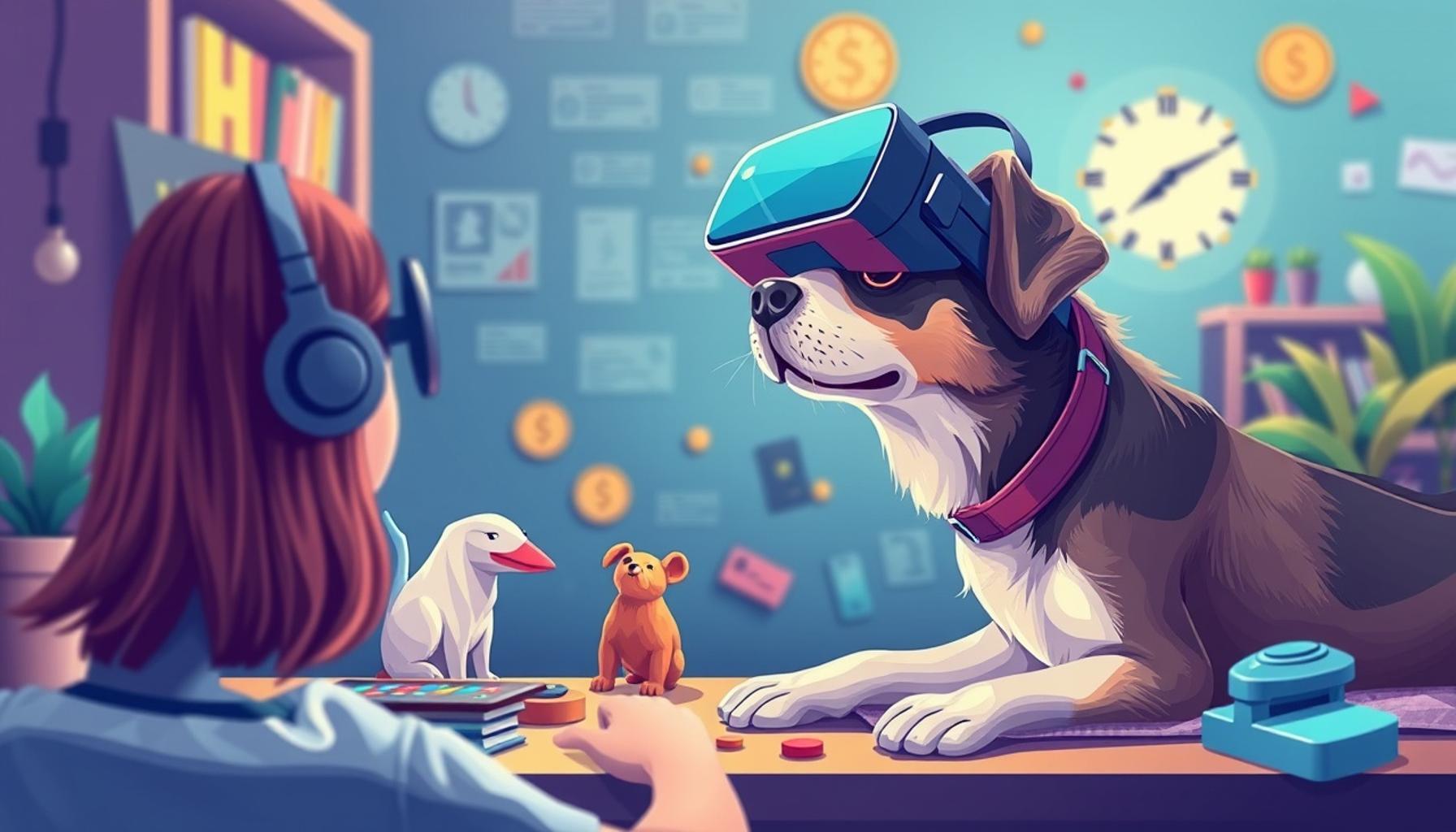
Innovative Solutions for Pet Training
Imagine a world where training your dog or cat is as engaging as a video game. Virtual Reality (VR) technology is stepping into this scene, transforming traditional pet training methods. With VR, pet owners can create immersive environments that make learning exciting and effective for their furry companions. This pioneering approach not only modernizes pet training but also caters to the unique needs of each individual animal, potentially leading to better behavioral outcomes.
How VR Enhances Pet Training
- Realistic Simulations: VR allows pets to experience various scenarios that mimic real-life environments. For example, a dog can practice responding to commands in a virtual park filled with distractions, such as other dogs or squirrels. Similarly, cats can engage in simulated interactions with objects that they may encounter at home or in the outdoors, teaching them to react appropriately and training them to avoid certain behaviors.
- Interactive Learning: Engaging elements in VR can enhance a pet’s focus and retention, making training sessions feel like playtime. With visually stimulating tasks and sounds, pets are more likely to pay attention and respond positively to commands. This interactive aspect mirrors how many video games have successfully captured human attention, tapping into the natural curiosity of animals.
- Convenience: Pet owners can train their animals from the comfort of home, eliminating the need for travel to training classes or group sessions. This makes it easier to incorporate training into daily routines. Pet owners can set aside a few minutes each day for a VR training session, gradually building their pet’s skills without the added stress of external distractions.
Addressing Behavioral Challenges
This groundbreaking approach not only helps in obedience training but also in addressing behavioral issues, including anxiety and aggression. Dogs that may experience stress or fear in new environments can become more comfortable through gradual exposure in a virtual setting. As they learn to navigate these simulated experiences, pets can develop coping mechanisms that carry over to the real world.
Key Advantages of VR for Pet Training
As more pet owners recognize the potential benefits, here are a few key advantages that highlight why VR for pet training is a valuable resource:
- Reduced Stress: VR can help create a safe learning environment where pets feel secure. This is particularly beneficial for shy or anxious pets who may struggle in traditional training settings.
- Tailored Experiences: The ability to adjust the settings for various training scenarios means that every pet can receive customized experiences based on their individual needs and learning pace.
- Enhanced Bonding: Interactive training sessions can strengthen the relationship between pets and their owners. As they work together in a shared VR experience, pets and their humans can cultivate trust and understanding, leading to deeper bonds.
As researchers and developers continue to explore this fascinating frontier, pet owners are encouraged to embrace new innovations and techniques that can reshape the future of pet training. The integration of Virtual Reality into pet training programs opens the door to unparalleled learning experiences, promising a transformative approach that could redefine how pets are taught in households across the United States and beyond. Stay tuned to discover how VR is revolutionizing the way we mold behaviors in our beloved pets.
New Frontiers in Pet Training
As the concept of pet training continues to evolve, the integration of Virtual Reality (VR) presents an exciting opportunity to break traditional barriers. Harnessing the power of technology, VR reshapes how pet owners can enhance behavioral training, making sessions more effective and enjoyable for pets and their humans alike.
The Science Behind VR in Animal Training
The application of Virtual Reality technology in pet training is backed by cognitive science, which highlights the advantages of immersive learning environments. These digital simulations allow pets to experience real-world scenarios in a controlled setting, making it easier for them to learn desired behaviors without the fear of negative consequences. For instance, a dog exposed to various virtual distractions can practice commands effectively, leading to improved responsiveness, even in chaotic environments.
Transformative Innovations in Training Techniques
Different training techniques can be enhanced through VR, providing a broad spectrum of innovative approaches for pet owners. Here are some notable techniques:
- Desensitization Training: Virtual reality can help desensitize pets to fear-inducing stimuli. For example, a cat fearful of thunderstorms can navigate a virtual storm, gradually acclimatizing to the sounds and sights in a stress-free manner.
- Socialization Enhancements: Pets that require socialization with other animals can connect with virtual companions, learning how to interact safely and appropriately. This can be particularly helpful for rescue animals that may have had negative experiences in the past.
- Skill Progression: Owners can track their pets’ progress through various training levels in VR, advancing at their own pace. This feature helps reinforce their learning, ensuring they master interactions and commands before moving on to new challenges.
Real-World Applications and Success Stories
Across the United States, numerous pet training centers and behaviorists are beginning to adopt VR solutions. These innovative methods are not just theoretical; they are yielding real-world results. For instance, a California-based dog training facility engaged in a pilot program using VR for socialization exercises reported a significant increase in the number of animals successfully completing their training regimen. Through consistent exposure to virtual stimuli, these dogs exhibited reduced anxiety when meeting real-life counterparts.
Additionally, veterinarians have noted improvements in behavioral issues among pets that underwent VR training. The combination of gradual exposure and engaging challenges allows pets to conquer fears and anxieties that would typically hinder their learning processes. As these innovations gain traction, the future of pet training through Virtual Reality appears not only promising but revolutionary.
As we delve deeper into how VR can enhance pet training techniques, stay tuned for continued exploration of this cutting-edge technology that is reshaping the way we approach pet behavior and training methodologies.
| Advantages | Description |
|---|---|
| Enhanced Engagement | Virtual reality (VR) captivates pets’ attention through immersive environments, making training sessions more enjoyable. |
| Tailored Training Experiences | VR technology allows customization of training scenarios to meet individual pet needs, effectively addressing behavioral issues. |
| Reduced Stress | Training in a controlled VR setting minimizes anxiety for pets, particularly useful for those fearful of new environments. |
| Real-time Feedback | Instant feedback through virtual scenarios helps trainers adjust techniques, enhancing learning outcomes swiftly and effectively. |
The integration of virtual reality into pet training opens a new era of possibilities, enabling a more interactive approach to teaching. This innovative method utilizes gamified elements that can hold your pet’s interest, fostering an environment where learning is an adventure rather than a chore. Furthermore, the ability to create multiple scenarios tailored to different behaviors allows trainers to focus on specific issues, making each session maximally effective. With pets experiencing less stress in familiar settings, the overall training process is transformed into a more productive experience for both trainer and pet. As advancements continue in the realm of virtual reality, the potential for groundbreaking training techniques will undoubtedly expand, making pet training accessible and efficient like never before. Exploring this fascinating intersection of technology and animal behavior is essential for anyone looking to refine their training methods.
Enhancing Human-Canine Bonding through VR
One of the most profound impacts of Virtual Reality in pet training is its potential to strengthen the bond between pets and their owners. As training methods evolve, pet owners can participate in immersive sessions alongside their pets, deepening their understanding of animal behavior and enhancing their interactive skills.
Interactive Training Sessions
VR technology brings a unique interactive experience to pet training. By donning a VR headset, pet owners can engage in simultaneous training exercises with their pets. For example, a user might encounter a virtual park filled with distractions while training their dog to focus on positive reinforcement. This approach not only enriches the training experience but also reinforces the bond as both owner and pet navigate challenges together.
The interactive nature of VR training sessions encourages communication. Owners can learn to read their pets’ body language in real-time, understanding cues that indicate hesitation or excitement. This improved communication fosters mutual respect and trust, essential components of any successful training program.
Gamified Learning Experiences
Innovations in VR have introduced gamification into pet training, transforming routine commands into fun challenges. With engaging narratives and rewards, pets are more likely to remain motivated throughout their training journey. For instance, a virtual game might involve navigating through agility obstacles or competing against AI counterparts, keeping training sessions dynamic and enjoyable.
Such gamified experiences do not just benefit pets; they provide measurable outcomes for owners as well. Progress tracking systems can analyze behavioral changes, providing insights into areas that require further attention or adjustment. Pet owners can utilize this data to tailor their training strategies to better suit their animals’ unique responses and needs.
Accessibility of Training Resources
As Virtual Reality technology becomes more accessible, its practical applications in pet training are on the rise. Companies are developing affordable VR solutions, paving the way for widespread adoption among pet owners in various socio-economic backgrounds. For example, a recent launch by a tech startup allows pet owners to simulate training scenarios through a mobile application, requiring only inexpensive VR goggles or even standard smartphones for an immersive experience.
This democratization of technology means that even pet owners in less urbanized areas can benefit from advanced training methods that were once limited to professionals or specialized facilities. Pet trainers can now offer VR training as part of their toolkit, bringing cutting-edge practices directly into the homes of pet owners across the nation.
Regulatory and Safety Considerations
As with any emerging technology, it is essential to recognize the regulatory and safety implications associated with using VR in pet training. Organizations like the American Veterinary Medical Association (AVMA) and animal welfare groups are working to establish guidelines. These frameworks will ensure that the implementation of VR training is done ethically and safely, prioritizing the well-being of all animals involved.
As pet owners embrace the future of training their pets, it is crucial to remain informed about best practices and credible sources. Engaging in consultations with trained professionals, along with remaining aware of individual animal needs, will ensure that the journey into VR training is a beneficial experience for both pets and their humans.
Conclusion
In summary, the integration of Virtual Reality into pet training is not just a passing trend; it is a revolutionary approach that has the potential to redefine the human-pet relationship and optimize training efficacy. By embracing immersive experiences, pet owners can engage with their animals in ways that deepen their understanding and enhance communication. The shift toward interactive training sessions allows for real-time feedback and an enriching bond, facilitating a shared journey in overcoming training challenges.
The introduction of gamified learning experiences transforms the mundane into the exhilarating, making training both enjoyable and productive. As pets navigate through virtual challenges coupled with their owners, they receive motivation through rewarding systems designed to track progress and adapt strategies effectively. This adaptability is surging towards a promising future where training is more accessible than ever, especially in regions where professional services may be limited.
As the technology continues to democratize and regulatory guidelines develop, pet owners must remain proactive in understanding the best practices associated with VR training. This ensures both ethical considerations and the safety of their beloved companions are prioritized. Consequently, the future of pet training through Virtual Reality not only holds promise for enhanced techniques but also paves the way for an innovative paradigm shift in how we approach animal behavior, offering a new lens through which we can cultivate trust and companionship with our pets.