Art and Sustainability: Creative Projects that Promote Environmental Awareness
The Role of Art in Advancing Environmental Awareness
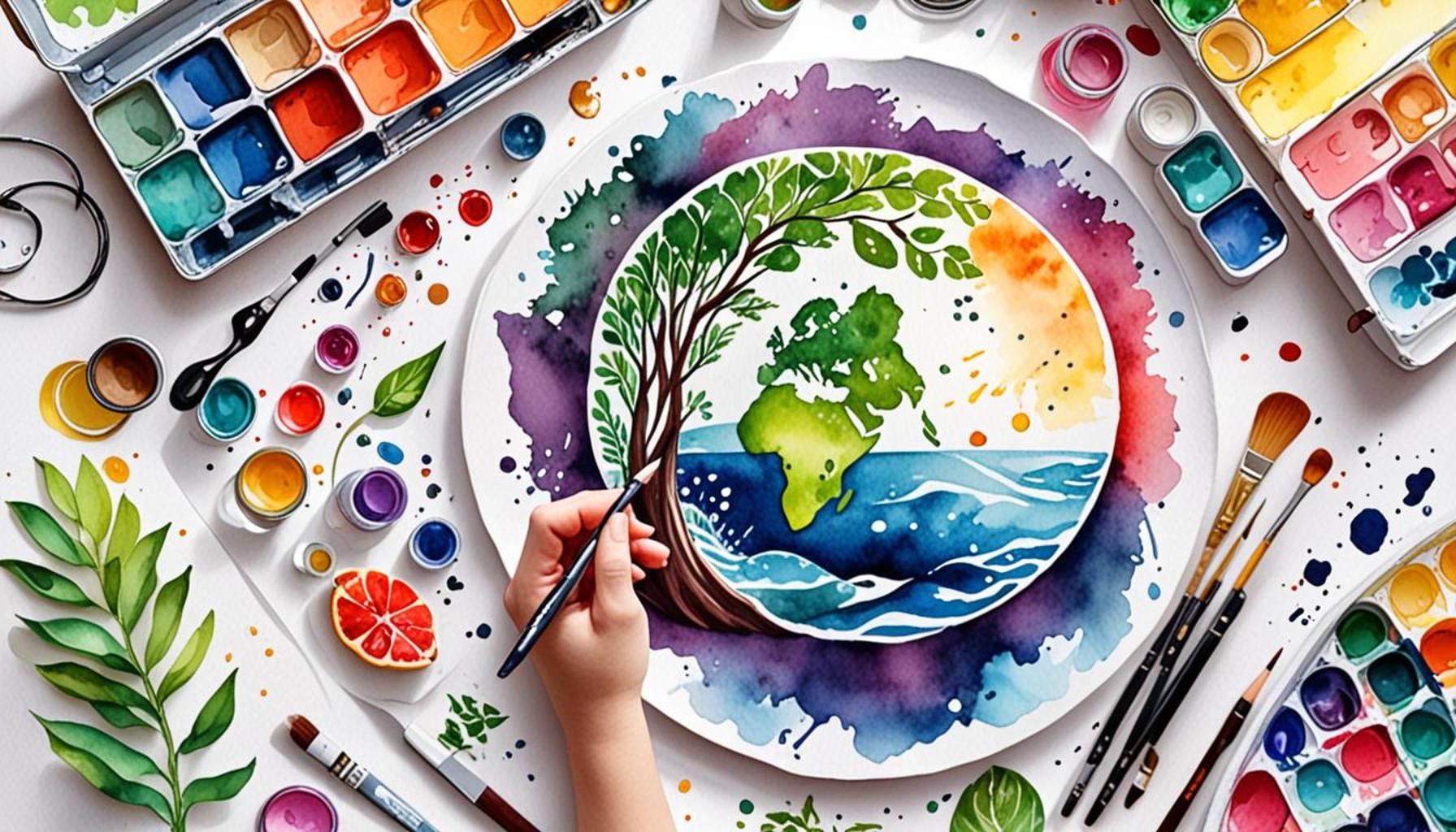
Art and sustainability are increasingly intertwined as we seek to address pressing environmental issues. Artists from diverse backgrounds are harnessing their creative abilities to inspire change and provoke critical conversations about the future of our planet. Ranging from striking installations to community-based initiatives, these artistic ventures not only enhance public spaces but also engage and educate communities about ecological concerns.
Here are some fascinating examples of how art is promoting sustainability:
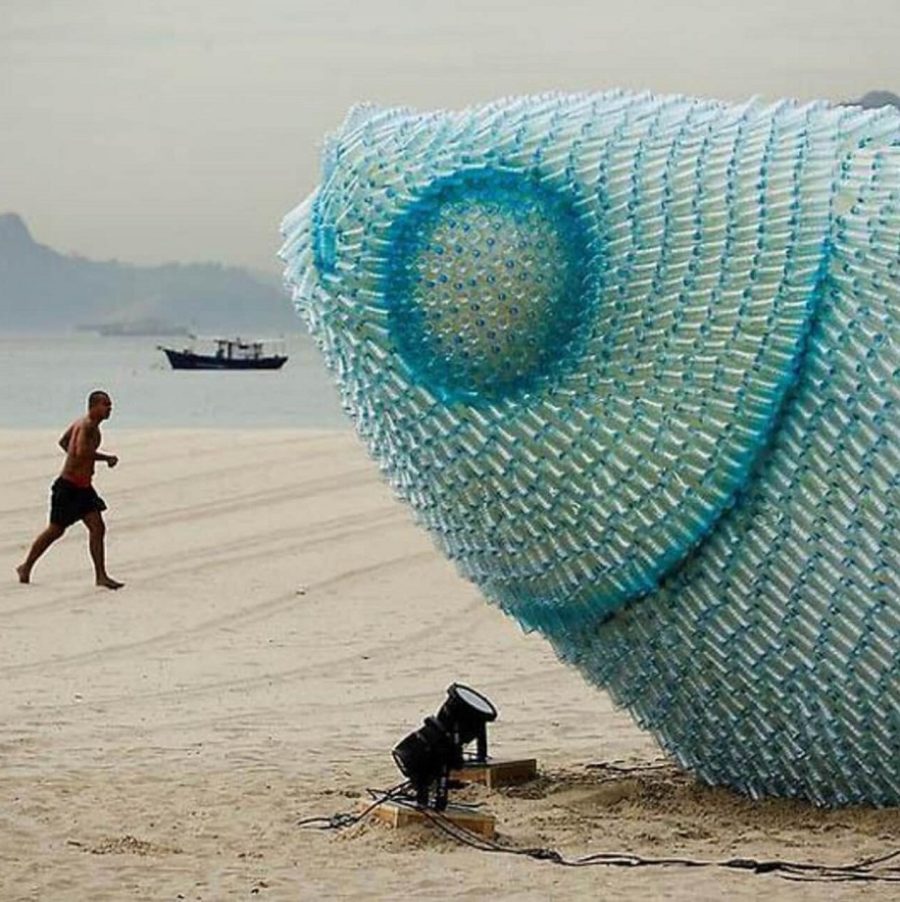
- Eco-Art Installations: Innovative artists are transforming recycled materials into captivating works that challenge traditional notions of waste. One noteworthy project is the “Trash Fish” installation by artist Karyn Lisle, which uses plastic debris collected from local beaches to create vibrant sculptures of marine life. Such pieces serve as visual metaphors for the broader issue of ocean pollution and prompt viewers to reflect on their consumption habits.
- Public Murals: Many communities are collaborating to create murals that address local environmental issues. In Philadelphia, the Mural Arts Program has produced several murals centering around climate change and urban greening. These murals not only beautify the neighborhood but also act as focal points for raising awareness and developing a community identity around sustainability efforts.
- Interactive Exhibitions: Museums across the United States are increasingly hosting exhibitions that immerse visitors in environmental themes. The Smithsonian National Museum of Natural History, for instance, often features interactive displays that allow guests to explore topics like biodiversity and climate action. These exhibits serve as educational platforms that bring complex environmental issues to life, enabling visitors to engage actively with the content.
Numerous organizations in the United States are at the forefront of this artistic movement. Groups like Creative Time facilitate collaborations between artists and environmentalists to address crucial ecological challenges. Through workshops, art fairs, and public art projects, they promote sustainable practices while fostering a sense of activism through art. Every brushstroke or sculpture can serve as a powerful call to action, urging communities to protect their natural resources.
As we continue to explore the intersection of creativity and conservation, we will discover even more inspiring projects and initiatives that highlight how art not only reflects societal values but actively shapes our approach to environmental sustainability. Join us on this journey to uncover the significant impact that creative expression has on raising environmental consciousness.
DISCOVER MORE: Click here to learn how cooking can enhance your mental well-being
Innovative Art Practices that Inspire Change
As the effects of climate change become increasingly evident, innovative art practices are emerging as instrumental in raising environmental awareness and promoting sustainable behaviors. By utilizing art as a medium, creators are not only drawing attention to ecological issues but also inspiring individuals and communities to take meaningful actions. These creative endeavors encompass various forms of artistic expression, each uniquely positioned to engage the public’s imagination.
One striking example is the world of Land Art, where artists use natural landscapes as their canvas. Artists like Robert Smithson with his iconic “Spiral Jetty” have historically reshaped environmental perceptions, prompting viewers to consider their relationship with the land. Contemporary practitioners are following suit, using natural materials to create temporary installations that highlight the fragile state of nature, often leaving no trace and emphasizing the essence of conservation.
In urban environments, the movement towards eco-friendly street art is proliferating. Artists are increasingly opting for environmentally safe paints and low-impact techniques. Projects like “The Wall That Heals,” a national tour of an exhibit honoring veterans, employ artists who focus on sustainable materials while merging patriotism with intrinsic values of preservation. Local artists are also emerging as advocates for urban biodiversity, transforming gray city walls into vibrant murals featuring native flora and fauna. These projects invite residents to reconsider the role of nature amidst urban sprawl.
- Art Installations that Foster Dialogue: Interactive installations have emerged as a medium that not only engages but challenges viewers to participate. For instance, creative initiatives like “The Ocean Cleanup” invite public involvement through artful innovations. By showcasing equipment designed to clean up litter from the ocean, these installations serve as both an artistic endeavor and a catalyst for discussion about pollution, waste management, and the need for community action.
- Photography and Storytelling: Photographers, such as Sebastião Salgado, utilize their skills to document environmental degradation and conservation success stories. Through vivid imagery, these artists are able to communicate potent messages about the plight of endangered species and habitats. Exhibitions of their work often include panels with actionable steps viewers can take to contribute to solutions, combining aesthetic experience with educational opportunities.
- Community Collaborations: Artists often partner with local organizations to create art workshops that promote sustainability through hands-on experiences. With programs like “Art for the Sky,” communities collaborate on large-scale collaborative art pieces using natural elements, which can be viewed from above. These events raise awareness about environmental issues while fostering community spirit.
These creative endeavors illustrate the profound potential of art to serve as a vehicle for environmental advocacy. As art continues to intersect with sustainability, we witness a growing movement that empowers individuals to view and address ecological challenges through a new lens. Each project encapsulates a call to action, showcasing the pivotal role that creativity plays in advancing our understanding of the complex dynamics between humanity and the environment. The journey of integrating art and sustainability is just beginning, promising a future filled with inventive strategies aimed at protecting our planet.
| Advantage | Description |
|---|---|
| Community Engagement | Art projects can stimulate community involvement and spark conversations about sustainability. |
| Educational Opportunities | Creative initiatives serve as educational tools that inform the public on ecological issues. |
The intersection of art and sustainability has emerged as a powerful medium to elevate environmental awareness. Creative projects that weave in environmental themes not only beautify communities but actively engage them in dialogues around conservation and ecological stewardship. For instance, mural paintings depicting local flora and fauna can inspire residents to cherish and protect their local ecosystems. Such artworks often serve as a rallying point for community gatherings, workshops, and clean-up events, fostering a sense of collaboration.Furthermore, these artistic ventures often include educational components that delve into pressing environmental topics. Workshops or exhibitions can provide insights into sustainable practices, encouraging attendees to adopt eco-friendly lifestyles. By drawing connections between art and environmental issues, these projects enhance public understanding and promote a culture of sustainability, inviting people to support greener initiatives.
DON’T MISS OUT: Click here to dive deeper
Art as a Catalyst for Community Engagement
The intersection of art and sustainability is not only a platform for showcasing environmental issues but also a powerful means of engaging communities in meaningful conversations. By leveraging the allure of artistic expression, organizations and artists alike are creating immersive experiences that draw in diverse audiences. These initiatives foster a shared sense of responsibility and inspire collective action towards environmental stewardship.
One compelling example is the annual Earth Day Art Challenge, where local communities across the United States are encouraged to create art from recycled materials. This event not only promotes creativity but also raises awareness about waste reduction and recycling practices. Schools, community centers, and environmental organizations collaborate to host workshops, showcasing how art can be a practical tool in advocacy. Participants often find joy and empowerment in transforming discarded items into beautiful pieces, leading to increased awareness about the long-lasting impact of consumption habits.
The practice of Upcycling Art is another innovative approach gaining momentum in the art world. Artists are reimagining discarded materials, turning them into striking sculptures, installations, and functional art. For instance, renowned artist Thomas Dambo creates giant trolls using reclaimed wood, placing them in public parks and green spaces. These whimsical installations not only capture the imagination of viewers but also serve to educate the public about forest conservation and the importance of reusing materials. Dambo’s projects often involve local volunteers, allowing communities to take an active role in the creation process and deepen their connection to the environment.
Art Festivals that Celebrate Sustainability
Various art festivals throughout the United States emphasize sustainability, merging creative expression with ecological consciousness. An excellent example is the Burning Man Festival, held annually in the Nevada desert. Artists from around the globe create large-scale installations, many of which focus on sustainability themes, such as renewable energy and the importance of communal living. Burning Man encourages participants to leave no trace, instilling a sense of environmental responsibility while celebrating artistic ingenuity.
Moreover, festivals like the Fifth Annual Eco Arts Fest in Los Angeles provide a platform for artists whose works are centered around environmental themes. The festival showcases various mediums—from visual art to performances—all aimed at promoting awareness about climate change and the interconnectedness of human actions and the natural world. Workshops and panel discussions held during the event foster collaboration among artists, activists, and environmentalists, amplifying the discourse around sustainability.
Emotional Impact Through Participatory Art
Participatory art projects also play a crucial role in enhancing emotional engagement with environmental issues. Initiatives like “The People’s Climate March” incorporate visual storytelling, where communities contribute artwork that expresses their hopes and concerns regarding climate change. This collective art-making process not only cultivates strong community bonds but also transforms abstract ideas about sustainability into tangible expressions of hope and determination.
Artists such as Olafur Eliasson use immersive installations to evoke emotional responses from viewers. His piece “The Ice Watch,” featuring large blocks of ice displayed in urban settings, poignantly represents the urgency of climate action. With the melting ice as a visual metaphor for environmental degradation, Eliasson’s work urges onlookers to confront the realities of climate change and inspires them to become proactive in seeking change.
These innovative art practices are vital in paving the way for a more sustainable future. As artists continue to explore the themes of environmental awareness and community engagement, their work serves as both a reflection of societal challenges and a powerful call to action, inspiring future generations to embed sustainability into the fabric of cultural creation.
DIVE DEEPER: Click here to discover more about interactive narratives
Conclusion
As explored throughout this article, the fusion of art and sustainability serves as a powerful conduit for environmental awareness and community engagement. By employing creativity, artists are not only addressing pressing ecological issues but also galvanizing communities to take part in the movement towards sustainability. From initiatives like the Earth Day Art Challenge to immersive installations by artists like Olafur Eliasson, we see how artistic expression can transform perceptions, encourage dialogue, and inspire action.
Moreover, festivals focused on sustainability, such as the Burning Man Festival and the Eco Arts Fest, highlight the role of collaborative art projects in cultivating a shared ethos around environmental stewardship. These gatherings foster relationships between artists, activists, and the public, demonstrating that creativity is not just an aesthetic pursuit but a vital force in fostering a deeper connection with and respect for our planet.
By participating in and supporting such creative projects, individuals can contribute to a broader movement towards sustainability, making a tangible difference in their communities. As the artistic landscape continues to evolve, it is imperative that future generations of creators intertwine environmental consciousness within their work, paving the way for a culture that values both beauty and sustainability. Ultimately, as we embrace art as a key player in the sustainability movement, we are invited to reimagine a greener future, one brushstroke at a time.