Developing Musical Skills as a Form of Creative Therapy: Emotional and Cognitive Benefits
Unleashing Creativity Through Music
Music possesses a unique power to influence our emotions and cognitive functions. Its rhythmic pulse not only entertains but can also serve as a profound therapeutic tool, enabling individuals to transform personal struggles into creative expression. Increasingly, people are seeking out music not solely for enjoyment, but as a pathway to emotional and mental healing. From stress relief to personal empowerment, the role of music in psychological wellness is a topic of increasing interest within medical and psychological research.
The Intersection of Music and Therapy
Creative therapy through music encompasses a range of innovative techniques, each designed to harness the healing properties of sound. These techniques include:
- Instrument Playing: Engaging with instruments, whether it be a piano, guitar, or even percussion, can significantly improve motor skills and hand-eye coordination. For example, studies have shown that playing instruments can enhance fine motor skills in children while also serving as a form of physical exercise for adults.
- Singing: Vocal expression is well known for its role in emotional release. Singing can activate endorphins, the brain chemical associated with happiness, leading to lower stress levels and improved mood. Community choirs across the U.S. have reported fostering a sense of belonging, which can be particularly beneficial for those experiencing anxiety or depression.
- Songwriting: Crafting lyrics encourages introspection and helps individuals articulate their thoughts and feelings. Songwriting workshops have popped up nationwide, encouraging participants to weave personal narratives into their music, which can open avenues for healing and self-discovery.
Research supports the notion that engaging in music can yield substantial benefits, including:
- Enhanced emotional regulation: Participating in music-related activities helps individuals process their feelings more effectively, fostering resilience during challenging times. This emotional regulation can be pivotal in therapeutic settings.
- Improved cognitive abilities: Learning to read music and play instruments fosters critical thinking and problem-solving skills. Programs like “El Sistema,” which originated in Venezuela and has inspired similar initiatives in U.S. schools, demonstrate how music education can enhance academic performance across various subjects.
- Social connections: Collaborative music-making creates an intrinsic sense of community, which can alleviate feelings of isolation. Group classes or music therapy sessions often build lasting friendships and support systems, particularly among marginalized populations.
As a growing number of individuals discover the positive impacts of musical therapy, it becomes increasingly crucial to examine the intricate relationship between musical skills development and our mental well-being. By exploring this connection, researchers and practitioners alike may uncover valuable insights into holistic approaches for psychological health, potentially making music a cornerstone in contemporary therapeutic practices.
DISCOVER MORE: Click here to dive deeper

The Transformational Effects of Musical Skills Development
The pursuit of musical skills development offers not only an avenue for creative expression but also serves as a robust mechanism for emotional and cognitive growth. As individuals immerse themselves in the world of music, they begin to uncover a treasure trove of benefits that transcend mere entertainment. Engaging actively with music, whether by learning to play an instrument, joining a choir, or participating in songwriting, fosters a deeper emotional connection and enhances mental acuity. This symbiotic relationship between music and therapy is paving the way for more holistic approaches to mental health treatment.
Emotional Benefits of Musical Involvement
The emotional landscape of many individuals can significantly transform through the development of musical skills. Active participation in music can lead to the following effects:
- Stress Relief: Engaging with music provides a powerful escape from day-to-day stressors. Studies have demonstrated that playing music can lower cortisol levels, thereby reducing feelings of anxiety and fostering a calmer mental state.
- Emotional Expression: Music is often referred to as a universal language. Many individuals discover that expressing feelings through music allows for a more profound release compared to traditional verbal communication. This is particularly beneficial for those who may struggle to articulate their emotions.
- Increased Self-Esteem: The achievements associated with mastering a musical skill, whether it is hitting the right notes or creating a complete song, can significantly bolster an individual’s self-confidence. This newfound assurance can positively impact other areas of life, including social interactions and professional endeavors.
Cognitive Advantages Through Musical Engagement
In addition to emotional wellness, developing musical skills can lead to numerous cognitive advantages. Engaging with music education has shown to:
- Enhance Memory: Learning to play an instrument requires memorization of notes, rhythms, and techniques, stimulating brain areas responsible for memory function. Research indicates that musicians often excel in memory-related tasks compared to non-musicians.
- Boost Problem-Solving Skills: The discipline involved in learning music sharpens critical thinking and enhances problem-solving capabilities. This is directly applicable in academic settings, where students trained in music often demonstrate improved performance in subjects such as mathematics and science.
- Improve Listening Skills: Music requires careful listening and sensitivity to sounds that may otherwise go unnoticed. This focus fosters enhanced auditory skills that can carry over into everyday interactions and learning environments.
As we explore the multifaceted benefits of developing musical skills, it becomes clear that music is not merely a pastime but a powerful instrument of transformation. As social and emotional wellness gains prominence in discussions surrounding mental health, understanding the role of musical engagement as a therapeutic tool may hold the key to unlocking enhanced individual well-being. The potential for music to serve as both a refuge and a source of personal growth reinforces its significance in contemporary society, encouraging individuals to reclaim their creativity while nourishing their cognitive and emotional health.
Exploring the Emotional Aspects of Musical Therapy
Emotional well-being is a primary focus of creative therapy. Engaging with music can evoke various feelings, providing a safe space for expression. When individuals participate in music therapy, they often experience reduced anxiety and enhanced mood. This therapeutic approach not only helps individuals articulate their emotions but also fosters a sense of community and connection, which is especially crucial for those who may feel isolated.Music can act as a powerful medium for communication, allowing individuals to convey emotions that words often fail to express. By learning musical skills, participants develop a greater sense of self-awareness and understanding of their feelings. Moreover, the act of creating music can encourage self-discovery and personal growth, helping individuals cope with difficult emotions while promoting resilience.
Cognitive Benefits of Music Development
The cognitive benefits of developing musical skills extend beyond the immediacy of therapeutic sessions. Research indicates that engaging with music can enhance memory, attention, and problem-solving skills. Learning to play an instrument, for example, engages multiple brain regions, stimulating neural connections and promoting brain plasticity. Incorporating music into therapy can lead to improved executive functions, which are essential for reasoning and cognitive flexibility. This can be particularly beneficial for individuals with cognitive impairments or developmental disorders. Furthermore, as participants develop musical skills, they often experience increased focus and concentration, which can transfer to other areas of their life, enhancing overall cognitive performance and academic success. These combined emotional and cognitive benefits position music as a vital tool in creative therapy, opening doors to personal growth and emotional healing. The journey of developing musical skills not only enriches lives but also paves the way for deeper understanding and connection, both with oneself and others.
| Emotional Benefits | Cognitive Benefits |
|---|---|
| Enhanced Mood | Improved Memory |
| Fosters Expression | Increased Focus |
With an understanding of these profound benefits, it becomes evident how developing musical skills serves as a unique form of creative therapy, transforming lives through emotional and cognitive engagement. As more research supports these findings, the integration of music into therapy practices will likely continue to expand, allowing more individuals to harness its incredible potential.
DIVE DEEPER: Click here to discover more
Cultivating Social Connections Through Musical Engagement
Beyond the individual emotional and cognitive benefits, developing musical skills serves as a unique catalyst for fostering social connections. In a society where mental health challenges often lead to social isolation, music offers a powerful solution for building community and bridging gaps between people. Collaborative music-making experiences can create a sense of belonging that is vital for emotional well-being.
Group Activities and Social Bonding
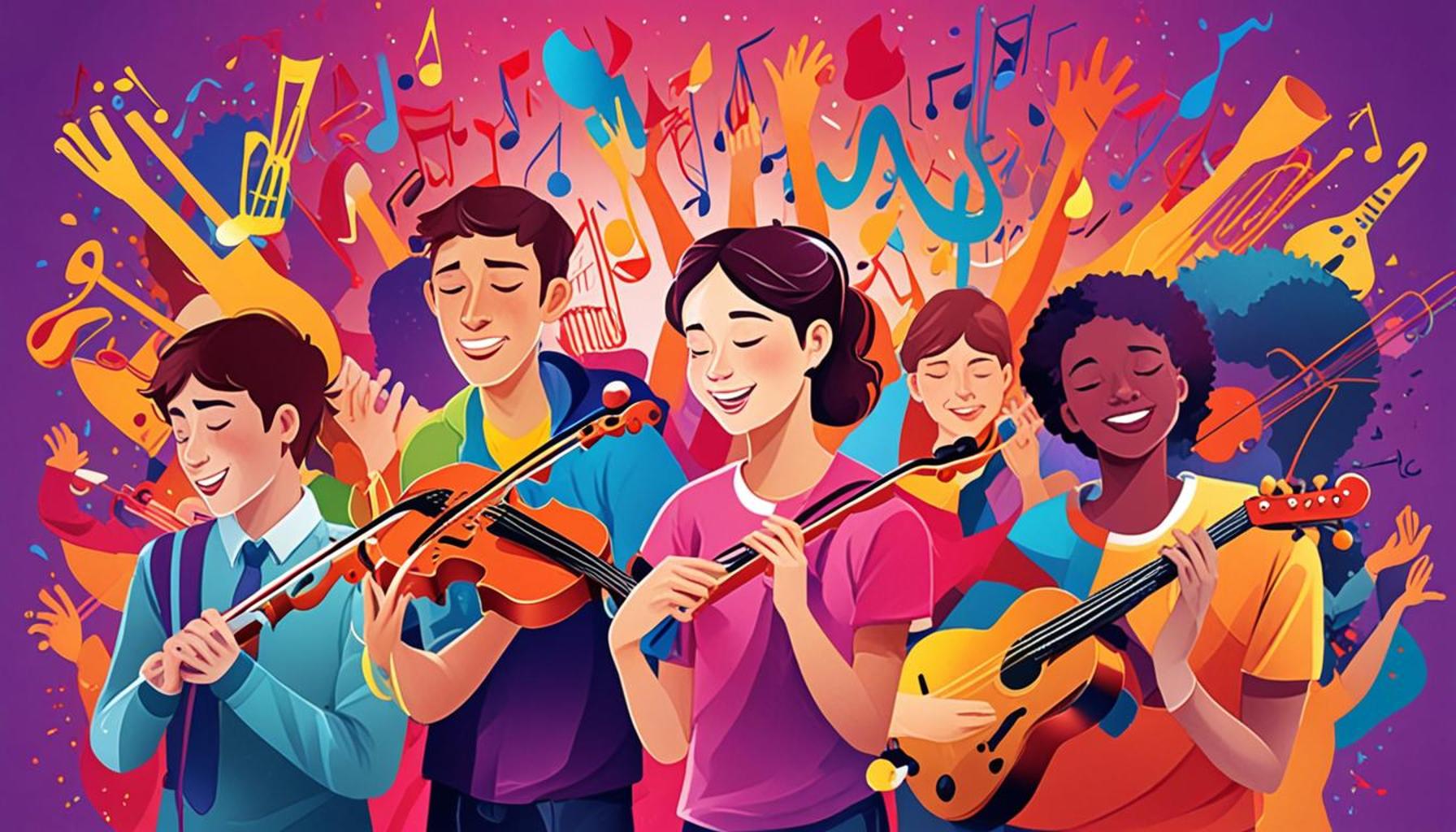
Participating in group music activities, such as bands, choirs, or music circles, can have profound effects on an individual’s social skills. Engaging with others in a musical setting cultivates:
- Improved Communication: Music transcends verbal barriers. When individuals come together to create music, they learn non-verbal cues, which enhance their ability to communicate effectively. This skill is beneficial not only in musical contexts but also in everyday interactions.
- Strengthened Relationships: Sharing musical experiences can deepen interpersonal relationships. Whether it is collaborating on a song, performing together, or simply enjoying music as a group, these experiences deepen connections and foster trust among participants.
- Inclusive Environments: Music is inherently inclusive. Those from diverse backgrounds can engage and relate through the shared experience of creating or appreciating music. This can break down social barriers and create a strong sense of community.
Furthermore, community music programs are increasingly popular across the United States. Initiatives such as local music camps, ensemble performances, and community choirs attract various participants, from seasoned musicians to beginners, fostering a rich tapestry of communal involvement. Such programs showcase the power of music as a tool for integration, especially in urban areas where diverse populations converge.
The Role of Technology in Musical Skill Development
In recent years, technology has transformed the landscape of music education. Online platforms and apps for music learning have made it easier than ever for individuals to develop musical skills at their own pace. Innovative tools like digital audio workstations (DAWs) allow budding musicians to compose, record, and share their creations with a global audience. This easy access encourages creativity, leading to:
- Increased Accessibility: Aspiring musicians can access resources that may have been previously unavailable due to financial or geographic constraints. Free tutorials and online classes provide opportunities for skill development, making music education more democratic.
- Instant Feedback: Various applications enable real-time feedback on performance. This instantaneous reinforcement can enhance learning and motivate individuals to continue refining their skills.
- Collaboration Across Distances: Technology facilitates collaborations beyond geographic constraints. Musicians can work together from different parts of the country or world, fostering creative exchanges that might not occur otherwise.
The interplay between social connection, technology, and musical development amplifies the emotional and cognitive advantages that music provides. As we continue to unearth these components, the case for integrating musical skills development into therapeutic practices grows stronger, promising a future where creativity and community play indispensable roles in mental health recovery and enhancement. The importance of music, not just as a form of entertainment but as a profound instrument of healing and connection, cannot be underestimated. Through music, individuals not only cultivate their unique voices but also weave richer narratives through shared experiences and emotional expression.
DIVE DEEPER: Click here to learn more
Conclusion
In conclusion, the journey of developing musical skills as a form of creative therapy stands as a testament to the multifaceted benefits that music offers. The emotional pathways it opens not only enhance individual well-being but also enrich cognitive functions, aiding in memory, attention, and problem-solving capabilities. As we have explored, music becomes a powerful tool in nurturing resilience, self-expression, and emotional regulation.
Furthermore, the role of music in cultivating social connections highlights its potential as a bonding agent in therapeutic settings. Community music initiatives encourage collaboration, bridging cultural divides, and fostering inclusivity among diverse populations. This phenomenon transforms music from a solitary pursuit into a communal act, thereby combating social isolation that is prevalent in today’s society.
The evolution of technology has also democratized access to musical education, making it possible for anyone, regardless of background or resources, to engage in the learning process. With the rise of online platforms and superior learning applications, aspiring musicians can cultivate their skills flexibly and receive instantaneous feedback, enhancing both the learning experience and personal growth.
As we delve deeper into the exploration of music as therapy, it is crucial to recognize the intrinsic value it holds not merely as entertainment but as a profound medium for healing and connection. The enriching experience of music offers a pathway to weave stronger narratives, foster mutual understanding, and promote emotional wellness in an increasingly disconnected world. Consequently, integrating musical skill development into therapeutic practices promises a brighter future, where creativity and community play pivotal roles in mental health enhancement.