Exploring the Influence of Music on Creativity: How Musical Talents Can Inspire Other Creative Hobbies
Understanding the Creative Connection
Music holds a unique position at the crossroads of creativity. It has an unparalleled ability to stimulate the mind and nurture artistic expression across various disciplines. This deep connection between music and creativity is evident in the lives of many individuals, who find that their musical talents not only enhance their own art but also serve as a springboard for exploring other creative pursuits.
The Wide-Reaching Impact of Music
Numerous studies highlight how music influences creativity in diverse ways:
- Emotional Resonance: Music evokes powerful feelings that can inspire various forms of artistic expression. For instance, the haunting melodies of Beethoven might inspire a painter to capture emotions through swirling colors on canvas, while a joyous pop anthem could motivate someone to write a lighthearted short story.
- Rhythm and Flow: The rhythmic nature of music aids in developing skills across disciplines such as dance, poetry, and even writing. Many poets find that the structure of a song helps them establish a rhythm in their writing, making the words flow more smoothly. Consider how spoken word artists often utilize musical elements to enhance their performances, creating a truly immersive experience.
- Collaboration Opportunities: Musicians frequently collaborate with visual artists, writers, and performers, leading to enhanced collective creativity. Famous examples include the collaboration between musicians and graphic designers in creating album covers or the intersection of music and film with soundtracks that add emotional depth to cinematic storytelling.
Moreover, research indicates that engaging with music can lead to increased levels of cognitive flexibility and problem-solving skills. These abilities benefit not only musical endeavors but also extend to other creative realms, enabling individuals to approach challenges with a fresh perspective.
Exploring New Avenues
As individuals delve into their musical inclinations, they frequently unearth new interests and talents. This exploration might manifest as visual arts inspired by melodies, where an artist creates a painting based solely on the feelings evoked by a particular song. Similarly, writers often channel the emotions captured in music to create compelling narratives, infusing their pieces with the same energy and rhythm found in their favorite tunes.
The potential for cross-pollination between music and other hobbies is vast. For example, many creators in the United States utilize platforms such as Instagram to share their artistic interpretations of music, broadening their audiences while simultaneously enhancing their skill sets. This interplay between different artistic modalities fosters a vibrant cultural landscape, inviting more individuals to engage with both their musical and artistic passions.
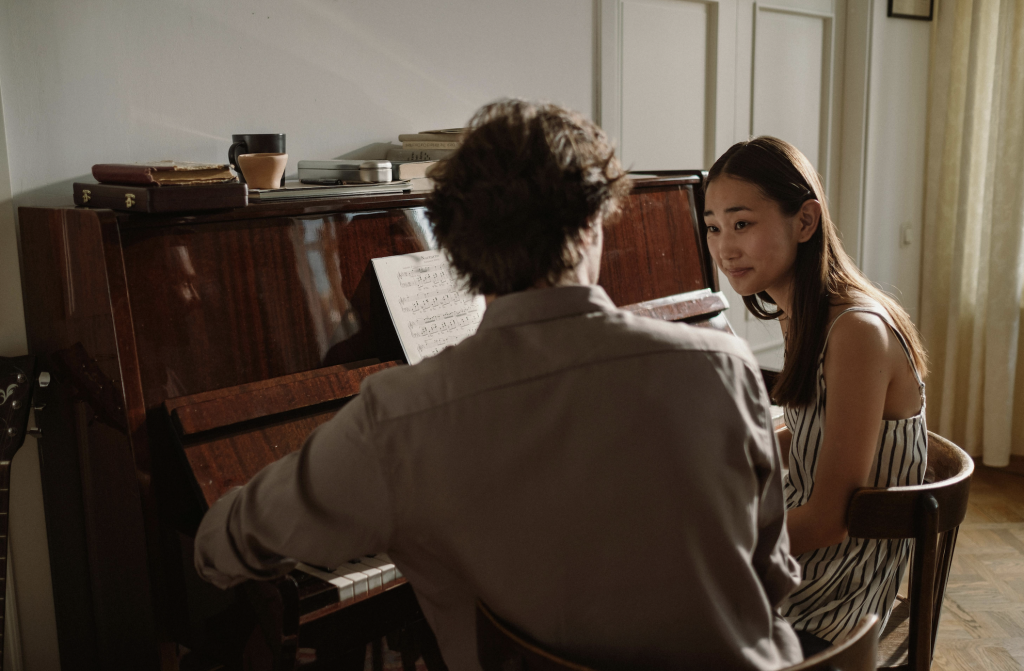
Thus, the connection between music and creativity is not just a theoretical concept; it is a practical reality that many explore daily. Whether through formal education, community collaboration, or personal exploration, the synergy of these two fields offers rich opportunities for discovery and growth.
DIVE DEEPER: Click here to learn more
Inspiration Through Sound
The journey of integrating music into other creative endeavors often begins with a moment of inspiration. A musician who plays the piano may find themselves inspired by the emotional depth of jazz, leading them to experiment with painting or even sculpture. This artistic spontaneity showcases how the influence of music can ripple through the creative process, fostering innovations in various art forms. The interaction between music and other artistic practices cultivates a rich environment for exploration and expression, highlighting the role of the musician not just as a performer, but as a catalyst for broader artistic discovery.
Research indicates that when individuals engage with music—whether through playing an instrument, singing, or composing—they often experience a surge in creativity. This heightened creativity translates to a variety of hobbies and disciplines, creating new connections and perspectives. Below are some notable ways in which musical talents can serve as gateways to exploring other creative hobbies:
- Visual Arts: Many artists draw direct inspiration from the emotional landscape of music. The sounds, rhythms, and lyrics can completely transform the way they visualize and interpret their surroundings. A musician might create a series of paintings inspired by a symphony, translating notes into forms and colors that resonate on the canvas.
- Writing and Literature: Writers often find that musicality enhances their storytelling, infusing their prose with lyrical quality. This can lead to the creation of poetry or narrative prose that captures the essence of specific songs, connecting readers with their feelings on a profound level.
- Performance Arts: Dance has an intrinsic relationship with music. Choreographers often use musical pieces to dictate the rhythm and mood of their performances, breathing life into abstract concepts through motion. Dancers express their own interpretations of compositions, showcasing the seamless blend of movement and melody.
Furthermore, the advent of digital platforms has made sharing such interdisciplinary creations easier than ever. Musicians collaborate with graphic designers on social media platforms, crafting engaging visual content that resonates with audiences. The resulting synergy often highlights the interconnectedness of different art forms, illustrating how music can inspire not only sound but also sight.
Through these explorations, the boundaries between music and other creative fields begin to blur, illustrating the potential for cross-disciplinary artistic innovation. As individuals engage with their musical talents, they are likely to find pathways leading them into new realms of creativity, emphasizing the profound impact that music can have on a broader creative landscape.
Exploring the Influence of Music on Creativity
The fascinating relationship between music and creativity is palpable and multifaceted. When individuals immerse themselves in musical endeavors, they often find themselves unlocking new pathways to creativity in various other domains. For instance, individuals involved in playing musical instruments frequently exhibit enhanced problem-solving skills, enabling them to approach artistic challenges with innovative solutions. This cross-pollination of creativity isn’t merely anecdotal; numerous studies reveal the neurological connections music establishes within the brain, fostering an environment ripe for creative exploration.
Musical talents often inspire other hobbies, such as painting, writing, or even cooking, as the rhythmic and melodic elements of music evoke emotional expressions that can translate into visual or literary forms. The complex structures and improvisational aspects of music can influence visual art compositions, where colors and shapes might mirror musical tones and patterns. Furthermore, writers who engage with music often discover a heightened sense of rhythm in their prose, finding that lyrical qualities enhance their storytelling techniques.
Moreover, the discipline required in mastering a musical instrument directly correlates to improved focus and motivation in other projects. The act of practicing music cultivates perseverance, which can lead individuals to engage in other creative endeavors with a similar dedication. Through the lens of musical analysis, one can appreciate the beauty in architecture or the nuanced storytelling within film—linking all forms of creativity together under the vast umbrella of artistic expression.
| Category | Description |
|---|---|
| Enhanced Emotional Expression | Music cultivates an expressive outlet, enriching other creative hobbies by embedding emotional narratives. |
| Cross-Disciplinary Skills | Musical training enhances skills such as collaboration, leading to richer interactions in artistic partnerships. |
| Improved Cognitive Function | Engaging with music improves focus, memory, and analytical skills, applicable to various creative fields. |
| Inspiration and Motivation | Musical achievements inspire persistence, encouraging engagement and exploration of other creative hobbies. |
As we delve deeper into this captivating interplay, we will uncover more about the astonishing ways in which music serves as a catalyst for creativity, urging individuals to explore and expand their artistic horizons.
DISCOVER: Click here to learn how to nurture young musical talents
The Ripple Effect of Musical Creativity
The impact of music on creativity extends beyond traditional artistic domains and delves into various other areas, fostering a culture of innovation that is rich and multifaceted. Musical talents can incite intellectual curiosity, manifesting in inspiring hobbies like tech development, culinary arts, and fashion design. This interconnected web of creativity highlights how a single passion can breathe life into diverse pursuits.
Technology and Digital Media: In an era where technology plays a pivotal role in creativity, musicians often become pioneers of digital innovation. Many musicians are drawing from their understanding of melody and rhythm to delve into video editing, audio engineering, and even app development. For instance, a musician may create a mobile application designed to help budding musicians learn how to compose by utilizing gamification techniques. By combining their musical knowledge with programming skills, they not only enhance their creative output but also contribute to the tech landscape.
Culinary Arts: Interestingly, the culinary arts also share a profound connection to music. Chefs often curate their menus to resonate with the themes, emotions, or concepts present in musical compositions. A chef inspired by the vibrant rhythms of Latin music might create an eclectic menu that reflects bold flavors and spices reminiscent of those sounds. Additionally, the process of cooking itself can mirror the creative flow experienced in musical performance, where precision and rhythm play a crucial role in achieving the perfect dish.
Fashion Design: Embedded in the world of aesthetics, fashion designers frequently draw from music as a source of inspiration. Iconic music festivals, such as Coachella or Glastonbury, often set the tone for seasonal fashion trends. Designers take cues from the styles and attitudes of musicians, using musical elements to convey messages in their collections. Tapping into the energy of a particular genre, a fashion designer may craft a line that reflects the essence of punk rock or hip-hop culture, effectively using fabric and design to tell a story that resonates with music enthusiasts.
Furthermore, educational settings have begun to recognize the value of integrating music into various curricula to enhance cognitive development. Studies show that children exposed to music education tend to perform better in subjects like mathematics and science, as the skills learned in musical training—such as pattern recognition and critical thinking—translate seamlessly into other academic disciplines. Schools that offer cross-disciplinary classes, such as music and art or music and technology, provide students a canvas to express their creativity while simultaneously honing their musical abilities. This approach illustrates how music can be a supporting pillar for broader knowledge acquisition, enhancing overall creativity.
In summary, the influence of music on creativity invokes a chain reaction that inspires individuals to explore and innovate across various domains. The seamless interplay of musical talents not only enriches the personal artistic journey but also encourages a collective movement towards a more integrated creative culture. As artists, chefs, technologists, and designers continue to draw inspiration from musical expressions, the possibilities for interdisciplinary collaboration and innovation appear limitless.
DIVE DEEPER: Click here to learn more
Conclusion: Harmonizing Creativity Across Disciplines
In exploring the profound impact of music on creativity, it becomes evident that musical talents serve as a wellspring of inspiration that transcends traditional artistic boundaries. From culinary arts to technology, and fashion design to educational innovation, the resonant themes of music reveal an intricate web of creativity that nourishes diverse hobbies and professions. Musicians harness their rhythmic insight and emotional depth to ignite passion not just within their own sphere but also in adjacent fields, fostering an environment ripe for collaboration and experimentation.
This synergy between music and other creative outlets not only enhances individual expression but also cultivates a collective movement that encourages dynamic interaction among artists, chefs, technologists, and designers. Recognizing this interconnectedness enables a deeper appreciation of how collaborative endeavors can generate a kaleidoscope of innovative ideas, leading to groundbreaking projects that might not have otherwise emerged. Integrating music into creative education, for example, can bolster cognitive skills and improve performance in multiple disciplines, showcasing the versatile benefits of musical exposure.
As we continue to delve into this vibrant dialogue between music and creativity, we uncover new potential for cross-pollination among various artistic forms. Therefore, whether it’s through designing a fashion statement inspired by a musical genre or developing a new app for aspiring musicians, the influence of music remains a powerful catalyst—one that invites us all to remix our creative passions and explore the endless possibilities of interdisciplinary creativity that awaits.