The Role of Social Media in Promoting Emerging Musical Talents: Connecting Creativity and Opportunities
Transformative Impact of Social Media on Emerging Artists
In a world where connectivity is omnipresent, social media has established itself as a pivotal catalyst in reshaping the music industry. With platforms such as Instagram, TikTok, and YouTube, aspiring musicians now have unprecedented access to a global audience. Gone are the days when talent alone could secure a record deal; today, the ability to harness social media effectively is equally crucial for success.
For example, consider the powerful phenomenon of direct engagement. Artists can communicate with their fans in real-time through live streams, comments, and interactive stories. This direct line of communication fosters a sense of community and loyalty, as fans feel personally connected to the artist. When Billie Eilish began her career by sharing snippets of her music on SoundCloud, she quickly became a relatable figure to her listeners, leading to a dedicated fan base before she even released her first album.
Another significant aspect is the viral potential that social media offers. A catchy song or a unique performance can go viral with just a few shares. The case of Lil Nas X is a testament to this power. His song “Old Town Road” gained traction on TikTok, where users created their own videos set to the track. Before long, it climbed to the top of the Billboard charts, illustrating how a simple post can catapult an unknown artist into stardom overnight.
Moreover, social media platforms create valuable networking opportunities for musicians who may not have access to traditional industry connections. With features such as direct messaging and tagging, artists can easily reach out to established musicians or influencers for potential collaborations. For example, artists like Halsey and Khalid have often leveraged social media to connect and collaborate with one another, resulting in hit songs that further enhance their visibility.
Yet, the role of social media extends beyond individual success stories. As a crucial tool for music discovery, platforms like Spotify and Apple Music integrate social elements that highlight popular or trending tracks based on user interactions and preferences. This creates an environment ripe for unexpected collaborations and innovative creative projects that might not have been possible in a pre-digital landscape.
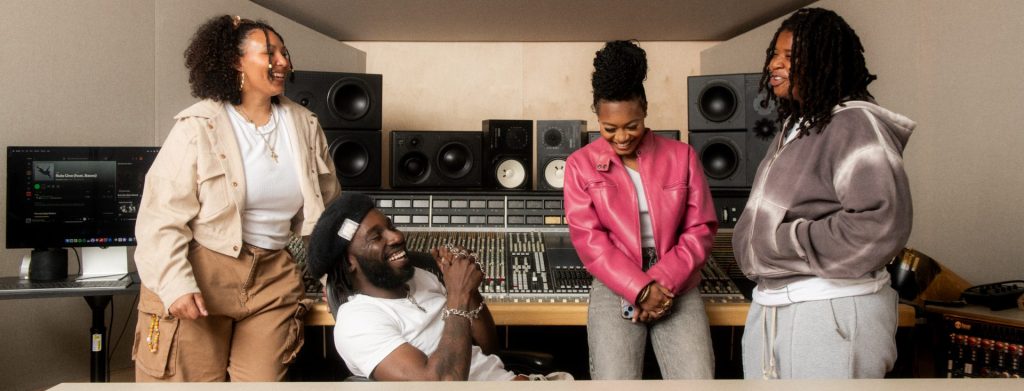
In conclusion, the evolving landscape of social media has not only opened doors for new musical talents but has also transformed how music is discovered and promoted. Each post, tweet, or video has the potential to resonate widely, ultimately shaping the future of the music industry. This article will continue to explore these dynamic trends, showcasing specific case studies that exemplify how emerging artists adapt and thrive in this new era.
DISCOVER MORE: Click here to learn about the therapeutic benefits of art</p
Social Media as a Platform for Music Discovery
The democratization of music through social media has not only transformed how artists communicate with their audience but has also revolutionized the way listeners discover new music. In today’s market, mainstream media does not dictate music trends; instead, social media platforms act as a breeding ground for discovering hidden gems and emerging artists. This shift has redefined consumer behavior, as music fans often turn to their favorite social media platforms first when seeking fresh sounds and talents.
One notable aspect of this transformation is the increase in user-generated content. Platforms like TikTok have enabled fans to engage with music in dynamic and creative ways that amplify an artist’s reach. Popular dance challenges or cover videos often lead to the rapid rise of particular tracks, offering artists organic exposure that traditional marketing efforts may struggle to replicate. In fact, recent studies show that tracks that gain early traction on TikTok frequently surpass 1 million streams within the first week of release, a significant feat for emerging artists.
To illustrate this phenomenon further, let’s explore a few key factors that contribute to the role of social media in promoting musical talents:
- Algorithmic Promotion: Platforms like Spotify and Instagram utilize algorithms that prioritize engagement, helping artists gain visibility through likes, shares, and comments. This means that the more content is engaged with, the more it is pushed to a broader audience.
- Community Building: Emerging artists can cultivate a sense of community around their music by sharing their creative processes, behind-the-scenes content, and personal stories. This not only humanizes the artist but also fosters an emotional bond between them and their audience.
- Access to Feedback: Instant access to listener feedback through comments and direct messages provides invaluable insights for artists. It allows them to tweak their music according to audience preferences, making them more adaptable and responsive in their creative endeavors.
- Collaboration Opportunities: As mentioned previously, social media facilitates networking, encouraging collaboration among musicians. By leveraging hashtags and tagging, aspiring artists can reach out to established names in their genres, leading to innovative projects that may not have happened otherwise.
Moreover, platforms such as Instagram have introduced features like Reels and Stories that allow artists to showcase their performances in creative formats. Artists can now capture their live performances or even share rehearsals, providing potential fans with a sneak peek into their artistic journey. This kind of engagement has proven vital in generating buzz and supporting emerging talents in a highly competitive industry.
In summary, social media is not just a promotional tool for musicians; it actively serves as a vital ecosystem for their growth. As emerging talents learn to navigate this landscape, they can unlock opportunities previously unimagined. The integration of social media into the music industry continues to redefine how artists create, promote, and distribute their work, paving the way for the next generation of musical innovators. The journey of utilizing social media for creative expression is only beginning, and its impact will be felt for years to come.
The Transformative Power of Social Media
Social media platforms have revolutionized the way emerging musical talents connect with audiences, industry professionals, and peers. Artists no longer need traditional gatekeepers like record labels to promote their music. Instead, they can upload their work directly to platforms such as YouTube, Instagram, and TikTok, reaching millions with just a click. This democratization of music distribution empowers artists to showcase their creativity without the constraints of conventional media channels.Moreover, the virality of social media presents unique opportunities for emerging musicians. A single post can capture the attention of influential tastemakers, leading to collaborations or even record deals. For instance, many artists have gained immense popularity after their songs went viral on TikTok, demonstrating how short-form content can have a monumental impact on a musician’s career trajectory. The community aspect of social networks also plays a vital role. Musicians can engage with their fans through live performances, Q&A sessions, and behind-the-scenes content. This builds a loyal fanbase and creates lasting connections. The sharing and commenting features allow artists to receive real-time feedback, which can be invaluable for honing their craft and staying relevant in an ever-changing industry landscape. In addition to exposure, social media fosters collaboration among musicians. Artists from different genres and locations can easily connect, leading to innovative collaborations that might not have been possible in a traditional setting. These partnerships allow artists to blend various styles, further enriching the musical landscape and offering listeners a diverse array of sounds. Networking has also been transformed; platforms such as LinkedIn provide spaces for musicians to connect with producers, promoters, and other industry professionals. This direct line of communication can lead to mentorship opportunities, industry insights, and invaluable advice for navigating the complexities of a music career. As we navigate this digital age, understanding the role of social media in promoting emerging musical talents becomes essential for both artists and fans. By harnessing these tools, creativity continues to flourish, and new opportunities arise, ensuring that the art of music remains vibrant and accessible to all.
| Social Media Benefits | Opportunities for Musicians |
|---|---|
| Global Reach | Connect with fans and industry figures worldwide. |
| Instant Feedback | Receive real-time responses that guide artistic development. |
| Cost-Effective Marketing | Promote music without substantial financial investment. |
| Collaboration Opportunities | Work with other artists across genres and platforms. |
EXPLORE MORE: Click here to uncover the benefits of fermented foods
Engagement and Authenticity: Key Factors in Success
As more emerging artists turn to social media as their main promotion platform, the importance of engagement and authenticity cannot be overstated. Today’s music consumers crave transparency and connection, seeking to understand the stories behind the songs they love. Artists who effectively share their journeys, struggles, and creative processes often foster a loyal following that transcends mere listenership.
Utilizing live streaming on platforms like Instagram and Facebook, musicians can connect with their audiences in real time. Live sessions not only allow artists to perform their music but also to interact directly with fans through Q&A segments, providing a glimpse into their personalities. For instance, artists like Lizzo and Lil Nas X have successfully engaged with their followers during live performances, solidifying their fan base and amplifying their visibility. This authentic interaction contributes significantly to how emerging artists are perceived and ultimately embraced by the public.
The concept of storytelling in music also plays a pivotal role. Engaging narratives can elevate an artist’s unique brand identity. When an emerging artist shares personal anecdotes related to their songwriting process, they create a relatable context that resonates with listeners. This strategy is exemplified by indie artist Hozier, who often discusses the inspiration behind his music, inviting audiences to connect with the emotions and themes in his work on a deeper level.
- Utilizing Analytics: Social media platforms provide artists access to analytics and insights that can guide their promotional efforts. Musicians can pinpoint when their audience is most active, which content performs best, and even demographic details that can help tailor future music releases and marketing strategies.
- Building a Personal Brand: The rise of visual platforms like Instagram necessitates artists to consider their aesthetics. Using consistent and visually appealing content not only aids in personal branding but also helps artists stand out among the thousands of competing voices on social media.
- Incorporating Trends: Successful emerging artists are often those who stay ahead of social media trends, quickly adapting to popular challenges or hashtags. This agility allows them to capture existing conversations and craft their unique contribution, offering an innovative perspective that resonates with broader audiences.
Emerging talents must also recognize the power of collaboration in promoting their music through social media. Collaborating with other emerging artists or influencers can lead to cross-promotion, exponentially increasing exposure to new audiences. For example, partnerships between TikTok influencers and musicians have birthed viral challenges that propel tracks to the top of the charts, demonstrating the potential of effective collaborations.
Furthermore, social media has also opened doors to international audiences. With geographical barriers diminishing, artists can present their music to fans abroad without the constraints of physical touring or traditional promotional channels. This global reach can alter an artist’s trajectory, turning localized success into an international phenomenon almost overnight.
In the evolving landscape of the music industry, emerging talents armed with social media savvy are no longer at the mercy of record labels and mainstream gatekeepers. Creative expression, genuine engagement, and strategic branding have become paramount to seizing opportunities in a competitive market. Ultimately, the role of social media in promoting emerging musical talents is vast and continually evolving, fostering a space where creativity and opportunity seamlessly intersect.
DISCOVER MORE: Click here to delve deeper
Conclusion: The Transformative Power of Social Media in Music
In conclusion, the influence of social media on the music industry has become an undeniable force, especially for emerging musical talents. It enables artists to cultivate a unique identity, engage authentically with fans, and access opportunities previously reserved for industry giants. Through interactive platforms, artists can share their personal narratives and creative journeys, crafting a deeper connection with their audience.
The effectiveness of utilizing analytics allows musicians to tailor their strategies based on real-time audience engagement, cultivating a more adaptive approach to promotion. Artists who leverage partnerships and collaborations further amplify their reach, harnessing the potential of viral content and influencer support to gain traction. These strategies not only promote individual songs but also effectively build lasting brands.
Moreover, the diminished geographical barriers afford emerging talents the chance to build international fan bases without the need for traditional touring methods. This global perspective enables them to navigate an increasingly competitive market with creativity and innovation as their allies. As social media continues to evolve, so will the methods of engagement and promotion available to artists poised to harness its potential.
In essence, the landscape of music promotion is undergoing a revolution, where creativity and opportunities are intricately woven together through social media channels. For aspiring musicians, the key lies in understanding how to effectively engage, tell their stories, and adapt to the evolving digital world. As they do, the future promises not only more diverse sounds but also a more connected global music community.