The Art of Cooking: Exploring Culinary Techniques as a Form of Creative Expression
Unleashing Creativity in the Kitchen
The kitchen is much more than a place for meal preparation; it’s a canvas for culinary creativity. Each dish tells a story, revealing the passion and skill of the chef. This exploration of cooking techniques dives into how culinary methods serve as genuine forms of creative expression.
Techniques That Inspire
Culinary techniques can transform simple ingredients into extraordinary meals. The artistry begins with understanding and mastering these methods. Here are some techniques that enhance the art of cooking:
- Sous Vide: This precision cooking method involves vacuum-sealing food in a bag and submerging it in a water bath at a consistent low temperature. This technique allows for perfectly cooked proteins, retaining moisture, and enhancing flavors. Chefs experiment with various seasonings and marinades to infuse their dishes with unique profiles.
- Fermentation: This age-old method of preserving ingredients not only prolongs shelf life but also develops rich, complex flavors. For instance, homemade kimchi or pickles can add tangy notes to salads or sandwiches. Fermentation encourages creativity as chefs experiment with different ingredients and techniques, transforming ordinary vegetables into extraordinary condiments.
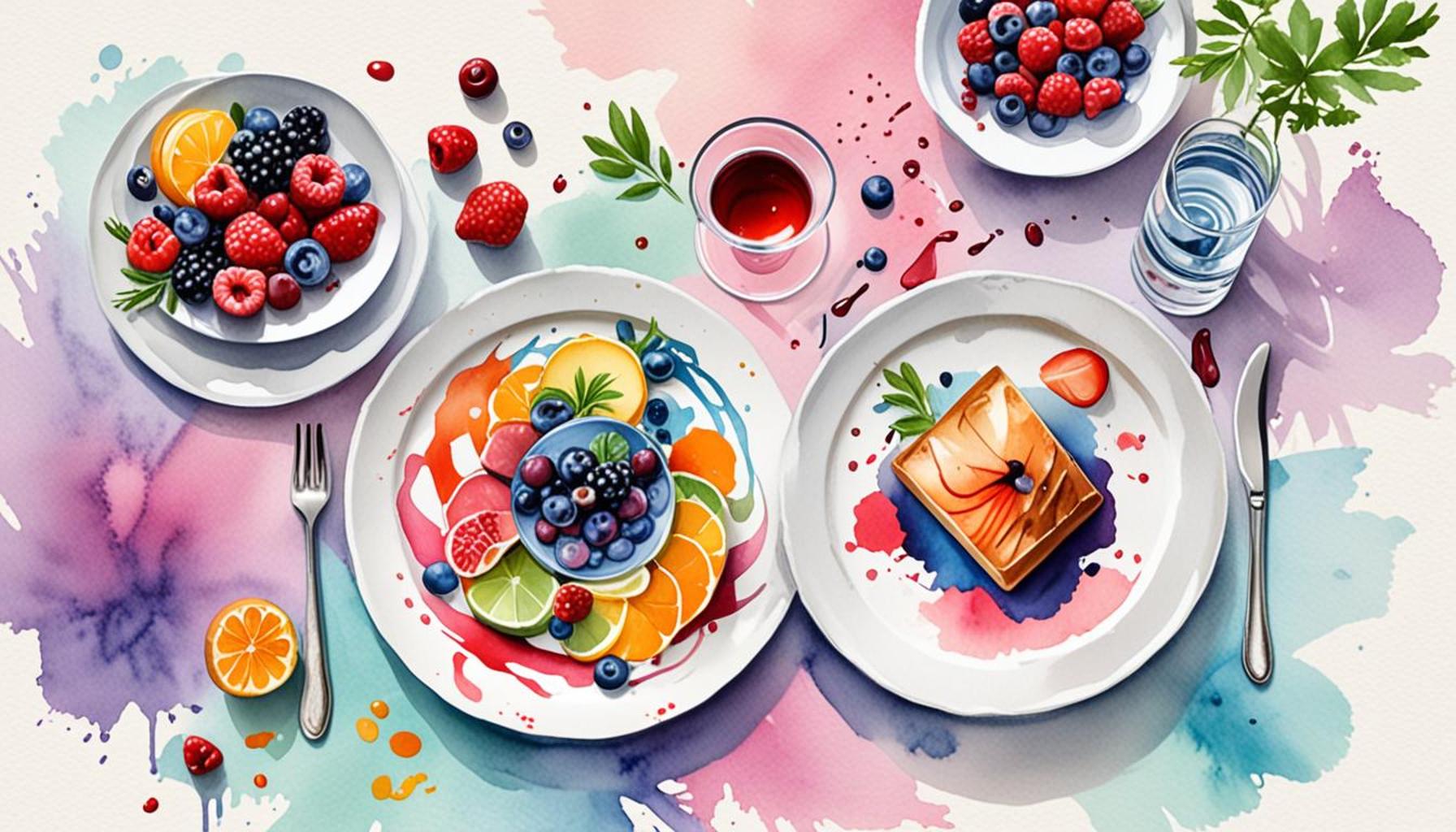
- Plating: An art in itself, plating turns meals into visual masterpieces. The presentation of a dish can evoke emotions and tell a story. Chefs often use colors, textures, and arrangement to create plates that are aesthetically pleasing. With the rising popularity of social media, visually striking dishes have become more important than ever as restaurateurs aim to entice diners through their screens.
These techniques not only showcase skill but also invite innovation and experimentation. Culinary creativity thrives on pushing boundaries. As chefs explore the fusion of traditional and modern cuisine, they can discover new flavors and textures that will excite diners.
Culinary Influences Across Cultures
In the United States, culinary diversity is at the forefront, drawing upon influences from many cultures that have coalesced to create a vibrant and eclectic food landscape. Some notable influences include:
- Italian: Known for its rich pasta dishes and flavorful sauces, Italian cooking emphasizes fresh ingredients and time-honored techniques like making traditional pasta from scratch. Dishes like homemade lasagna or risotto can be personalized with local ingredients, allowing chefs to celebrate both culture and creativity.
- Mexican: Vibrant spices and fresh ingredients define Mexican cuisine, with staples like corn, beans, and chilies. Dishes like tacos and enchiladas can be customized with a plethora of toppings, from guacamole to pico de gallo, enabling chefs to craft unique interpretations of traditional recipes.
- Asian: The emphasis on balance and harmony in flavors sets Asian cuisine apart. Techniques like stir-frying and steaming allow for quick, healthy meals that can be tailored with an array of sauces and spices. Dishes like stir-fried vegetables paired with tofu or seafood bring together nutritional ingredients and aesthetic appeal, showcasing culinary imagination and skill.
This blend of cultural influences encourages chefs to not just replicate traditional recipes but to innovate and personalize their culinary creations further. They can explore ingredients and techniques from various regions to create dishes that are exciting and edgy, reflecting their own stories and experiences.
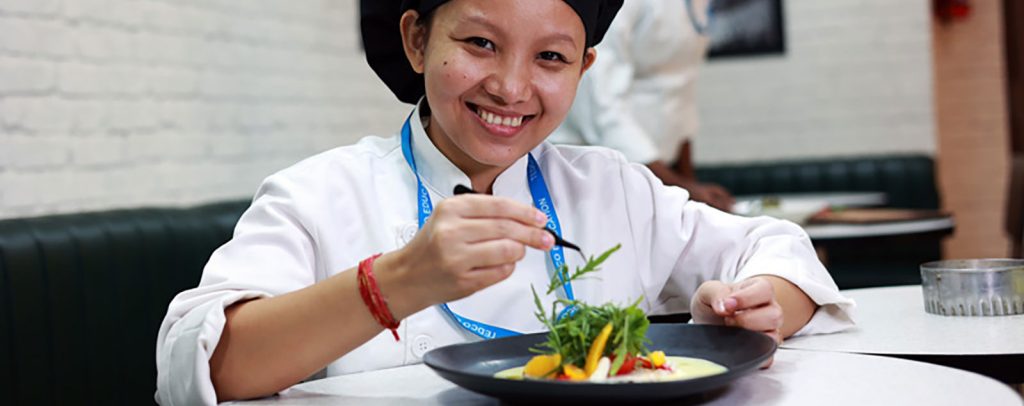
Join us as we delve deeper into the artistry of cooking, uncovering the techniques that inspire flavors and imaginative dishes, fostering a connection between culture, creativity, and cuisine in every bite.
DISCOVER MORE: Click here to dive deeper
Transformative Culinary Techniques
The journey of culinary expression begins with a solid understanding of various cooking techniques. These methods not only enhance the flavors of ingredients but also allow chefs to showcase their creativity and personality in each dish they create. The mastery of technique is fundamental; however, the true artistry lies in how these methods are utilized to convey a chef’s vision. Let us explore some transformative culinary techniques that serve as catalysts for creativity in the kitchen:
- Grilling: This age-old method offers a unique ability to impart smoky flavors while creating charred, visually appealing surfaces. Grilling can elevate simple preparations, like vegetables or meats, into beautifully caramelized masterpieces. Experimentation with marinades and spice rubs encourages chefs to let their imaginations run wild, transforming straightforward grill marks into signature dishes that can be tailored for any palate.
- Emulsification: The art of combining oil and water-based ingredients into a smooth, cohesive mixture is both a science and a skill. Techniques like making mayonnaise or vinaigrettes can serve as a springboard for culinary creativity. Chefs can experiment with various oils, vinegars, and flavors to create dressings that complement their dishes perfectly, allowing for endless possibilities in flavor combinations and textures.
- Braising: A combination of cooking methods, braising involves slow-cooking food in a small amount of liquid. This technique melds flavors and tenderizes even the toughest cuts of meat. The creative potential of braising lies in the choice of liquids and aromatics used in the process. From wines to broths, each element introduced during braising adds complexity to the final dish, encouraging culinary storytelling through flavor.
As chefs master these techniques, they begin to understand how each cooking method uniquely contributes to the overall experience of a dish. This knowledge fosters an environment ripe for innovation and personalization, inspiring chefs to explore new combinations, textures, and presentations that can engage diners on multiple levels.
Creating Culinary Narratives
Culinary techniques also serve as tools for storytelling. Every dish can be seen as a narrative that encompasses cultures, traditions, and personal experiences. For example, a simple bowl of ramen can translate into a tale of family heritage or a celebration of seasonal ingredients through the choice of toppings and broth. Chefs often draw upon their backgrounds and inspirations, allowing them to recreate familiar dishes with their own unique twist.
This storytelling aspect of cooking connects not only the chef to their food but also the diner to cultural explorations. With many chefs today embracing the narrative potential of their dishes, we see a rich tapestry of flavors and stories collide on restaurant menus across the United States. From heirloom tomatoes to artisanal cheeses, the art of cooking invites everyone to participate in the creation of a dialogue, bridging generations and fostering a sense of community.
In the realm of cooking, techniques empower chefs to stretch their creativity and inventiveness. By understanding and perfecting these methods, culinary artists can create dishes that are not only enjoyable but also tell powerful, personal stories. Join us as we continue to delve deeper into the inspiring world of culinary expression, revealing the innovative techniques that shape the modern gastronomic experience.
The Techniques Behind Culinary Creativity
Understanding the art of cooking goes beyond merely following recipes; it delves into a realm where technique and imagination intersect. Culinary techniques serve as the foundation upon which chefs build their masterpieces. Each method—from sautéing and roasting to sous-vide and fermentation—offers unique possibilities for flavor, texture, and presentation. These techniques can be adapted and transformed, allowing chefs to put their personal stamp on every dish.One popular technique is micro-cooking, where chefs utilize precise, small-scale cooking methods to enhance flavors and maintain ingredient integrity. By mastering such techniques, culinary enthusiasts can explore diverse cultural cuisines and reinvent classic dishes with contemporary flair. Moreover, cooking can function as a therapeutic outlet. Engaging in culinary arts allows individuals to express feelings and emotions constructively during the cooking process. The act itself can act as a meditation, blending sensory experiences of taste, smell, and sight that captivate both the chef and the diner.Furthermore, exploring unique plating styles enables chefs to present their creations in visually striking ways, effectively making each dish a piece of art. Not only does this elevate the dining experience, but it also reflects the chef’s artistic vision, inviting diners to appreciate the meal aesthetically before savoring it.With the rise of social media, the visual appeal of food has become paramount. Chefs are now challenged to consider both flavor and aesthetics, merging culinary skill with artistic creativity to engage a wider audience. This convergence of cooking and artistry is paving the way for an evolving culinary landscape, inspiring chefs to innovate and explore without boundaries.As more individuals dive into the culinary world, appreciating the techniques behind cooking fosters a deeper understanding of the artistry involved. Whether you are a seasoned chef or a home cook, embracing culinary techniques can greatly enhance your cooking journey, leading you not only to create exquisite meals but also to express your creativity in ways that are as satisfying as they are delicious.
| Technique | Advantages |
|---|---|
| Fermentation | Enhances flavors and preserves food naturally, introducing beneficial probiotics. |
| Sous-Vide | Ensures precision in cooking; improves texture and maintains nutrients. |
The journey of culinary exploration continues to shape food culture and invites everyone to participate in crafting and sharing their creative expressions through the art of cooking.
DISCOVER MORE: Click here to dive into the evolution of children’s literature
Innovation Through Culinary Chemistry
In addition to traditional techniques, modern cooking has embraced the fascinating realm of culinary chemistry. This innovative approach redefines how chefs interact with food, pushing the boundaries of flavor and texture while inviting diners to experience the unexpected. A few noteworthy techniques highlight this transformative potential:
- Sous Vide: This technique involves vacuum-sealing food in a bag and immersing it in a precisely controlled water bath for extended periods. The advantage of sous vide lies in its ability to cook food evenly and retain moisture, ensuring perfect results every time. Chefs can explore flavor enhancements by infusing ingredients during the process, such as herbs or spices, creating dishes that burst with flavor. The visual appeal of sous vide presentations—often served with a vibrant sauce or a unique garnish—encourages culinary artists to showcase their creativity.
- Molecular Gastronomy: Pioneered by innovative chefs such as Ferran Adrià and Heston Blumenthal, molecular gastronomy employs scientific techniques to manipulate food at a molecular level. Techniques like spherification, which transforms liquids into gel-like spheres that burst with flavor, challenge diners’ expectations of familiar dishes. For example, caviar made from fruit juices can be presented atop savory entrees, tantalizing the palate while engaging all the senses. This boundary-pushing approach allows chefs to deconstruct and reconstruct traditional cuisines, offering a fresh perspective that elevates their culinary expression.
- Fermentation: Embracing the ancient process of fermentation not only enhances flavors but also introduces complex umami notes. Chefs today are experimenting with various fermented ingredients, from kimchi to miso, to elevate their dishes. This technique also fosters sustainability, as it utilizes food byproducts and encourages creative ways to repurpose ingredients that may otherwise go to waste. The resulting dishes often offer a balance of tanginess and depth, engaging diners in a culinary journey rich in heritage and flavor.
The convergence of culinary techniques and scientific principles cultivates an atmosphere steeped in experimentation and excitement. Chefs are inspired to play with unconventional flavors and combinations, proving that innovation is as crucial in the kitchen as it is in any artistic discipline. This fusion of art and science serves as a springboard for engaging narratives woven into each plate, further enhancing the diner’s experience.
The Role of Aesthetics in Culinary Expression
Visual presentation has become an integral component of the dining experience, as chefs recognize that people eat with their eyes first. A dish’s aesthetic appeal can profoundly influence how its flavors are perceived. Techniques such as plating, garnishing, and even color theory play an essential role in crafting memorable experiences that linger long after the last bite.
Chefs have begun to draw inspiration from various art forms, exploring the use of bold colors, contrasting textures, and intricate designs with their food. For instance, a well-plated dessert might feature layers of chocolate mousse, vibrant fruit coulis, and delicate edible flowers, creating a symphony of colors that excites anticipation. These aesthetic elements not only enhance the overall dining experience but also spark conversation and engagement among diners, allowing them to appreciate the dish’s story even more.
Just as a painter chooses their colors and brushes, chefs have the opportunity to create visually stunning masterpieces on their plates, making the art of cooking a multifaceted expression of creativity. As the culinary world continues to evolve, the intricate relationship between technique, innovation, and aesthetic presentation solidifies cooking as a legitimate art form, woven into the fabric of personal visions and cultural narratives.
DIVE DEEPER: Click here to discover more
Conclusion: The Culinary Canvas
The art of cooking transcends mere sustenance; it serves as a vibrant canvas for creativity, where chefs become the artists and flavor their medium. As we have explored throughout this article, culinary techniques—from traditional methods to modern innovations—offer a vast array of tools that empower chefs to express their individuality and vision. Techniques like sous vide, molecular gastronomy, and fermentation not only enhance flavor profiles but also reflect a growing inclination toward experimentation, elevating cooking into a thrilling artistic endeavor.
In the world of culinary arts, aesthetic presentation plays an instrumental role in shaping the dining experience. The visual allure of a dish enhances our anticipation and appreciation, as it invites us to engage with the food on multiple sensory levels. Just as a painter carefully selects their colors, chefs meticulously craft plates that tell stories, inspiring dialogue and curiosity among diners.
As we look to the future, the merging of tradition with innovation in the kitchen will continue to redefine culinary boundaries. The embrace of sustainability, creativity, and artistic expression in cooking not only enriches our palates but fosters a deeper connection to culture and heritage. Each plate served is a reflection of the chef’s journey—a narrative of discovery, passion, and imagination. In this way, the art of cooking stands as a dynamic form of creative expression that invites us all to explore, taste, and celebrate the endless possibilities found within the culinary realm.