Collaborative Literature: The Power of Group Writing in Story Creation
Unleashing Creativity Through Collaboration
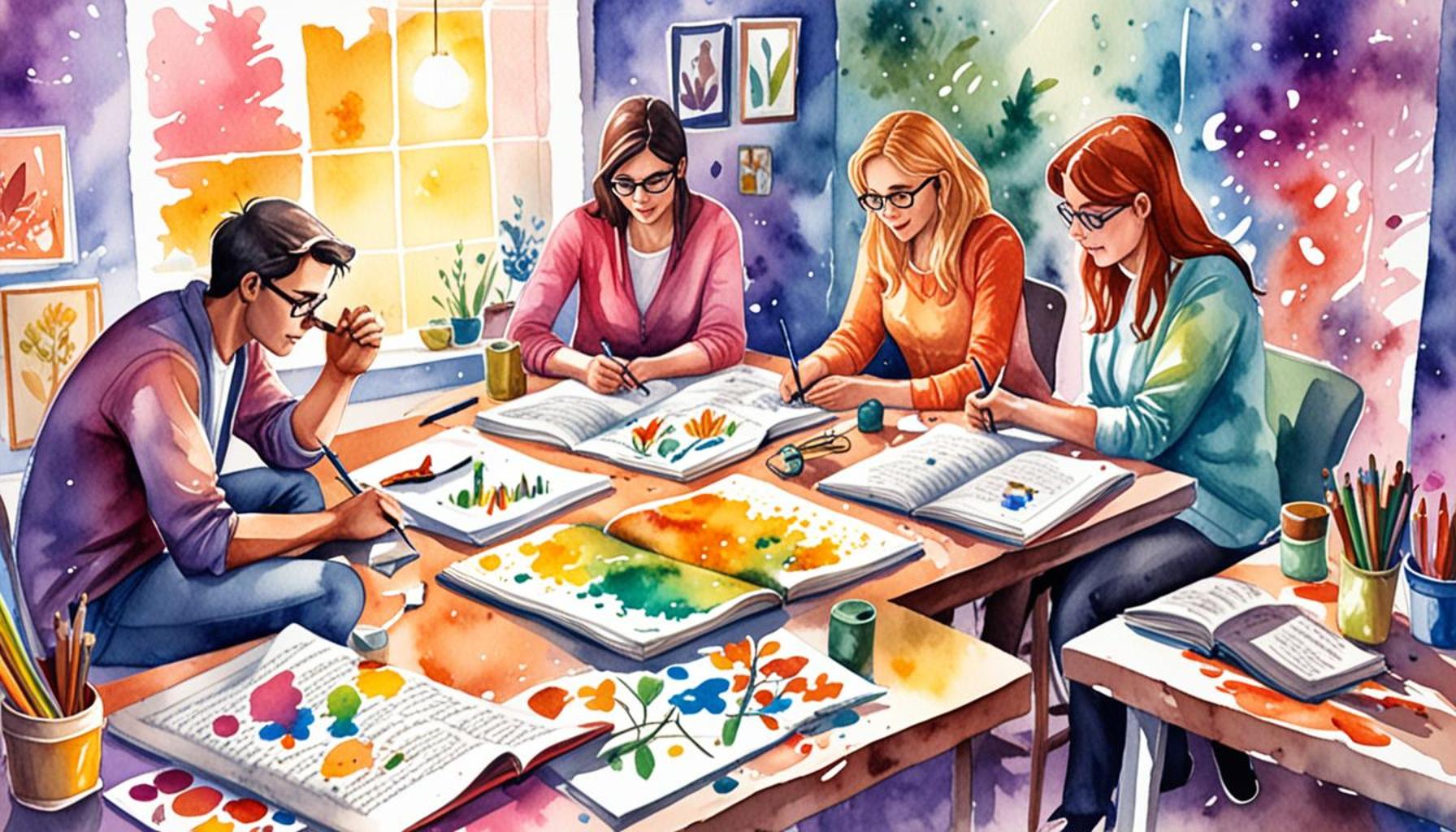
Imagine a world where stories are not merely the product of solitary authors but the result of vibrant groups collaborating dynamically. Collaborative literature invites writers of all skill levels to come together, share ideas, and craft narratives that are richer and more diverse. This method transcends geographical boundaries and educational backgrounds, empowering individuals to explore their creativity in ways that solitary writing often cannot.
This innovative approach offers several fascinating benefits:
- Diverse Perspectives: When writers from different backgrounds, cultures, and experiences collaborate, the fusion of their voices leads to unique story arcs. For instance, if a writer from New York joins forces with another from the Midwest, the settings and cultural references will differ dramatically, enriching the narrative. Stories that incorporate multiple viewpoints can resonate with a broader audience, reflecting the multifaceted nature of society.
- Enhanced Creativity: Group brainstorming sessions can create an exhilarating environment where ideas bounce off each other like a tennis ball. One individual’s spark of inspiration can ignite a flame of creativity in another. A great example is the writing of musical theater. When lyricists and composers collaborate on a single project, their combined talents often lead to songs that are far greater than the sum of their parts, demonstrating the unique magic of collaborative creativity.
- Community Building: Collaborative writing fosters connections among participants, forming a supportive ecosystem in which writers encourage one another and share constructive feedback. Platforms like critique groups and online forums not only facilitate this exchange but also create lasting relationships among writers who may go on to collaborate on future works.
Throughout history, collaborative writing has shaped literary masterpieces. Classics such as “The Canterbury Tales” exemplify intentional collaboration, where various authors contributed tales within a shared framework. In contrast, contemporary fan fiction communities thrive on digital platforms, allowing enthusiasts to expand on existing narratives, showcase their creativity, and receive immediate feedback from fellow fans. Websites like Wattpad and initiatives such as NaNoWriMo are essential breeding grounds for this modern collaborative spirit, where diverse voices converge to give life to exciting new stories.
As we delve deeper into the realm of collaborative literature, we unveil how group writing not only transforms story creation but also reshapes our understanding of authorship in the digital age. The shift from individualistic to collective storytelling encourages experimentation, inviting writers to push creative boundaries. Prepare to discover the transformative power of collective storytelling and exciting trends that illustrate its growing importance in today’s literary landscape.
This exploration reveals not just the benefits but also the nuances of collaborating on literary projects, shedding light on the collaborative process itself, tools that facilitate such work, and examples of successful group projects that are impacting literature today. The future of storytelling is not just in the hands of solitary authors; it thrives in communities where creativity is nurtured through collaboration.
DISCOVER MORE: Click here to learn more
The Dynamics of Collaborative Writing
As the landscape of literature evolves, so does the methodology used to create it. Collaborative writing presents an exciting paradigm shift in how stories are birthed and developed. This dynamic form of literature not only embraces group input but also thrives on the interplay of unique ideas, skills, and experiences. At its core, collaboration in literature is about harnessing the power of community, and it holds the potential to revolutionize how narratives are constructed.
Understanding the collaborative process is crucial for any aspiring writer or literature enthusiast. Several key elements contribute to making group writing successful:
- Clear Communication: Effective collaboration begins with open dialogue. Writers must articulate their thoughts, share concerns, and provide feedback. Platforms such as Google Docs or Trello have transformed the way writers can communicate in real time, streamlining the process of collaborative crafting.
- Defined Roles: In any group project, it’s essential to delineate responsibilities. Whether a writer takes on the role of the lead storyteller while others focus on dialogues or character development, defining these roles ensures a coherent and connected narrative emerges from the collaboration.
- Regular Check-Ins: Establishing a schedule for group meetings or discussions can significantly enhance the collaboration process. These check-ins create opportunities for writers to update each other on progress, reassess creative direction, and sustain momentum throughout the project.
One remarkable illustration of the impact of collaborative writing can be found in the realms of literature and academia. Various universities across the United States host workshops and writing camps where students and established authors engage in group writing sessions. For instance, the Writers’ Workshop at the University of Iowa is renowned for fostering creativity through collaborative literary projects, emphasizing the power of shared narratives. Moreover, initiatives like the National Novel Writing Month (NaNoWriMo) encourage thousands of participants to work together to produce novels in a month, sparking camaraderie and community among writers worldwide.
Furthermore, platforms such as Wattpad serve as breeding grounds for collaborative literature by providing writers with the space to co-create stories. Writers can post chapters, invite readers to contribute, and collaboratively navigate plot twists, all while establishing a vast network of fellow creatives. Notably, genres like fan fiction thrive in this sphere, as communities come together to reinterpret beloved narratives, infusing them with fresh perspectives and innovative twists.
As we explore the collaborative literature phenomenon further, we not only uncover its advantages but also examine the evolving tools and technologies that facilitate this growing trend. With the ability to democratize storytelling and encourage inclusivity, the collaborative approach is redefining authorship in the modern age, proving that the power of group writing is indeed a force to be reckoned with.
| Advantages | Description |
|---|---|
| Enhanced Creativity | Collaborative writing allows multiple perspectives, fostering innovative ideas that might not emerge in solitary writing. |
| Skill Sharing | Participants can share their unique talents, ranging from storytelling to editing, which enriches the writing process and final product. |
| Feedback & Improvement | Immediate feedback from peers helps to refine ideas, leading to higher-quality narratives and a stronger final manuscript. |
| Increased Engagement | Working as a group fosters a sense of community and accountability, keeping participants more motivated to contribute. |
The theme of “Collaborative Literature: The Power of Group Writing in Story Creation” captures readers’ attention by underscoring the profound advantages collaboration brings to the writing process. Sharing the creative burden allows writers to explore narratives more deeply and diversify their storytelling techniques. With the collective wisdom of a group, authors can challenge existing norms and push the boundaries of their imagination. Another key aspect is the opportunity for feedback and growth. Constructive criticism from multiple voices significantly enhances the quality of the work produced. Additionally, the collaborative environment provides a fertile ground for honing writing skills and experimentation with different styles, making the journey as enriching as the final result itself. Writers interested in expanding their horizons should consider the dynamic field of collaborative literature, where the power of shared creativity can lead to groundbreaking stories that resonate with a wider audience.
DISCOVER MORE: Click here to learn how art fuels social change
The Benefits of Collaborative Storytelling
The advent of collaborative literature is fundamentally reshaping how stories are conceived and executed. With the confluence of writers from diverse backgrounds, the creative spectrum widens exponentially. This collaborative effort is not just about combining words but also merging perspectives, resulting in narratives that resonate on various levels. The advantages of collaborative writing extend beyond mere logistics and can be categorized into several key aspects:
- Diverse Perspectives: A group composed of individuals from differing cultures, experiences, and viewpoints brings a richness to storytelling that would be difficult to achieve in solitary writing. Each writer adds a unique voice, presenting ideas that may not have been considered by others. This added depth makes the final product not only more compelling but also more relatable to wider audiences.
- Enhanced Creativity: Collaboration acts as a catalyst for creativity. The brainstorming sessions that evolve from group discussions often spark ideas that would remain dormant in a solo effort. The fusion of concepts and brainstorming in a collaborative setting can lead to innovative plot developments, character arcs, and thematic elements that might never surface in isolation.
- Shared Accountability: Working in a group naturally creates a system of accountability. Writers depend on each other’s commitment to the project, fostering a sense of responsibility. This shared commitment can enhance individual motivation, as group members encourage each other to meet deadlines and uphold quality standards.
The technological advancements of our age have also fueled the rise of collaborative literature. Online platforms like Discord and Slack facilitate instantaneous communication, enabling writers to connect regardless of geographical barriers. These tools allow for real-time editing and feedback, transcending the limitations of traditional in-person workshops. Such virtual collaborations have birthed successful novels, blogs, and screenplays, uniquely stitching together contributions from writers worldwide.
Another intriguing example of collaborative literature is the series of books produced under the Shared World concept, such as the popular Wild Cards series created by George R.R. Martin. Here, a collective of authors works within a shared universe, each contributing a different story that enriches the overall tapestry. This approach not only fosters creativity but allows each contributor to showcase their style while still adhering to an overarching narrative structure.
Interestingly, recent studies reveal that collaborative writing can also enhance cognitive and interpersonal skills. Participants often report improved problem-solving abilities and a new-found appreciation for communication and teamwork. As literary groups convene, they nurture not only their creative efforts but also their personal growth through constructive criticism and shared learning experiences.
Social media has become an invaluable asset to the collaborative literature phenomenon. Writers are leveraging platforms like Twitter and Instagram to find partners, organize group challenges, and share their collaborative projects with the world. The hashtag #WriteTogether has garnered attention among aspiring authors who seek to create stories in tandem, fostering a collective spirit and driving the collaborative movement further.
In conclusion, as the world embraces the innovative currents of collaborative literature, the outcomes are promising. By weaving together diverse talents and viewpoints, this approach not only revitalizes the writing process but also ensures that storytelling remains a communal and evolving art form.
DISCOVER MORE: Click here to enhance your musical journey
Final Thoughts on Collaborative Literature
The journey into collaborative literature reveals an exciting landscape where creativity flourishes through shared efforts. As we witness writers banding together across different platforms, the potential of group writing not only enhances story creation but also reinvigorates the entire literary process. By leveraging a tapestry of experiences and cultural backgrounds, collaborative writing encourages a rich exchange of ideas, thus producing compelling narratives that speak to a diverse audience. This collective storytelling paradigm challenges the notion of solitary authorship, inviting all voices to contribute to a collective story that is more than the sum of its parts.
Moreover, the advancements in technology and social media have made collaboration more accessible than ever. Online communities and real-time communication tools empower writers to connect, brainstorm, and produce works that are deeply interconnected. With the scene shifting to digital waters, the advent of collaborative literature is paving the way for innovative formats and unconventional stories that reflect the complexities of today’s globalized world.
As we consider the powerful synergy of collaborative literature, it becomes clear that this movement offers a unique opportunity for both personal and collective growth. Writers not only learn from one another but also cultivate a sense of belonging and shared purpose. In this way, group writing stands as a testament to the idea that narratives can be enriched through collaboration, making storytelling an inclusive and dynamic art form. As more creators engage in this collaborative journey, the literary landscape will undoubtedly evolve, fostering a new generation of stories that resonate with authenticity and creativity. Embracing these partnerships could lead to breakthrough narratives just waiting to be told.