The influence of art on mental health: how artistic expression can be a form of therapy
The Role of Artistic Expression in Mental Health
Art has long acted as a mirror reflecting human experience, emotions, and struggles. As society increasingly acknowledges the intricate connection between creativity and psychological well-being, artistic expression is gaining traction as an alternative therapeutic approach. The growing interest in using creative outlets for mental health suggests that art can play a transformative role in healing and self-discovery.
Numerous studies draw a clear correlation between creative engagement and positive mental health outcomes. For instance, engaging in art can lead to significant stress reduction. Art activities such as drawing or painting have been reported to decrease levels of cortisol, the body’s main stress hormone. This change can be particularly beneficial in today’s fast-paced environment, characterized by high levels of anxiety and pressures from work or personal life.
Beyond stress relief, creating art can lead to enhanced mood. The act of producing something tangible offers a sense of fulfillment and can elevate overall happiness. According to the American Journal of Public Health, individuals who participate in art-based activities experience enhanced life satisfaction. Activities ranging from painting and sculpture to music and dance not only foster creativity but also ignite joy and positivity in people’s lives.
Moreover, improved self-esteem is another important benefit of engaging in artistic endeavors. When individuals create art, whether it’s a song, a poem, or a canvas painting, they cultivate a sense of accomplishment. This feeling of success can bolster self-worth and confidence, paving a path towards greater mental resilience. For example, programs in schools that integrate art into their curricula often report increased student engagement and higher self-esteem among participants.
Various settings, including community centers, rehabilitation facilities, and schools, are now embracing art therapy as an effective intervention. In these environments, trained therapists guide individuals in expressing themselves creatively, facilitating breakthroughs in their mental health struggles. Art therapy initiatives often reach populations that might find traditional therapies daunting, such as children or those dealing with trauma.
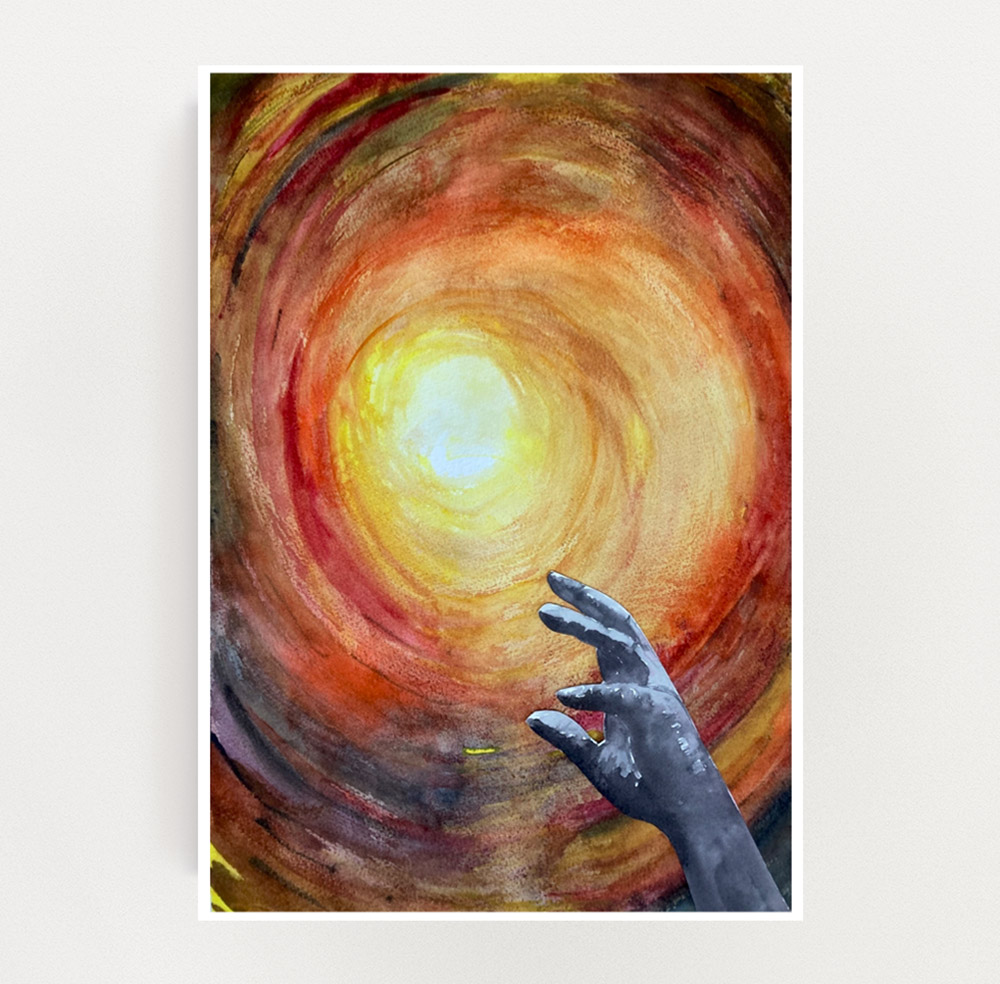
As we explore the profound intersections of creativity and mental health, we find evidence that artistic expression might not merely be a pastime but rather a crucial aspect of mental wellness. This journey invites us to recognize the power of creativity in nurturing the mind and soul, prompting an enriching exploration into how each stroke of a brush or note of a song can leave an indelible mark on our psychological landscapes.
DISCOVER MORE: Click here to elevate your plating skills
Art as a Gateway to Healing
Artistic expression can serve as a gateway to profound emotional exploration. By engaging in creative activities, individuals often find themselves creating a visual or auditory language that articulates feelings that are otherwise difficult to express. Art therapy provides a safe space for people to confront their innermost thoughts and emotions, acting as a therapeutic tool for self-discovery and healing.
One of the remarkable aspects of art is its ability to transcend verbal communication. For many, particularly those who struggle with traditional forms of therapy, the act of creating art allows for a unique form of expression. This nonverbal outlet can be invaluable for individuals grappling with issues such as depression, anxiety, or trauma. A study published in the Journal of Creativity in Mental Health suggests that art activities can facilitate a greater sense of empowerment, enabling individuals to communicate feelings that may be trapped within.
The use of art in therapeutic settings has gained momentum in recent years, highlighting its multifaceted benefits. Here are some noteworthy advantages of incorporating artistic expression into mental health therapy:
- Facilitating Emotional Release: Engaging in art allows individuals to release pent-up emotions, providing a cathartic experience that can lead to emotional relief.
- Enhancing Coping Skills: By creating art in a structured environment, individuals can develop new strategies for coping with life’s challenges, thus increasing their resilience.
- Fostering Connection: Group art therapy fosters connections among participants. This sense of community can combat feelings of isolation that often accompany mental health struggles.
- Boosting Cognitive Function: Art has been shown to stimulate brain activity. Engaging in creative tasks can enhance critical thinking and problem-solving skills, essential tools for overcoming mental health obstacles.
Moreover, art therapy is not limited to any specific demographic. Its application extends across various age groups and populations, making it a versatile option for mental health support. In schools, programs integrating art therapy have proven effective in helping students manage stress and anxiety. For example, children’s art therapy programs focus on using colors and shapes as a means of expression, promoting emotional understanding and regulation.
In adult populations, art therapy can serve as a powerful strategy for managing chronic mental health conditions. Reports have surfaced highlighting the success of art therapy for individuals suffering from Post-Traumatic Stress Disorder (PTSD). Veterans, in particular, have benefited from creative outlets, as they reconnect with their experiences through artistic storytelling.
As we delve deeper into the myriad ways that art influences mental well-being, the overarching message is clear: creative expression is a transformative journey. By harnessing the innate power of creativity, individuals can navigate the complexities of their mental health, finding solace, empowerment, and community in the process.
| Category | Details |
|---|---|
| Emotional Expression | Artistic expression allows individuals to convey emotions that may be difficult to articulate verbally, offering a therapeutic outlet for complex feelings. |
| Stress Relief | Engaging in art can significantly reduce stress levels. The process of creation often leads to a state of flow, promoting relaxation and mindfulness. |
| Self-Discovery | Art can serve as a mirror to one’s inner self, facilitating personal growth and self-awareness, which is crucial for mental health improvement. |
| Community Connection | Participating in artistic groups fosters a sense of belonging and support, which can counteract feelings of isolation. |
Exploring the intersection between art and mental health reveals fascinating insights into the healing powers of creativity. Artistic expressions, ranging from painting to music, stimulate various neural pathways associated with emotions, providing a unique avenue for therapy. Numerous studies have shown that people who engage regularly in creative activities report higher levels of emotional well-being and lower instances of anxiety and depression.Additionally, art therapy is increasingly recognized in clinical settings as a valid medium for treatment. It allows clinicians to observe emotional responses and behaviors in patients, offering valuable data for mental health interventions. The benefits derived from artistic engagement extend beyond individual expression; they also promote social interaction and shared experiences, which are essential for nurturing community ties and fostering resilience.By understanding and embracing these facets of art as therapy, individuals and healthcare providers can enhance mental health strategies, leading to a richer and more effective healing experience. Exploring existing art therapy programs could reveal practical insights and foster further inquiry into the profound impact art can have on mental health.
DISCOVER MORE: Click here to learn about crafting unforgettable characters
The Transformative Impact of Art in Therapy Settings
Art therapy is not merely a casual creative activity; it is a formal discipline that combines psychology and the visual arts to promote mental health. Trained therapists use artistic processes as a means to engage individuals in deep, therapeutic experiences that can elicit change and growth. This structured form of art therapy has been embraced in various clinical settings, offering promising results across different mental health challenges.
In psychotherapeutic contexts, the use of art has been found to stimulate healing through several mechanisms. The American Art Therapy Association emphasizes that the creation of art propels individuals into a state of mindfulness, enabling them to immerse themselves fully in the moment. This mindfulness practice can reduce symptoms of stress, anxiety, and depression, contributing positively to overall mental health.
Various artistic techniques have been adapted in therapeutic practices, tailored to the unique needs of individuals. For instance, the use of collage-making allows clients to explore their identities and experiences visually. Assembled from magazines, photographs, and other materials, collages can serve as a powerful visual metaphor for life’s narratives, guiding discussions about personal history and emotional states.
An emerging field gaining traction in art therapy is the use of digital media. Digital art platforms enable clients to explore their creativity through software and applications, often leading to instant and dynamic forms of expression. This accessibility is particularly appealing to younger populations, who may feel more comfortable navigating emotional themes through technology rather than traditional methods.
Moreover, studies reveal that engaging in art can stimulate neuroplasticity—the brain’s ability to reorganize itself by forming new neural connections. As individuals create, they breathe life into their imaginative capacities, which can have beneficial effects on cognitive function and emotional regulation. Neuroscientific research indicates that art-making activates brain regions associated with empathy and emotional processing, providing insights into how creative expression can rewire an individual’s psychological pathways.
Across the United States, numerous facilities have successfully integrated art therapy into their mental health programs. For instance, hospitals and rehabilitation centers incorporate art therapy as a component of treatment regimens for conditions like substance abuse and depression. Organizations such as The Art Therapy Project in New York focus on utilizing the healing power of art to support underprivileged populations, while many veterans’ programs employ art as a coping mechanism for trauma.
In addition to these clinical settings, the application of art therapy has also been influential in community initiatives. Public art projects, often involving collaborative efforts, encourage community engagement while also acting as platforms for collective healing. These initiatives not only address individual mental health needs but also foster a sense of belonging and purpose within communities. The act of creating art together can amplify collective narratives, leading to increased understanding and support among participants.
Ultimately, art therapy showcases the undeniable link between creative expression and mental wellness. The journey of exploring one’s emotions through art contributes to self-concept development, understanding of personal narratives, and the cultivation of resilience in the face of life’s challenges.
DISCOVER MORE: Click here to dive deeper
A New Horizon for Mental Health and Art Therapy
In conclusion, the exploration of artistic expression as a form of therapy illuminates a powerful pathway towards improving mental health. As we have seen, the integration of art into therapeutic practices not only enhances mindfulness and emotional regulation but also fosters deeper self-exploration and personal growth. The various methods—from traditional techniques like painting and collage-making to innovative approaches utilizing digital media—highlight that creativity can transcend barriers, offering accessible avenues to mental wellness for diverse populations.
Importantly, as studies suggest, engaging in art stimulates neuroplasticity, suggesting that our brains are capable of change and healing through creative endeavors. This capacity for transformation is particularly relevant in an era where mental health challenges are increasingly prevalent, calling for innovative solutions and interventions. The success of art therapy programs across the United States demonstrates that structured creative processes can supplement traditional therapies, creating holistic treatment plans tailored to individuals’ unique needs.
Furthermore, community-driven artistic projects foster collective healing, emphasizing the importance of social support and connection in mental health recovery. As we continue to embrace the healing potential of the arts, we reveal a profound understanding of how creativity intertwines with emotional health—encouraging individuals to express, heal, and thrive.
Moving forward, it is essential for mental health professionals, educators, and communities to advocate for the inclusion of art therapy in various settings. By prioritizing this vital form of expression, we can continue to unravel the intricate relationship between art and mental health, opening new horizons for well-being and resilience.