The Influence of Visual Arts on Literary Creation: How Paintings and Sculptures Can Inspire Writers
Exploring the Canvas of Creativity
The realms of visual arts and literature have long been intertwined, sparking creativity and exploration among artists and writers alike. From the canvas to the page, the influence of paintings and sculptures can inspire a myriad of themes, emotions, and narratives. This profound relationship transcends mere inspiration as it creates an intricate dialogue between two forms of expression, one that continues to evolve with each new generation of creators.
Imagine how a mere image can ignite a story. The emotions evoked by a painting or a sculpture often provoke introspection, prompting writers to delve deep into personal or universal themes. Here are a few notable examples:
- Vincent van Gogh’s Starry Night: This iconic masterpiece, with its swirling skies and vibrant colors, evokes feelings of isolation and wonder. Writers have explored themes of mental health, loneliness, and the search for connection through poetry and prose inspired by this work. The emotional intensity of Van Gogh’s world invites readers to reflect on their own experiences, leading to works like “The Sunflower” by artist-poet, Mary H. K. Gordon, which draws on similar imagery from the same painter to explore inner turmoils.
- Michelangelo’s David: This magnificent sculpture, symbolizing Renaissance ideals of human beauty and strength, has inspired character development and conflict in narratives for centuries. In literary circles, authors like John Steinbeck and his exploration of the human spirit in “East of Eden” have reflected the wrestling power of David’s form, portraying the struggle of good versus evil as depicted in the statue’s poised yet fierce stance.
- Frida Kahlo’s Self-Portraits: Kahlo’s intense exploration of identity, pain, and personal trauma invites profound themes in contemporary writing. Her self-portraits often reveal her fragmented sense of self, which has inspired numerous memoirs and fictional narratives that address themes of femininity, suffering, and resilience. Authors like Sandra Cisneros have drawn from Kahlo’s imagery to fuel their own narratives about the female experience, weaving personal and cultural identity into their works.
Writers draw inspiration from the colors, textures, and narratives behind each art piece. The interplay between visual representation and the written word is not just a creative relationship but also a means of exploring deep-seated human emotions and societal issues. This dynamic connection encourages a vibrant dialogue that enriches both forms of creative expression.
As we explore the depths of how visual arts influence literary creation, we uncover a vast landscape of connection and inspiration. Each brushstroke or chisel mark holds potential for artists and writers to transcend traditional boundaries and inspire groundbreaking works. This ongoing interplay raises questions about the limits of creativity and how cross-disciplinary interactions foster innovation. The merging of visual arts and literature offers countless pathways for exploration that can resonate profoundly with our contemporary world, making it an ever-relevant subject for writers, artists, and enthusiasts alike.
DIVE DEEPER: Click here to uncover the stories behind family recipes
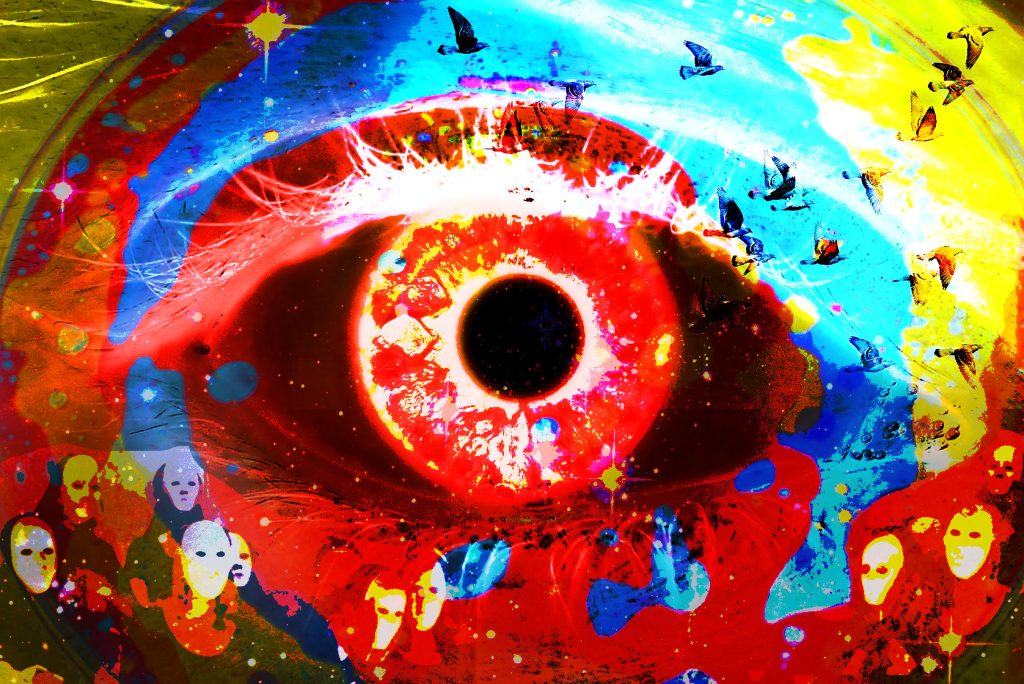
Emotional Resonance and Narrative Development
The process of literary creation often stems from profound emotional experiences, and visual arts provide a compelling source for that emotional resonance. Paintings and sculptures serve as more than mere aesthetics; they encapsulate complex feelings, societal narratives, and historical contexts that writers can interpret and weave into their own narratives. This intricate relationship between the two mediums fosters a rich landscape for storytelling that touches the core of human experience.
Visual artists meticulously select color palettes, forms, and subjects to convey their messages, and in doing so, they lay a foundation for writers to build upon. Consider how artists express notions of time and space, which can translate into thematic explorations in literature. For instance, the juxtaposition of light and dark in a piece can inspire a writer to explore themes of duality or internal conflict, ultimately enriching their storytelling.
One significant aspect of this creative intersection is the way artists encapsulate cultural moments and societal issues in their works. This ultimately provides writers with a backdrop to address contemporary themes through their narratives. Here are some ways in which visual arts inspire literary creation:
- Imagery and Descriptive Language: A vivid painting can evoke sensory details that writers can translate into rich descriptions in their prose. For example, Georgia O’Keeffe’s vibrant landscapes can inspire evocative scenes in a novel, enabling readers to visualize the setting as if they were there personally.
- Character Development: The subjects of portraits, often laden with emotion and backstory, allow writers to develop complex characters. The expressions and postures captured in figurative artworks can provide insights into character motivations and conflicts, as seen in the works inspired by Edward Hopper’s solitary figures.
- Theme Exploration: Artistic expressions often provide a commentary on social and political issues. This can inspire writers to engage with similar themes in their narratives, leading to compelling works such as “The Shock of the News” by literary journalist and novelist William Dowie, which connects visual arts with the evolving narrative of our times.
As writers draw from the emotional and thematic depth present in visual arts, they embark on a journey that challenges them to explore not just their own experiences but also the shared experience of humanity. This exploration prompts innovative approaches to storytelling that resonate with audiences from various walks of life. As artists and writers continue to push boundaries and seek connections, the dialogue between visual arts and literature remains a powerful catalyst for creativity.
In investigating this interplay, it becomes clear that the relationship holds significant potential for innovation across both fields. Writers are encouraged to embrace stimulation from all forms of expression, acknowledging the transformative power of visual arts in shaping meaningful narratives. The creative exploration will not only foster individual growth but also contribute to the collective cultural landscape, paving the way for new narratives to emerge in an ever-evolving literary world.
The synergy between visual arts and literary creation is often profound and multifaceted. Writers frequently draw inspiration from paintings and sculptures, using them as a catalyst for creative thought. For instance, a single image can evoke emotions, provoke questions, or transport a writer into a different time or place. This connection not only enhances the narrative but also enriches the reader’s experience.One of the most compelling aspects of visual art is its ability to convey complex ideas and emotions without the use of words. A painting, like Edvard Munch’s “The Scream,” captures existential despair, igniting narratives that delve into themes of anxiety and human experience. Similarly, sculptures—such as Rodin’s “The Thinker”—embody contemplation and can motivate writers to explore introspective themes in their prose or poetry. Additionally, the interplay of color and light in visual art can influence a writer’s style. The vibrant hues in Van Gogh’s “Starry Night” might lead an author to employ a more vivid and imaginative language in their descriptions, facilitating an immersive experience for their audience. It’s this kind of strong synergy that illustrates how visual arts can act as a mirror reflecting not only the world around us but also the internal landscapes of our thoughts and emotions.Furthermore, the integration of art into the literary process can serve as a visual brainstorming tool. Writers often utilize mood boards or inspiration boards, comprising images from various art forms, to stimulate their creativity and organize their ideas. This method bridges the gap between seeing and telling, allowing visual elements to form the backbone of a narrative.As literary creation evolves, the influence of visual arts remains a dynamic and critical avenue of exploration. Writers who engage with paintings and sculptures often unveil deeper layers of meaning in their own work, illustrating how the creative process thrives on interdisciplinary inspiration.
DISCOVER MORE: Click here to learn how technology is reshaping music learning
Symbolism and Interdisciplinary Connections
One of the most profound ways in which visual arts influence literary creation is through symbolism. Artists often employ symbols to create layers of meaning within their works, and this notion can spark tremendous inspiration for writers. By analyzing the symbols present in a visual artwork, authors can derive rich themes and subtext, enhancing their narratives. For instance, Picasso’s depiction of the dove has long stood as a symbol of peace; a writer might draw on this imagery to craft a narrative that explores the complexities of conflict and reconciliation.
Moreover, the interplay between different forms of art encourages a multiplicity of perspectives in writing. Writers can explore conflicting interpretations of a singular piece of art, leading to a more nuanced storytelling style. For example, a photograph by Dorothea Lange showcasing the plight of American families during the Great Depression can inspire a writer to delve into themes of survival and resilience, offering various angles on what it means to endure hardship. In doing so, the writer not only enriches their narrative but also paints a vibrant tapestry of human experience shaped by external forces.
The intersection of disciplines—where visual arts inspire literature—can also be seen in the works of artists who embrace literary elements in their creations. Contemporary visual artists often incorporate text or narrative elements into their installations. Consider the works of Barbara Kruger, who fuses image and text to create thought-provoking statements on consumerism and identity. For writers, such hybridization can serve as a springboard for crafting prose that is equally resonant and evocative, thus widening the scope of literary imagination.
Furthermore, artists’ collaborations with writers can lead to exciting literary outcomes. An example can be found within collaborative projects like “The Artist’s Books,” where visual artists and authors co-create works that blend textual and visual elements. This form of partnership showcases the synergy between the two disciplines, resulting in innovative expressions that expand the boundaries of how narratives are typically constructed. Such collaborations challenge writers to think beyond conventional storytelling methods, encouraging them to explore how visual cues can shape reader engagement.
- Cultural Reflections: Many artworks reflect cultural identities and histories that can become a wellspring of inspiration for narratives. Writers like Jhumpa Lahiri have drawn upon cultural imagery to evoke the experiences of immigration and identity in their work, illustrating how visual arts can ground literary storytelling in a rich historical context.
- Philosophical Exploration: The exploration of philosophical themes in visual arts can inform literature. Artists like Salvador Dalí, with his surreal landscapes, prompt writers to delve into the realms of dreams, consciousness, and existential thought, effectively opening dialogues that bridge visual representation and literary exploration.
As writers harness the power of symbolism and interdisciplinary connections found in visual arts, they create works that not only reflect their creative inspirations but also resonate deeply with diverse audiences. The art of storytelling becomes an expansive field, enriched by the myriad ways in which artists express complex human emotions and experiences through imagery and form. This synergy ultimately cultivates a vibrant cultural fabric where both art forms thrive, fueling an ongoing conversation that can span generations.
DISCOVER MORE: Click here to delve into the world of calligraphy
Conclusion: Bridging the Gap Between Visual Arts and Literary Creation
The interplay between visual arts and literature is a testament to the profound influence that different forms of creativity can wield over one another. As explored throughout this article, visual artists employ symbolism not only as a method of expression but as a catalyst for narratives that writers can then interpret and expand upon. The depth of a painting or sculpture, whether through cultural reflections or philosophical themes, offers writers a vast reservoir of inspiration, allowing them to delve into complex human experiences that resonate broadly.
Moreover, the collaborative efforts between writers and visual artists push the boundaries of traditional storytelling, creating a symbiotic relationship that fosters innovation. By embracing this multi-disciplinary approach, writers gain the opportunity to explore narratives through diverse lenses, enriching their works and engaging audiences on multiple levels. This creative synergy illuminates the potential for visual arts to not only inspire but also challenge writers to transcend conventional storytelling techniques.
As we consider the ever-evolving landscape of art and literature, it is essential to recognize that the conversations between these disciplines are not confined to their respective forms. Instead, they continue to inspire future generations by inviting them to explore new possibilities. The ways in which paintings and sculptures can inspire writers can lead to a reimagining of narratives that speak to a wider spectrum of human emotion, history, and culture. Ultimately, this vibrant exchange enriches our understanding of both art forms, reminding us that creativity knows no boundaries.