Exploring Flavors of the World: The Art of Combining Ingredients from Different Cultures
Exploring Unique Culinary Traditions
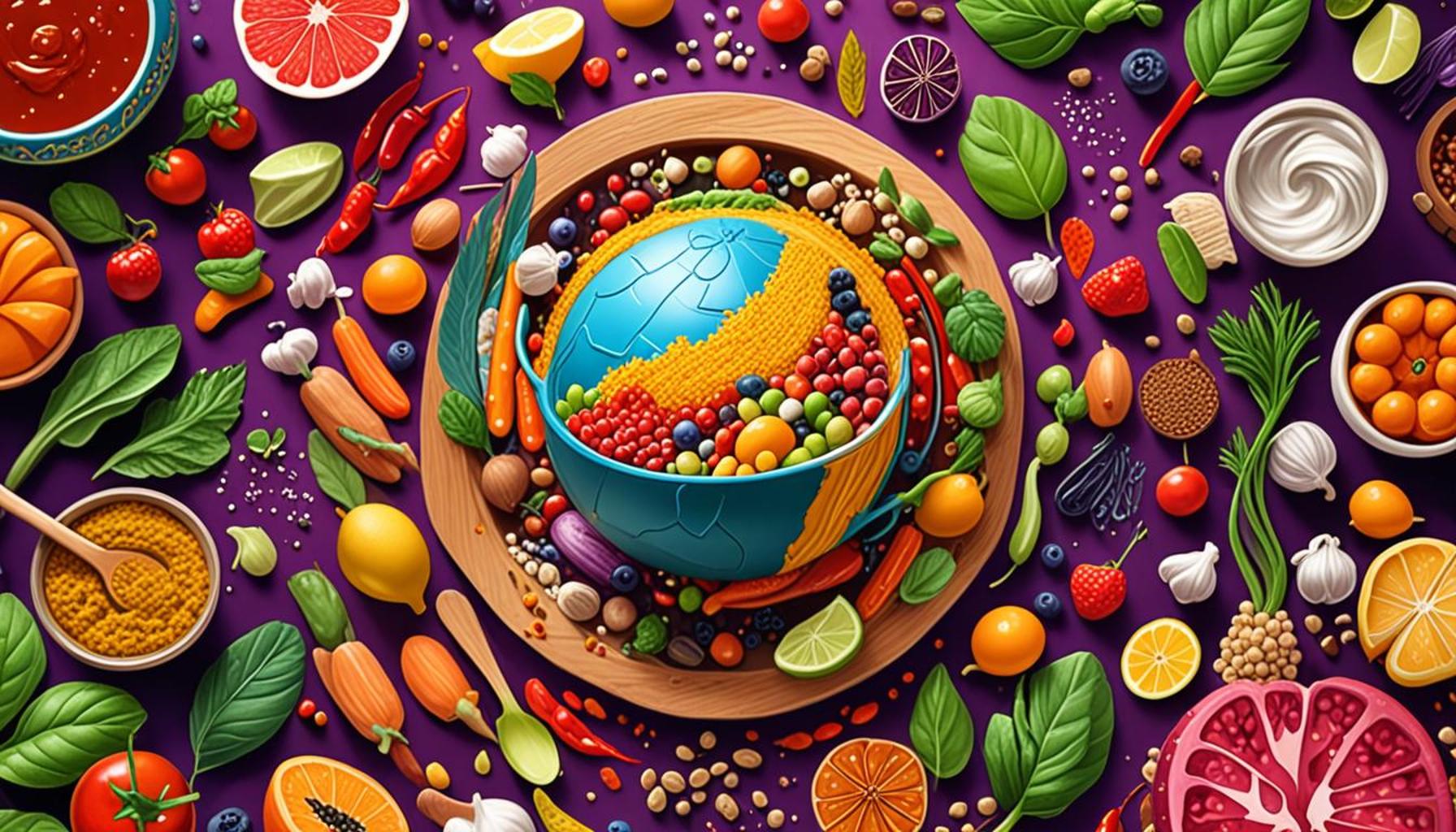
In a world brimming with culinary traditions, exploring unique flavors can be a delightful journey. Each culture has its own storied history, which is beautifully reflected in its cuisine. From the street vendors in Bangkok serving up spicy fish curry to the family-run trattorias in Italy dishing out homemade pasta, every plate tells a story steeped in the culture it originates from. As globalization bridges distances, the art of combining ingredients becomes increasingly essential, yielding a rich tapestry of tastes that delight the senses.
The Beauty of Fusion Cuisine
Fusion cuisine celebrates the harmonious blend of different culinary practices, resulting in dishes that are both exciting and innovative. By marrying traditional recipes with unconventional ingredients, chefs are creating a dining experience that challenges and enchants the palate. Some notable combinations include:
- Mexican Sushi: This innovative dish merges the bold flavors of Mexican cuisine with the delicate art of sushi-making, featuring spicy tuna rolls topped with rich guacamole and a drizzle of zesty lime sauce, combining freshness and spice in every bite.
- Indian Tacos: By using soft tortillas as a vessel, curried chicken is combined with fresh salsa and traditional Indian spices, creating a vibrant and colorful dish that showcases the essence of both cultures. This twist is often found at food trucks across the U.S., beloved by adventurous eaters.
- Italian Pad Thai: Picture a delightful noodle dish that infuses the classic Thai stir-fry with the aromatic flavor of Italian pesto. By tossing fresh vegetables with rice noodles and a sprinkle of parmesan, this dish celebrates how culinary borders can be beautifully blurred.
These culinary experiments offer a glimpse into how flavors can transcend borders. What is truly remarkable about fusion cuisine is its ability to create new taste experiences that are approachable, yet surprisingly diverse. Furthermore, using globally sourced ingredients can enhance cooking at home and inspire many to try their hand at creating unique meals that reflect personal tastes and cultural explorations.
A World of Ingredients
Understanding diverse ingredients is key to innovation in the kitchen. Spices, herbs, and grains play pivotal roles in shaping the flavors of different dishes. Some essential ingredients to explore include:
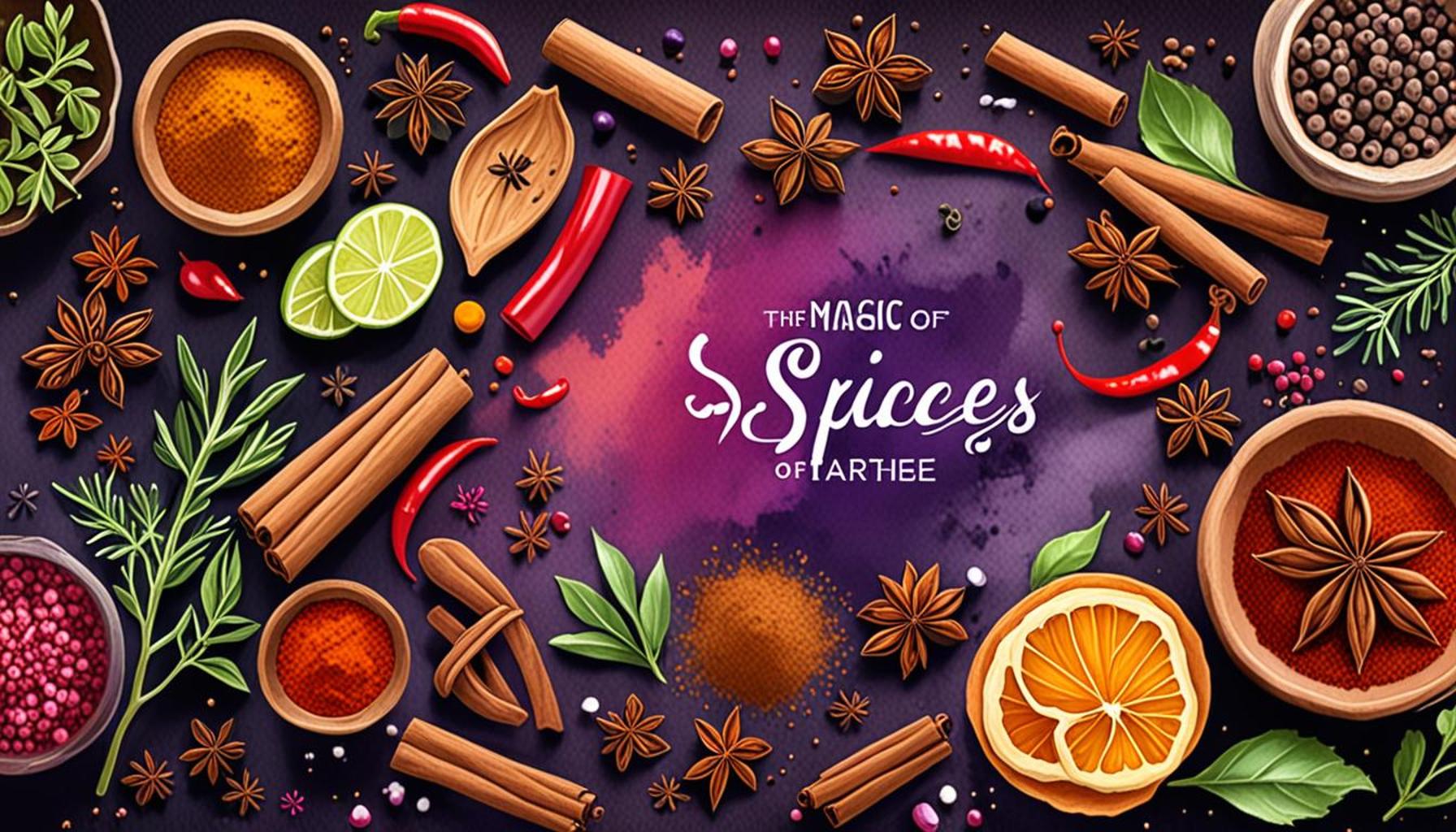
- Spices: The warmth of turmeric in Indian dishes adds not just flavor but also vibrant color, while cayenne pepper lends heat to both Southern Louisiana cooking and Tex-Mex recipes, invigorating a variety of meals.
- Herbs: Fresh cilantro, a staple in Mexican cuisine, provides a burst of brightness to tacos and salsas, while basil—beloved in Italian recipes—brings a fragrant touch to pasta and pizza. Both herbs are often available in local grocery stores or farmers’ markets.
- Grains: From the nutty texture of quinoa, which has become increasingly popular in American households, to the staple of rice in Asian diets, these grains not only offer sustenance but serve as a canvas for a plethora of flavors and toppings.
Delving deeper into the flavors of the world and discovering how enriching ingredient combinations can reflect cultural stories and traditions is a rewarding endeavor. This culinary journey not only tantalizes the taste buds but also fosters appreciation for the diversity that enriches our dining experiences, sparking an ever-growing interest for cooking enthusiasts and food lovers alike.

DIVE DEEPER: Click here to discover more
Embracing the Global Pantry
The modern kitchen has transformed into a global pantry, where ingredients from far-flung corners of the earth are easily accessible. Whether it’s the fragrant spices of Morocco or the aromatic herbs of Thailand, the opportunity to experiment with diverse ingredients has never been more inviting. This accessibility encourages budding home chefs to embark on their culinary journeys, blending elements that were once limited by geographic boundaries.
Journey Through Key Ingredients
To master the art of fusion cooking, understanding key ingredients is essential. Below are some foundational components that can elevate flavor profiles and inspire creativity in the kitchen:
- Citrus Fruits: The bright zing of citrus, such as limes, lemons, and oranges, can enliven dishes with a pop of freshness. In many Latin American and Asian recipes, citrus acts as a crucial balancing element, cutting through rich flavors and enhancing overall taste.
- Fermented Foods: Kimchi from Korea, sauerkraut from Germany, and miso from Japan are just a few examples of fermented delights that bring complexity to dishes. These ingredients have the power to introduce umami notes, promoting depth in flavor that is both unique and addictive.
- Rice Varieties: With an array of options from jasmine to Arborio, rice comes in many forms and can be the foundation of countless culinary creations. It is no surprise that rice forms the backbone of meals in many cultures, allowing it to be paired with a wide range of sauces, spices, and ingredients.
- Legumes: Chickpeas, lentils, and black beans provide not only nutrition but also a versatile texture that can adapt to various culinary styles. Whether used in a savory Moroccan tagine or a comforting Italian stew, legumes can blend seamlessly with myriad flavors.
Exploring these ingredients can lead to insightful revelations about the cultures they represent. For instance, understanding the role of spices in Indian cooking can transform a simple dish into a flavor explosion, while the subtleties of vinegar in Mediterranean cuisines can add brightness to sauces and dressings. Cooks can benefit from experimenting with combinations such as saffron-infused quinoa or soy sauce-marinated Mediterranean vegetables, discovering new dimensions of taste.
Stories Behind the Ingredients
Cooking is not just about combining flavors; it’s about appreciating the stories behind the ingredients. Each spice or herb carries with it cultural significance and history, often reflecting local traditions and methodologies. For instance, the use of harissa in North African dishes is not merely culinary; it symbolizes a rich history of spice trade and cultural exchange in the Mediterranean region. Such knowledge enriches the cooking experience, allowing cooks to appreciate not only what they are creating but where those flavors originated.
In this journey of flavor exploration, the kitchen becomes a platform for cultural exchange, promoting unity through shared experiences. As home cooks delve into the art of combining ingredients from different cultures, they foster a greater understanding of the world, one dish at a time.
| Culinary Fusion | Creative Flavor Combinations |
|---|---|
| Global Influences | Melding distinct culinary practices to create unique dishes. |
| New Flavor Profiles | Exciting combinations of spices, herbs, and ingredients that reflect diverse cultures. |
The concept of culinary fusion is increasingly prevalent, encouraging chefs and home cooks alike to explore a myriad of flavors from around the globe. By combining ingredients such as Asian spices with traditional Italian bases, for example, an unexpected harmony can arise that tantalizes the taste buds. Through this process, one not only creates meals that are visually stunning but also offers a narrative that speaks to the rich cultural heritage of the ingredients being used.Furthermore, new flavor profiles emerge when one embraces the art of combining different culinary traditions. Think of a Mexican taco topped with Japanese teriyaki chicken or a classic American burger seasoned with Moroccan spices. Each bite tells a story, inviting diners to experience a celebration of diversity. The beauty of experimenting with these flavor combinations lies in their ability to connect people across cultures, creating a shared love for gastronomy that transcends geographical boundaries. By diving deeper into this exciting culinary realm, one might uncover endless possibilities that stimulate not only the palate but the imagination.
DISCOVER MORE: Click here to learn about the fusion of craft and technology
Crafting Culinary Synergy
When it comes to combining ingredients from different cultures, the magic lies in creating what culinary experts term as culinary synergy. This principle suggests that the flavors of different ingredients, when paired thoughtfully, can lead to a harmony that enhances the overall dish. Understanding flavor profiles and how they interact is paramount for any aspiring chef looking to explore this global tapestry of tastes.
Flavor Profiles and Pairing Traditions
A vital aspect of fusion cooking revolves around understanding flavor profiles. Familiarizing yourself with the foundational tastes—sweet, salty, sour, bitter, and umami—allows cooks to explore how different cultures balance these elements in their cuisine. For example, the sweet and savory combination in Indian chaats, achieved by utilizing tamarind and jaggery, contrasts beautifully with the bitter notes of roasted cumin. Embracing such contrasts can lead to innovative dish creations.
There are myriad ways to combine flavors inspired by different cuisines. Consider the idea of integrating Sriracha with guacamole to bring a spicy twist to this classic Mexican favorite. Alternatively, the use of toasted sesame oil in a traditional Italian pasta dish can introduce a novel aromatic character that elevates the plate to new heights. The intertwining of these components can surprise and delight the palate, creating dishes that resemble nothing previously experienced yet resonate with familiar comforts.
The Role of Texture in Flavor Exploration
Besides taste, the texture of dishes plays a pivotal role in the culinary experience. Combining grainy with creamy, crispy with tender, or saucy with dry can deliver a symphony of sensations that further entice the senses. For instance, pairing crispy fried shallots from Southeast Asia with a smooth Middle Eastern tahini sauce not only offers a delightful contrast in mouthfeel but also amplifies the flavors of both ingredients. Likewise, assembling a Mediterranean grain bowl topped with crunchy pomegranate seeds alongside rich feta cheese showcases how texture can transform a simple dish into an engaging culinary affair.
Culinary Innovation Through Experimentation
Cooks are encouraged to approach their kitchens as laboratories, where experimenting with ingredient combinations is not only welcomed but celebrated. For instance, creating spiced apple chutney inspired by Indian flavors to accompany a classic American pork chop can bridge cultural divides. The addition of cinnamon and cardamom to the chutney can resonate with those familiar with both cuisines, providing a delightful overlap of experience.
In a broader context, embracing ethical sourcing of these global ingredients fosters an appreciation for not just flavor but also the provenance of what is put on the plate. Consider the cultural significance of certain spices and their journey to kitchens around the world. This not only enhances the cooking experience but also encourages conscientious choices as chefs embark on their flavor adventures.
Ultimately, the act of blending ingredients from diverse culinary traditions allows for a richer exploration of tastes and influences. As individuals dive into this vibrant world, they will not only create unique dishes but also partake in a larger conversation about culture, community, and the boundless possibilities that culinary arts have to offer.
DISCOVER MORE: Click here to enhance your storytelling
Conclusion: A Global Culinary Journey
As we wrap up our exploration of flavors from around the world, it’s clear that the art of combining ingredients from different cultures is more than just a culinary exercise; it’s an invitation to engage with the rich narratives that each dish carries. By embracing culinary synergy, we can create innovative flavors that not only surprise the palate but also pay homage to the traditions from which they originate.
The quest for flavor harmony encourages cooks to break away from conventional boundaries, utilizing foundational tastes to create dishes that reflect a tapestry of cultural influences. Whether it’s the spicy twist of Sriracha guacamole or the comforting aroma of toasted sesame oil enhancing Italian pasta, each fusion is a celebration of diversity. Texture, too, plays a pivotal role, transforming ordinary meals into multisensory experiences that invite exploration with every bite.
As culinary enthusiasts dive deeper into this global endeavor, they not only enrich their culinary repertoire but also cultivate a greater understanding and appreciation for the ingredients they use. Ethical sourcing of these global components further underscores the importance of respect for cultural significance, encouraging a mindful approach to cooking.
Ultimately, by venturing into the vibrant world of global flavors and embracing the art of combining ingredients from various traditions, we embark on a journey filled with creativity and discovery. This fusion not only creates unforgettable dishes but also fosters connections across cultures that are as delicious as they are meaningful. So let your kitchen be a canvas where flavors collide, and watch as your culinary creations transport you and your guests to new and exciting culinary frontiers.