
The Importance of Sustainability in Culinary Arts: Creative Practices for a Green Future

The Importance of Sustainable Practices in the Culinary World
The culinary landscape is undergoing a profound transformation, fueled by growing environmental concerns and the pressing reality of climate change. This evolution calls for a reevaluation of traditional cooking practices, urging chefs and home cooks alike to make conscious decisions regarding ingredient sourcing and preparation techniques. As we delve into this movement, it’s clear that sustainability in culinary arts is not merely a trend; it is an essential practice aimed at mitigating the impact of our food choices on the planet.
Farm-to-Table Sourcing
One of the most celebrated innovations in sustainable cooking is the farm-to-table sourcing approach. This method prioritizes building direct relationships with local farmers, which not only guarantees access to fresher, seasonal ingredients but also supports local economies. For instance, restaurants that collaborate with nearby farms often incorporate unique, regional produce and meats that define their menus. An example is Blue Hill at Stone Barns in New York, where chefs actively engage with the farming process, ensuring that the dishes served reflect the natural bounty of the surrounding land.
Waste Reduction Strategies
Another critical component of sustainable culinary practices is waste reduction. The food industry generates an astonishing amount of waste; however, innovative strategies such as composting and repurposing food scraps can significantly minimize this issue. Chefs are increasingly finding creative ways to incorporate “byproducts” into new dishes. For instance, vegetable trimmings can be transformed into stocks or sauces, while stale bread can be converted into croutons or breadcrumbs. Initiatives like the “Zero Waste Chef” movement encourage citizens to reduce food waste at home, aligning with the culinary shift towards more responsible consumption.
Plant-Based Menus and Culinary Creativity
In addition to these strategies, the growing trend of plant-based menus is reshaping dining experiences. By focusing on vegetarian and vegan options, chefs can craft dishes that are not only nutritious but also significantly lower in carbon footprint. For example, renowned chefs like Dan Barber and Alice Waters are at the forefront, creating dishes that celebrate vegetables as the stars of the plate rather than mere accompaniments. This shift is not only environmentally beneficial but also opens up a wealth of culinary creativity and flavor exploration, inviting diners to embrace healthier lifestyles.
Furthermore, as consumer awareness continues to rise, the culinary industry finds itself facing a pivotal moment. The dialogue surrounding ethical practices encourages culinary professionals to innovate while navigating the dual challenges of profitability and responsibility. Exploring sustainability within this field is essential for anyone passionate about food—not only does it provide insight into how delicious meals are conceived, but it also lays the groundwork for a greener future.
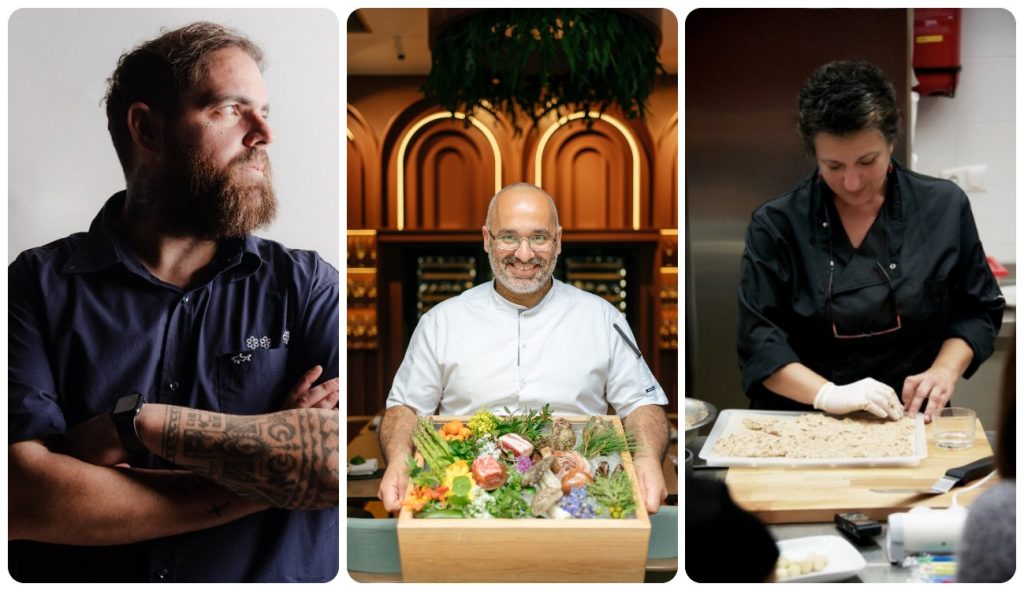
As we look ahead, the intersection of food and environmental stewardship will undoubtedly continue to evolve. By embracing these sustainable culinary practices, we can all contribute to a thriving ecosystem that balances our needs with the well-being of the planet. Therefore, whether you are a seasoned chef or a home cook, understanding these concepts will empower you to make choices that benefit both your palate and the Earth.
DIVE DEEPER: Click here to discover the art of letter writing
Innovative Approaches to Sustainable Culinary Arts
As the culinary arts embrace the importance of sustainability, chefs and home cooks are exploring innovative approaches that reflect a deeper understanding of the relationship between food and the environment. These practices not only promote environmental health but also enhance culinary creativity, challenging traditional norms in the kitchen. Here, we delve into several key strategies that are shaping a sustainable future in culinary arts.
Seasonal and Local Ingredients
One of the cornerstones of sustainable culinary practices is the emphasis on seasonal and local ingredients. Utilizing ingredients that are in season means they are harvested at their peak of flavor and nutrition, while also reducing the carbon footprint associated with transportation. Chefs are championing this approach by designing menus around what is available in their local area, which encourages a deeper connection to local ecosystems.
Alongside this commitment to local sourcing, many chefs are also becoming advocates for heirloom varieties and indigenous foods. These ingredients, often neglected in favor of commercially available options, offer unique flavors and stories that resonate with diners. They celebrate biodiversity and help preserve local agricultural heritage. Some examples of heirloom ingredients include:
- Heirloom tomatoes – known for their diverse shapes and rich flavors.
- Heritage grains – ancient grains like spelt and farro, which are more nutritious and sustainable alternatives.
- Native crops – such as corn and beans, which have cultural significance and adapt well to local climates.
Energy Efficiency in Culinary Operations
Another avenue for promoting sustainability within the culinary realm is through energy efficiency. Many establishments are rethinking their kitchen designs and operational practices to reduce energy consumption. Implementing energy-efficient appliances, LED lighting, and proper insulation can significantly lower energy bills and reduce waste. Additionally, some restaurants are adopting renewable energy sources, such as solar panels, to further their commitment to environmental responsibility.
Moreover, chefs are not just advocates of sustainability within their restaurants; they are also becoming educators in their communities. Through workshops, cooking classes, and social media, culinary professionals share insights about sustainable practices, inspiring others to rethink their cooking habits. This ripple effect encourages more individuals to engage with these concepts, hopefully leading to broader societal change regarding food consumption and environmental impact.
By embracing a more sustainable way of cooking, the culinary arts contribute significantly to the protection of our planet. This movement calls for a collective effort from chefs, consumers, and the agricultural community to prioritize sustainability in all aspects of the food we produce and consume. As more culinary professionals adopt these creative practices, the potential for a greener future becomes ever more tangible, inviting us all to rethink the way we approach food.
The Importance of Sustainability in Culinary Arts: Creative Practices for a Green Future
The culinary arts are undergoing a significant transformation, with an increasing emphasis on sustainable practices. This shift is essential as the food industry grapples with environmental challenges such as climate change, deforestation, and resource depletion. By adopting innovative techniques, chefs and culinary professionals can contribute to a greener future while elevating the dining experience.
One creative practice gaining traction is the use of locally sourced ingredients. By partnering with local farmers and producers, chefs can minimize their carbon footprint while supporting the community’s economy. This practice not only enhances the freshness and flavor of dishes but also reduces transportation emissions, further promoting environmental sustainability. Additionally, utilizing seasonal produce encourages a deeper connection between diners and their food sources, fostering greater awareness of seasonal eating.
Another impactful method is the incorporation of plant-based dishes into menus. By reducing reliance on animal products, chefs can significantly decrease greenhouse gas emissions associated with agriculture. Creative plant-based alternatives, such as using legumes, grains, and vegetables, offer diverse, flavorful options that appeal to various palates. This shift not only benefits the environment but also promotes healthier eating habits among consumers, which is increasingly important in today’s health-conscious society.
Furthermore, culinary education is evolving to include sustainability principles, encouraging future chefs to embrace environmentally friendly practices from an early stage. Institutions are revising curricula to include training on waste reduction techniques, like food preservation and composting. This knowledge empowers aspiring chefs to make informed choices that positively impact their kitchens and the planet.
The growing awareness and implementation of these sustainable culinary practices are essential in shaping a vibrant, environmentally-conscious food culture. These innovations not only offer a pathway for enhancing culinary artistry but also create a ripple effect, inspiring consumers to prioritize sustainability in their own food choices.
| Sustainable Practices | Benefits |
|---|---|
| Locally Sourced Ingredients | Minimizes carbon footprint and supports local economies. |
| Plant-Based Dishes | Reduces greenhouse gas emissions and promotes healthier eating. |
| Waste Reduction Techniques | Encourages food preservation and composting, leading to less food waste. |
DISCOVER MORE: Click here to learn how art drives social change
Waste Reduction and Food Recovery Strategies
In the pursuit of sustainable culinary arts, waste reduction has emerged as a vital focus area. Given that an estimated 30-40% of the food supply is wasted annually in the United States, chefs and culinary professionals are actively implementing practices that minimize food waste both in their kitchens and at the consumer level. This commitment to reducing waste often begins with careful menu planning and portion control, ensuring that every ingredient is utilized efficiently.
Moreover, initiatives like employing food recovery networks have gained traction in the culinary community. These networks work to collect surplus food from restaurants, grocery stores, and farms to distribute it to food banks and shelters. By repurposing food that would otherwise go to waste, culinary arts professionals not only contribute to alleviating hunger but also reduce the environmental impact associated with food disposal.
Additionally, many chefs are embracing the concept of upcycling, a creative practice that involves transforming food scraps and byproducts into delicious new dishes. For instance, vegetable peels can be used to create stocks, stale bread can be repurposed into croutons or bread puddings, and overripe fruits can become jams or desserts. This approach not only conserves resources but also fosters culinary innovation, inviting chefs to experiment with flavors and textures that may otherwise go unconsidered.
Plant-Based Perspectives
Another significant trend in sustainable culinary practices is the increasing emphasis on plant-based cuisines. Numerous studies highlight the environmental benefits of reducing meat consumption, particularly in terms of lowering greenhouse gas emissions and conserving water. As a result, chefs are finding creative ways to incorporate more plant-based ingredients into their menus, elevating vegetables, grains, and legumes to the forefront of cuisine.
Restaurants are also recognizing the potential of traditional plant-based dishes from diverse cultures, giving diners a chance to explore global flavors while embracing sustainability. Dishes like falafel, lentil curries, and vegetable stir-fries showcase the rich possibilities of plants, challenging the notion that meals must center around animal proteins. Furthermore, culinary schools are increasingly integrating plant-based cooking into their curricula, preparing the next generation of chefs to innovate responsibly.
Garden-to-Table Initiatives
A growing number of chefs are taking sustainability a step further by cultivating their own ingredients through garden-to-table initiatives. Establishing onsite or nearby gardens allows restaurants to grow fresh produce, herbs, and even edible flowers, ensuring that ingredients are harvested at their peak vitality. This not only enhances flavor but also creates a deeper connection between chefs, their patrons, and the source of their food.
Moreover, these initiatives often foster community engagement. Many chefs invite local schools, families, or community members to participate in gardening activities, facilitating education on sustainable practices and showcasing the importance of local food systems. This engagement at the grassroots level creates a sense of ownership and responsibility towards food sources, nurturing a culture of sustainability beyond the walls of the restaurant.
As culinary arts continue to evolve, these innovative practices illustrate that sustainability is not merely an obligation but a catalyst for creativity and community connection. By reimagining our relationship with food, culinary professionals can lead the way toward a greener, more sustainable future for all. Embracing these principles is essential for the health of our planet and the continued enjoyment of the culinary arts.
EXPLORE MORE: Click here to discover how music enhances learning in
Conclusion: Embracing a Sustainable Culinary Future
In conclusion, the culinary arts are witnessing a profound transformation, as sustainability takes center stage in both the kitchen and the dining experience. The embrace of waste reduction strategies, such as food recovery networks and upcycling, underscores a collective commitment to not only mitigate the staggering 30-40% food waste crisis but also to foster culinary creativity. Chefs are increasingly redefining traditional perceptions of culinary practice by prioritizing plant-based cuisines, which not only appeal to a broader audience but also contribute significantly to environmental conservation.
The garden-to-table initiatives reestablish vital connections between chefs, consumers, and local ecological systems, emphasizing the importance of sourcing ingredients responsibly. This not only enhances flavor profiles but also educates the community on the value of sustainable practices in food production. By fostering these connections, culinary professionals are role models, inspiring diners to consider their own consumption habits and the wider implications on our planet.
As the culinary landscape continues to evolve, the commitment to sustainability serves as a driving force for innovation, enhancing the gastronomic experience and cultivating community engagement. It is crucial for both culinary professionals and consumers to actively embrace and promote these sustainable practices. Together, we can inspire a green future, ensuring that the culinary arts remain not only a source of enjoyment but also a vital contributor to the health of our planet.