The Art of Culinary Presentation: Transforming Dishes into Visual Works of Art
The Power of Culinary Presentation
In the realm of gastronomy, the visual display of food serves a purpose far beyond aesthetics. It forms a critical aspect of the dining experience, engaging guests’ senses and elevating meals to an art form. Not only does a beautifully presented dish enhance appetite, but it also engages diners’ emotions, creating a memorable experience that resonates long after the meal has ended.
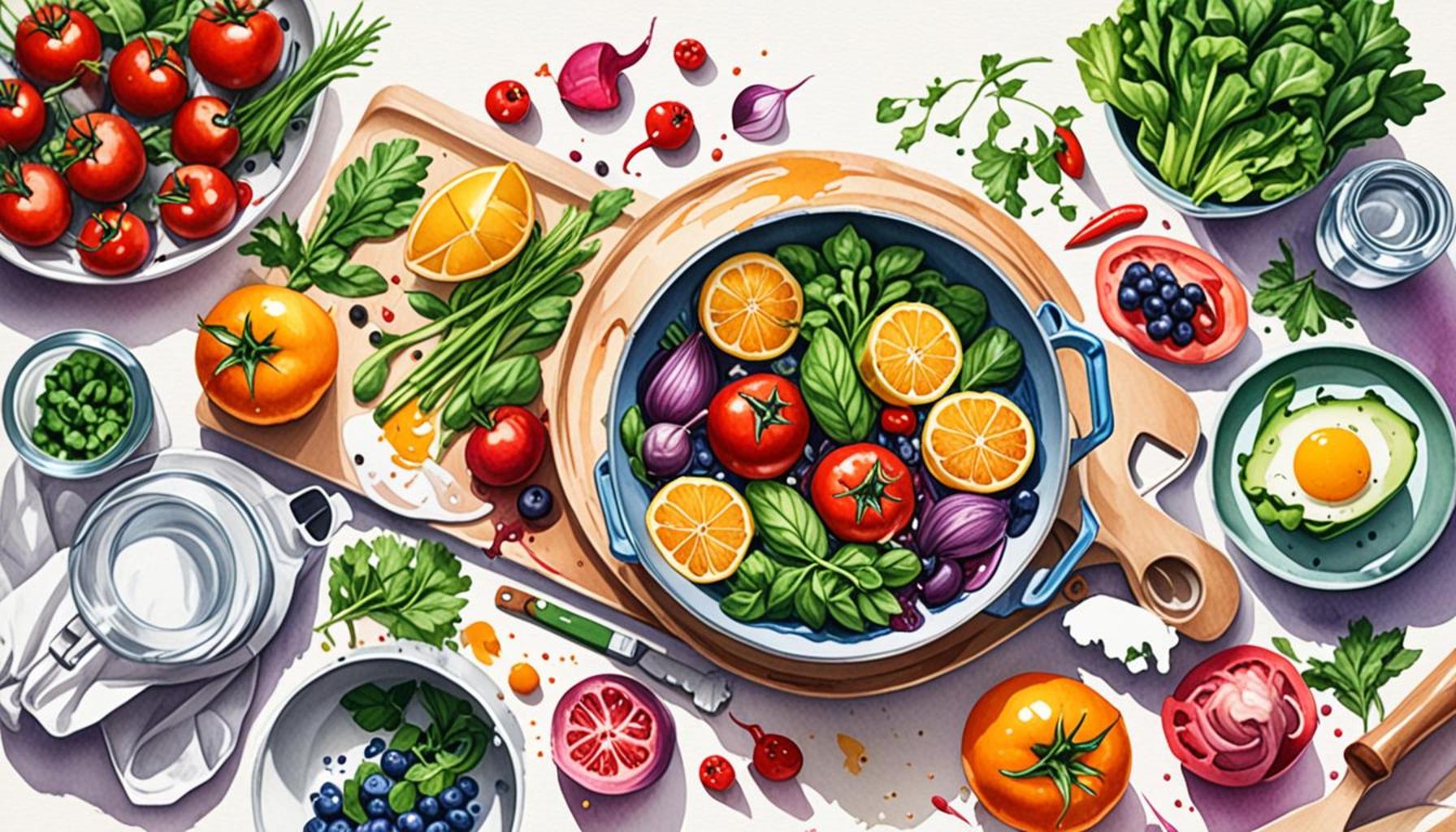
One of the most compelling reasons why culinary presentation matters is its ability to create strong first impressions. When a plate arrives at the table, it acts as a visual invitation to savor what lies ahead. Consider how a vibrant salad, expertly arranged with jewel-toned heirloom tomatoes, crisp greens, and delicate edible flowers, can captivate one’s attention before a single bite is taken. This initial visual cue can prime the palate for an explosion of flavors, enhancing anticipation and satisfaction.
Additionally, the interplay of texture and color plays a vital role in presentation. Chefs often use a palette of colors to create contrast and harmony on the plate. For instance, pairing a deep red beet puree with golden roasted vegetables and bright green herbs can create a dish that is not only tasty but also a feast for the eyes. Such visual contrasts can spark curiosity and interest, inviting diners to explore each component of the dish.
Artistic expression is another crucial aspect of culinary presentation. Through various plating techniques, chefs can showcase their creativity. For example, utilizing asymmetrical plating or embracing negative space can turn a simple meal into an elaborate canvas reflecting the chef’s vision. In recent years, themed dishes have gained popularity, with creative chefs designing meals that celebrate local culture or seasonal ingredients. For example, a dish inspired by an American barbecue might incorporate vibrant coleslaw artfully drizzled with a smoky barbecue sauce, creating a narrative that diners can taste and see.
Even those who cook at home can adopt fine dining techniques to enhance their meals. Simple adjustments, such as using unique serving dishes or adding a touch of fresh herbs as garnish, can elevate a weeknight dinner from mundane to spectacular. Understanding the principles behind culinary presentation enables anyone to make their dining experiences more engaging and visually stunning.
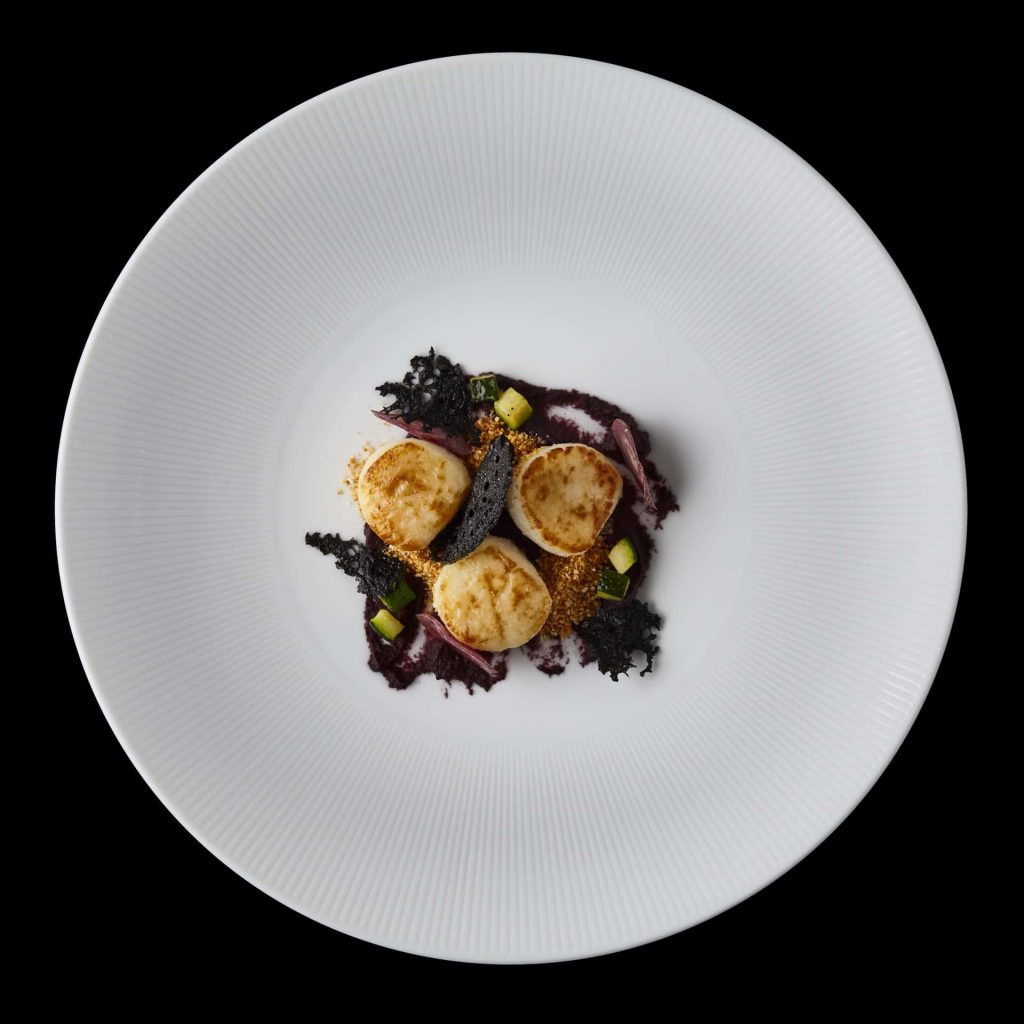
As we continue to explore the fascinating world of food artistry, we invite you to uncover tips and insights that inspire your culinary journey. The art of presentation enriches not only the meal but also the cherished moments shared around the table, making cooking and dining a deeply rewarding experience.
DIVE DEEPER: Click here to unleash your creativity
Elevating the Dining Experience through Artful Plating
The transformative power of culinary presentation is evident not just in fine dining establishments but also in everyday cooking at home. When meals are plated with thought and creativity, they can significantly alter the diner’s perception and experience. A perfectly cooked steak garnished with a sprig of rosemary and accompanied by a vibrant medley of seasonal vegetables can make all the difference between an ordinary meal and a culinary adventure.
One effective strategy for enhancing the presentation of a dish is the use of height. Stacking components or arranging them vertically can create an eye-catching effect that adds drama to the plate. For instance, a classic burger can be taken to new heights by adding layers of ingredients like crisp lettuce, juicy tomatoes, and a slice of artisanal cheese, showcasing the textural contrasts. This technique not only looks enticing but also builds anticipation, prompting diners to delve into a multi-faceted flavor experience.
Another critical factor in achieving an artful presentation is the careful consideration of color combinations. Understanding color theory can guide culinary creatives in selecting ingredients that not only taste great but also visually pop on the plate. Here are some tips to enhance visual appeal:
- Vibrant Greens: Incorporate fresh herbs or leafy greens to add a burst of color and freshness.
- Contrasting Hues: Use contrasting colors, such as bright orange carrots against a creamy white purée, to create a striking visual.
- Textures and Shapes: Mix various textures and shapes to provide visual intrigue—smooth sauces, crunchy toppings, and delicate garnishes all contribute to the overall experience.
Furthermore, an element often overlooked is the importance of the plate itself. The choice of dishware plays a pivotal role in framing the meal. White plates tend to enhance the colors of the food, making the dish more vibrant, while darker plate colors can offer a dramatic backdrop that accentuates lighter ingredients. Chefs often experiment with different shapes—round, square, or even asymmetrical dishes—each contributing to the overall visual narrative of the meal.
The narrative behind a dish can also be effectively communicated through culinary presentation. Each component on the plate can tell a story, enriching the dining experience. For example, a dish centered around a local harvest might feature ingredients sourced from nearby farms, adding not only a sense of place but also a personal touch to the meal.
As we’re diving deeper into the art of culinary presentation, we encourage readers to explore how intentional plating can enhance their own cooking endeavors. The way we serve food has the potential to delight the senses, engage the imagination, and transform even the simplest meals into extraordinary dining experiences.
| Advantage | Description |
|---|---|
| Enhanced Dining Experience | Culinary presentation not only satisfies hunger but also engages the senses, transforming a meal into an experience. Artfully plated foods can elevate enjoyment and create memorable moments. |
| Increased Perceived Value | Visual appeal can significantly enhance the perceived value of dishes. Restaurants and home chefs alike find that beautiful presentations encourage diners to appreciate not just flavor, but also craftsmanship. |
As the conversation around culinary arts deepens, it becomes evident that the aesthetics of food play a pivotal role in modern dining. Today, we explore how The Art of Culinary Presentation becomes a crucial element in transforming ordinary meals into extraordinary sensations. When dishes are thoughtfully arranged, they not only capture attention but also invoke emotions. Chefs are increasingly harnessing the power of visual storytelling to share cultural narratives, seasonal inspirations, and personal touches all through a beautifully crafted plate.Furthermore, the increasing prevalence of digital platforms contributes to the significance of this art form. With platforms like Instagram fueling visual culture, how a dish looks can directly influence customer choice. Chefs and food enthusiasts alike are encouraged to embrace innovative techniques, unique plating styles, and creative garnishing to showcase their culinary artistry, effectively merging the realms of cuisine and visual impact.
DIVE DEEPER: Click here to discover more
Creating an Emotional Connection Through Food Styling
The art of culinary presentation transcends mere aesthetics; it establishes an emotional connection that enhances the dining experience. When a dish is beautifully presented, it invokes feelings of anticipation and excitement. This psychological aspect is critical, as studies have shown that the visual appeal of food can influence perception of flavor. A dish that is thoughtfully styled is often perceived to be more delicious, even before the first bite is taken.
One of the most effective ways to evoke emotions through food styling is by incorporating seasonal themes. As the seasons change, so too does the palate and the bounty available. For example, a winter dish may feature hearty root vegetables and rich colors, while summer menus can showcase vibrant salads filled with ripe tomatoes and fresh herbs. Playing with seasonal elements not only adds a visual delight but also creates a deeper connection to the changing world outside. This practice becomes a conversation starter, inviting diners to share their own seasonal favorites, hence enriching the experience.
Utilizing garnishes effectively is another strategy in the repertoire of culinary presentation. Fresh herbs, flowers, and even edible gold can heighten the aesthetic of a dish. A carefully placed sprig of cilantro or a dash of microgreens not only adds a pop of color but also hints at the flavors contained within the dish. Moreover, it is essential to select garnishes that complement the main ingredients—not distract from them. For instance, a delicate edible flower atop a citrus dessert signifies freshness and whimsy, enhancing the overall experience.
Texture plays a vital role in culinary presentation as well. Combining various textures can create visual excitement. A dish featuring a crispy skin on fish, alongside a creamy mash and crunchy pea shoots, provides both tactile pleasure and visual intrigue. Chefs often use techniques like drizzling oils, creating foams, or adding crisp elements to diversify textures on a single plate. This technique not only appeals to the eyes but also triggers curiosity about the flavors that will unfold with each bite.
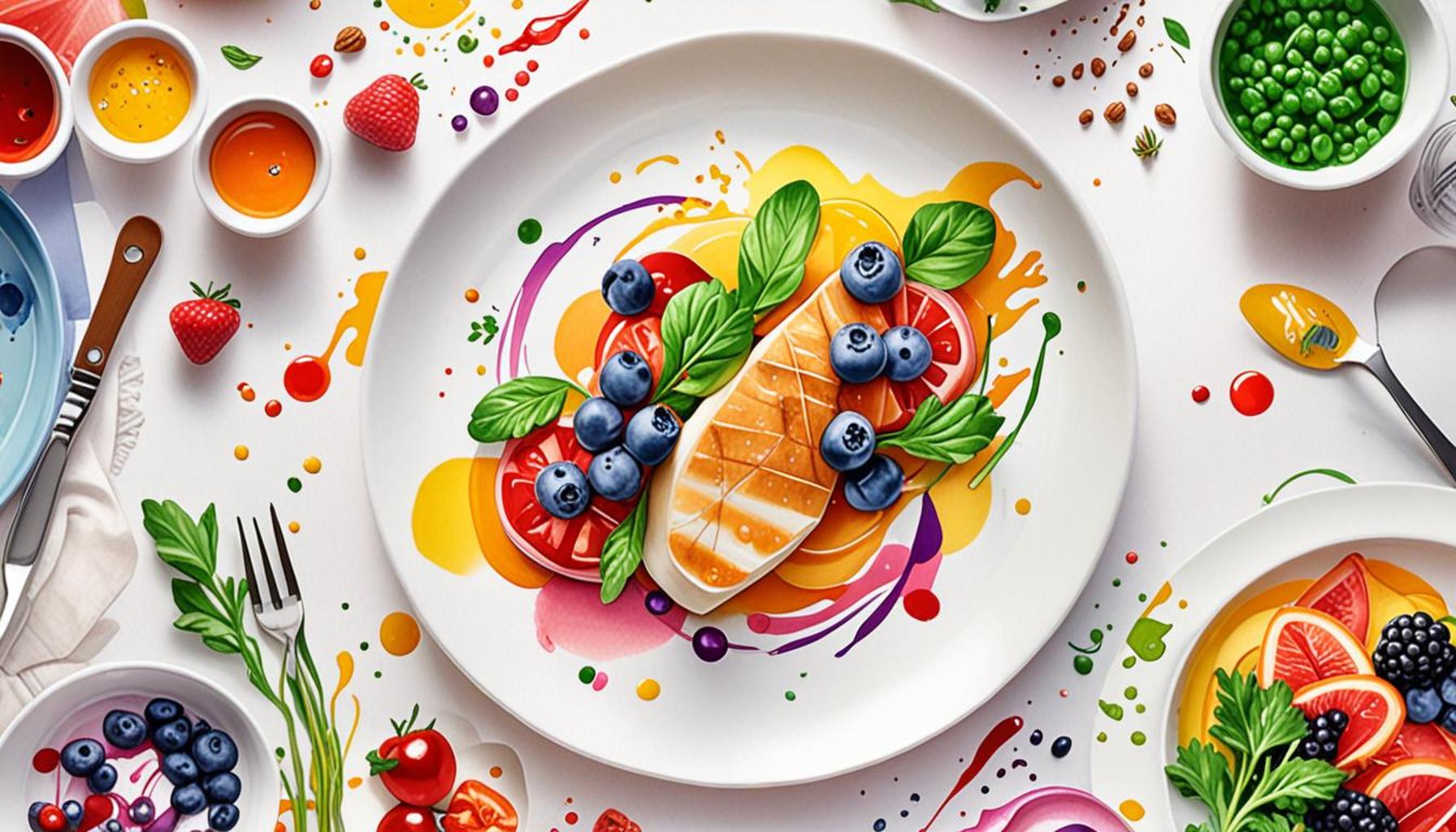
Indeed, the art of spacing on the plate is a fine balance that should not be overlooked. The strategic use of negative space allows the components of the dish to breathe, preventing visual clutter. For example, a cleanly plated risotto might showcase a sculptural piece of grilled chicken at the center, surrounded by a swirl of vibrant sauce. This deliberate arrangement leads the eye across the plate while making the dish appear more sophisticated and intentional.
In addition, modern culinary artists are embracing innovation in plating techniques through the use of non-traditional elements. Edible elements like sauces can be splattered artistically on the plate, while unusual serving vessels, such as slate tiles or jar bowls, are becoming trendy. These avant-garde techniques challenge the norm and invite diners into a new realm of culinary exploration, igniting conversations around the table and promoting a memorable dining experience.
As the field of culinary arts continues to evolve, the emphasis on presentation remains a key driver in transforming everyday meals into memorable experiences. By seamlessly combining emotion, seasonality, and creativity, chefs and home cooks alike can elevate their dishes and delight diners visually and gastronomically.
DISCOVER MORE: Click here to learn about empowering artisans</a
Conclusion: Elevating the Dining Experience Through Visual Artistry
In the realm of culinary presentation, the journey from an ordinary meal to a feast for both the eyes and the palate is a testament to the power of visual artistry. From the thoughtful incorporation of seasonal ingredients to the skillful use of garnishes and textures, chefs create not only dishes but immersive experiences that engage all senses. This intricate dance between flavor and presentation nurtures an emotional connection, deepening the appreciation for the culinary creations that grace our tables.
Moreover, as dining evolves into an experiential adventure, the innovative approaches to plating challenge traditional norms, encouraging chefs and home cooks to push boundaries. With techniques ranging from splattering sauces to using unconventional serving vessels, the art of presentation can transform an ordinary meal into a story waiting to be told. Each plate becomes a canvas, inviting diners to explore textures, colors, and flavors in a way that ignites curiosity.
As we continue to embrace the art of culinary presentation, it is essential to recognize that visual appeal is not merely a superficial embellishment. It forms an integral part of the dining experience, enhancing enjoyment and leaving lasting memories. So, whether you’re an aspiring chef at home or a seasoned professional, let your creativity flow, and remember that every dish you prepare is an opportunity to express yourself—turning meals into magnificent visual works of art that delight the senses and celebrate the joy of food.