Culinary as a Form of Artistic Expression: Creating Dishes that Tell Stories
The Personal Connection Behind Every Dish
Cooking is not merely about nourishment; it is a deeply personal form of expression. Each dish has the potential to share a narrative, evoke memories, and connect people through flavors and aromas. Culinary arts challenge chefs to become the storytellers of their experiences, weaving together ingredients into vibrant tales that transcend the plate.
Consider how a single dish might reflect:
- Culture: Regional ingredients, traditional techniques, and family recipes can convey heritage. For example, a bowl of gumbo can tell the story of New Orleans, while a pot of chowder might evoke the coastal narratives of Maine. These dishes serve not just as a meal, but as a vehicle for cultural pride and history.
- Emotion: Comfort foods often bring back fond memories, triggering nostalgia with every bite. Think of grandma’s apple pie or a warm bowl of mac and cheese; these foods often represent warmth, love, and a sense of belonging, reminding us of moments spent with loved ones.
- Innovation: Creative combinations can reinterpret classic dishes, inviting diners to experience something entirely new. Chefs all over America are experimenting by adding unconventional ingredients to traditional recipes, such as spicy kimchi infused into a classic grilled cheese sandwich or using molecular gastronomy to elevate simple desserts into artistic creations that surprise and delight.
Throughout the United States, culinary artistry thrives in various forms. From the complex flavors of Southern barbecue, heavily influenced by African American heritage and practice, to the vibrant tastes of Tex-Mex, each region offers a unique palette for chefs. For instance, the fusion of flavors seen in California cuisine, which blends fresh, local ingredients with international influences, creates a rich tapestry of narratives waiting to be discovered.
In this exploration, we will delve into how chefs infuse their personal stories into their culinary creations. What drives them to choose certain ingredients or techniques? You’ll find not only recipes but also the rich backgrounds and inspirations that elevate food to the realm of art. Culinary expression is about the journey as much as the destination; let’s uncover the artistry behind the dishes that tell our stories. By exploring the motivations and experiences that shape these creations, we can appreciate culinary arts not merely as a form of cooking, but as a dynamic and evolving form of communication that joins people across cultures and generations.
DISCOVER MORE: Click here to uncover the secrets
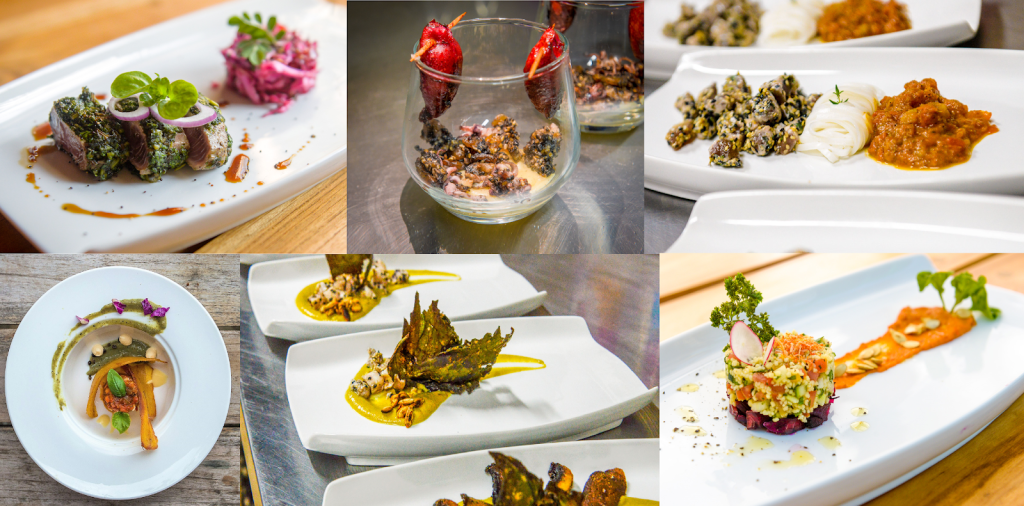
Flavorful Narratives: The Ingredients of a Story
Every ingredient in a dish brings its own story, contributing to the overall narrative presented on the plate. Culinary arts allow chefs to harness the unique characteristics of individual components, crafting a symphony of flavors that reflect personal and cultural histories. At the core of this artistic expression lies an understanding of how each ingredient can shape the message conveyed through food.
Different aspects of an ingredient can evoke varied emotions and memories. When chefs select ingredients, they are not merely considering taste or aesthetics; they are making decisions steeped in meaning. For example, a chef from New Mexico may highlight chile peppers in their dishes, representing a connection to local agriculture and the traditions of Native American cuisine. On the other hand, those rooted in Italian cuisine might emphasize fresh basil, invoking memories of summer days spent harvesting in family gardens. The use of specific herbs, spices, or produce can thus create a rich landscape of flavors that tell both personal and cultural tales.
The techniques employed in cooking can also serve as a powerful narrative tool. From the slow, deliberate process of braising to the swift, high-temperature magic of stir-frying, each method has its own story and cultural significance. For instance, slow-cooked dishes such as coq au vin in French cuisine symbolize the patience and care involved in home-cooked meals, while a quick-fire tempura may reflect the precision and artistry found in Japanese culinary tradition. The methods chosen by chefs can bridge generations, as the dishes themselves often incorporate techniques passed down through families.
Exploration of culinary artistry also emphasizes the connection between food and memory. Making a dish often becomes an act of remembering; sensory experiences ignite recollections of past events and cherished moments. For instance, a chef might prepare biryani, a fragrant rice dish enriched with spices and marinated meats, as a tribute to a family gathering where the dish was first crafted by a grandmother. As diners indulge in that meal, they can appreciate not just the flavors, but also the nostalgia interwoven with every bite—a relatable experience that transcends cultural boundaries.
As we navigate through the world of culinary storytelling, it’s vital to recognize the transformative power of food. Chefs are not just cooking; they are acting as historians, cultural ambassadors, and artists. Each plate of food tells a story that bridges generations and brings communities together. Whether through the careful selection of ingredients, the application of time-honored techniques, or the emotional ties connected to a dish, culinary expression opens the door to new narratives and shared experiences. It invites us to not only taste but also reflect, reminisce, and connect.
| Artistic Technique | Impact on Culinary Stories |
|---|---|
| Plating | Plating transforms a simple dish into a canvas, engaging the viewer’s senses. A visually striking presentation can evoke an emotional response, drawing diners into the narrative of the dish. Color, texture, and composition are crucial elements in this artistic technique. |
| Ingredient Choice | Selecting specific ingredients not only shapes flavor profiles but also conveys stories of cultural heritage and personal experiences. Each ingredient has its own history, which can be woven into a dish, allowing chefs to narrate cultural tales through taste and aroma. |
In the realm of culinary arts, the way food is presented and the ingredients selected becomes pivotal to storytelling. For instance, the technique of plating not only enhances visual appeal but also serves as a medium to convey emotions and themes inherent in the dish. Chefs often experiment with height, contrast, and spatial arrangement to create eye-catching designs. This aspect of culinary art is akin to painting, where each component serves a purpose in the overall message conveyed.Moreover, the choice of ingredients plays a significant role. Ingredients often encapsulate personal narratives or cultural histories. By merging unique flavors derived from diverse backgrounds, chefs can transport diners on a journey through geography and memory with each bite. The combination of plating and ingredient selection embodies the essence of food as an artistic expression, enabling chefs to create culinary experiences rich in stories and significance. Through these methods, the culinary world continues to evolve, inviting exploration and deeper appreciation of food as an art form.
DISCOVER MORE: Click here to dive deeper into the power of collaboration in music</a
The Palette of Culinary Creativity: Techniques and Presentation
The art of culinary expression extends beyond the mere selection and combination of ingredients; it incorporates a theater of technique and presentation. Chefs often utilize innovative cooking techniques as a form of creative expression, allowing them to transform ordinary materials into extraordinary experiences. Techniques such as molecular gastronomy—which employs scientific principles to create stunning visual presentations—highlight a chef’s artistic flair. This approach reveals a dish in ways that challenge diners’ perceptions, offering flavors encapsulated in delicate orbs or ethereal foams that symbolize the chef’s imaginative vision.
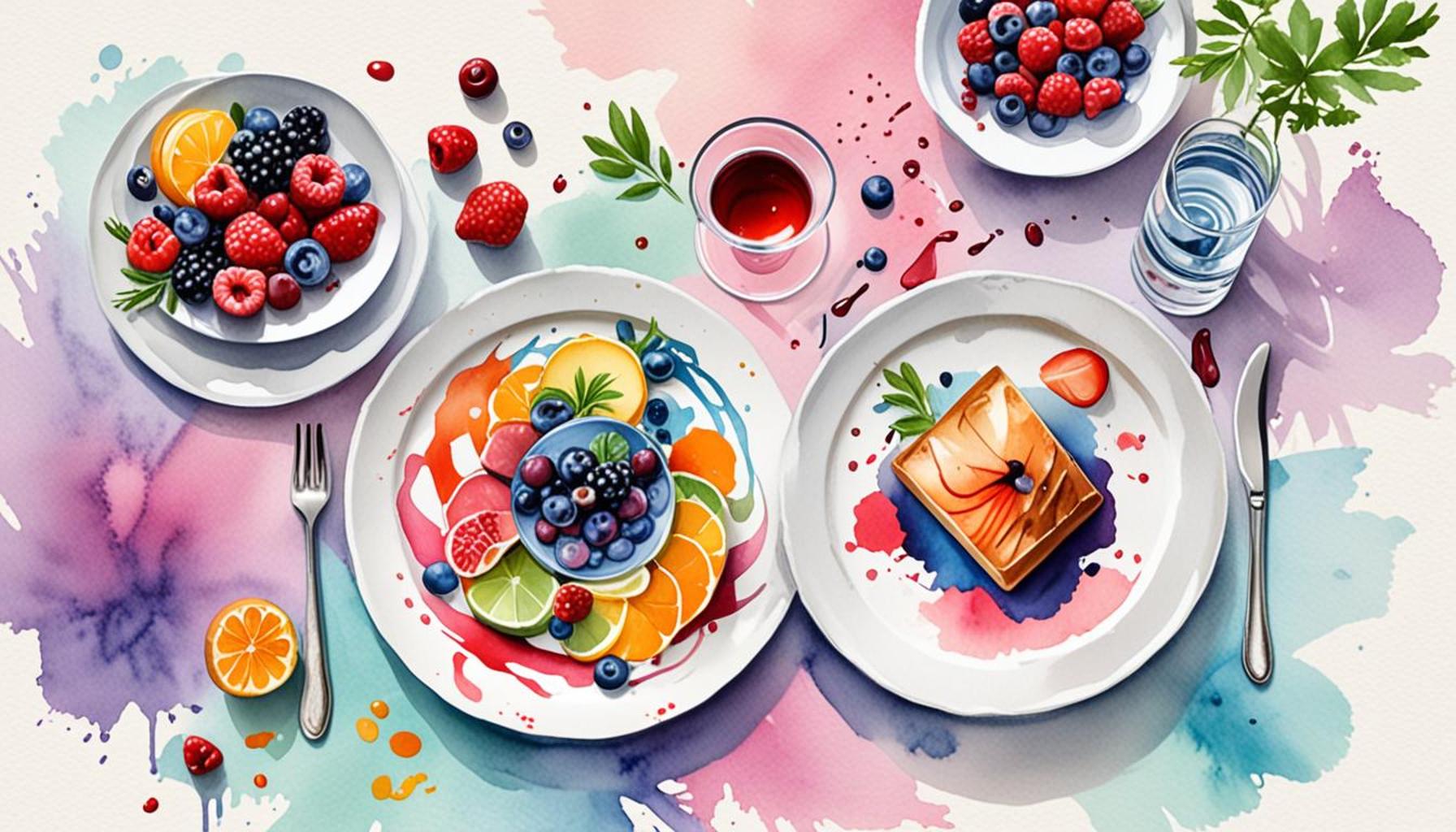
Among the most enchanting aspects of culinary storytelling is how the presentation of a dish conveys its narrative. A well-plated meal can evoke the concept of a finely crafted masterpiece, akin to a painting. The arrangement of ingredients, selection of dishware, and even the choice of garnishes can weave together a visual narrative. For instance, a vibrant and colorful plate that celebrates the local harvest invites diners to appreciate regional diversity while also tantalizing their appetites. Diners in the United States increasingly gravitate toward these visually captivating presentations that elevate food from mere sustenance to an aesthetic experience, instilling a sense of wonder and anticipation before the first bite.
Moreover, the fusion of culinary styles introduces another layer of storytelling in today’s kitchens. Chefs who merge traditional culinary practices with modern techniques or diverse cultural influences create dishes that reflect a kaleidoscope of experiences. Consider the growing popularity of Tex-Mex cuisine, which combines elements of traditional Mexican fare with southern Texan approaches. A dish like brisket tacos not only showcases flavor but also embodies the cultural interactions that have taken place over generations, drawing a rich tapestry of stories from the shared histories of two distinct culinary traditions.
Culinary festivals and competitions have also become platforms for chefs to communicate their stories, allowing them to showcase their personal and cultural journeys through food. Events like the James Beard Foundation Awards or local state fairs provide a stage for chefs to reveal their narratives through created dishes, inspiring both audiences and fellow practitioners. Winning chefs often incorporate local ingredients or dishes inspired by their backgrounds, thus grabbing attention for their heartfelt narratives. These platforms highlight the importance of artistry in cooking, as culinary joy mingles with storytelling for a wider audience.
The importance of community and shared dining experiences also plays a critical role in culinary storytelling. Chef-led initiatives that focus on communal meals, pop-up dinners, or collaborative cooking projects transcend cultural and social barriers while uniting diverse groups around a common culinary narrative. Such endeavors showcase the power of food as a medium for connection and dialogue. For instance, a dinner that gathers people from different walks of life, each bringing a dish that represents their heritage, creates an enriching tapestry of flavors and experiences that resonate far beyond the dining table.
This interplay between technique, creativity, and cultural influences makes culinary art an exceptional vehicle for transmitting stories, fostering connections, and celebrating diversity across the globe. As chefs continue to innovate and explore, they invite patrons not just to taste, but to immerse themselves in the narratives that each plate invites, creating experiences that linger long after the last bite. In this way, culinary artistry transforms everyday meals into meaningful expressions of history, culture, and personal journeys.
DISCOVER MORE: Click here to explore the connection between music and identity
Conclusion
In conclusion, culinary art emerges as a profound means of artistic expression, intricately weaving together stories, culture, and personal experiences through the medium of food. Each dish serves not just as a nourisher of the body but as a canvas for chefs to showcase their creativity and heritage. The advent of innovative cooking techniques and captivating presentations enhances this narrative, allowing chefs to push boundaries and turn meals into visual masterpieces that evoke emotions and spark curiosity.
The evolution of culinary fusion highlights the richness of shared human experiences, blending diverse traditions into harmonious dishes that celebrate our interconnectedness. Examples like Tex-Mex cuisine illustrate how cultural dialogues can shape flavors, inviting diners on a journey across time and space with every bite. Furthermore, culinary competitions and communal dining initiatives forge connections that transcend social barriers, highlighting food’s unique ability to unite people around a shared narrative.
As diners increasingly seek out these meaningful culinary experiences, the stories behind each dish become integral to the dining experience. They invite patrons to not only partake but to engage with the narrative woven into every element of the meal. Ultimately, the culinary arts stand as a vibrant testament to the human spirit, showcasing the creativity and stories that define us, making every dining experience a celebration of life and culture.